The Psychology of Deterrence: How Visible Security Influences a Burglar's Target Selection
In an era where home invasions remain a persistent threat, understanding the psychology of deterrence is crucial for homeowners seeking to protect their properties. This guide delves into the intricate thought processes of potential intruders, drawing on empirical data from surveys of convicted criminals and expert criminological analysis. By exploring how elements like visible cameras, alarm signage, well-trimmed landscaping, and signs of occupancy (such as lights and parked cars) make a home less appealing, we'll demonstrate how these visible cues can prevent crime before it occurs. Backed by studies from institutions like the University of North Carolina at Charlotte (UNC Charlotte) and Rutgers University, this article equips you with actionable insights to fortify your home confidently and authoritatively.
Deter Burglars Before They Choose You – Call Now
Decoding the Burglar's Decision-Making Process
Burglars are opportunistic by nature, often weighing risks against rewards in a split-second assessment. According to a landmark UNC Charlotte study surveying 422 convicted burglars, the majority operate with a risk-averse mindset, prioritizing targets that promise easy entry and minimal detection. This offender perspective reveals that deterrence isn't about confrontation but about perception—making your home appear as a high-risk endeavor.
Experts in criminology, such as Dr. Joseph B. Kuhns from UNC Charlotte, emphasize that burglars conduct a mental cost-benefit analysis. They scan for vulnerabilities during what researchers call the "target selection phase." If visible deterrents signal increased chances of capture or complication, intruders are statistically more likely to move on. For instance, the study found that 83% of burglars actively check for alarm systems before proceeding, highlighting how psychological barriers can preempt physical breaches.
- Key Psychological Factors in Target Selection:
- Perceived ease of access: Unlocked doors or windows invite attempts, as noted in a KGW investigative report interviewing 86 Oregon inmates, where most admitted entering through unsecured points.
- Risk of detection: Elements that suggest surveillance or occupancy amplify fear of apprehension.
- Potential rewards vs. consequences: Homes appearing affluent yet unprotected are prime, but visible security tips the scales toward avoidance.
This understanding reassures homeowners that proactive, visible measures aren't just reactive tools—they're powerful psychological weapons in crime prevention.
The Power of Visible Cameras: A Silent Sentinel
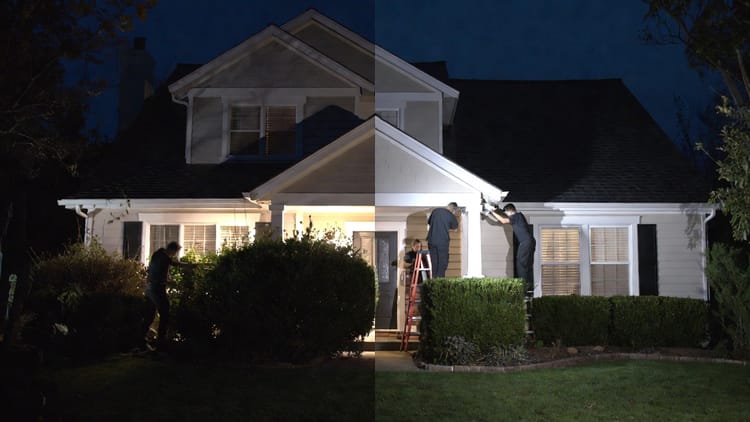
One of the most effective deterrents in a burglar's psychological calculus is the sight of security cameras. These devices don't merely record; they project an aura of vigilance that intruders dread. The UNC Charlotte survey revealed that nearly 60% of burglars consider the presence of outdoor cameras when selecting targets, with over **40% opting for another property entirely upon spotting them.
Why do cameras wield such influence? From the intruder's viewpoint, they represent irrefutable evidence. Convicted offenders in the study described cameras as "eyes that never blink," escalating the perceived risk of identification and prosecution. Rutgers University's analysis of over 37,000 burglaries corroborated this, showing homes with visible surveillance experiencing up to 60% fewer break-in attempts.
Moreover, modern cameras with features like motion-activated lights or AI detection amplify this effect. They create a dynamic barrier, making burglars feel watched even in the dark. Expert analysis from the National Institute of Justice underscores that this perceptual deterrence is particularly potent among active offenders, who often abandon plans mid-scout if cameras are evident.
To implement this effectively:
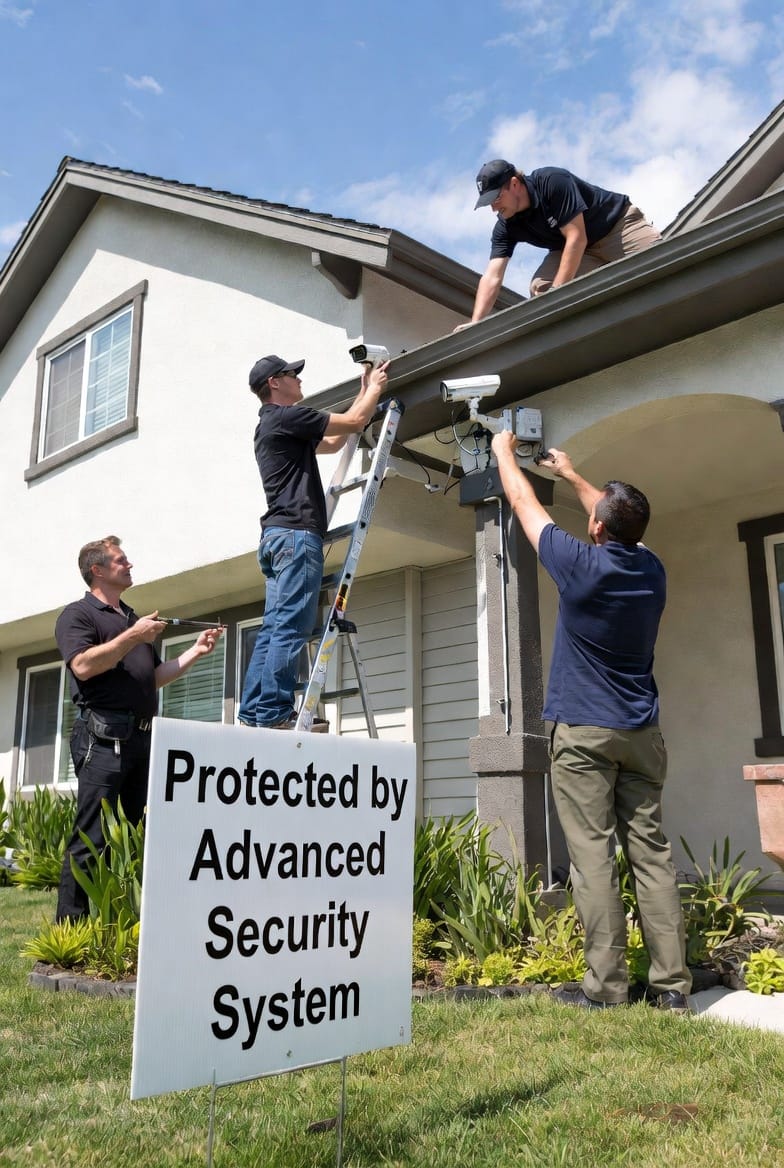
- Position cameras prominently under eaves or at entry points for maximum visibility.
- Pair with signage to reinforce the message: "This Property is Under Video Surveillance."
- Opt for high-resolution models that deter through quality implication alone.
By installing visible cameras, you're not just securing your home—you're psychologically outmaneuvering potential threats, ensuring your property remains unappealing.
Alarm Signage and Systems: The Ultimate Warning Signal
Alarm signage acts as a bold proclamation of protection, directly impacting a burglar's target selection. The UNC Charlotte research is unequivocal: 60% of surveyed burglars would seek an alternative target if an alarm is present, and over half would abort upon discovery during an attempt. This statistic stems from the intruder's fear of immediate response—sirens alerting neighbors and law enforcement.
Alarm systems tap into the psychology of immediate consequences. Burglars, often impulsive as per the study (with 41% describing acts as "spur of the moment"), calculate that alarms reduce escape time dramatically. A Rutgers study further supports this, noting community-wide burglary reductions in areas with dense alarm installations, as the deterrent effect spills over to neighboring homes.
Even without activation, signage alone works wonders. Convicted criminals in the KGW report admitted that yard signs signal "trouble ahead," prompting avoidance. Experts like those from the Electronic Security Association (ESA) analyze this as a form of conditioned response—burglars associate alarms with past failures or arrests.
Practical tips for maximization:
- Place signs at visible spots like driveways and windows.
- Integrate with smart systems for remote monitoring, adding layers of psychological intimidation.
- Combine with audible and silent alerts to cover all intruder scenarios.
Rest assured, investing in alarm signage transforms your home from a potential target to a fortified haven, leveraging burglars' innate aversion to risk.

Well-Trimmed Landscaping: Eliminating Hiding Spots
Often overlooked, well-trimmed landscaping plays a pivotal role in the psychology of deterrence. Burglars thrive on concealment, and overgrown bushes or trees provide perfect cover for scouting or entry. The KGW survey of 86 burglars revealed that many preferred homes with hidden front doors, as shrubbery masks their activities from passersby.
Conversely, maintained yards signal alertness and community watchfulness. UNC Charlotte's offender interviews highlighted that lack of escape routes—exacerbated by clear sightlines—deters selection. Experts from Nottingham Trent University (NTU) in their WIDE security study found that external lighting combined with trimmed landscapes reduces burglary risk by up to 49 times compared to unsecured homes.
This visual cue taps into the intruder's paranoia about exposure. A cluttered yard implies neglect, inviting opportunism, while pristine landscaping suggests an attentive owner likely to have other securities in place.
Enhance this deterrent:
- Trim shrubs below window level to eliminate blind spots.
- Use thorny plants strategically near boundaries for added physical and psychological barriers.
- Incorporate motion-sensor lights to illuminate potential hiding areas.
With well-trimmed landscaping, you're subtly communicating that your home is no easy mark, reassuringly integrating aesthetics with security.
Appearance of Occupancy: The Illusion of Presence
Creating the appearance of occupancy is a masterful psychological ploy against burglars, who overwhelmingly target empty homes. The UNC Charlotte study showed that proximity to people—real or perceived—is a top deterrent, with burglars avoiding properties showing signs of life like interior lights or parked cars.
Lights on timers mimic daily routines, fooling intruders into believing someone is home. Rutgers data indicates this reduces community burglaries, as thieves scout for dark, vacant houses. Cars in the driveway further this illusion, suggesting immediate confrontation risk.
Expert analysis from the Journal of Experimental Criminology notes that burglars' decision chains break when occupancy cues disrupt their low-risk assumptions. Even simple tricks, like leaving a radio on, amplify this effect.
Strategies for implementation:
- Use smart bulbs for randomized lighting patterns.
- Park vehicles visibly or ask neighbors to do so during absences.
- Install automated blinds to simulate movement.
This approach not only deters but empowers you to maintain control, even when away.
Integrating Deterrents for Maximum Impact
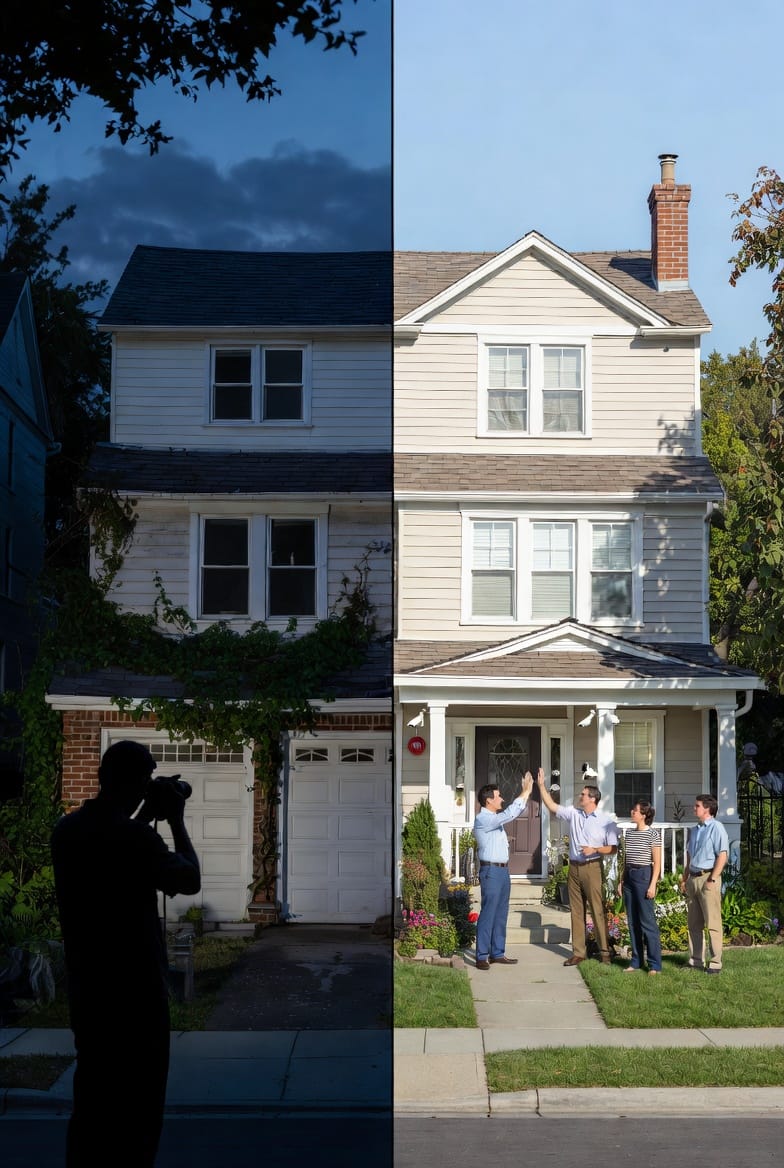
Combining these elements creates a synergistic deterrence system. The NTU study advocates the WIDE approach—window locks, indoor timers, door deadlocks, external sensors—yielding exponential protection. Burglars, per offender surveys, rarely challenge multifaceted defenses, as the cumulative psychological weight overwhelms their opportunism.
Data from multiple sources converges: Visible security reduces attempts by 50-60%, with alarms and cameras leading. Experts urge holistic strategies, blending technology with environmental cues for authoritative home defense.
Conclusion: Safeguard Your Peace of Mind
In the psychology of deterrence, visibility is your greatest ally. By understanding how visible cameras, alarm signage, well-trimmed landscaping, and occupancy appearances influence burglars' choices, you can statistically slash your risk. Studies of convicted criminals confirm these measures prevent crimes preemptively, making your home uninviting.
Become Burglar-Proof with Visible Cameras & Signs – Call Now