The Process Addiction: Compulsive Behaviors Like Gambling, Gaming, and Shopping

In today's fast-paced world, addiction isn't limited to substances like alcohol or drugs. Process addictions—also known as behavioral addictions—can be just as powerful and destructive. These compulsive behaviors, including gambling, gaming, shopping, and others, hijack the brain's reward system in ways remarkably similar to substance use disorders.
Start Process Addiction Recovery Today – Speak to an Expert
If you or a loved one finds yourself trapped in repetitive behaviors that interfere with daily life, know that help is available and recovery is possible. This comprehensive guide explores the nature of process addictions, their impact, and proven pathways to healing.
Understanding Process Addictions
Process addictions occur when a person becomes dependent on a rewarding behavior rather than a chemical substance. The activity triggers dopamine release in the brain, creating pleasure and reinforcement that can lead to compulsive repetition despite negative consequences.
Unlike substance addictions, process addictions often appear harmless or even socially acceptable at first. A weekend shopping spree, an evening of online gaming, or a friendly poker game can gradually escalate into something that controls one's life.
Key characteristics include:
- Loss of control over the behavior
- Preoccupation with the activity when not engaged
- Continued engagement despite harm to relationships, finances, or health
- Tolerance, needing more time or intensity for the same reward
- Withdrawal symptoms like irritability, anxiety, or restlessness when stopping
These behaviors activate the same neural pathways as drugs, making process addictions legitimate medical concerns that deserve professional attention.
Common Types of Process Addictions
Several behavioral patterns commonly develop into addictions. Here are the most prevalent:
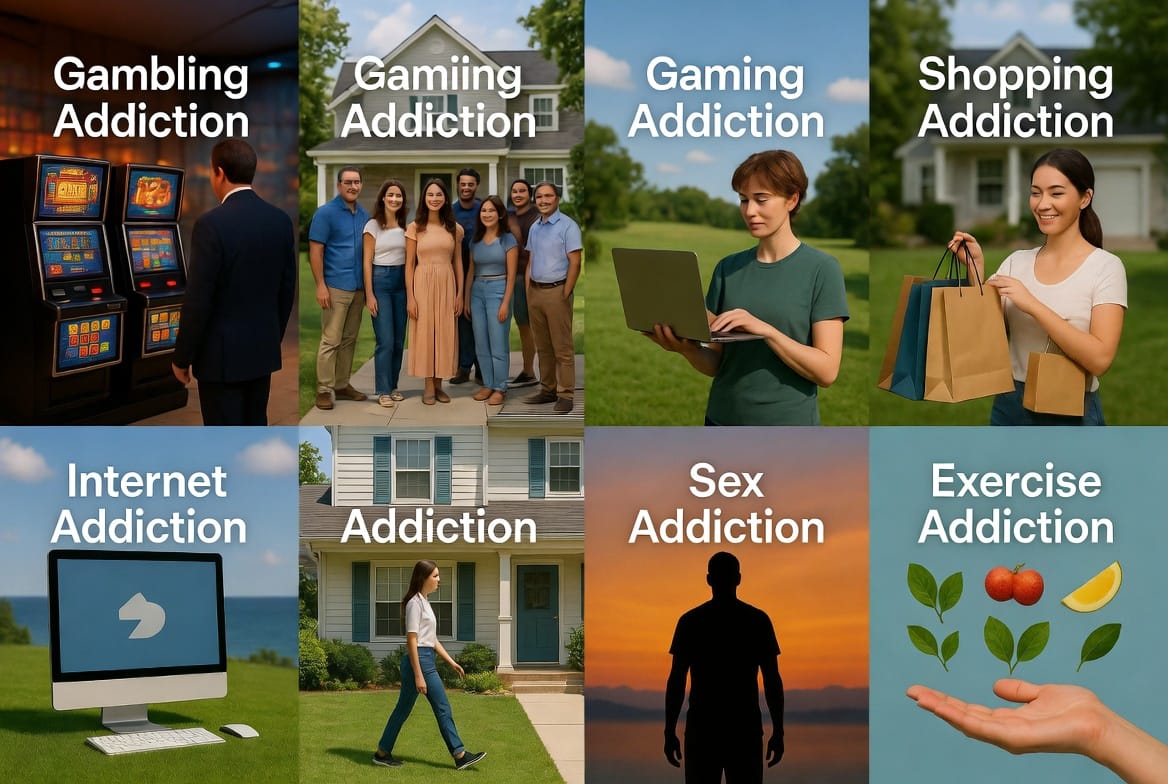
Gambling Addiction
Compulsive gambling involves risking money or valuables on games of chance or skill with the hope of winning big. Whether it's casino visits, sports betting, or online poker, the thrill of potential wins can become all-consuming.
Warning signs:
- Chasing losses
- Lying about gambling habits
- Jeopardizing relationships or jobs
Internet Gaming Disorder
Excessive video gaming, particularly online multiplayer games, can lead to neglect of responsibilities. Gamers may spend hours in virtual worlds, sacrificing sleep, nutrition, and real-world connections.
Compulsive Shopping
Also known as oniomania, this involves uncontrollable urges to shop, often leading to financial debt and cluttered homes filled with unused items. The temporary high from purchases quickly fades, prompting more buying.
Other Significant Process Addictions
- Sex and pornography addiction: Compulsive sexual behaviors that interfere with intimacy and daily functioning
- Food addiction: Using eating (especially binge eating or restriction) to cope with emotions
- Exercise addiction: Obsessive workouts that cause physical harm or social isolation
These behaviors share core features with substance addictions, but they are often overlooked because they don't involve external chemicals.
How Process Addictions Mirror Substance Addictions
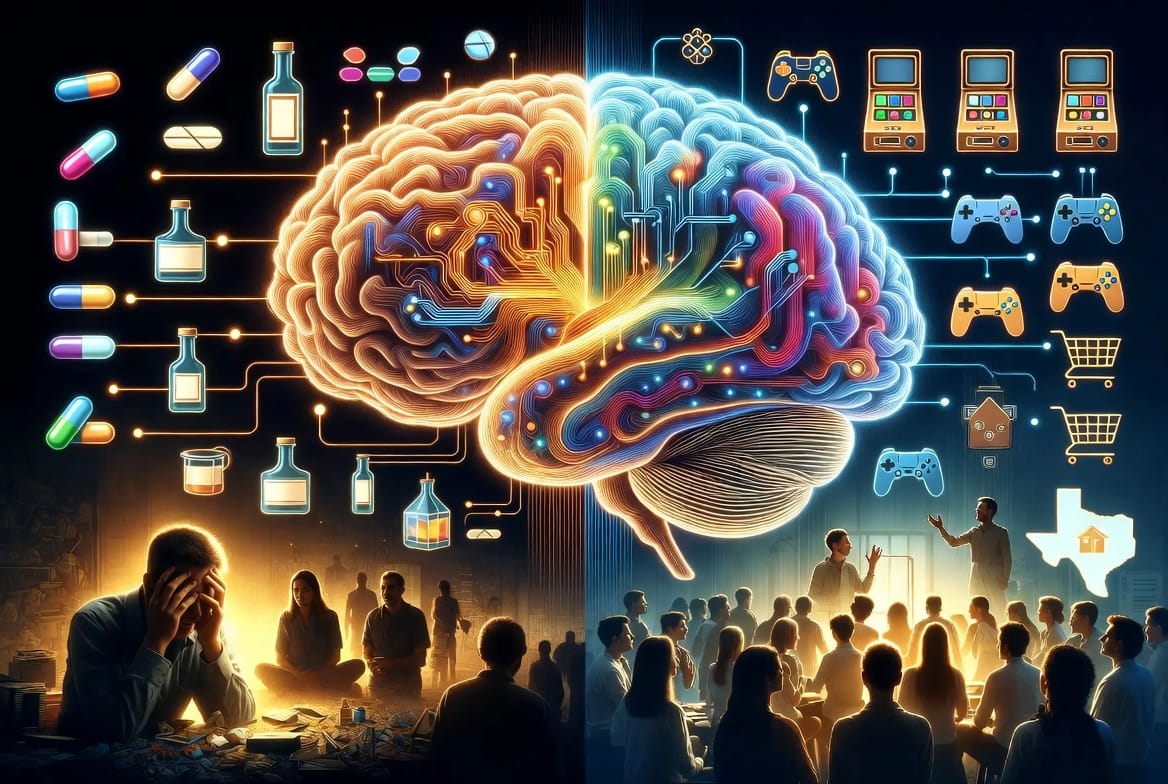
The similarities between process and substance addictions run deep at the neurological level. Both flood the brain with dopamine, reinforcing the behavior and creating powerful cravings.
Shared mechanisms:
- Tolerance: Needing increased engagement (more bets, longer gaming sessions, bigger purchases) for the same pleasure
- Withdrawal: Emotional and physical symptoms when unable to perform the behavior, including anxiety, depression, and restlessness
- Relapse risk: High vulnerability to returning to old patterns during stress
- Impact on decision-making: Impaired prefrontal cortex function leading to poor judgment
Research shows that individuals with process addictions often experience cross-addiction risks, where one compulsive behavior substitutes for or accompanies another. This underscores why comprehensive treatment addressing underlying issues is essential.
Recognizing the Signs in Daily Life
Early identification can prevent devastating consequences. Look for these indicators:
- Financial strain from gambling debts or unchecked shopping
- Neglected responsibilities at work, school, or home
- Relationship conflicts due to secrecy or emotional unavailability
- Physical health decline from poor sleep, nutrition, or overexertion
- Emotional distress including shame, guilt, and mood swings
Many people hide their struggles, believing they should "just stop." However, process addictions are powerful brain disorders, not moral failings. Professional support makes lasting change achievable.
The Far-Reaching Impact on Life
Unchecked process addictions can devastate multiple life areas:
- Financial ruin: Massive debt, bankruptcy, or lost opportunities
- Relationship breakdown: Trust erosion and family isolation
- Mental health decline: Co-occurring anxiety, depression, and suicidal thoughts
- Physical consequences: Sleep disorders, obesity, or injury from compulsive exercise
- Career damage: Absenteeism, poor performance, or job loss
Yet, there is hope. Recovery stories abound of individuals who regained control, rebuilt finances, and restored relationships through dedicated treatment.
Effective Treatment Approaches for Process Addictions
Recovery from process addictions typically involves evidence-based therapies tailored to individual needs. Professional programs address both the behavior and underlying emotional factors.
Cognitive Behavioral Therapy (CBT)
CBT helps individuals identify triggers, challenge distorted thoughts, and develop healthier coping strategies. It is highly effective for breaking compulsive cycles.
12-Step Programs
Adapted from Alcoholics Anonymous, these peer-support groups provide community, accountability, and spiritual principles for many facing behavioral addictions. Programs like Gamblers Anonymous and Overeaters Anonymous offer specialized support.
Mindfulness and Stress Reduction
Techniques such as meditation, yoga, and mindfulness-based relapse prevention help individuals stay present and manage cravings without acting on them.
Additional Treatment Elements
- Individual counseling for personalized exploration of root causes
- Family therapy to heal relationships and build support systems
- Medication management when co-occurring mental health conditions are present
- Holistic approaches including nutrition, exercise, and creative therapies
Integrated treatment programs that address potential cross-addictions and life skills development yield the best outcomes. Early intervention significantly improves success rates.
Building a Sustainable Recovery
Recovery is a journey, not a single event. Successful strategies include:
- Developing healthy routines and alternative rewards
- Building a strong support network of understanding friends and family
- Practicing self-compassion during setbacks
- Setting realistic goals and celebrating progress
- Continuing aftercare through support groups and check-ins
Many people find that addressing process addictions leads to broader life improvements, including better financial health, stronger relationships, and enhanced overall well-being.
Why Seeking Help Matters
Denial and stigma often prevent people from getting help for process addictions. Remember: These are treatable conditions, not character flaws. Professional treatment provides tools, support, and hope for a fulfilling life free from compulsive behaviors.
If compulsive patterns are affecting your life or the life of someone you care about, reaching out is a sign of strength.
You can be addicted to behaviors too.
Our compassionate team specializes in helping individuals overcome gambling, gaming, shopping, and other process addictions through personalized, evidence-based care. Recovery is within reach—take the first step today.
Professional Treatment for Process Addictions – Call Today
