The Proactive Homeowner's Guide to Integrated Pest Management
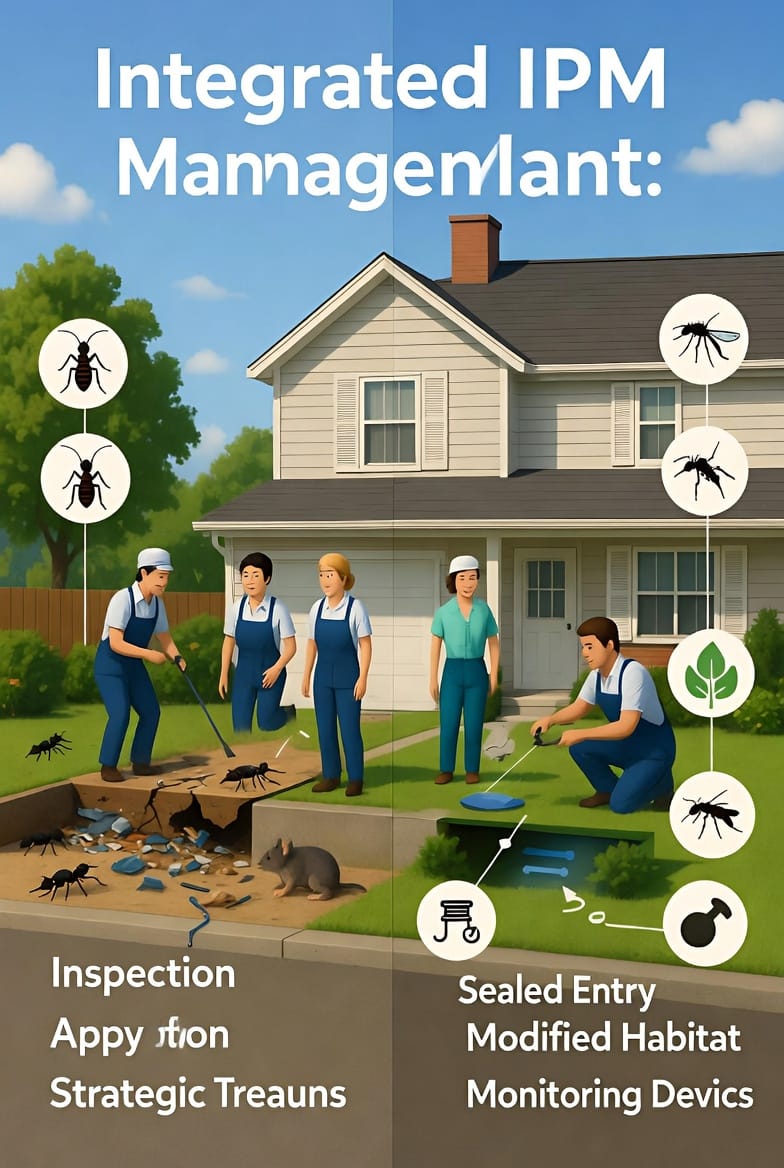
As a homeowner, maintaining a pest-free environment isn't just about reacting to invasions—it's about taking charge with a smart, sustainable approach. Integrated Pest Management (IPM) empowers you to protect your home proactively, minimizing risks to your family, pets, and the environment. This comprehensive guide will walk you through the core principles of IPM, equipping you with the knowledge to implement effective strategies. Whether you're dealing with common nuisances like ants or more persistent issues like rodents, understanding IPM can transform how you safeguard your living space.
Secure Your Home Year-Round – Call Our Specialists
IPM is more than a buzzword; it's a science-backed methodology that emphasizes long-term prevention over quick fixes. By focusing on inspection, prevention, identification, and control, you can reduce reliance on chemicals and foster a healthier home. Let's dive into these principles and explore practical techniques like exclusion, habitat modification, and judicious treatment use. Rest assured, with IPM, you're not alone in this battle—it's a manageable, empowering process.
Understanding the Foundations of IPM
At its heart, Integrated Pest Management is a holistic strategy that integrates multiple tactics to manage pests effectively. Developed from agricultural practices and adapted for residential use, IPM prioritizes the least harmful methods first, escalating only when necessary. This approach not only controls pests but also prevents future outbreaks, saving you time and money in the long run.
Why choose IPM? Traditional pest control often relies heavily on pesticides, which can pose health risks if overused. In contrast, IPM promotes environmental stewardship and safety. For instance, by identifying pests accurately, you avoid unnecessary treatments that could harm beneficial insects like bees or ladybugs. As a proactive homeowner, adopting IPM means you're investing in a resilient home ecosystem.
Key benefits include:
- Reduced Chemical Exposure: Minimize risks to children, pets, and wildlife.
- Cost-Effectiveness: Preventative measures are cheaper than repeated extermination.
- Sustainability: Supports biodiversity by targeting only problem pests.
- Peace of Mind: Knowing your home is protected through informed, strategic actions.
Transitioning to IPM starts with education. Familiarize yourself with common household pests and their behaviors to stay one step ahead.
The Core Principle: Inspection
The first pillar of IPM is thorough inspection. This involves regularly examining your home and yard for signs of pest activity. Think of it as a routine health check-up for your property—early detection prevents minor issues from escalating into major infestations.
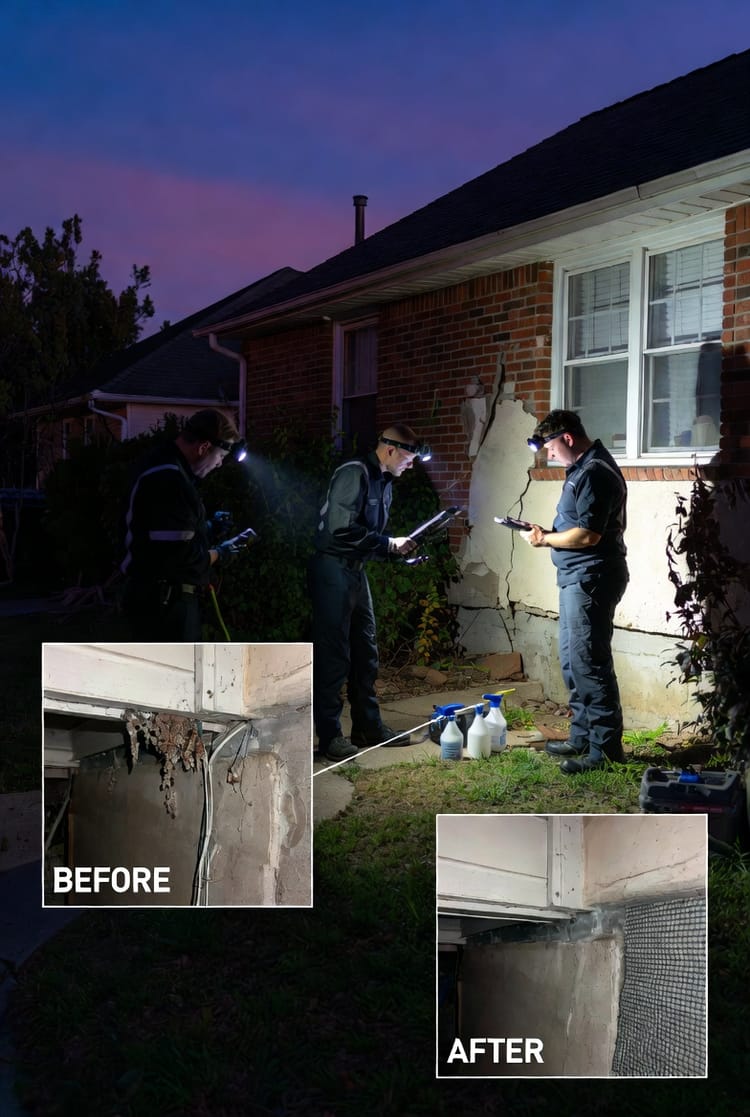
Begin indoors by checking kitchens, bathrooms, and basements, where moisture and food attract pests. Look for droppings, gnaw marks, or unusual odors. Outdoors, inspect foundations, eaves, and landscaping. Use tools like flashlights and magnifying glasses for detailed scrutiny.
To make inspections effective:
- Schedule Regularly: Aim for monthly checks, increasing frequency during peak pest seasons.
- Document Findings: Keep a log of observations to track patterns over time.
- Involve the Family: Teach household members to report suspicious signs promptly.
Remember, inspection isn't a one-time task; it's an ongoing commitment. By staying vigilant, you can address vulnerabilities before pests exploit them.
Prevention: Building a Pest-Resistant Home
Prevention is the cornerstone of IPM, focusing on making your home inhospitable to pests. This proactive step reduces the need for interventions later, creating a barrier against unwanted visitors.
Start with basic hygiene: Keep counters clean, store food in sealed containers, and manage waste properly. Clutter provides hiding spots, so declutter regularly. Outdoors, maintain your yard by trimming vegetation away from the house and ensuring proper drainage to eliminate standing water.
Advanced prevention includes:
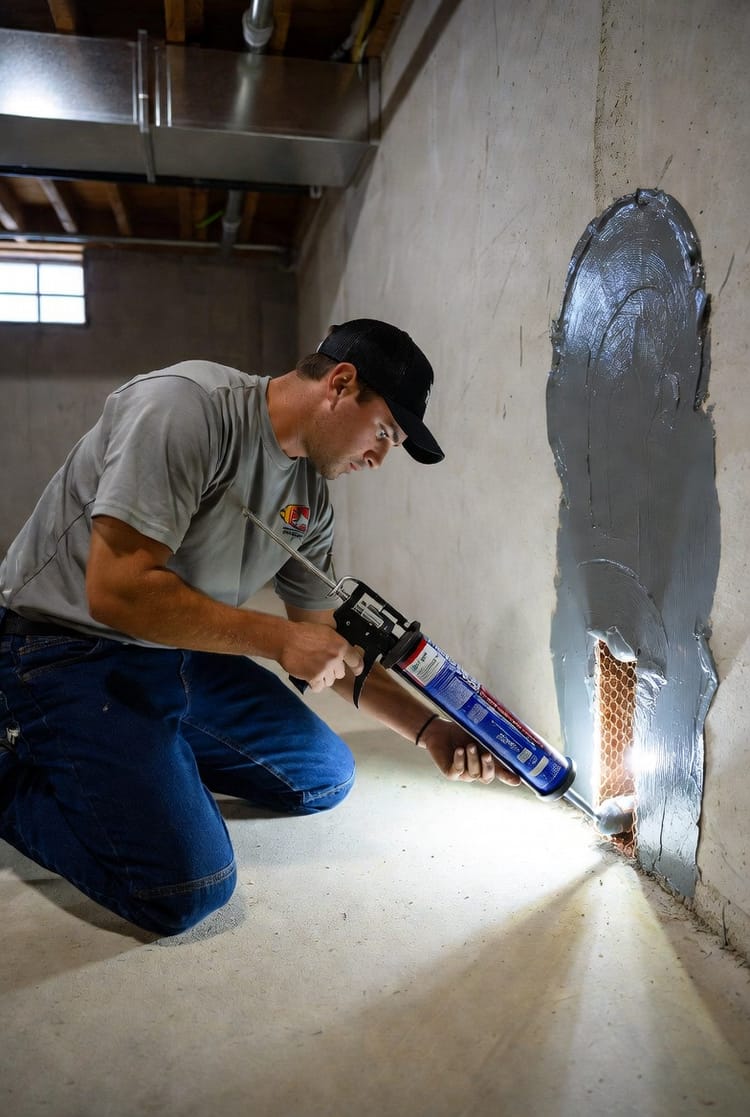
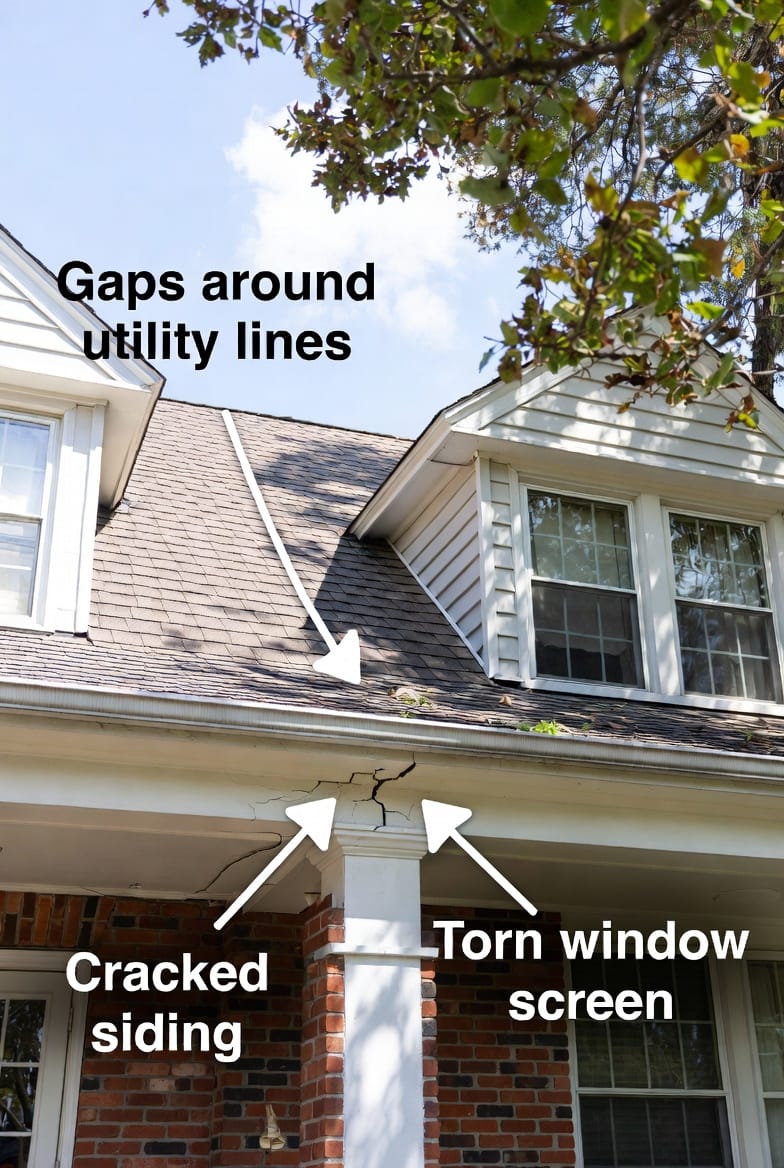
- Sealing Cracks and Gaps: Use caulk or weatherstripping around windows and doors.
- Installing Screens: Repair or replace damaged window and door screens.
- Managing Moisture: Fix leaks and use dehumidifiers in damp areas.
By prioritizing prevention, you're not just reacting—you're fortifying your home against future threats. This approach is reassuringly simple yet powerfully effective.
Identification: Knowing Your Enemy
Accurate identification is crucial in IPM, as it ensures you target the right pest with the appropriate method. Misidentification can lead to ineffective treatments and wasted resources.
Learn to distinguish between similar pests. For example, carpenter ants damage wood like termites but have different behaviors. Use resources like field guides or apps (though we're keeping this guide self-contained) to build your knowledge.
Steps for proper identification:
- Observe Behavior: Note where and when the pest appears.
- Examine Physical Traits: Look at size, color, and markings.
- Monitor Damage: Identify specific signs, like webbing for spiders or trails for ants.
Once identified, you can tailor your response. For instance, knowing mosquitoes breed in water allows you to eliminate sources preemptively. This knowledge empowers you to act confidently and precisely.
Control: Strategic and Targeted Interventions
When prevention and identification aren't enough, control comes into play. IPM advocates for the least toxic options first, reserving chemical treatments as a last resort.
Non-chemical controls include traps, vacuums, and natural predators. For example, introduce beneficial nematodes to combat soil-dwelling pests. If chemicals are needed, opt for targeted applications like baits over broad sprays.
Effective control strategies:
- Mechanical Methods: Use barriers or manual removal for immediate results.
- Biological Controls: Encourage natural enemies like birds or predatory insects.
- Chemical Options: Choose low-toxicity products applied judiciously.
Always follow label instructions and consider environmental impact. With IPM, control is about balance—eradicating pests without disrupting your home's harmony.
Exclusion Techniques: Keeping Pests Out
Exclusion is a key prevention tactic, physically blocking pests from entering your home. This method is durable and reduces reliance on other controls.
Common exclusion practices:
- Door Sweeps and Thresholds: Install to seal gaps under doors.
- Chimney Caps and Vent Covers: Prevent entry from above.
- Foundation Repairs: Fill cracks with appropriate materials.
For attics and crawl spaces, use mesh screens over vents. Regularly inspect and maintain these barriers to ensure longevity. Exclusion not only deters pests but also improves energy efficiency, adding value to your home.
Habitat Modification: Altering the Environment
Habitat modification involves changing your property's conditions to make it less appealing to pests. This eco-friendly technique addresses root causes rather than symptoms.
Indoors, reduce humidity with ventilation and fix plumbing issues. Outdoors, remove debris piles, mulch properly (keeping it away from foundations), and plant pest-resistant species.
Practical modifications:
- Landscaping Choices: Opt for native plants that attract fewer pests.
- Lighting Adjustments: Use yellow bulbs to deter flying insects.
- Storage Solutions: Elevate firewood and store it away from the house.
These changes create an unfavorable environment for pests, promoting natural deterrence. It's a reassuring way to enhance your home's defenses sustainably.
Strategic Use of Treatments
When treatments are necessary, IPM emphasizes strategic use—applying them thoughtfully to maximize efficacy while minimizing harm.
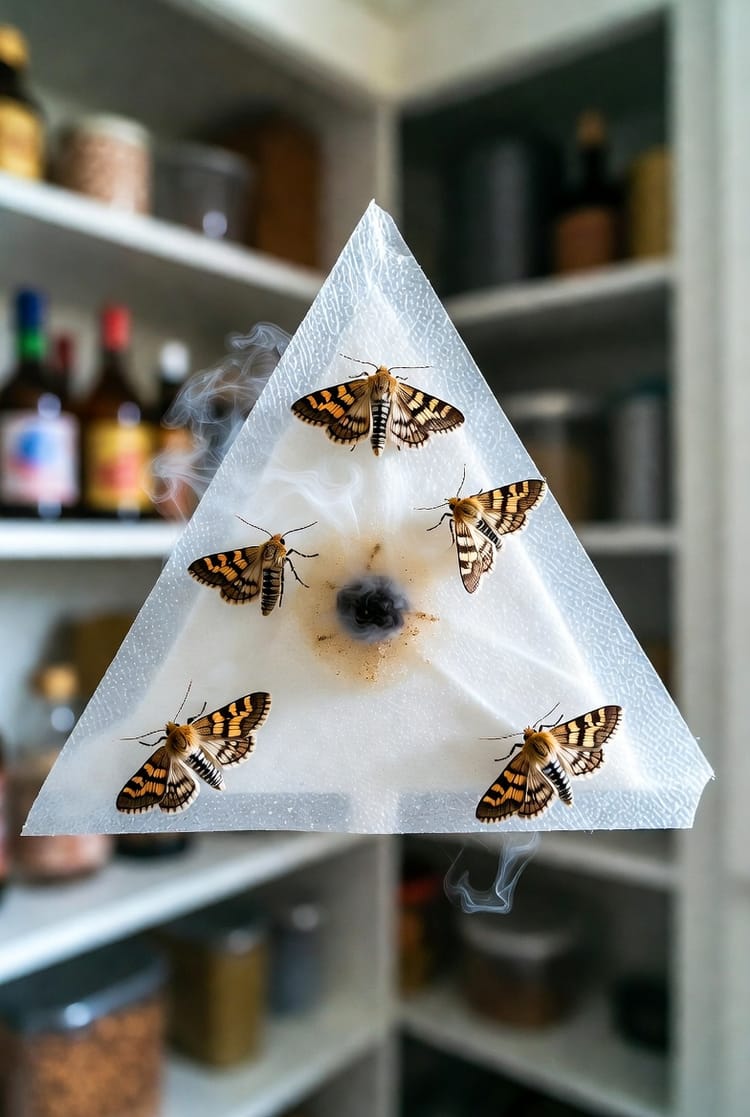
Prioritize integrated tactics: Combine baits with monitoring for ants, or use pheromones to disrupt mating cycles in moths. Rotate treatments to prevent resistance.
Guidelines for safe application:
- Target Specific Areas: Apply only where pests are active.
- Timing Matters: Treat during vulnerable life stages, like egg-laying.
- Monitor Effectiveness: Adjust based on results to avoid overuse.
By using treatments strategically, you ensure they're a tool, not a crutch, in your IPM arsenal.
Implementing IPM in Different Seasons
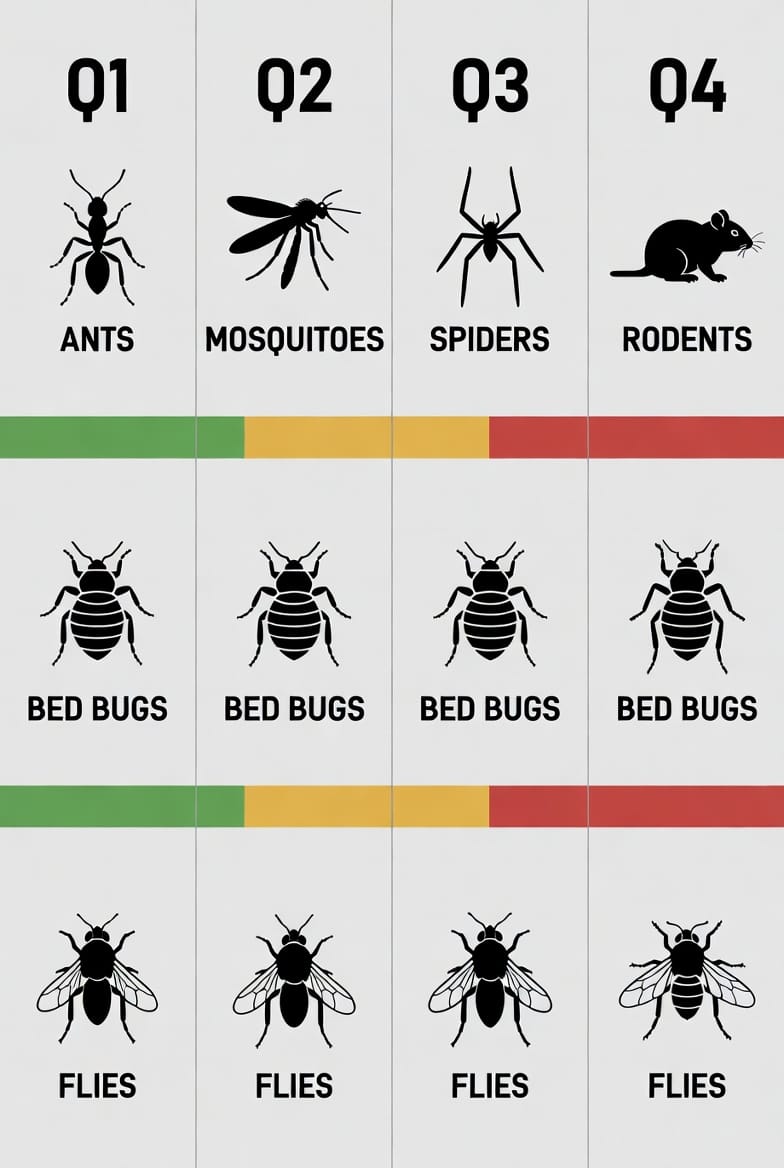
Pests vary by season, so adapt your IPM plan accordingly. Spring brings ants and termites; summer, mosquitoes; fall, rodents seeking shelter; winter, spiders indoors.
Seasonal tips:
- Spring: Focus on exclusion after winter wear.
- Summer: Eliminate breeding sites for flying pests.
- Fall: Seal entry points before cold drives pests inside.
- Winter: Inspect for hidden infestations.
This cyclical approach keeps your home protected year-round.
Common Pests and IPM Responses
Let's apply IPM to frequent invaders.
- Ants: Identify trails, seal entries, use baits sparingly.
- Mosquitoes: Remove standing water, install screens.
- Rodents: Trap and exclude, modify habitats by securing food.
- Spiders: Vacuum webs, reduce insect prey through prevention.
Tailoring IPM to specific pests ensures targeted success.
Overcoming Challenges in IPM Adoption
New to IPM? Common hurdles include time investment and initial learning curves. Overcome them by starting small—focus on one area, like the kitchen—and build from there.
Seek professional advice if needed, but remember, IPM empowers you to handle most issues independently. Persistence pays off with a pest-resilient home.
Long-Term Benefits and Maintenance
Sustaining IPM yields lasting rewards: fewer pests, lower costs, and a safer environment. Maintain by reviewing your plan annually and adapting to changes like new landscaping.
Embrace IPM as a lifestyle—proactive, informed, and effective.
Tailored Pest Prevention Strategy – Call Us Today