The Pressure Regulator Valve: Why Your Home Needs One and How to Know When It's Failing
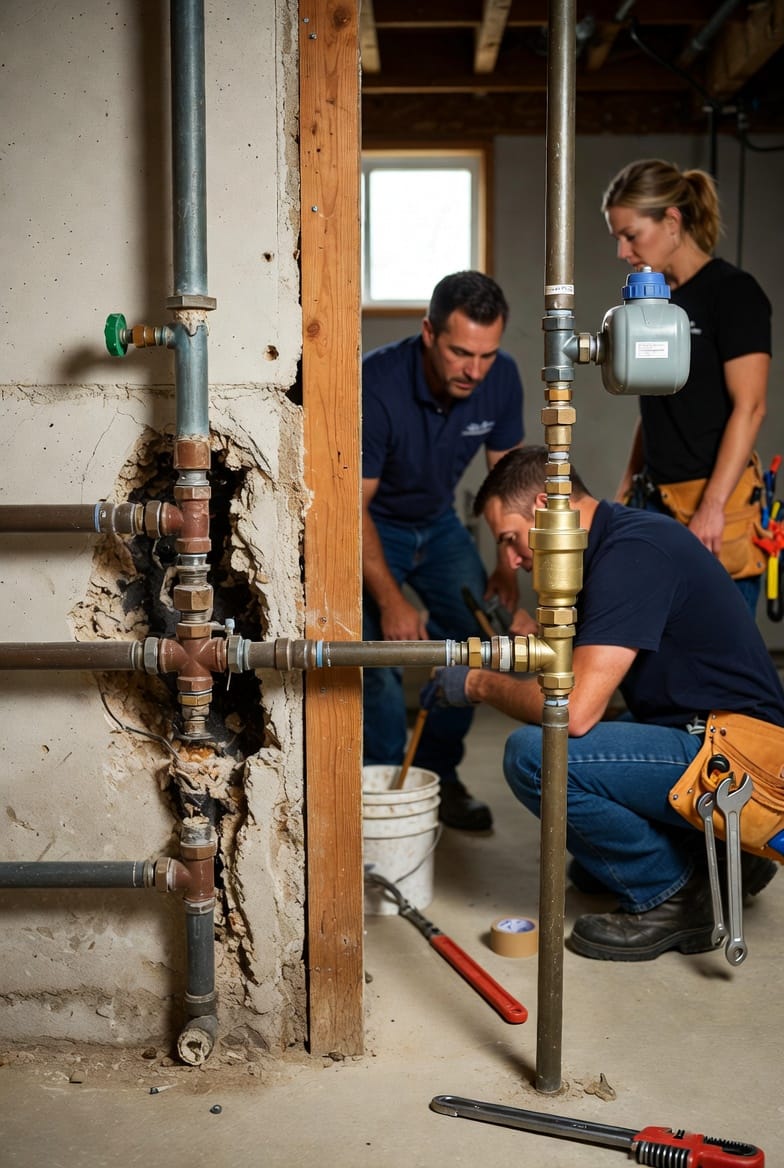
In the world of home plumbing, few components are as essential yet often overlooked as the pressure regulator valve (PRV). This unassuming device plays a critical role in safeguarding your pipes, fixtures, and appliances from the potentially damaging effects of high water pressure. If you've ever experienced mysterious leaks, noisy pipes, or unexpectedly high water bills, your PRV might be the culprit—or the hero you didn't know you needed. In this comprehensive guide, we'll explore what a PRV does, why it's vital for your home, signs that it may be failing, and key considerations for replacement. Rest assured, understanding and maintaining this valve can prevent costly repairs and ensure a smooth, efficient plumbing system for years to come.
Stop Water Hammer & Leaks – Call Now for PRV Service
Understanding the Function of a Pressure Regulator Valve
At its core, the pressure regulator valve is a mechanical safeguard designed to control the water pressure entering your home from the municipal supply. Municipal water systems often deliver water at high pressures—sometimes exceeding 100 PSI (pounds per square inch)—to account for elevation changes, distance from the source, and peak demand across neighborhoods. However, this high pressure isn't ideal for residential use, where most fixtures and appliances are rated for 40-80 PSI.
The PRV works by automatically adjusting the incoming pressure to a safer, more consistent level, typically around 50-60 PSI. Installed on your main water line, usually near the water meter or where the supply enters your home, it acts as a gatekeeper. Inside the valve, a spring-loaded diaphragm responds to pressure fluctuations: when incoming pressure surges, the diaphragm compresses to restrict flow; when it drops, it relaxes to allow more water through. This dynamic balancing act maintains steady downstream pressure, protecting your entire plumbing network.
Without a PRV, excessive pressure can stress pipes, leading to premature wear, leaks, and even bursts. Modern homes in areas with high municipal pressure are often required by building codes to have one installed, but older properties might lack this protection. By reducing pressure to safe levels, the PRV not only extends the lifespan of your plumbing but also improves water efficiency, potentially lowering your utility bills. It's a simple yet powerful tool that brings peace of mind to homeowners everywhere.
Why Your Home Absolutely Needs a Pressure Regulator Valve
High water pressure might seem like a good thing—stronger showers, faster-filling sinks—but it comes with hidden risks that can turn into expensive headaches. Here's why installing or maintaining a PRV is non-negotiable for most households:
- Protects Pipes and Joints: Constant high pressure weakens pipe materials over time, causing cracks, leaks, and corrosion. A PRV prevents this by keeping pressure within safe limits, reducing the likelihood of emergency repairs.
- Safeguards Appliances: Dishwashers, washing machines, and water heaters are vulnerable to pressure spikes. Without regulation, seals and valves inside these appliances can fail prematurely, leading to malfunctions or complete breakdowns.
- Enhances Fixture Longevity: Faucets, showerheads, and toilets endure daily use. High pressure accelerates wear on O-rings, washers, and aerators, resulting in drips and inefficiency. A well-functioning PRV ensures these components last longer.
- Improves Water Conservation: Lower, consistent pressure means less water wasted through leaks or overuse. This can translate to noticeable savings on your monthly water bill, especially in larger homes.
In regions with naturally high municipal pressure, such as hilly areas or urban centers, a PRV isn't just recommended—it's essential. Homeowners who invest in this valve report fewer plumbing issues and greater overall system reliability. If your home doesn't have one, consulting a professional plumber can confirm whether installation is needed, tailored to your specific water supply conditions.
Recognizing the Signs of a Failing Pressure Regulator Valve
Like any mechanical device, a PRV can wear out over time due to sediment buildup, corrosion, or component fatigue. The good news is that failure doesn't happen overnight; there are clear warning signs to watch for. Catching these early can save you from major damage. Here's what to look out for:
- Water Hammer: This is the loud banging or thudding noise in your pipes when you turn off a faucet quickly. It occurs when high-pressure water suddenly stops, creating shock waves. A failing PRV can't regulate these surges, exacerbating the problem and potentially loosening pipe fittings.
- Fluctuating Water Pressure: If your shower goes from a gentle stream to a forceful blast unpredictably, or if pressure varies between floors, your PRV may be stuck or malfunctioning. Consistent pressure is its primary job, so inconsistencies are a red flag.
- High Utility Bills: An unexpected spike in water usage could indicate leaks caused by unregulated pressure. Even small, hidden leaks add up quickly. Monitor your bills—if they're rising without increased household use, test your pressure.
- Visible Leaks or Drips: Check around faucets, toilets, and appliances for persistent drips. High pressure forces water through weak spots, and a faulty PRV won't mitigate this.
- Noisy Plumbing System: Beyond water hammer, you might hear humming or vibrating pipes, signaling pressure imbalances.
If you notice any of these symptoms, don't panic. A simple pressure test using a gauge attached to an outdoor spigot can reveal if levels are above 80 PSI, pointing to PRV issues. Regular inspections, ideally every few years, can keep things in check.
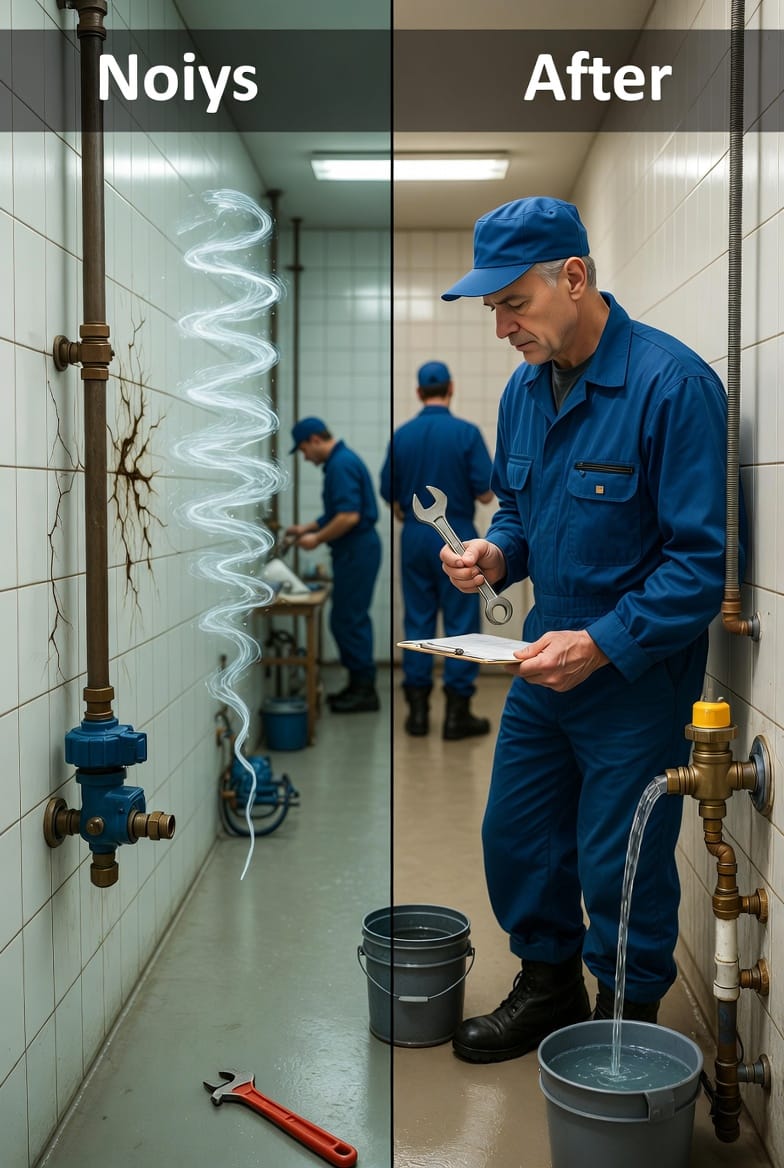
How High Municipal Water Pressure Affects Your Home
Municipal water pressure is engineered for distribution efficiency, not household comfort. Pressures can range from 80-150 PSI or higher, depending on your location. While this ensures water reaches every tap in the city, it spells trouble for your home's internal system.
High pressure accelerates erosion in copper or PVC pipes, leading to pinhole leaks that are hard to detect until they cause water damage. It also strains expansion tanks in water heaters, increasing energy consumption as the system works harder. In extreme cases, it can void warranties on appliances, leaving you footing the bill for replacements.
A PRV steps in by throttling this force, converting chaotic high pressure into a controlled flow. This reduction not only prevents damage but also promotes even water distribution throughout your home. For instance, in multi-story houses, it ensures upstairs bathrooms aren't starved of pressure while downstairs ones aren't overwhelmed. By addressing this at the source, you're proactively maintaining your home's value and avoiding the stress of sudden failures.
When and How to Consider Replacing Your Pressure Regulator Valve
PRVs typically last 10-15 years, but factors like water quality (hard water with minerals) can shorten this lifespan. If your valve is outdated or showing signs of failure, replacement is straightforward and worthwhile.
Key Replacement Considerations:
- Assessment First: Have a licensed plumber measure your incoming pressure. If it's consistently over 80 PSI, adjustment might suffice if the valve is adjustable. Otherwise, a full replacement ensures long-term protection.
- Choosing the Right Valve: Opt for a high-quality brass or stainless steel model rated for your home's size and pressure needs. Look for features like built-in strainers to filter debris, which can extend the valve's life.
- Installation Details: Replacement involves shutting off the main water supply, removing the old valve, and fitting the new one. It's a job best left to professionals to avoid leaks or improper calibration. Costs range from $200-500, including labor, but the investment pays off in prevented damages.
- Maintenance Tips: After installation, schedule annual checks. Flush the system periodically to remove sediment, and consider a whole-house water filter if your area has poor water quality.
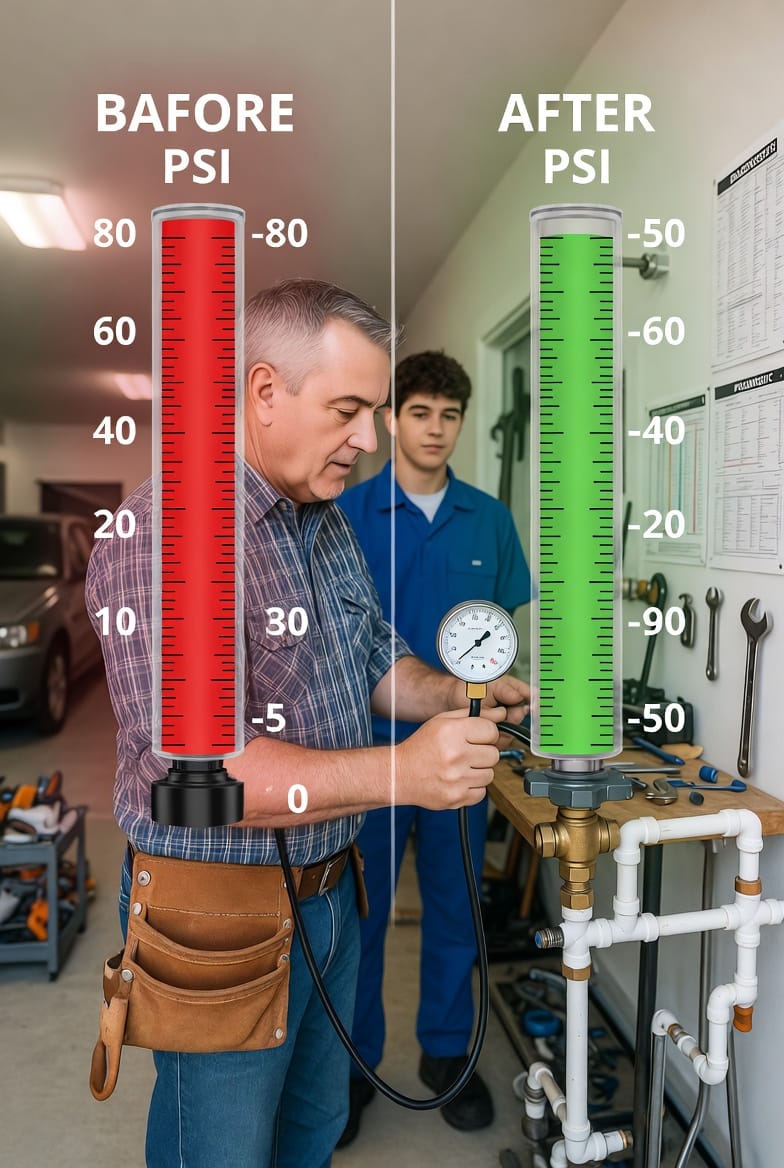
Replacing a PRV is a proactive step that restores balance to your plumbing. Many homeowners notice immediate improvements in water flow and reduced noise, reaffirming the valve's importance.
Long-Term Benefits and Preventive Measures
Beyond immediate fixes, a reliable PRV contributes to your home's overall health. It minimizes the risk of mold from undetected leaks, preserves energy efficiency in hot water systems, and even enhances the performance of irrigation systems if you have a yard.
To stay ahead:
- Monitor pressure seasonally, as temperature changes can affect municipal supplies.
- Educate your family on gentle faucet use to avoid unnecessary stress.
- Integrate PRV checks into your home maintenance routine, alongside HVAC and electrical inspections.
With these steps, you're not just reacting to problems—you're preventing them, ensuring your home remains a safe, comfortable haven.
In conclusion, the pressure regulator valve is your home's silent guardian against the perils of high water pressure. By understanding its function, spotting failure signs early, and considering timely replacement, you can avoid disruptions and expenses. Don't wait for a plumbing crisis—protect your pipes and appliances from high pressure today.
Prevent Costly Plumbing Damage – Call for Expert Help