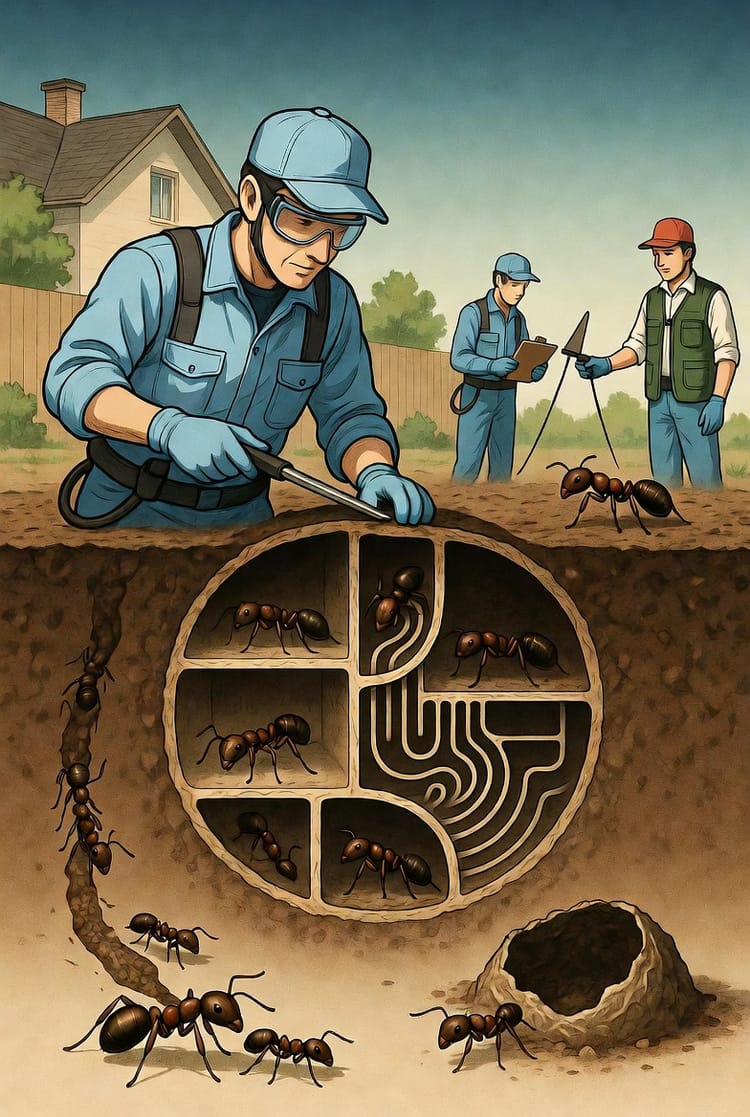
The Pheromone Strategy: Using Insect Communication Against Them for Targeted Control
In the evolving field of modern pest control, scientists and professionals are increasingly turning to nature's own language to outsmart pests. Insects rely heavily on chemical communication through pheromones — volatile compounds that trigger specific behaviors like mating, aggregation, or alarm responses. By synthesizing precise replicas of these natural signals, experts can now target pests at their most vulnerable point: reproduction. This approach, known as the pheromone strategy, represents a cornerstone of integrated pest management (IPM), delivering highly effective, environmentally responsible solutions for common household invaders such as pantry moths, certain beetles, and even some wasps.
End Infestations Without Harsh Chemicals – Call Now
This method stands out for its precision. Unlike broad-spectrum pesticides that affect non-target organisms, pheromone-based tactics focus exclusively on the pest species, minimizing risks to beneficial insects, pets, humans, and the environment.
Understanding Insect Pheromones and Their Role in Behavior
Pheromones are species-specific chemical messengers. In many insects, females release sex pheromones to attract males over distances, often hundreds of meters in open environments. Males detect these traces through highly sensitive antennae, following gradients to locate potential mates.
Synthetic versions of these pheromones — engineered in laboratories to match the exact molecular structure — allow pest control specialists to hijack this system. The three primary applications include:
- Monitoring: Low-dose pheromone lures in traps detect early infestations, providing data on population levels and activity patterns.
- Mass trapping: Higher concentrations attract and capture large numbers of males, directly reducing breeding potential.
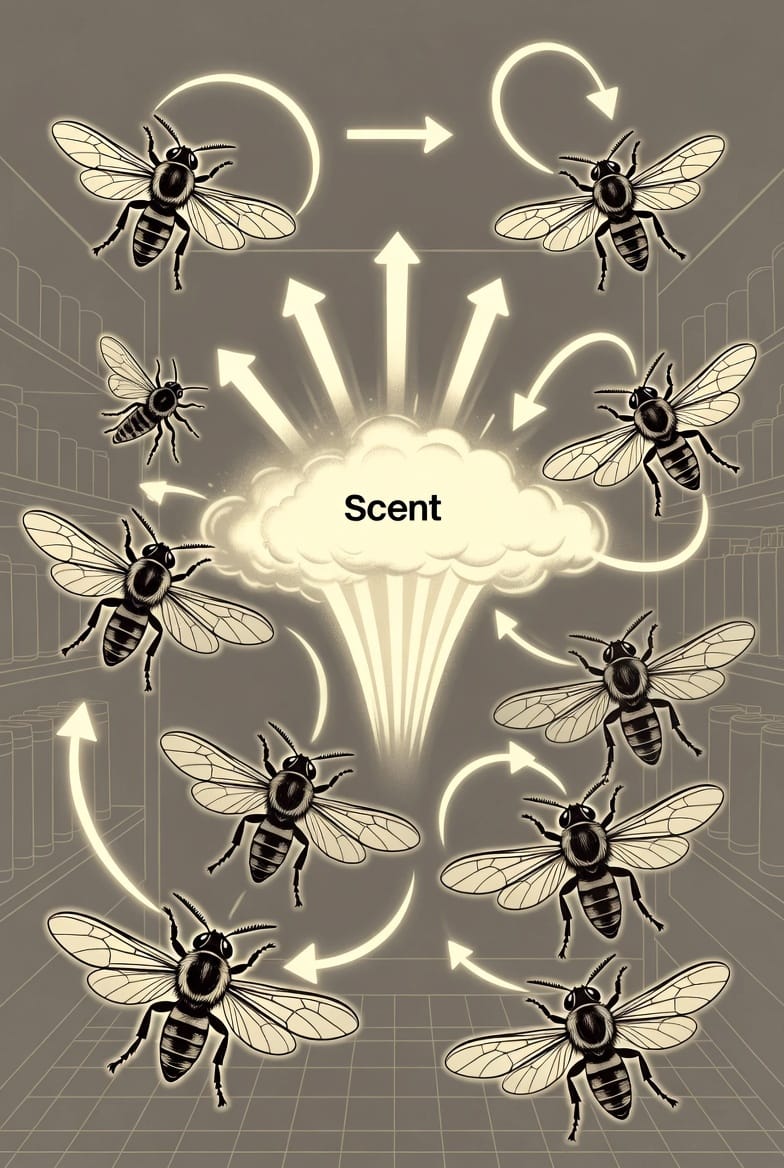
- Mating disruption: Saturation of the area with synthetic pheromones creates a pervasive "scent cloud," overwhelming males' ability to locate females and preventing successful reproduction.
These techniques are particularly valuable in sensitive areas like homes, food storage spaces, and warehouses, where chemical residues must be avoided.
Monitoring: The First Line of Defense
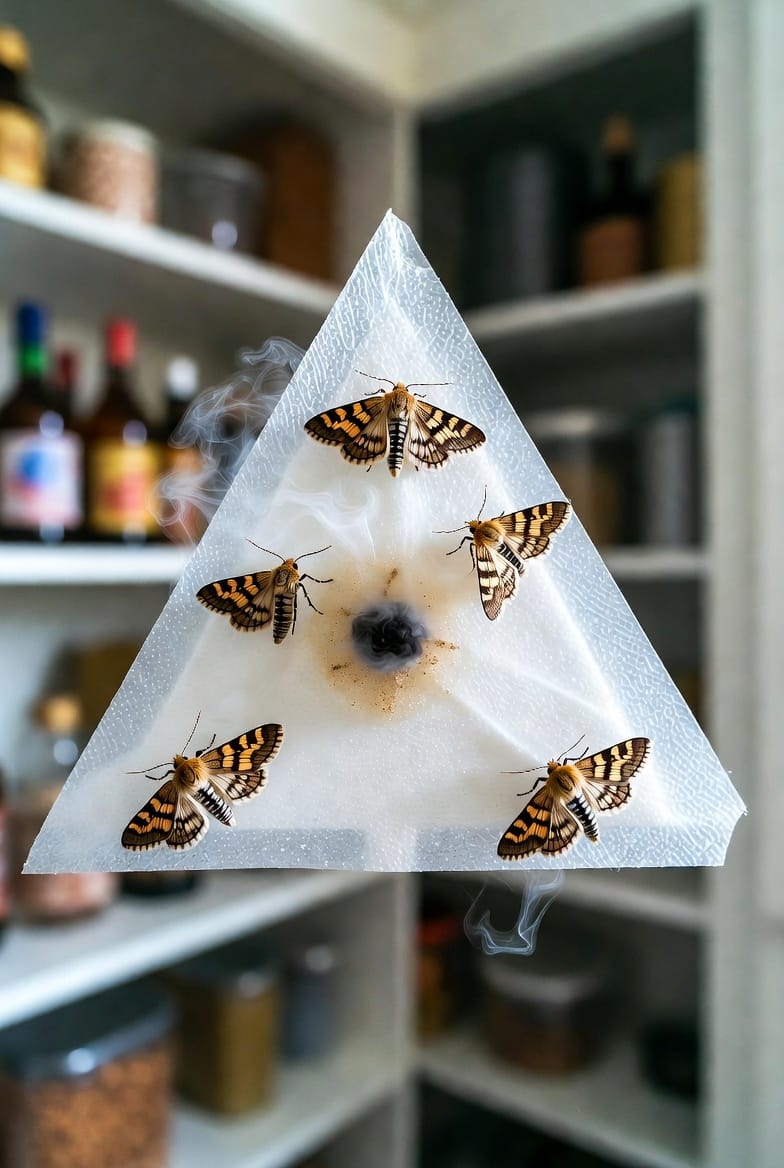
Early detection is key to preventing full-blown infestations. Pheromone traps serve as silent sentinels. For pantry moths (such as the Indian meal moth, Plodia interpunctella), a small lure mimics the female's calling signal. Male moths fly toward it and become stuck on adhesive surfaces.
Regular inspection of these traps reveals infestation hotspots and trends over time. This data-driven approach enables targeted interventions before larvae contaminate food supplies. Similar traps work effectively for cigarette beetles (Lasioderma serricorne), where aggregation and sex pheromones draw in both sexes for accurate population assessment.
Monitoring empowers proactive control, reducing the need for reactive treatments and supporting long-term pest suppression.
Mass Trapping: Reducing Populations Directly
In mass trapping, pheromone lures are combined with high-capacity traps to capture significant numbers of insects. This method excels against pests like certain beetles that respond strongly to aggregation pheromones, drawing both males and females into traps.
For pantry environments, mass trapping complements sanitation efforts by physically removing reproductively active adults. Over time, this lowers overall population density, breaking the pest lifecycle without widespread chemical application.
While highly effective in contained spaces, success depends on proper trap placement, density, and maintenance to avoid saturation.
Mating Disruption: The Ultimate Reproductive Block
Mating disruption stands as one of the most innovative applications. By releasing controlled amounts of synthetic sex pheromones — often via dispensers or microencapsulated formulations — the environment becomes saturated with female-like signals.
Males experience sensory overload, unable to distinguish genuine female calls amid the background noise. This "camouflage" effect drastically reduces mating success, leading to fewer eggs and declining populations across generations.
This technique has proven particularly powerful for pantry moths in food-handling settings. In enclosed areas, sustained release maintains effective concentrations, suppressing reproduction without direct contact or residues.
For certain wasps (such as paper wasps in structural infestations), analogous strategies using alarm or aggregation pheromones can deter nesting or attract individuals to traps, though sex pheromone disruption remains more established for moths and beetles.
The beauty of mating disruption lies in its sustainability: pests do not develop resistance easily, as the method exploits innate biological behaviors rather than toxic mechanisms.
Why Pheromone Strategies Minimize Broad-Spectrum Pesticide Use
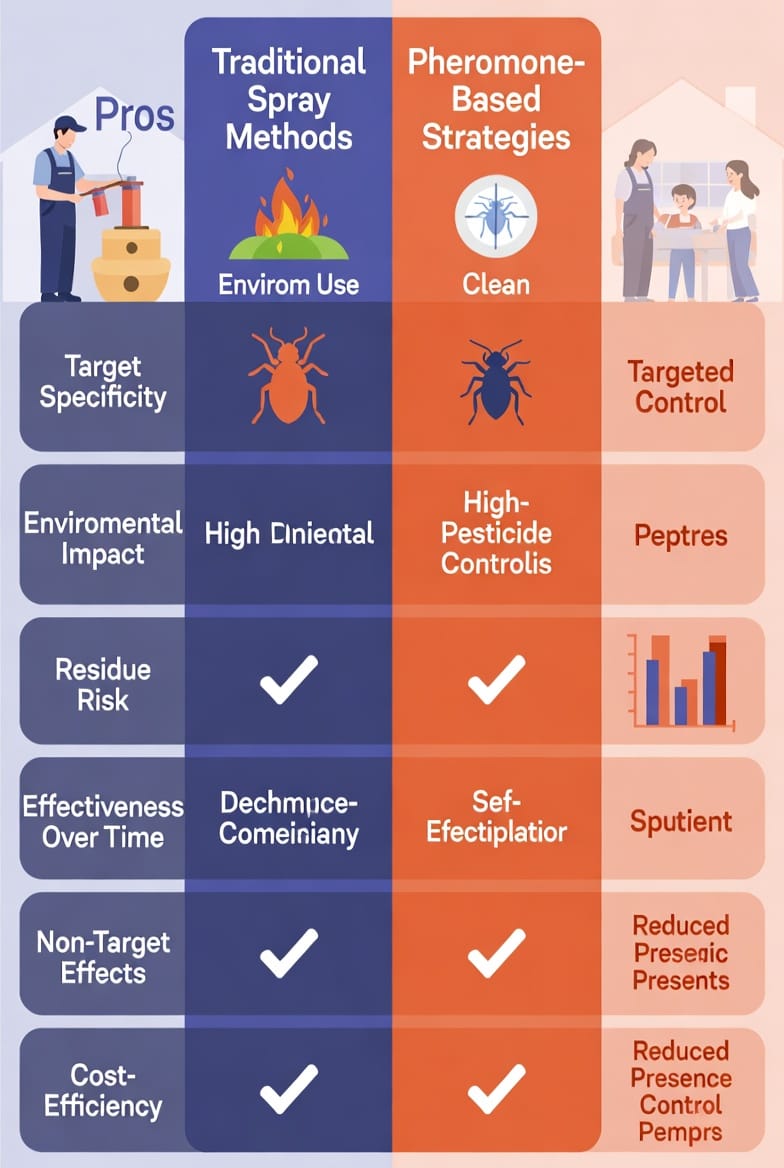
Traditional spray methods often rely on broad-spectrum insecticides that kill indiscriminately, posing risks to pollinators, wildlife, and human health. In contrast, pheromone-based control offers:
- Species specificity: Targets only the intended pest.
- Reduced chemical load: Eliminates or drastically cuts pesticide applications.
- Environmental safety: Non-toxic to non-target organisms.
- Resistance management: Complements other IPM tools without promoting insecticide resistance.
- Residue-free protection: Ideal for homes, kitchens, and food storage.
Studies in integrated pest management demonstrate that combining pheromone tactics with cultural practices (like sanitation and exclusion) yields superior long-term results compared to reliance on sprays alone.
Real-World Benefits and Implementation
In residential and commercial settings, pheromone strategies deliver reassuring results. Homeowners dealing with recurring pantry moth issues often see dramatic declines after implementing monitoring traps followed by mating disruption dispensers. Food facilities achieve compliance with strict regulations through residue-free approaches that maintain product integrity.
Professional application ensures optimal results: correct lure placement, timing based on pest biology, and integration with sanitation protocols.
Key advantages include peace of mind from reduced chemical exposure, long-lasting suppression, and alignment with sustainable practices.
Embracing Science-Driven Solutions
The pheromone strategy transforms pest control from reactive chemical warfare to intelligent, biology-based intervention. By leveraging insects' own communication systems against them, we achieve precise, effective management with minimal ecological footprint.
This targeted approach not only controls pests like pantry moths, beetles, and wasps but also safeguards health, homes, and the environment for the long term.
Ask About Pheromone Strategies for Your Home – Cal