The Parts Predicament: Navigating Appliance Repair in an Era of Planned Obsolescence and Discontinued Components
In today's fast-paced world of consumer goods, appliance repair has become a complex puzzle for homeowners. Appliances that once promised longevity now face the harsh reality of planned obsolescence—a design strategy where products are intentionally made to have a limited lifespan, encouraging frequent replacements. This article dives deep into the challenges of sourcing parts for appliances aged 7-10 years, explores manufacturer support cycles, weighs the pros and cons of aftermarket options, and highlights how expert technicians can retrofit or refurbish components to breathe new life into your trusted machines. With a reassuring hand, we'll guide you through this parts predicament, empowering you to make informed decisions that save money and reduce waste.
Revive Your Appliance – Call Our Technicians!
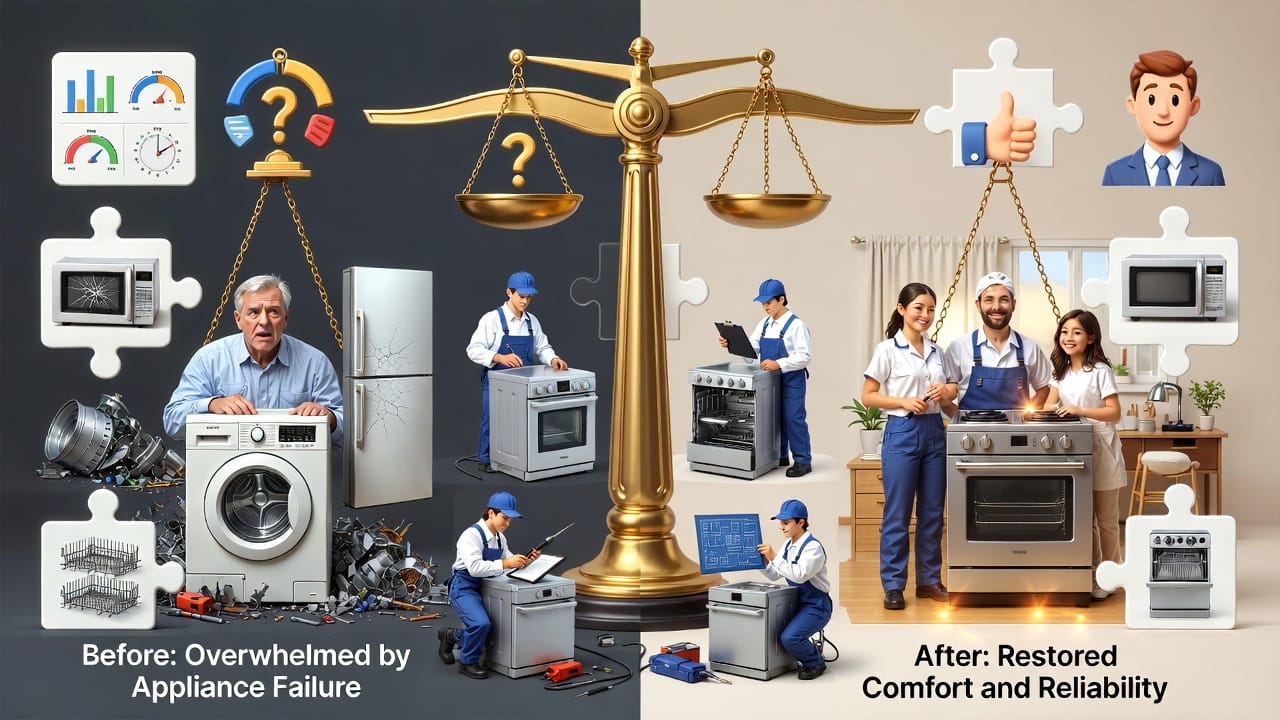
Understanding Planned Obsolescence in Appliances
Planned obsolescence isn't a new concept, but its impact on household appliances has intensified in recent decades. Manufacturers design products with built-in expiration dates, often through software updates, material choices, or proprietary parts that become scarce after a few years. For instance, a refrigerator bought in 2016 might start showing issues by 2023, only to discover that key components like compressors or control boards are no longer available (NLA) from the original maker.
Why does this happen? Economic incentives drive it. Companies prioritize sales of newer, energy-efficient models over sustaining older ones. According to industry insights, the average lifespan of major appliances has dropped from 15-20 years in the 1990s to about 8-12 years today. This shift leaves homeowners frustrated, facing repair bills that rival the cost of new units.
- Economic Pressure: Brands focus on innovation to stay competitive, phasing out support for legacy models.
- Environmental Toll: Discarded appliances contribute to e-waste, with millions of tons ending up in landfills annually.
- Consumer Impact: Repair costs escalate when parts are discontinued, pushing many toward premature replacements.
Rest assured, you're not alone in this. Skilled professionals can often turn the tide, extending your appliance's life far beyond what manufacturers anticipate.
Manufacturer Support Cycles: What to Expect
Every appliance brand operates on a support cycle, a predefined period during which they guarantee parts availability and service. Typically, this window spans 7-10 years from the model's production date—not the purchase date, which catches many off guard.
For major players like Whirlpool, GE, or Samsung, the cycle might look like this:
- Initial Phase (Years 1-5): Full support with readily available OEM (Original Equipment Manufacturer) parts, often under warranty extensions.
- Transition Phase (Years 6-8): Parts become scarcer, with some components shifting to authorized distributors.
- End-of-Life Phase (Years 9+): Official support dwindles, labeling items as NLA.
This timeline isn't universal; luxury brands like Sub-Zero might extend support to 15 years, while budget options could cut off sooner. Checking your model's serial number against the manufacturer's database is a smart first step. If parts are NLA, don't despair—alternatives exist.
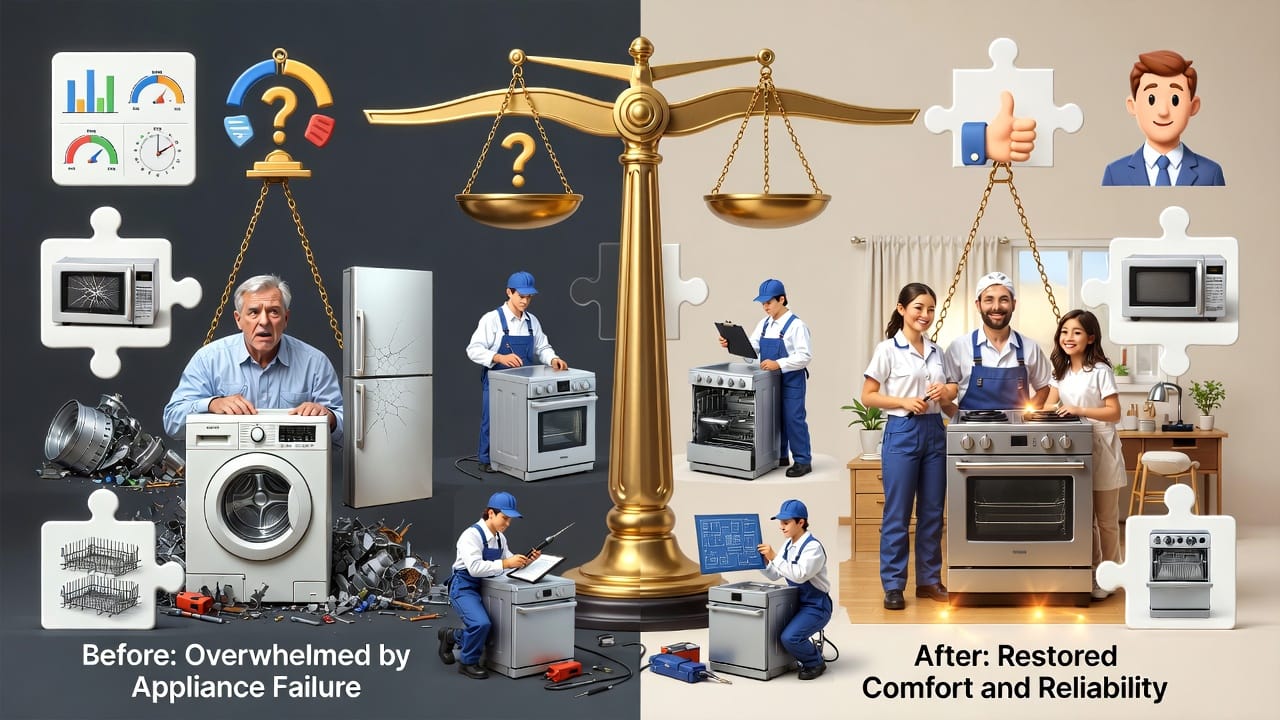
The Aftermarket Parts Landscape: OEM vs. Generic
When official parts vanish, the aftermarket steps in—a vast ecosystem of third-party suppliers offering alternatives. Here's how to navigate it wisely.
OEM Parts: These are identical to the originals, sourced from the same factories but often at a premium price. Pros include perfect fit and reliability; cons are higher costs and potential wait times if stock is low.
Generic or Compatible Parts: Produced by independent manufacturers, these are cost-effective replicas. Quality varies—reputable brands like Supco or ERP ensure durability, while cheap knockoffs might fail prematurely.
- Pros of Generics: Up to 50% cheaper, widely available online via platforms like Amazon or Parts Select.
- Cons and Risks: Compatibility issues could arise, voiding any remaining warranty. Always verify reviews and certifications.
- Quality Checks: Look for UL-listed components to ensure safety, especially for electrical parts.
In our experience, a blend works best: Use OEM for critical systems like heating elements in ovens, and generics for non-essential items like door seals. This approach balances cost and performance.
Retrofitting and Refurbishing: The Technician's Toolkit
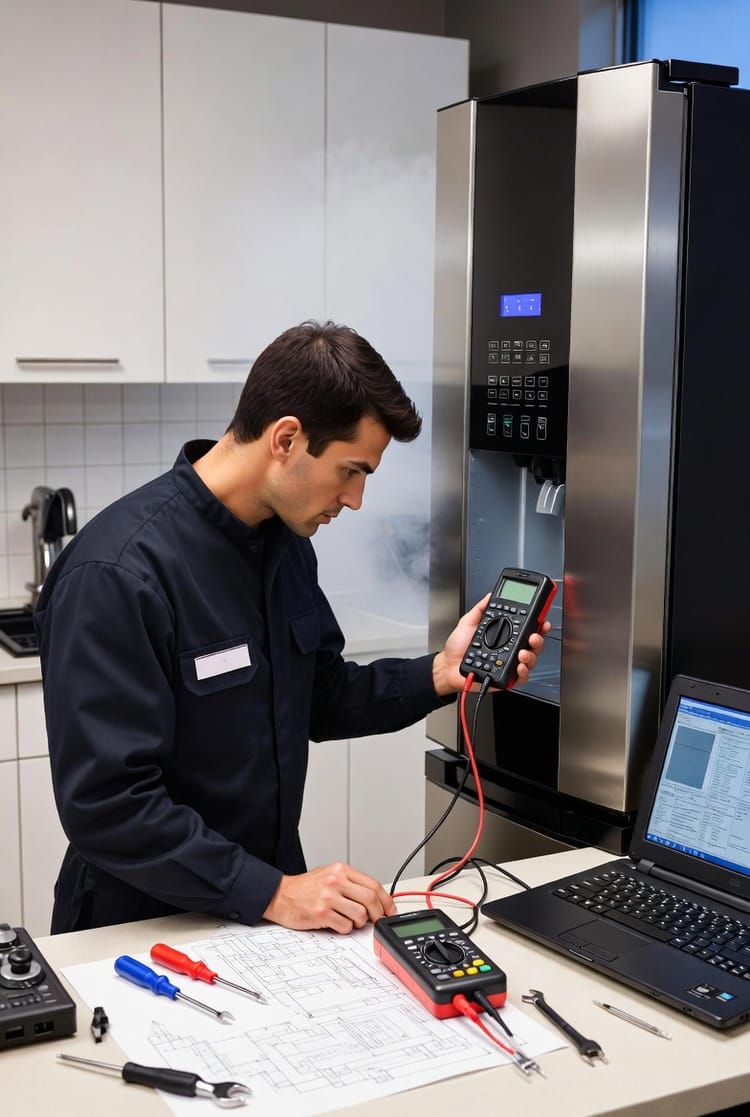
What if no direct replacement exists? Enter the art of retrofitting and refurbishing—creative solutions where technicians adapt or rebuild components. This isn't DIY territory; it requires expertise to avoid hazards like electrical shorts or refrigerant leaks.
For example, in a 9-year-old dishwasher with a discontinued pump, a pro might:
- Retrofit: Modify a similar part from a newer model, using adapters or custom wiring.
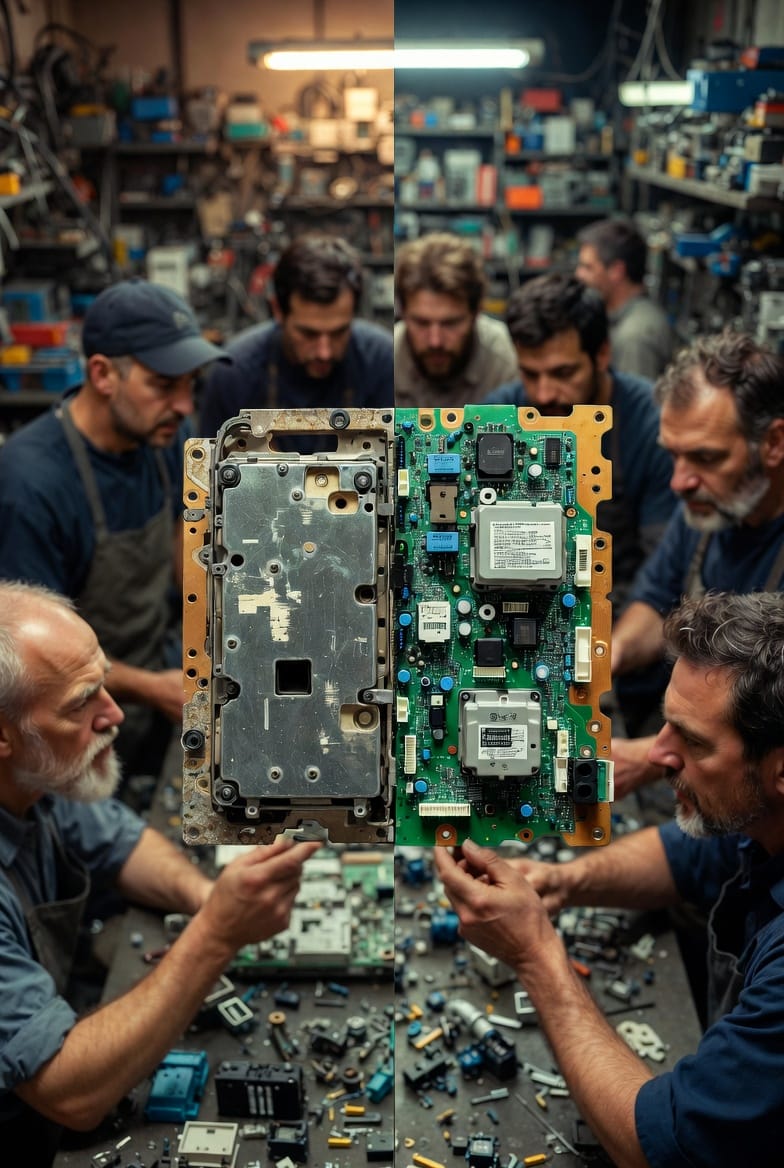
- Refurbish: Disassemble the faulty component, replace worn sub-parts (e.g., bearings), and reassemble for like-new function.
- Universal Upgrades: Install multi-compatible boards that work across brands, often with enhanced features like better energy efficiency.
Success stories abound. We've seen dryers from 2015 revived with refurbished motors, saving clients hundreds compared to new purchases. Safety is paramount—always ensure modifications comply with local codes.
Weighing Repair vs. Replacement: A Practical Guide
Faced with NLA parts, homeowners must decide: Repair or replace? Factors include the appliance's age, repair cost (aim for under 50% of new unit price), and energy savings from modern models.
- Cost Analysis: A $200 part plus labor might total $400, versus $800 for a new fridge.
- Efficiency Gains: Newer appliances use 20-30% less energy, offsetting costs over time.
- Sentimental Value: For heirloom items, repair preserves history.
If repair edges out, partner with technicians who source globally or use 3D-printed custom parts—an emerging trend in appliance repair innovation.
Environmental and Economic Benefits of Extending Appliance Life
Repairing beats replacing not just for your wallet but for the planet. Extending an appliance's life by 5 years can reduce your carbon footprint equivalent to planting 10 trees. Economically, it avoids the "upgrade trap" where minor issues lead to major expenditures.
Tips for longevity:
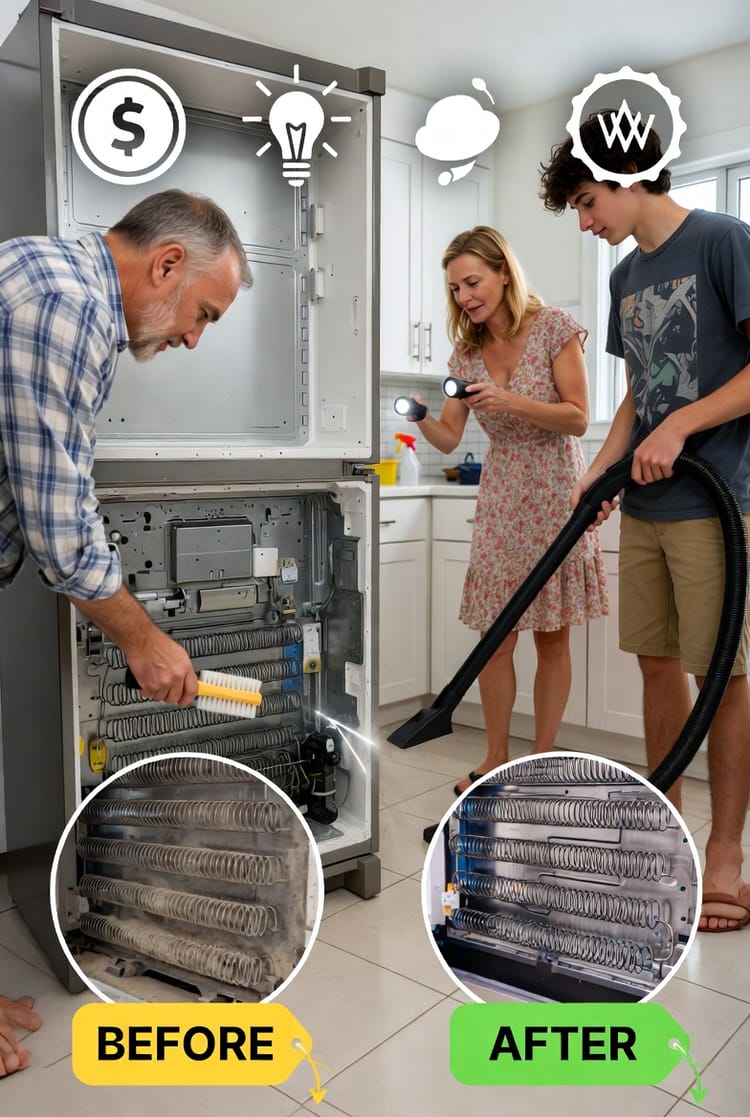
- Regular Maintenance: Clean filters, check seals annually.
- Smart Purchases: Opt for brands with longer support cycles.
- Warranty Wisdom: Extend coverage early.
Overcoming Common Pitfalls in Parts Sourcing
Beware scams: Fake parts sellers abound online. Stick to verified suppliers. Also, diagnostic accuracy matters—a misidentified issue wastes time and money. Professional diagnostics pinpoint problems swiftly.
Future-Proofing Your Appliances
Looking ahead, regulations like right-to-repair laws are gaining traction, mandating parts availability. Until then, build relationships with reliable repair services.
In conclusion, the parts predicament is navigable with knowledge and expertise. Don't let planned obsolescence dictate your choices. Navigate the parts maze with an expert guide.
Breathe New Life into Your Appliances – Call Today!