The Next Generation of Home Security: Smart Integration and Professional Monitoring
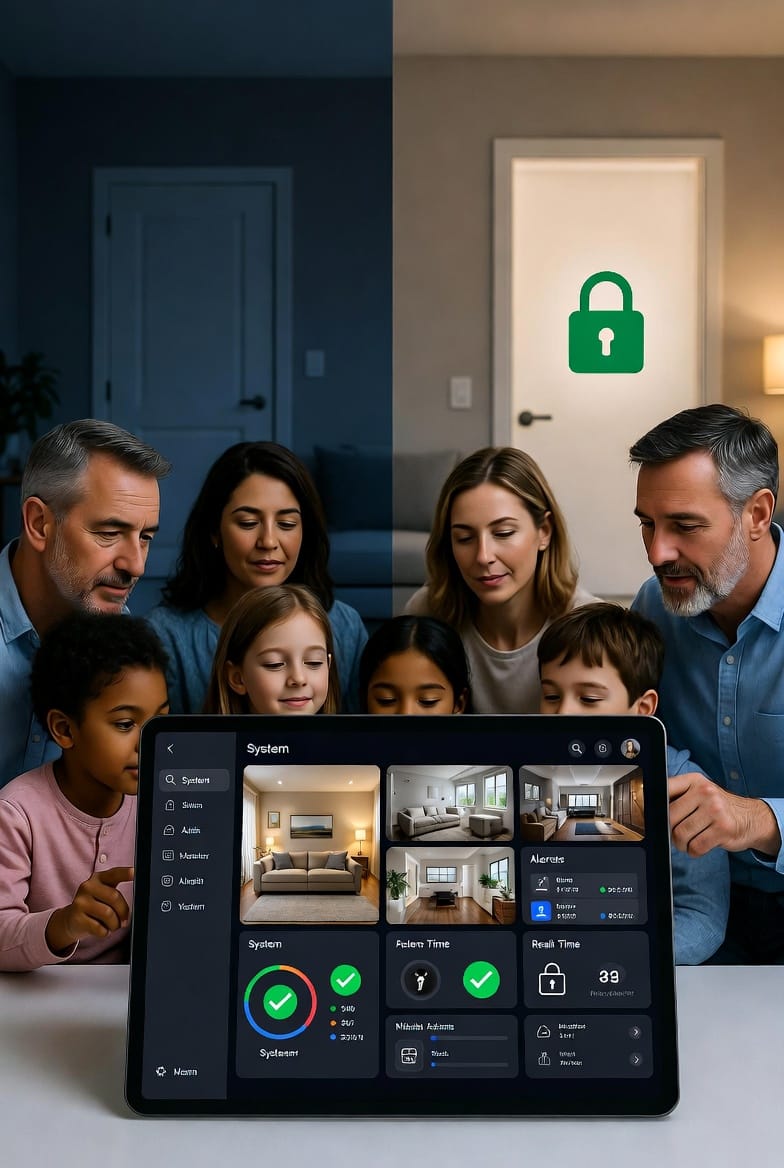
In today's fast-paced world, home security has evolved beyond traditional alarms and locks. With the rise of smart home technology, homeowners now have access to sophisticated systems that offer real-time protection, convenience, and peace of mind. This guide explores the next generation of home security, focusing on smart integration with devices like locks, lighting, and cameras, while comparing professionally installed and monitored systems to DIY kits. We'll also delve into essential features such as cellular backup and video verification, which enhance reliability and expedite police response. Whether you're upgrading your current setup or starting fresh, understanding these elements will help you create a robust defense for your home.
Experience True Peace of Mind – Call for Your Free Consultation
As threats become more sophisticated—from burglaries to cyber intrusions—relying on outdated methods simply isn't enough. Modern solutions integrate seamlessly into your lifestyle, allowing you to monitor and control your property from anywhere. Our authoritative insights, drawn from industry expertise, assure you that investing in the right system can transform vulnerability into security. Let's break it down step by step.
Why Upgrade to Smart Home Security?
The foundation of next-generation home security lies in its ability to adapt to your needs. Unlike older systems that merely sounded alarms, today's options use AI-driven analytics to detect anomalies, predict risks, and automate responses. For instance, smart cameras can differentiate between a family pet and an intruder, reducing false alerts and ensuring you're only notified when it matters.
Key benefits include:
- Enhanced Deterrence: Visible cameras and integrated lighting act as proactive barriers.
- Remote Accessibility: Control your system via apps on smartphones or tablets.
- Energy Efficiency: Link security with smart lighting to optimize usage and lower bills.
- Scalability: Start small and expand as your needs grow.
This shift isn't just about technology; it's about reclaiming control. Professional systems, in particular, offer layers of protection that DIY alternatives often lack, providing reassurance that your home is safeguarded 24/7.
Comparing Professionally Installed Systems to DIY Kits
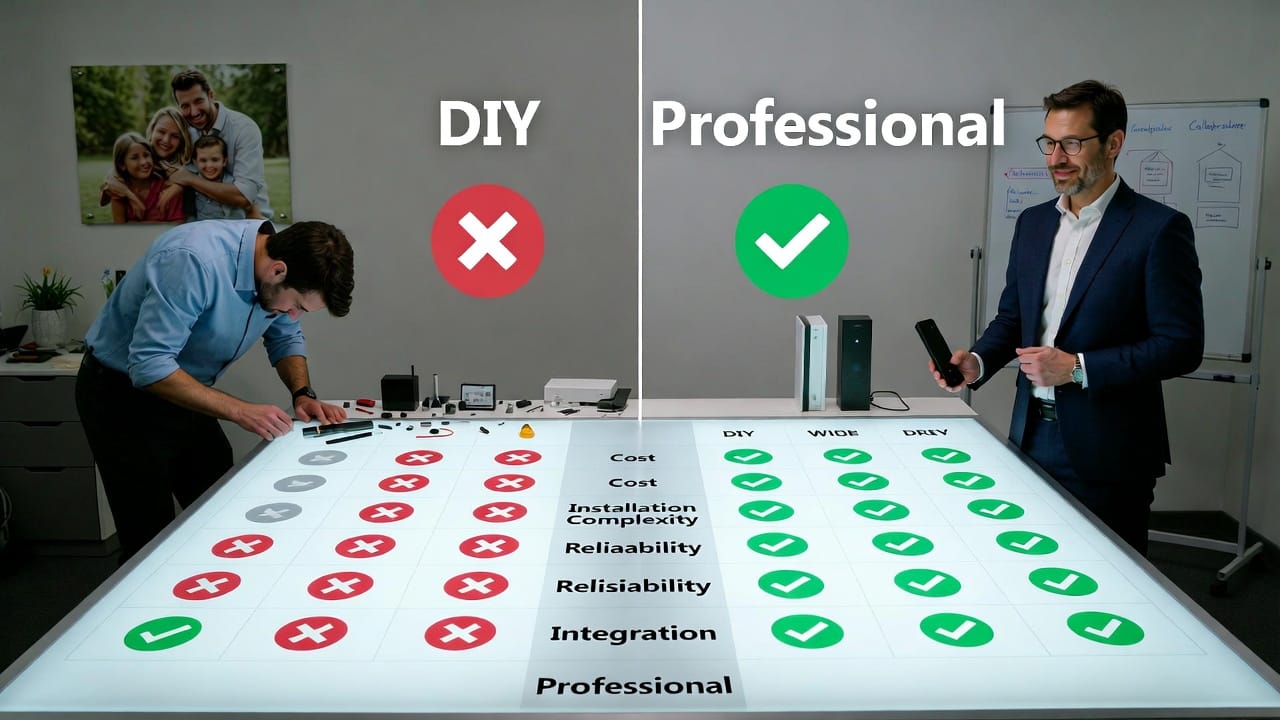
When choosing between professionally installed and monitored systems and DIY kits, it's crucial to weigh factors like reliability, ease of use, and long-term value. DIY security systems, such as those from brands like Ring or SimpliSafe, appeal to tech-savvy homeowners due to their affordability and straightforward setup. You can install sensors, cameras, and hubs yourself, often in under an hour, and monitor everything through a user-friendly app.
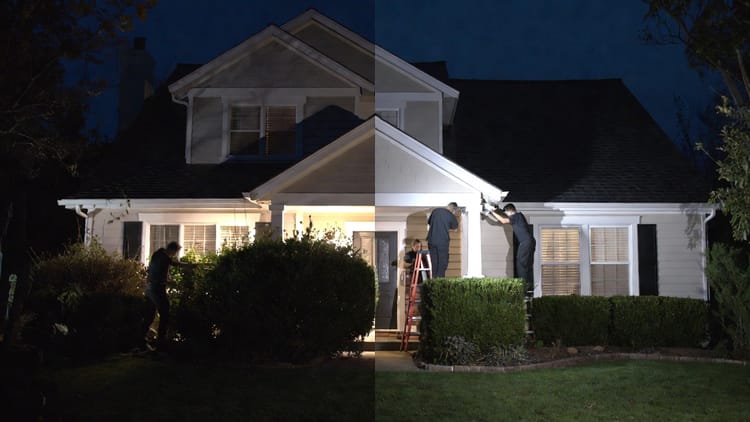
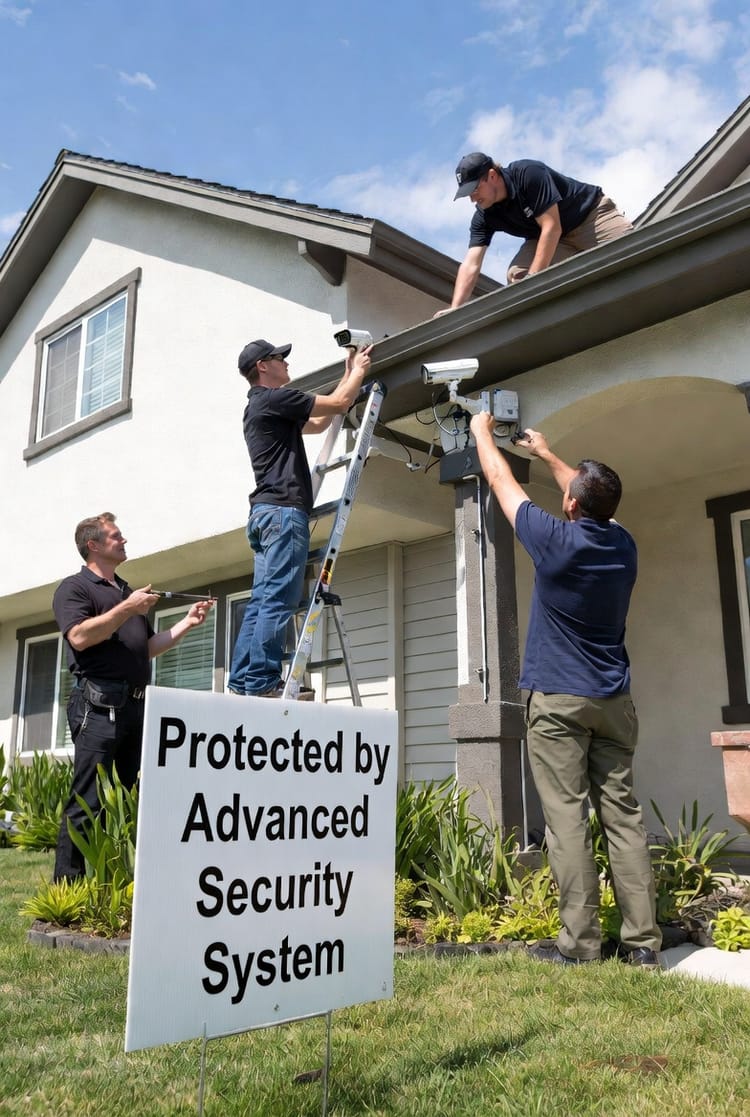
However, professional systems—installed by certified technicians—provide a higher level of customization and integration. These aren't just plug-and-play; they're tailored to your home's layout, ensuring optimal coverage without blind spots. Monitoring centers staffed by experts handle alerts, verifying threats before dispatching authorities, which minimizes false alarms and potential fines.
Let's examine the differences more closely:
- Installation Process: DIY kits are self-installed, saving upfront costs but risking improper placement. Professional installations guarantee precision, often including wiring for hard-to-reach areas.
- Monitoring Options: DIY relies on self-monitoring or optional subscriptions, which can be inconsistent if you're unavailable. Professional monitoring ensures round-the-clock oversight by trained personnel.
- Reliability in Emergencies: DIY systems may falter during power outages without backups, whereas professionals incorporate redundancies.
- Cost Structure: Initial DIY expenses are lower (around $200–$500), but ongoing fees for advanced features add up. Professional setups start higher ($500+) but include comprehensive support.
- Warranty and Support: DIY offers limited manufacturer warranties; professionals provide ongoing maintenance and upgrades.
In essence, while DIY suits budget-conscious renters, professionally monitored systems deliver superior peace of mind for homeowners committed to long-term security. Data shows that homes with monitored systems are up to three times less likely to be targeted by burglars, underscoring the value of expert involvement.
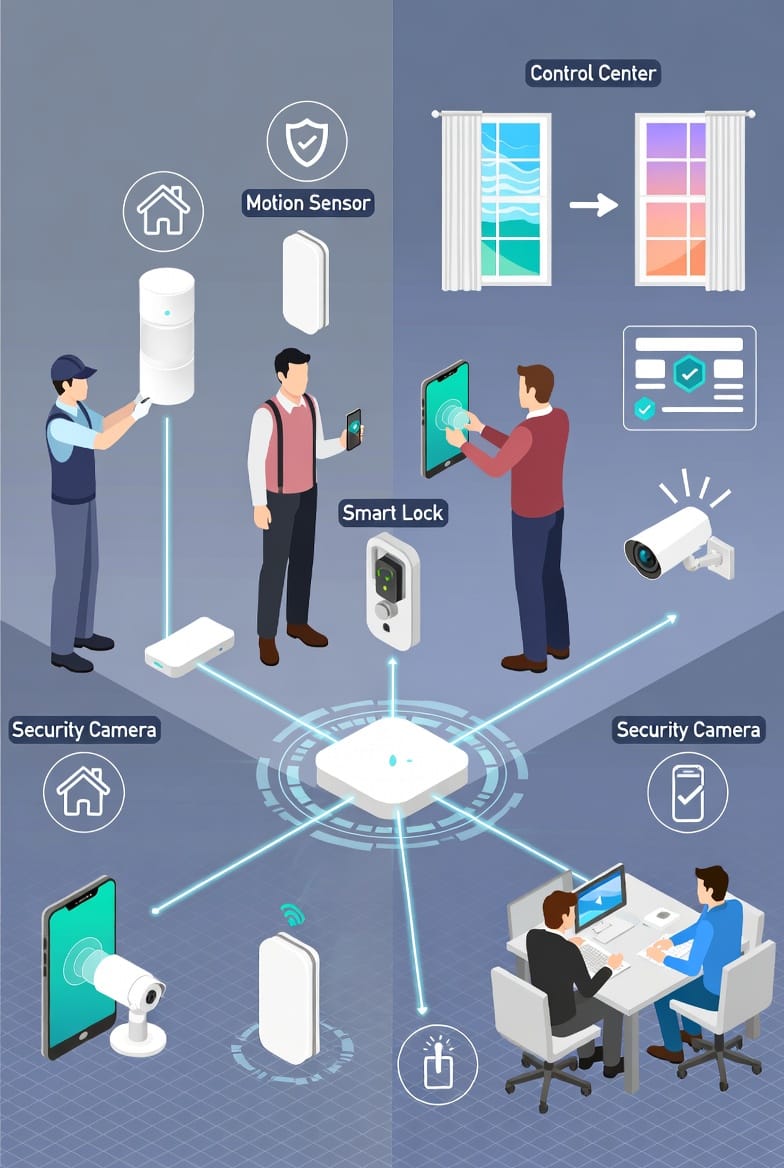
Integrating Smart Locks, Lighting, and Cameras
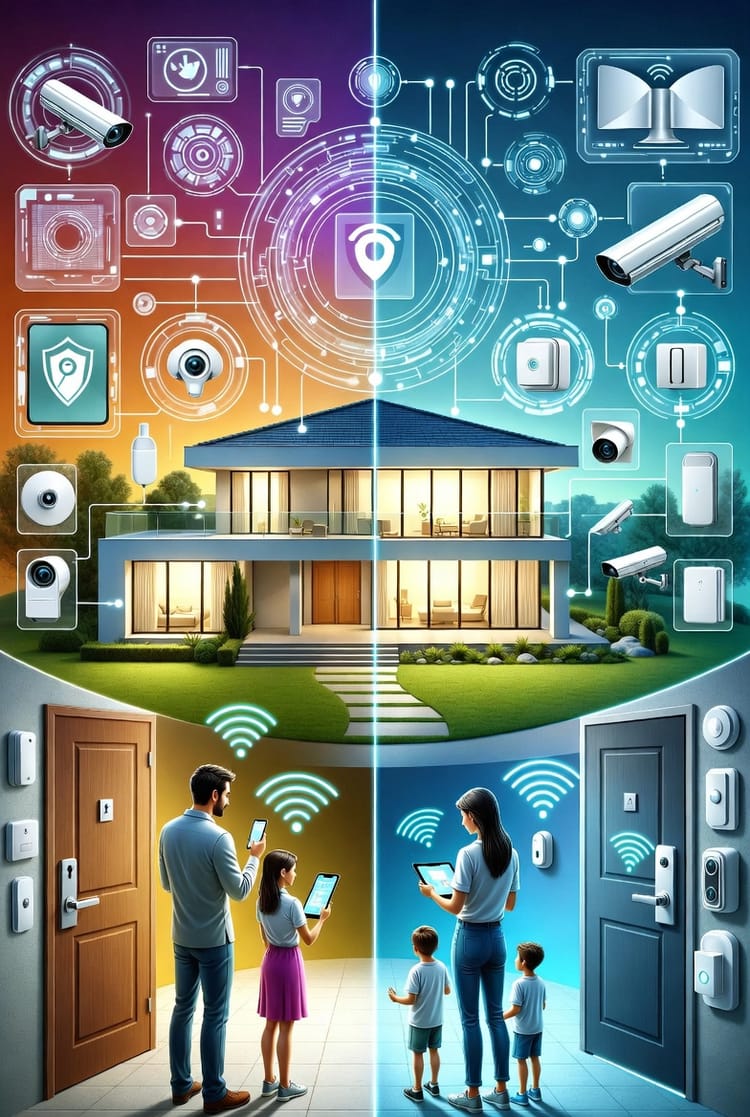
One of the hallmarks of modern home security is its smart integration, where devices communicate to form a unified ecosystem. Smart locks allow keyless entry, remote locking, and activity logs, integrating with cameras to provide visual confirmation of who’s at the door. Imagine receiving a notification when your child arrives home, complete with a live feed— that's the power of synergy.
Smart lighting enhances this by automating illumination based on motion or schedules. For example, lights can flash during an alert to deter intruders or guide family members safely at night. When paired with cameras, these systems offer comprehensive surveillance: high-definition video, night vision, and AI to tag events like package deliveries.
Benefits of integration:
- Automated Responses: Detect motion? Lights activate, cameras record, and locks engage.
- Voice Control Compatibility: Works with Alexa, Google Assistant, or Siri for hands-free operation.
- Custom Scenarios: Set "away mode" to simulate occupancy with randomized lighting.
- Data Insights: Analyze patterns to identify vulnerabilities, like frequent false triggers from wildlife.
Professional systems excel here, as technicians ensure compatibility and optimize placements. DIY kits might require troubleshooting compatibility issues, potentially leaving gaps. By choosing integrated solutions, you're not just installing devices—you're building an intelligent network that anticipates and mitigates risks.
The Critical Role of Cellular Backup
Power outages and Wi-Fi disruptions are common, yet they shouldn't compromise your security. This is where cellular backup shines, providing a failover connection via mobile networks. Unlike Wi-Fi-dependent DIY systems, which can go offline during storms, professional setups maintain communication with monitoring centers.
Why it matters:
- Uninterrupted Monitoring: Ensures alerts reach professionals even without internet.
- Redundancy Against Tampering: Burglars can't simply cut wires or jam signals.
- Battery Life: Systems often include long-lasting batteries for sustained operation.
- Compliance with Standards: Meets insurance requirements for discounts on premiums.
In real-world scenarios, cellular backup has proven lifesaving, allowing swift responses when primary connections fail. It's a reassuring feature that underscores the reliability of professional systems over DIY alternatives.
Enhancing Police Response with Video Verification
False alarms waste resources and can lead to slower responses from authorities. Video verification addresses this by allowing monitoring teams to visually confirm threats before contacting police. Integrated cameras send clips or live feeds, enabling quick assessment— is it a break-in or just the wind?
Advantages include:
- Faster Dispatch: Verified incidents prioritize response, reducing average wait times.
- Reduced Fines: Many cities charge for false alarms; verification minimizes these.
- Evidentiary Value: Footage aids investigations and insurance claims.
- Privacy Controls: Users set permissions to balance security with personal space.
Professional monitoring leverages this technology effectively, with trained operators reviewing footage in seconds. DIY users must handle verification themselves, which isn't always feasible during travel or sleep. This feature alone can make the difference in critical moments, offering authoritative assurance that help arrives when needed.
Advanced Features for Comprehensive Protection
Beyond basics, next-generation security incorporates cutting-edge elements like geofencing, which arms/disarms systems based on your location, and environmental sensors for smoke, carbon monoxide, or floods. These integrate with smart hubs, creating a holistic shield.
For families, child-proof modes prevent accidental disarms, while elderly monitoring adds fall detection. Businesses adapting home tech benefit from scalable access controls. Always prioritize systems with end-to-end encryption to thwart cyber threats, ensuring your data remains private.
Choosing the Right System for Your Home
Assess your needs: property size, budget, and tech comfort. Consult experts for audits— they'll identify weak points and recommend integrations. Remember, the goal is seamless operation, not complexity.
Future-Proofing Your Security
Technology evolves rapidly; opt for upgradable systems. Professional providers often include free updates, keeping you ahead of emerging threats like AI-driven hacks.
Ready for Next-Generation Home Security? Call Our Team Today