The Moisture Matrix: How Infrared Cameras and Hygrometers Map Hidden Water Damage
Water damage can strike unexpectedly, turning a minor leak into a major headache if not addressed promptly. In the world of property restoration, professionals rely on cutting-edge tools to uncover what the naked eye misses. Enter the moisture matrix—a tech-driven approach using infrared cameras and hygrometers to map out hidden water damage. This method not only identifies moisture behind walls, floors, and ceilings but also enables precise drying strategies, minimizing disruption and costs. In this comprehensive guide, we'll explore how these high-tech devices revolutionize water damage restoration, offering homeowners and property managers peace of mind through science-backed solutions.
Stop Guessing, Start Knowing – Get Your Infrared Assessment
Understanding Hidden Water Damage: The Silent Threat
Hidden water damage often lurks unseen, caused by plumbing failures, roof leaks, or even high humidity. Without proper detection, it can lead to mold growth, structural weakening, and costly repairs. Traditional methods involved invasive probing or guesswork, often resulting in unnecessary demolition. Today, technology transforms this process.
- Infrared cameras (also known as thermal imaging devices) detect temperature variations, highlighting cooler areas where moisture evaporates.
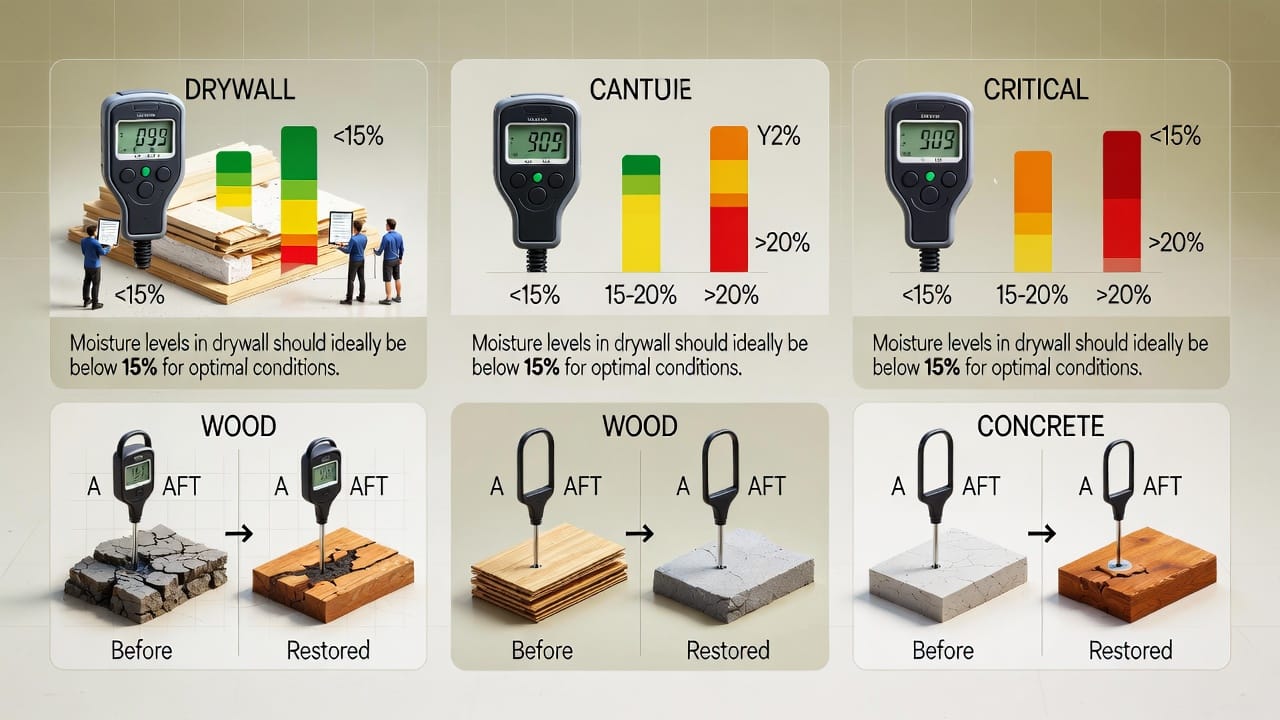
- Hygrometers, or moisture meters, quantify the exact moisture content in materials like drywall, wood, and concrete.
- Together, they create a detailed "matrix" of moisture distribution, allowing for targeted interventions.
By leveraging these tools, restoration teams can assess damage non-invasively, ensuring efficient recovery. This approach is particularly vital in regions prone to flooding or heavy rains, where early detection prevents escalation.
The Power of Infrared Cameras in Water Damage Detection
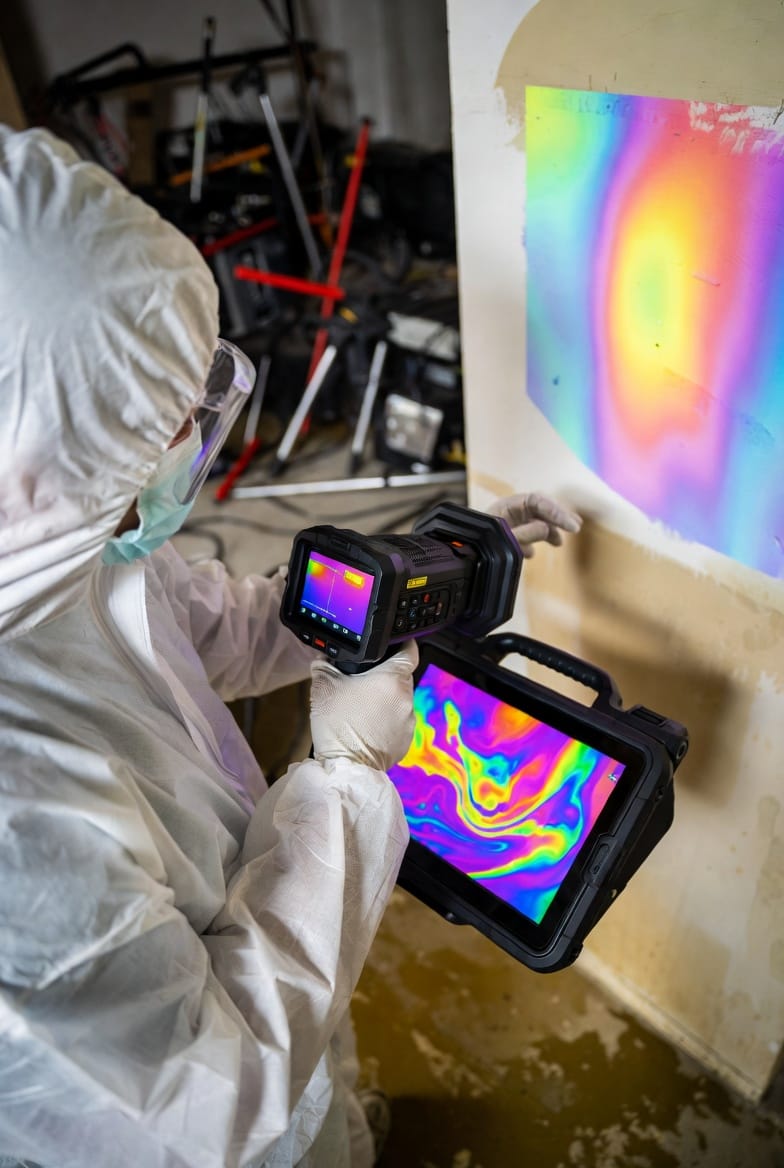
Infrared cameras are game-changers in the water damage restoration industry. These devices capture thermal radiation, translating it into visual images that reveal temperature differences. Water-damaged areas appear cooler due to evaporation, making them stand out in the thermal spectrum.
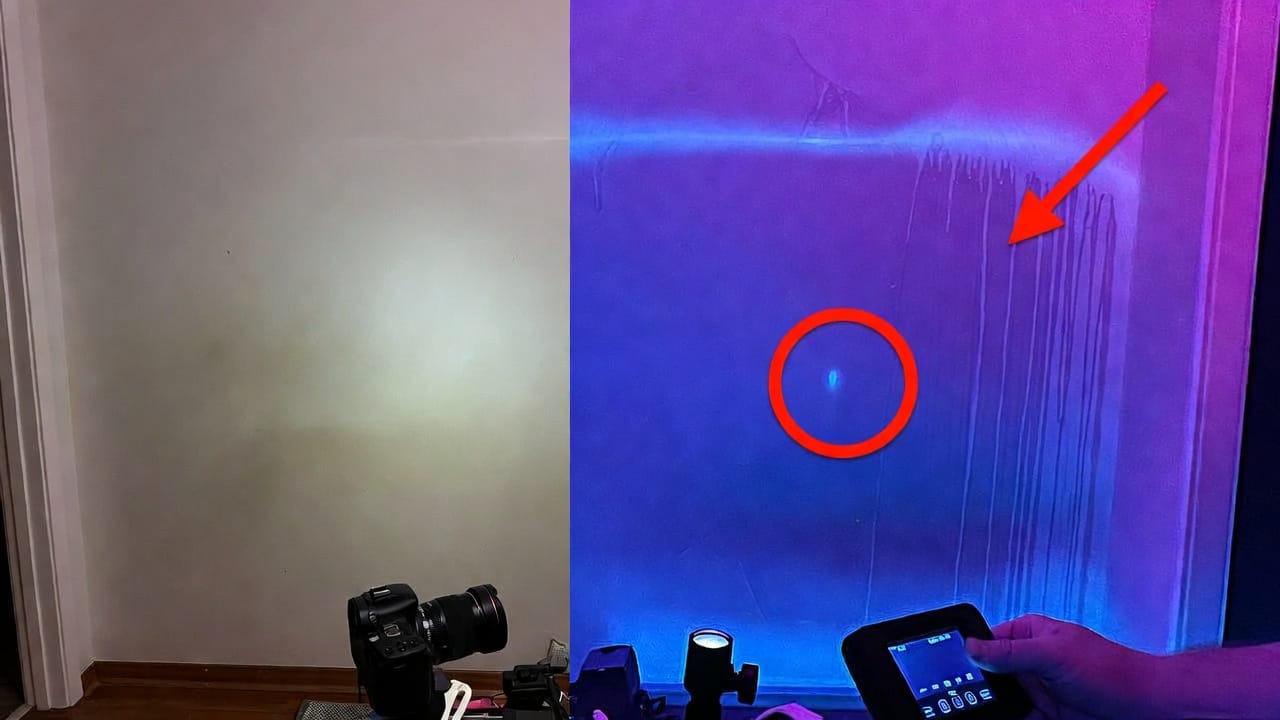
Professionals use infrared cameras to scan surfaces without tearing them apart. For instance, a technician might aim the camera at a suspicious wall, where blues and purples indicate wet spots, while warmer tones show dry areas. This visualization helps pinpoint the source of leaks, such as burst pipes or seepage from foundations.
Key benefits include:
- Non-destructive assessment: No need to drill holes or remove materials initially.
- Speed and accuracy: Scans cover large areas quickly, reducing inspection time.
- Comprehensive mapping: Software integrates with tablets to create 3D models of moisture patterns.
In practice, infrared technology has evolved with features like high-resolution sensors and AI-enhanced image processing. Brands like FLIR and Fluke offer models tailored for restoration, with sensitivity to detect even minor temperature shifts—as little as 0.1°C.
Consider a scenario: After a storm, a homeowner notices bubbling paint but no visible leaks. An infrared scan reveals a hidden pocket of water behind the drywall, traced to a roof defect. Without this tech, the issue might fester, leading to black mold risks.
How Hygrometers Complement Infrared Imaging
While infrared cameras provide a visual overview, hygrometers deliver quantitative data. These instruments measure relative humidity (RH) and moisture content (MC) in materials, ensuring decisions are based on hard numbers rather than intuition.
There are two main types:
- Pin-type hygrometers: Insert probes into materials for direct readings.
- Pinless hygrometers: Use electromagnetic waves for non-invasive scans.
In water damage scenarios, professionals first use infrared to locate suspect areas, then apply hygrometers for verification. For drywall, an MC above 15% signals potential issues; for wood, it's over 20%.
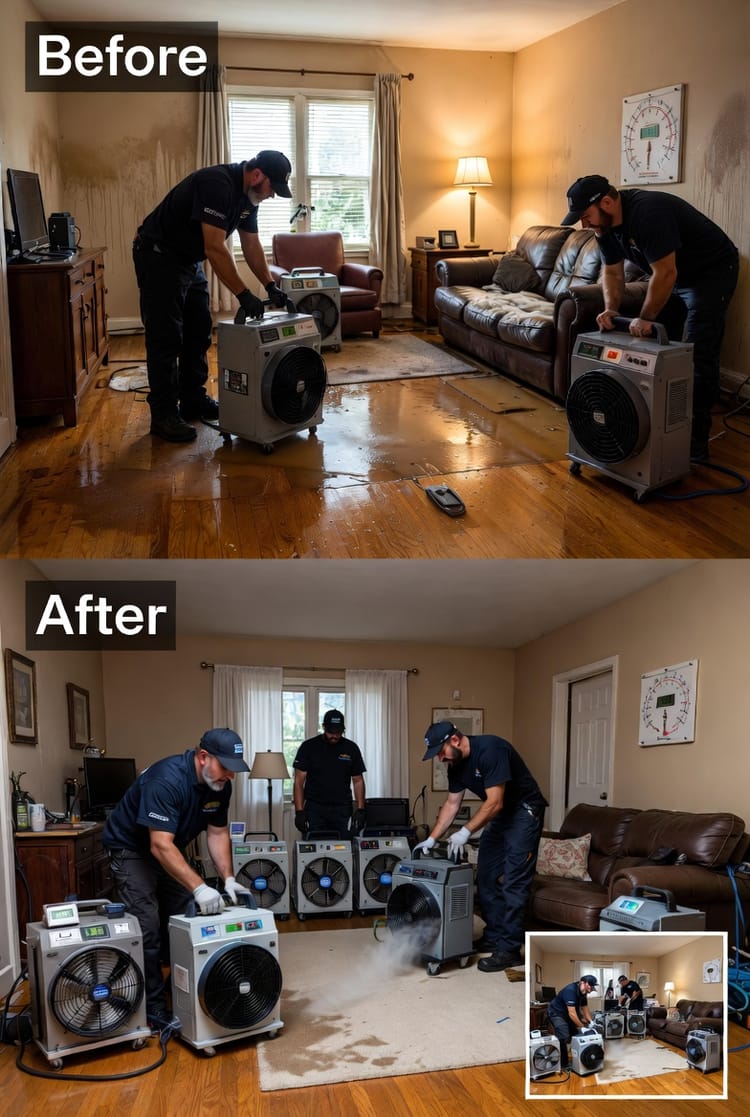
This duo enables targeted drying: Fans and dehumidifiers are placed precisely where needed, avoiding over-drying that could crack materials. Hygrometers also monitor progress, with readings taken daily to track moisture reduction.
Advanced models integrate Bluetooth for real-time data logging, syncing with apps for reports. This data-driven method reassures clients, as it provides verifiable proof of restoration success.
Integrating Infrared and Hygrometers for Precise Restoration
The true magic happens when infrared cameras and hygrometers work in tandem. This integration forms the moisture matrix, a systematic grid of data points that maps damage extent.
Steps in the process:
- Initial Scan: Use infrared to survey the property, identifying anomalies.
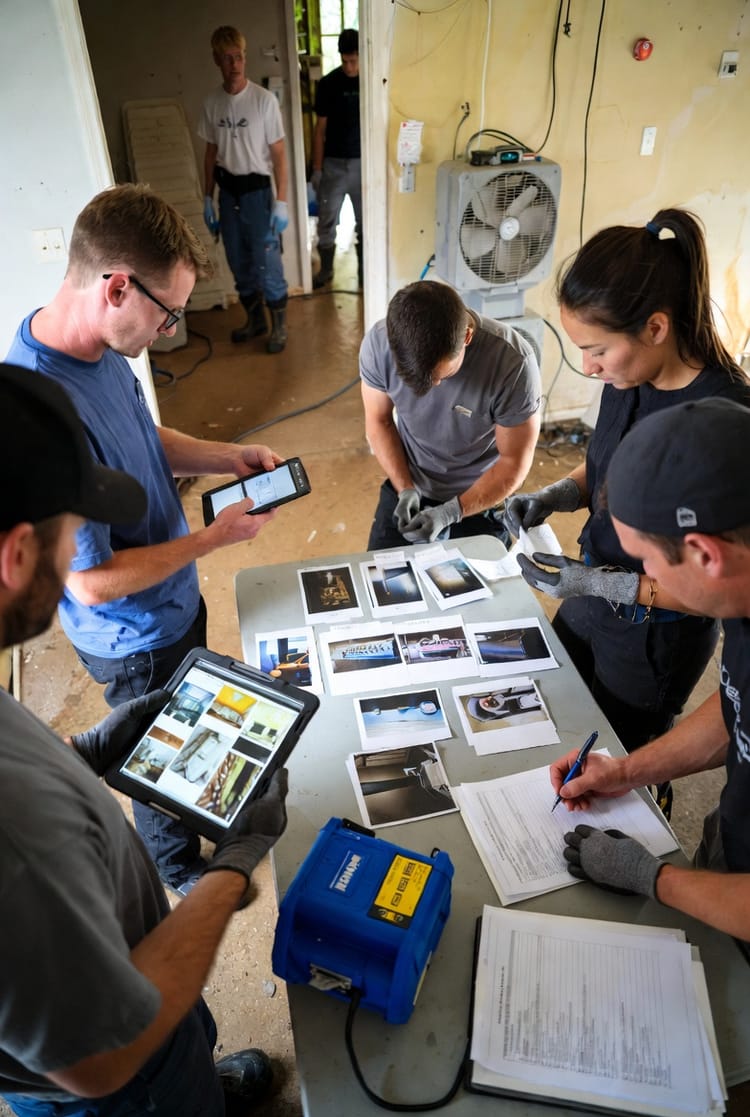
- Moisture Verification: Apply hygrometers to measure levels in flagged areas.
- Data Analysis: Compile readings into software for a visual matrix, showing moisture gradients.
- Targeted Action: Deploy drying equipment based on the matrix, focusing on high-risk zones.
- Ongoing Monitoring: Re-scan and re-measure to ensure complete dryness.
This tech synergy reduces demolition needs by up to 70%, according to industry studies. It also accelerates recovery—properties can be habitable sooner, minimizing displacement costs.
For commercial spaces like offices or warehouses, this approach prevents business interruptions. In healthcare facilities, it mitigates mold-related health risks, protecting vulnerable populations.
Real-World Applications and Case Studies
In residential settings, imagine a basement flood from a sump pump failure. Infrared reveals moisture wicking up walls, while hygrometers confirm 25% MC in subflooring. Targeted drying saves the structure without full gutting.
Commercially, a hotel experiences pipe bursts. Tech tools map damage across multiple floors, enabling swift, discreet repairs to avoid guest complaints.
Even in historic buildings, where preservation is key, non-invasive tech shines. A case in point: Restoring a century-old home after hurricane damage, where infrared guided minimal interventions, preserving original plaster.
These examples underscore the reliability of high-tech water damage detection, turning potential disasters into manageable fixes.
Benefits Over Traditional Methods
Switching to tech-driven tools offers undeniable advantages:
- Cost Savings: Avoid unnecessary tear-outs; focus repairs where needed.
- Time Efficiency: Assessments in hours, not days.
- Health Protection: Early mold detection prevents respiratory issues.
- Environmental Impact: Less waste from demolished materials.
- Insurance Compliance: Detailed reports support claims with empirical data.
Homeowners benefit from transparency—seeing thermal images builds trust in the process.
Tips for Homeowners: When to Call in the Pros
While DIY moisture meters exist, professional-grade tools and expertise are essential for accuracy. Signs warranting a call:
- Persistent musty odors.
- Warping floors or ceilings.
- Unexplained utility bill spikes.
- Visible stains post-rainfall.
Choose certified restorers with IICRC credentials, ensuring they use calibrated equipment.
Future Trends in Water Damage Technology
Looking ahead, AI integration will enhance infrared cameras, predicting damage spread via algorithms. Drone-mounted hygrometers could scan roofs remotely. IoT sensors might provide real-time alerts, preventing damage altogether.
These advancements promise even more precise, proactive water damage management.
Conclusion: Embrace the Tech for Lasting Protection
The moisture matrix powered by infrared cameras and hygrometers represents the pinnacle of modern water damage restoration. By mapping hidden threats with precision, it eliminates guesswork, safeguards properties, and restores normalcy swiftly. Don't let unseen moisture compromise your home—trust in technology for thorough, efficient solutions.
Uncover Invisible Moisture Before It’s Too Late – Call Today