The Mindfulness in Recovery: How Meditation and Awareness Support Sobriety

In the challenging path toward lasting sobriety, many individuals discover that traditional treatment approaches gain remarkable power when paired with complementary practices. Mindfulness in recovery stands out as one of the most effective tools available today. This gentle yet profound practice of meditation and present-moment awareness helps individuals build inner resilience, manage difficult emotions, and stay grounded even when life feels overwhelming.
Discover Mindfulness Programs That Work – Call Now
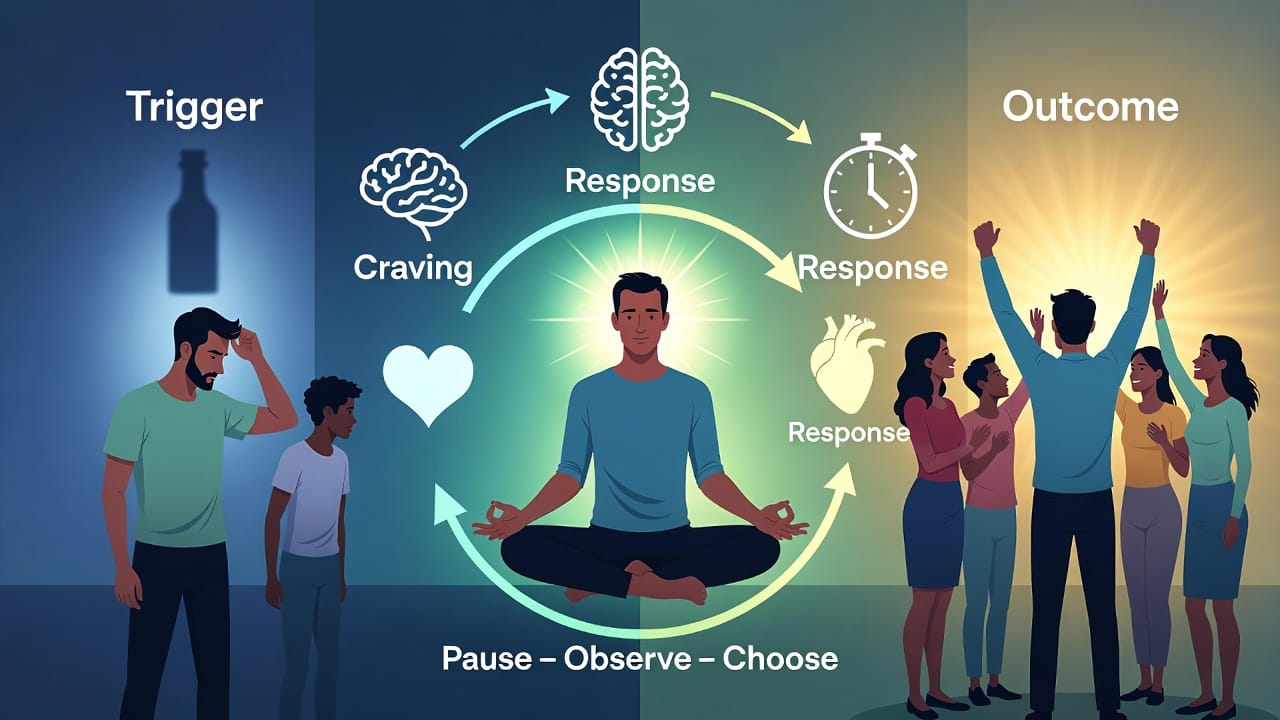
At its core, mindfulness teaches you to observe your thoughts and feelings without judgment. Rather than fighting against cravings or spiraling into stress, you learn to meet each moment with calm awareness. This shift creates space between the impulse and the action, giving you the freedom to choose sobriety one mindful breath at a time. Countless people in recovery have found that incorporating meditation and awareness not only supports their sobriety but actually makes the entire journey feel more peaceful and sustainable.
Whether you are just beginning your recovery or have been sober for years, mindfulness offers practical, evidence-based support that complements every stage of healing. It reduces the intensity of cravings, lowers overall stress levels, improves emotional regulation, and provides simple tools for staying fully present. The beauty of this practice lies in its accessibility – you do not need special equipment or hours of free time. A few minutes each day can create profound changes that reinforce your commitment to a sober life.
What Mindfulness Really Means in Recovery
Mindfulness is the practice of paying deliberate attention to the present moment. In recovery, it becomes a daily anchor that helps you navigate triggers without turning to old coping mechanisms. Unlike passive relaxation, mindful awareness actively builds new neural pathways that support long-term sobriety.
When you practice mindfulness, you train your mind to notice thoughts as they arise – “I’m craving a drink right now” – and simply observe them rather than immediately acting on them. This awareness creates a powerful pause. That pause is where true freedom lives. Recovery professionals consistently see that clients who develop strong mindful awareness experience fewer relapses and report higher levels of overall life satisfaction.
The process begins with simple observation. You notice your breath, your body sensations, and your surroundings. Over time, this habit extends into every area of life. You become better at recognizing early warning signs of stress or emotional discomfort before they escalate into cravings. This proactive awareness is one of the greatest gifts mindfulness in recovery offers.
How Mindfulness Directly Manages Cravings
One of the most transformative benefits of mindfulness appears in its ability to help you handle cravings. Cravings often feel like sudden, overwhelming waves that demand immediate attention. Without tools, many people feel powerless when these waves arrive.
Through regular meditation, you learn a technique known as urge surfing. Instead of resisting the craving or trying to distract yourself, you ride the wave with awareness. You notice the physical sensations – tightness in your chest, restlessness in your legs, racing thoughts – and watch them rise and fall naturally. Most cravings last only 15 to 20 minutes when met with mindful attention rather than action.
Mindful awareness interrupts the automatic craving-response cycle. You create distance between the urge and your behavior. This distance grows stronger with practice, until cravings lose their power to dictate your choices. Clients often describe the moment they first successfully surfed an urge as a turning point in their recovery journey.
The practice also reduces the fear that surrounds cravings. When you repeatedly meet urges with calm observation, they stop feeling like emergencies. They become manageable experiences that pass. This shift builds confidence and reinforces your belief that sobriety is not only possible but sustainable.
Reducing Stress Through Daily Awareness Practices
Stress remains one of the leading triggers for relapse. The body’s stress response can mimic withdrawal symptoms and intensify cravings. Mindfulness meditation offers a natural way to lower stress without medication or avoidance.
When you practice mindful breathing, your nervous system shifts from fight-or-flight mode into rest-and-digest mode. Heart rate slows, muscles relax, and racing thoughts quiet. Over weeks of consistent practice, many people notice their baseline stress level drops significantly.
Mindfulness also helps you identify stress sources early. You begin to notice tension building in your shoulders or jaw long before it becomes overwhelming. This early awareness allows you to address the issue through a short meditation rather than letting stress accumulate until a substance seems like the only relief.
The reassuring truth is that you do not need to eliminate stress entirely. Mindful awareness teaches you to relate to stress differently – to meet it with kindness and curiosity instead of fear. This new relationship with stress protects your sobriety and improves your overall quality of life.
Improving Emotional Regulation One Breath at a Time
Emotions can feel chaotic during recovery. Old feelings surface once substances no longer numb them. Mindfulness provides the tools to experience emotions fully without being overwhelmed or controlled by them.
Through body-scan meditation, you learn to locate emotions in your physical body. Sadness might appear as heaviness in the chest. Anger could show up as heat in the face or clenched fists. By observing these sensations with compassionate awareness, you prevent emotional buildup that often leads to impulsive decisions.
Improved emotional regulation means you can feel difficult feelings and still choose sobriety. You develop the capacity to sit with discomfort knowing it will pass. This skill becomes invaluable during life’s inevitable challenges – relationship difficulties, work stress, or grief.
Many individuals in recovery report that mindfulness helps them respond rather than react. Instead of immediately reaching for a drink when anger arises, they pause, breathe, and choose a healthier outlet. This shift creates stronger relationships and greater self-respect, both of which support long-term sobriety.
Tools for Staying Fully Present in Recovery
Staying present might sound simple, but it represents one of the most powerful protections against relapse. The mind often wanders into regret about the past or anxiety about the future – two territories where cravings love to grow.
Mindful walking offers an excellent way to anchor yourself in the present. Feel each step, notice the air on your skin, and observe the sounds around you. This practice turns ordinary movement into a meditation that strengthens your connection to the current moment.
Breath awareness serves as your portable tool. No matter where you are, you can return to your breath for just a few minutes. The simple act of noticing each inhale and exhale brings you back to now, where sobriety lives.
These tools build a habit of presence that becomes automatic over time. You begin to catch yourself when your mind drifts into dangerous territory and gently guide it back to the present. This ongoing awareness creates a protective bubble around your recovery.
Practical Mindfulness Techniques You Can Start Today
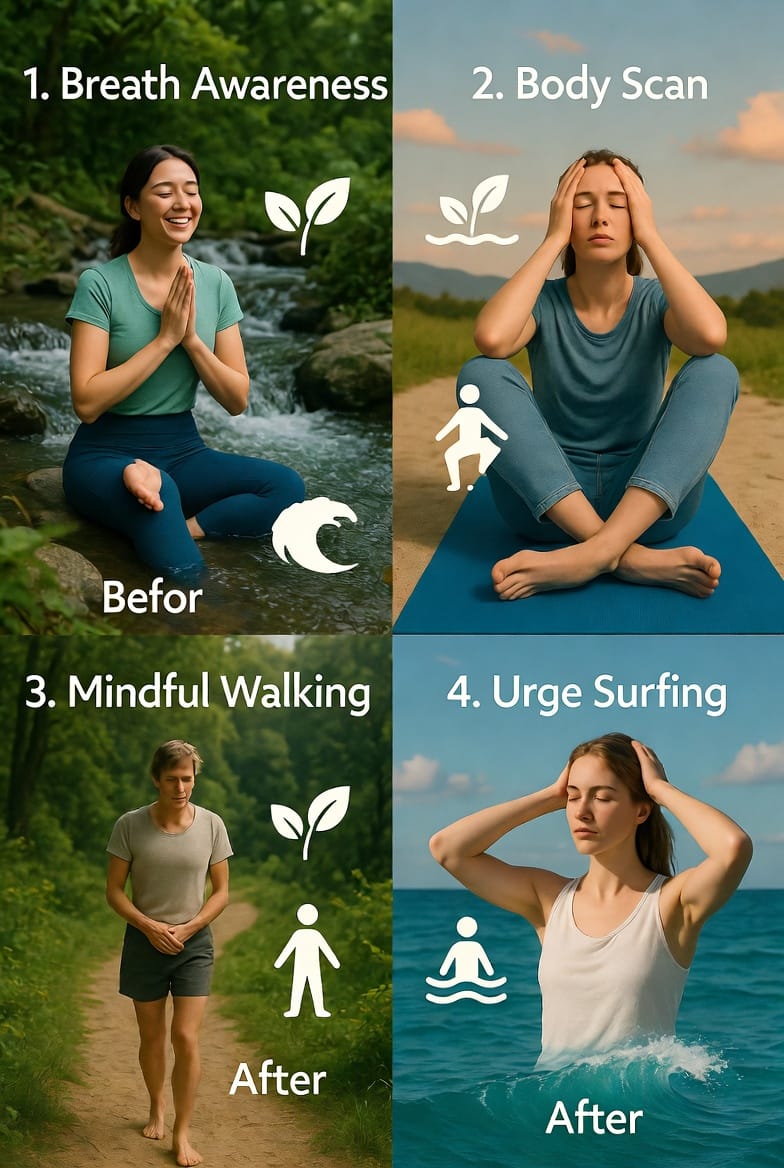
Begin with breath awareness. Sit comfortably and simply notice the sensation of air moving through your nostrils. When your mind wanders, gently return to the breath. Start with five minutes and gradually increase the time.
Body scan meditation helps you develop deeper body awareness. Lie down or sit and slowly move your attention from your toes to the top of your head, noticing any tension or sensations without trying to change them. This practice releases stored stress and improves emotional regulation.
Mindful walking turns exercise into meditation. Walk slowly and deliberately, feeling each footfall and noticing the world around you. Many people find this technique especially helpful during times of high emotion.
Urge surfing deserves special attention in recovery. When a craving arises, close your eyes and imagine the urge as an ocean wave. Observe its intensity build, peak, and naturally subside. Ride the wave with your breath until it passes. This technique proves incredibly effective because it works with the body’s natural rhythm rather than against it.
Integrating Mindfulness into Your Recovery Program
Professional rehab programs that include structured mindfulness training see consistently better outcomes. Daily guided sessions, group practices, and individual instruction help clients develop these skills safely and effectively.
At our center, we weave mindfulness throughout the entire treatment experience. Morning meditation sessions set a calm tone for the day. Group discussions explore how awareness helps manage real-life triggers. Individual coaching helps each person customize techniques to their unique needs.
The integration feels natural because mindfulness complements every other aspect of recovery. It enhances therapy sessions by helping clients stay present with difficult emotions. It supports 12-step work by deepening spiritual awareness. It improves physical health by reducing stress-related symptoms.
Clients often share that learning these tools gives them confidence to face life after treatment. They leave with practical skills that continue supporting their sobriety long after discharge.
Real Stories of Transformation Through Mindfulness
Consider Maria, who arrived at treatment feeling completely overwhelmed by anxiety and constant cravings. After learning urge surfing, she faced her first major trigger at a family gathering. Instead of leaving early or giving in, she stepped outside, practiced breath awareness, and rode the wave until it passed. Today she celebrates three years of sobriety and leads mindfulness groups in her community.
James struggled with anger that had fueled his drinking for years. Through daily body scan practice, he learned to notice anger building in his body and release it before it controlled him. His relationships improved dramatically, and he now maintains steady employment while mentoring others in early recovery.
Sarah found mindful walking became her anchor during the first difficult months of sobriety. Each evening walk helped her process the day’s emotions without turning to substances. She describes the practice as “my daily reset button” that keeps her grounded and grateful.
These stories reflect what countless individuals experience when they embrace mindfulness in recovery. The practice does not erase challenges, but it equips you with the tools to meet every challenge while protecting your sobriety.
Overcoming Common Obstacles to Starting Mindfulness
Many people worry they cannot meditate because their minds wander too much. The good news is that wandering minds are completely normal. The practice itself involves noticing when your attention drifts and gently returning it – that noticing is the meditation.
Others feel they lack time. Start with just three minutes daily. Consistency matters far more than duration. Even brief daily practice builds the neural pathways that support sobriety.
Some worry mindfulness feels too “spiritual” or unfamiliar. The techniques we teach remain practical and grounded in science. You can approach them purely as tools for better emotional management and stress reduction.
The reassuring reality is that everyone can benefit from mindful awareness. The practice meets you exactly where you are and grows with you over time.
Long-Term Benefits That Protect Your Sobriety
Consistent mindfulness practice creates lasting changes in how you experience life. Sleep improves. Relationships deepen. Self-compassion grows. Each benefit reinforces the others, creating a strong foundation for sustained sobriety.
Many people discover greater purpose and joy once they learn to live fully in the present moment. They notice beauty they previously missed. They respond to life’s ups and downs with resilience rather than reactivity.
The skills you develop through mindfulness remain with you forever. They become part of who you are – a calmer, more aware version of yourself who chooses sobriety because life feels genuinely worth living.
Find Peace in the Present Moment
Mindfulness in recovery offers more than stress relief or craving management. It provides a new way of being – one where you meet each moment with awareness, compassion, and choice. The practice supports every aspect of healing and helps you build a life of genuine freedom and fulfillment.
You already possess everything you need to begin. Your breath is always available. Your willingness to grow is already here. Each mindful moment strengthens your recovery and brings you closer to the peaceful, sober life you deserve.
Learn about our mindfulness programs and discover how meditation and awareness can support your unique sobriety journey.
Join Our Mindfulness-Based Recovery – Call for Details