The Microwave Magnetron: Why Your Microwave Stops Heating and When Replacement Makes Sense
Microwaves have become indispensable in modern kitchens, offering quick and convenient heating solutions for busy households. However, when your microwave runs but fails to heat food, it can disrupt daily routines and lead to frustration. One of the most common culprits behind this issue is a faulty magnetron—the heart of the microwave's heating system. In this comprehensive guide, we'll explore how the magnetron works, signs of its failure, essential safety considerations, and a balanced analysis of repair versus replacement options. Whether you're a homeowner troubleshooting at home or seeking professional help, understanding this component can save you time and money. Rest assured, with the right knowledge, resolving microwave heating problems is straightforward and often cost-effective.
Restore Microwave Heating Fast – Call for Professional Repair
Understanding the Magnetron: The Core of Microwave Heating
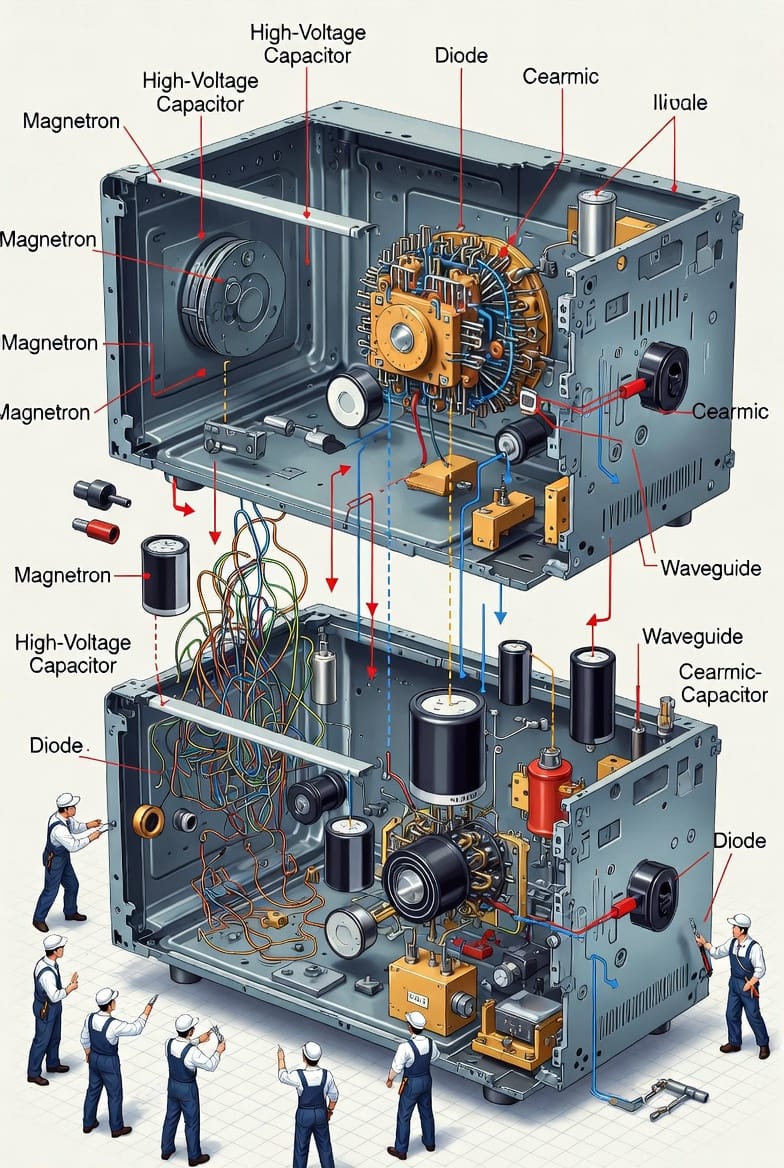
At its essence, a microwave oven uses electromagnetic waves to heat food rapidly. The magnetron is the vacuum tube responsible for generating these microwaves. Invented during World War II for radar technology, the magnetron has evolved into a key appliance component, converting electrical energy into high-frequency radio waves that agitate water molecules in food, producing heat through friction.
Here's how it operates in simple terms:
- Electrical Input: The magnetron receives high-voltage electricity from the transformer and capacitor.
- Magnetic Field Interaction: Permanent magnets create a field that interacts with electrons, causing them to spiral and emit microwaves at approximately 2.45 GHz.
- Waveguide Delivery: These waves are channeled through a waveguide into the oven cavity, where they bounce off metal walls to cook food evenly.
This process is efficient, but like any high-powered device, the magnetron can wear out over time due to constant thermal stress and electrical arcing. Factors such as overuse, power surges, or manufacturing defects accelerate degradation. Knowing this, you can appreciate why a failing magnetron leads to the classic symptom: the microwave powers on, lights up, and even turns the turntable, but no heat is produced.
Recognizing Signs of Magnetron Failure
Identifying a magnetron issue early can prevent further damage to your microwave. While other components might mimic similar problems, certain symptoms point directly to the magnetron. Pay attention to these red flags:
- No Heating Despite Normal Operation: The appliance runs through its cycle, but food remains cold. This is the hallmark of magnetron failure, as it directly impairs microwave generation.
- Unusual Noises: A loud buzzing or humming sound during operation often indicates internal arcing or filament burnout in the magnetron.
- Burning Smell or Sparks: If you notice a burnt odor or visible sparks inside the cavity, it could signal magnetron breakdown, potentially damaging the waveguide cover.
- Intermittent Performance: The microwave heats sporadically, suggesting the magnetron is on its last legs due to inconsistent electron emission.
- Error Codes: Modern models may display codes like "E-01" or "No Heat," which service manuals link to magnetron faults.
If these signs appear, avoid continued use to prevent safety hazards or escalation to more expensive repairs. A professional diagnosis is recommended, as self-testing involves high voltages that pose risks.
Safety Considerations When Dealing with Microwave Repairs
Microwaves store lethal amounts of electricity even when unplugged, making safety paramount. The high-voltage capacitor can retain a charge of up to 5,000 volts, capable of causing severe shocks or fatalities if mishandled. Always prioritize these precautions:
- Unplug and Discharge: Before any inspection, unplug the unit and discharge the capacitor using an insulated screwdriver or professional tools.
- Avoid DIY High-Voltage Tests: Testing the magnetron requires a multimeter set to ohms, but only qualified individuals should attempt this due to radiation and electrical risks.
- Radiation Leakage: A damaged magnetron might cause microwave leaks; use a leak detector if available, and never operate a suspected faulty unit.
- Professional Gear: Technicians use gloves, safety glasses, and grounding straps—emulate this if you're experienced, but err on the side of calling experts.
- Child and Pet Safety: Keep the area secure during repairs to prevent accidental exposure.
Rest assured, reputable repair services adhere to strict safety protocols, ensuring your home remains hazard-free. Ignoring these can lead to injuries, so when in doubt, consult a certified technician.
Diagnosing Microwave Heating Problems
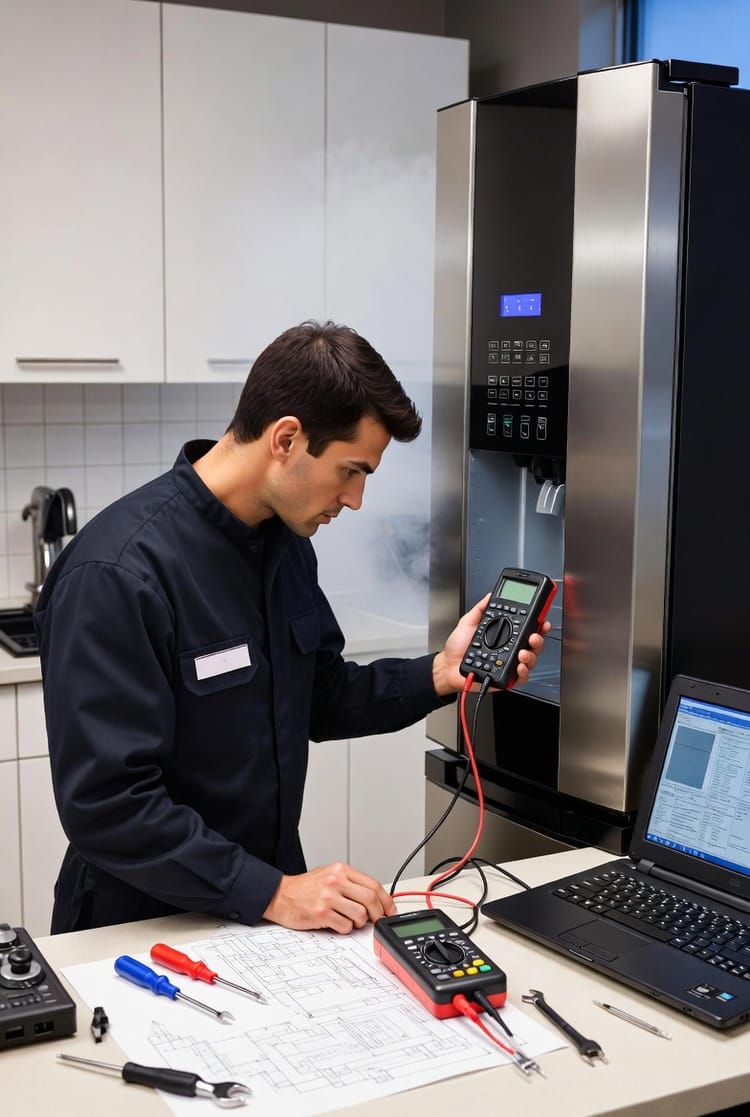
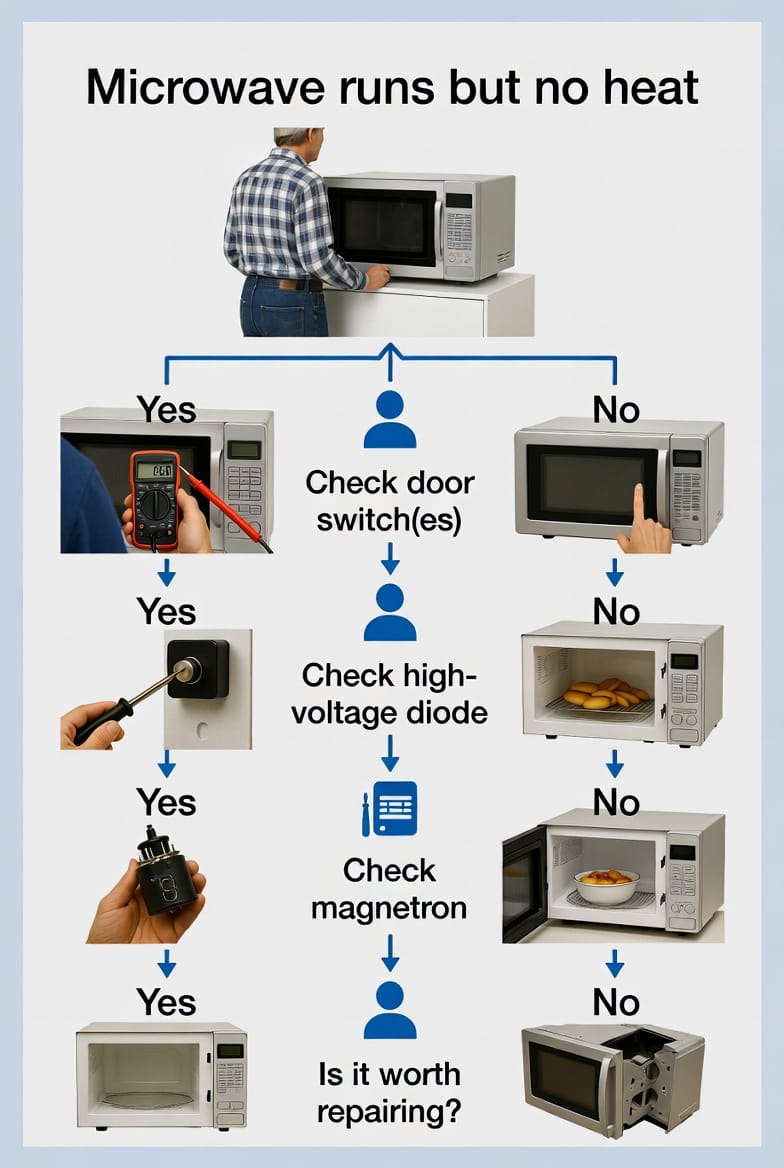
A systematic approach is key to pinpointing whether the magnetron is at fault. While some checks are user-friendly, others require technical expertise. Start with basic troubleshooting:
- Door Switches: Ensure the door latches properly; faulty switches prevent the magnetron from activating as a safety feature.
- High-Voltage Diode: This component directs current; a shorted diode can mimic magnetron failure—test with a multimeter for forward bias.
- Capacitor and Transformer: Check for bulging or leaks in the capacitor, and continuity in the transformer windings.
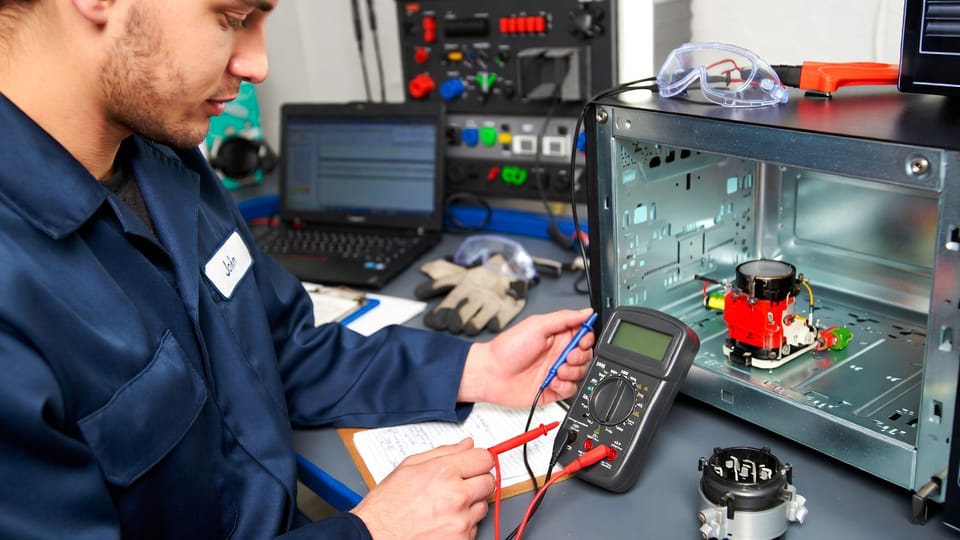
- Magnetron Testing: Measure filament resistance (around 2-3 ohms) and case-to-filament insulation (infinite ohms). Low readings indicate failure.
If diagnostics confirm magnetron issues, consider the appliance's age. Models over 7-10 years old often have worn components, making isolated repairs less viable.
The Cost-Benefit Analysis: Repair vs. Replacement
Deciding between repairing a faulty magnetron and buying a new microwave hinges on several factors. Let's break it down logically:
Repair Costs
- Parts: A replacement magnetron costs $50-$200, depending on the model (e.g., OEM vs. generic).
- Labor: Professional installation adds $100-$300, totaling $150-$500.
- Warranty: Many repairs come with 90-day guarantees, extending appliance life by 3-5 years.
Replacement Considerations
- New Unit Price: Basic microwaves start at $100, while advanced models reach $500+.
- Energy Efficiency: Older units consume more power; upgrading saves on bills long-term.
- Features: Newer models offer inverter technology for even heating, potentially justifying the switch.
When Repair Makes Sense:
- The microwave is under 5 years old and otherwise functional.
- Repair costs are less than 50% of a new unit's price.
- Sentimental value or built-in installation favors fixing.
When to Replace:
- Cumulative repair costs exceed $300 for an aging appliance.
- Multiple components fail alongside the magnetron.
- Energy ratings are outdated, leading to higher utility expenses.
In many cases, repairing the magnetron restores full functionality at a fraction of replacement costs, especially for mid-range models. Factor in environmental impact—repairing reduces e-waste.
Long-Term Maintenance Tips for Your Microwave
To prolong your microwave's life and prevent magnetron failure, adopt these habits:
- Clean regularly to avoid grease buildup on the waveguide.
- Avoid running empty to prevent magnetron overheating.
- Use microwave-safe containers to minimize arcing.
- Schedule annual inspections for high-usage households.
By maintaining your appliance, you can avoid common pitfalls and ensure reliable performance.
Final Thoughts
A non-heating microwave doesn't have to spell the end of your trusted kitchen companion. Understanding the magnetron's role empowers you to make informed decisions. Whether opting for repair or replacement, professional input ensures safety and efficiency.
Don’t Replace Yet – Call for a Free Heating Issue Check