The Low-E Coating Location: Why Whether It's on Surface 2 or Surface 3 Matters for Performance
In the world of high-performance windows, few decisions carry more impact than the exact placement of a low-E coating within a double-pane insulated glass unit (IGU). Homeowners and builders alike often focus on glass thickness or frame material, yet the real game-changer lies in whether that microscopic metallic layer sits on surface 2 or surface 3. This single choice directly governs how effectively your windows manage solar heat gain coefficient (SHGC) and U-factor, delivering measurable differences in energy bills, indoor comfort, and long-term sustainability.
Perfect Low-E Performance Starts Here – Schedule Your Call Today
At its core, a low-E coating is an ultra-thin, transparent layer of metal oxides—primarily silver—that selectively reflects long-wave infrared radiation (heat) while permitting visible light to pass through. When positioned correctly, it transforms ordinary glass into a smart thermal barrier. Placed incorrectly for your climate, however, even the best coating underperforms. This article explores the technical science, performance metrics, and climate-specific strategies so you can confidently select glazing that works with nature rather than against it.
Rest assured: the right low-E location does not require compromise. You can enjoy abundant daylight, stunning views, and superior insulation simultaneously.
Understanding the Anatomy of a Double-Pane IGU
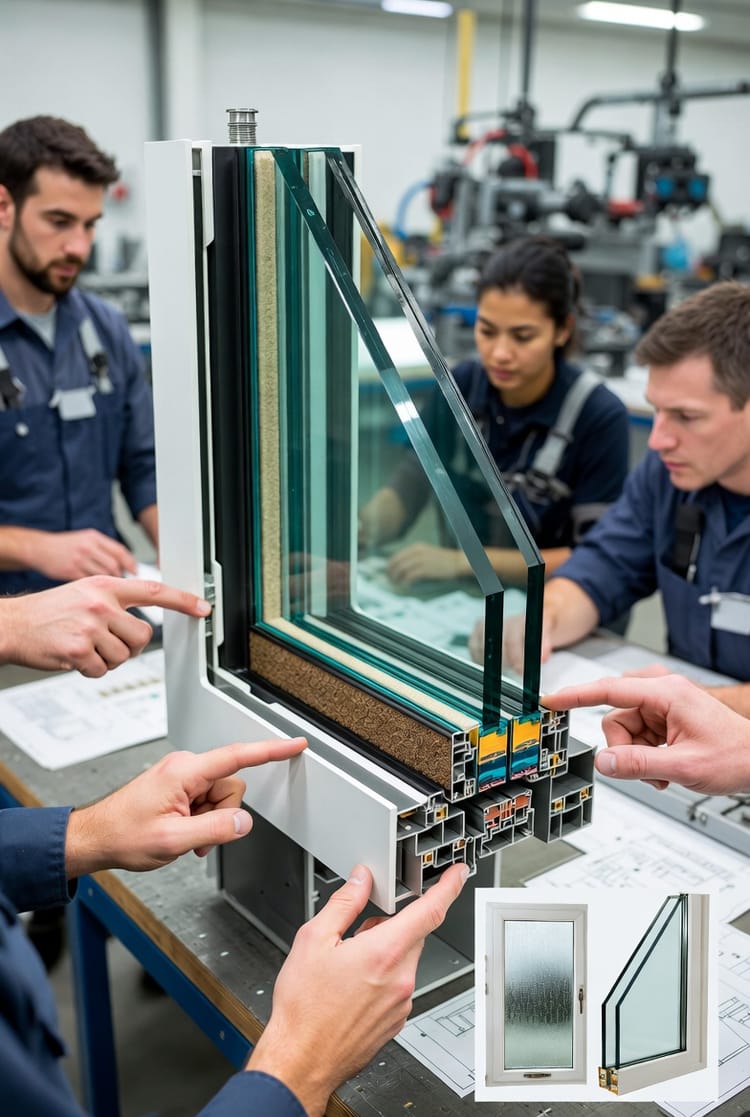
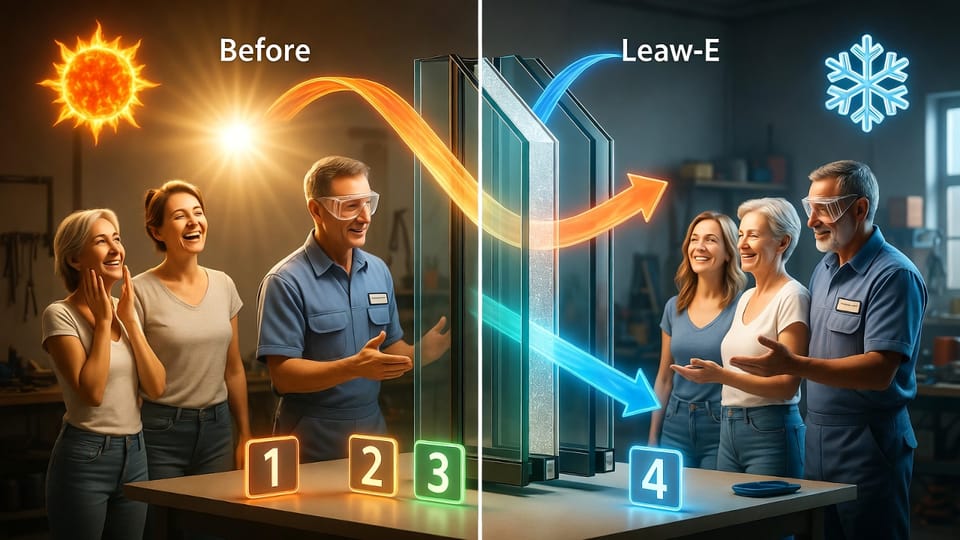
Every modern energy-efficient window begins with a double-pane IGU—two glass lites separated by a sealed spacer filled with argon or krypton gas. This assembly creates four distinct surfaces, numbered from the exterior inward:
- Surface 1: Outermost face exposed to weather
- Surface 2: Inner face of the outer lite, facing the gas-filled cavity
- Surface 3: Outer face of the inner lite, also facing the cavity
- Surface 4: Innermost face exposed to the room
Low-E coatings are almost always applied to either surface 2 or surface 3 because these protected positions maximize durability and thermal performance while keeping the coating safe from cleaning abrasion and environmental exposure.
The gas fill slows conduction and convection, but radiation—the invisible transfer of heat—still crosses the cavity freely unless blocked by a low-emissivity layer. A high-quality low-E coating drops emissivity from approximately 0.84 (uncoated glass) to as low as 0.04, reflecting up to 96 % of radiant heat.
The Science of Heat Flow and Coating Placement
Heat moves through windows via three mechanisms: conduction, convection, and radiation. Low-E coatings primarily target radiation, but their location determines which direction of heat flow they control most effectively.
When the coating resides on surface 2 (outer lite, cavity side):
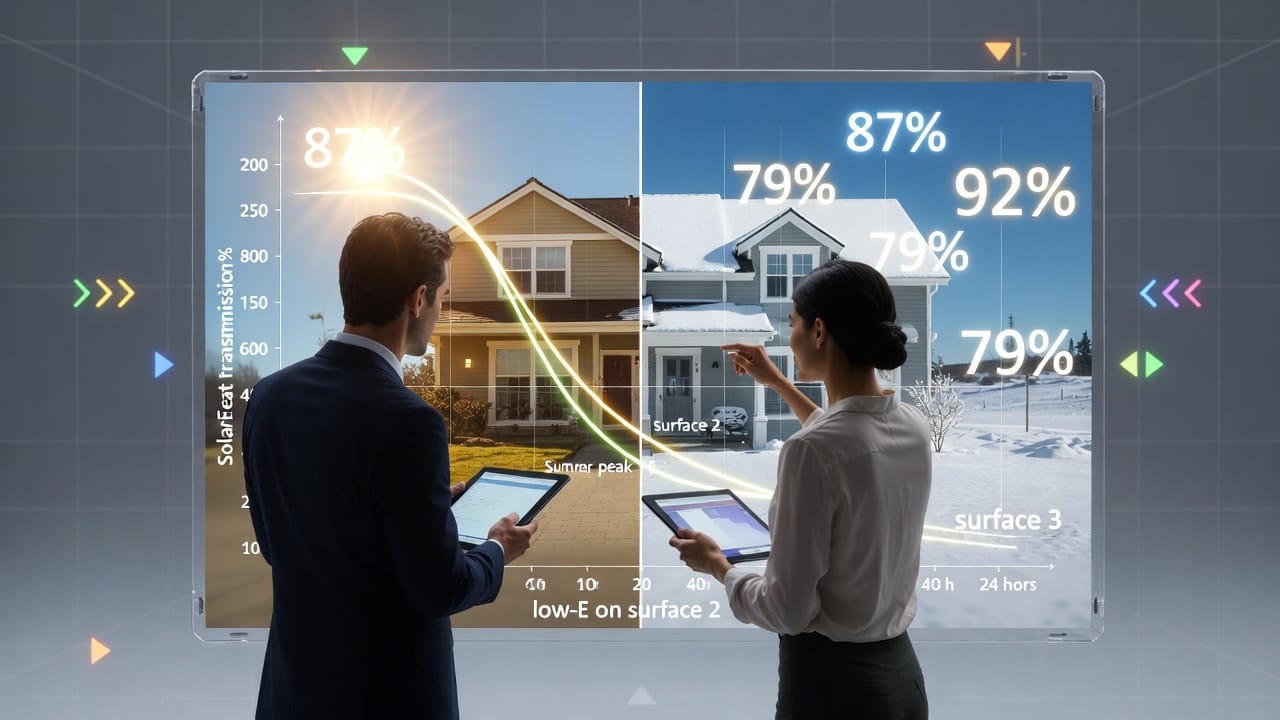
Incoming solar radiation strikes the outer glass first. A portion is reflected, but much of the near-infrared energy transmits through and reaches the coating immediately. The low-E layer reflects this energy back outward before it can be absorbed and re-radiated into the building. Result? Dramatically reduced SHGC—often 0.25–0.35 versus 0.60+ for clear double glazing.
When the coating is on surface 3 (inner lite, cavity side):
Solar energy travels through the outer lite and gas space before encountering the coating. More short-wave solar radiation enters the cavity and warms the inner pane, which then gently radiates beneficial warmth into the room. This configuration yields a higher SHGC (typically 0.40–0.55), ideal for capturing free winter solar gain.
For U-factor (overall heat loss rate), both positions deliver excellent results when paired with argon fill—usually 0.24–0.30 BTU/hr·ft²·°F. However, surface 3 placement often edges out slightly better winter-night performance because room-side heat is reflected back inward more directly after crossing a shorter effective path.
These differences may appear small on paper, yet over an entire heating or cooling season they translate into thousands of dollars in savings and noticeably more stable indoor temperatures.
How SHGC and U-Factor Interact with Real Climates
SHGC measures the fraction of solar radiation that enters a building through the window. Lower values keep interiors cooler in summer; moderate values harness passive solar heating in winter.
U-factor quantifies conductive, convective, and radiative heat loss. Lower numbers mean better insulation year-round.
The optimal balance depends entirely on your local climate:
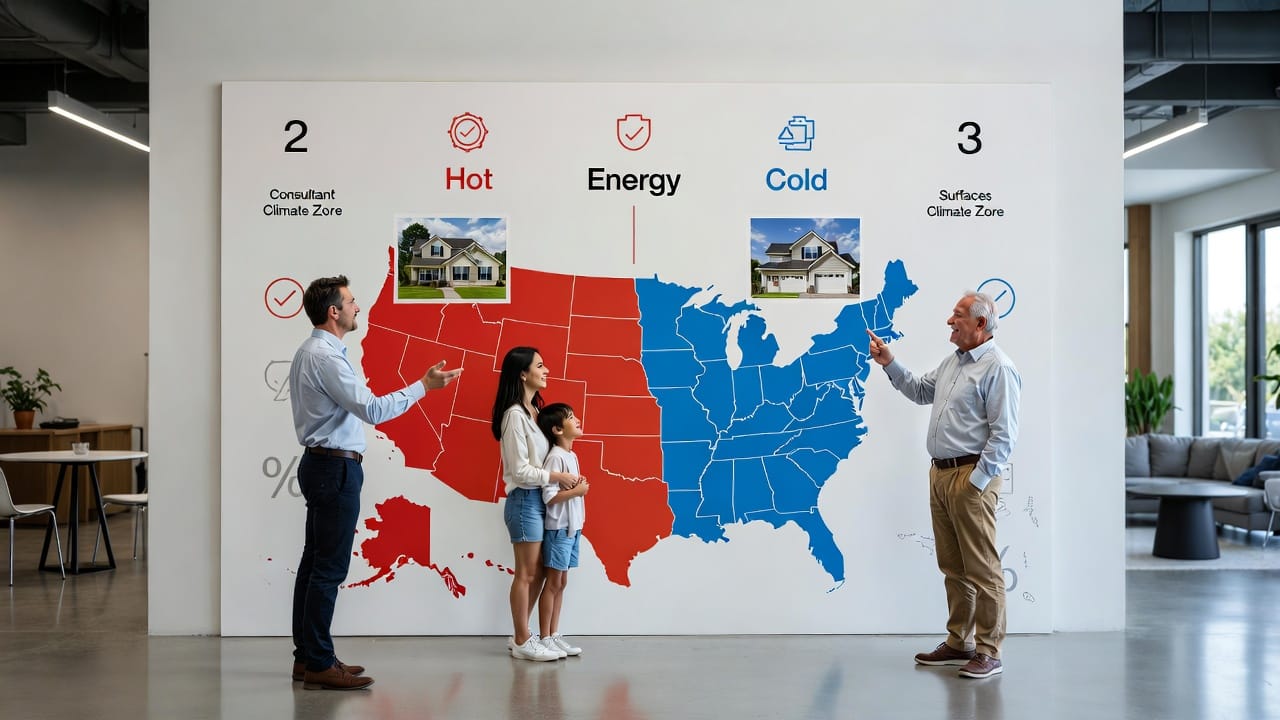
Hot Climates – Prioritize Surface 2
In sun-drenched regions like the Southwest or Southeast, cooling loads dominate. Placing low-E on surface 2 blocks unwanted solar heat at the first opportunity. Homeowners report up to 30 % lower air-conditioning costs and reduced glare without heavy tints that darken rooms. The coating keeps the cavity cooler, minimizing convective loops that would otherwise carry heat inward.
Cold Climates – Choose Surface 3
In northern states with long winters, every bit of free solar energy counts. Low-E on surface 3 permits higher SHGC, allowing sunlight to warm interior surfaces during the day while still reflecting room heat back inside at night. This passive-solar strategy can cut heating bills significantly and create brighter, more inviting living spaces even on short winter days.
Mixed or Temperate Climates
Many areas experience both extremes. Here, advanced selective coatings or even triple-pane options with coatings on multiple surfaces provide the best of both worlds. Professional energy modeling helps pinpoint the sweet spot.
Real-World Performance Data and Measurable Benefits
Consider a standard south-facing window in a 2,500-square-foot home. With low-E on surface 2 in a hot climate, annual cooling energy savings can exceed 1,200 kWh compared with standard clear glass. In a cold climate, surface 3 placement can reduce heating demand by 800–1,000 kWh while maintaining higher daylight levels.
These gains compound: lower peak loads mean smaller HVAC equipment, reduced wear, and quieter operation. Indoor comfort improves dramatically—no more hot spots near south windows or chilly drafts near north exposures.
Key advantages of correct low-E placement include:
- Up to 50 % reduction in energy consumption for heating and cooling
- Enhanced UV protection that preserves furnishings and flooring
- Better sound attenuation from the sealed IGU
- Condensation resistance on the interior glass
- Longer window lifespan due to balanced thermal stresses
Debunking Common Myths About Low-E Coatings
Myth 1: “All low-E glass performs the same.”
Reality: Performance varies dramatically by surface location and coating type.
Myth 2: “Low-E makes windows too dark.”
Reality: Modern selective coatings maintain visible transmittance above 70 %, preserving bright, natural interiors.
Myth 3: “Coating location doesn’t matter in my mixed climate.”
Reality: Even slight seasonal shifts make the difference between comfortable rooms and constant thermostat adjustments.
Myth 4: “Argon gas alone is enough.”
Reality: Without low-E, the gas fill loses effectiveness as radiation still crosses the cavity freely.
Choosing the Right Glazing Configuration for Your Home
Professional glazing specialists begin with a detailed site assessment: climate zone, window orientation, shading from trees or overhangs, and your family’s comfort priorities. North-facing windows may tolerate higher SHGC even in warmer areas, while west-facing exposures often demand the strongest solar control.
Look for NFRC ratings on every product. These independent labels list exact SHGC, U-factor, and visible transmittance so you can compare apples to apples. Ask your supplier to model whole-house performance using recognized software—never rely on rule-of-thumb recommendations alone.
Custom solutions abound:
- Solar-control low-E on surface 2 for sun-heavy exposures
- Passive low-E on surface 3 for north and east exposures
- Dual coatings in triple-pane units for extreme climates
Practical Tips for Homeowners and Builders
- Always request climate-specific recommendations rather than generic “energy-efficient” glass.
- Consider whole-window performance, not just center-of-glass ratings.
- Pair low-E IGUs with thermally broken frames to eliminate the weakest link.
- Schedule professional installation—proper sealing ensures the IGU performs as engineered for decades.
- Plan for future upgrades; many manufacturers offer retrofit options that maintain original frames while updating glazing.
The Long-Term Value of Informed Glazing Decisions
Investing in the correct low-E coating location pays dividends far beyond the first utility bill. Homes equipped with climate-optimized glazing command higher resale values, qualify for greater energy rebates, and provide healthier living environments with stable humidity and fewer allergens trapped by constant HVAC cycling.
Families report sleeping better, enjoying year-round use of sunrooms, and feeling genuine pride in their sustainable home choices. Builders and architects who specify surface-appropriate low-E earn reputations for delivering truly high-performance projects.
Get the Right Glass for Your Climate
No two homes or climates are identical, which is why personalized guidance matters. Whether you need aggressive solar control for blistering summers or maximum passive gain for chilly winters, the experts at our glazing center stand ready to translate technical specifications into beautiful, high-performing windows tailored exactly to your needs.
Discuss glazing options and discover the perfect low-E coating location for your home today.
Your comfort, your energy savings, and your peace of mind begin with the right surface choice. Let us help you make the decision that performs beautifully for years to come.
Optimize Your Windows for Maximum Energy Savings – Call Today