The Invasive Species Alert: Trees That Should Be Removed to Protect Native Ecosystems

In today's world of environmental awareness, ecological responsibility is more than a buzzword—it's a call to action. As stewards of our planet, we must recognize the silent threats posed by invasive tree species that disrupt local habitats. These trees, often introduced with good intentions, can quickly become ecological bullies, outcompeting native plants and harming biodiversity. But here's the reassuring truth: by identifying and removing them thoughtfully, we can restore balance and let native ecosystems flourish. This article explores common invasive trees like the Tree of Heaven, Bradford Pear, and Russian Olive, explaining why their removal is essential, even when they look perfectly healthy. We'll delve into the benefits for local wildlife, soil health, and overall environmental resilience, empowering you to make informed decisions for a greener future.
Protect Native Ecosystems – Schedule Removal Today
Understanding Invasive Trees: A Growing Concern
Invasive species are non-native organisms that spread aggressively, causing harm to the environment, economy, or human health. When it comes to trees, these invaders often arrive through landscaping, agriculture, or accidental transport. They thrive without natural predators, leading to rapid domination of landscapes. According to ecological experts, invasive trees can reduce native plant diversity by up to 90% in affected areas, altering entire ecosystems.
Why do they pose such a risk? Invasive trees like those we'll discuss produce allelopathic chemicals that inhibit the growth of surrounding plants, monopolize water and nutrients, and provide poor habitat for local wildlife. Yet, they often appear robust and attractive, luring unsuspecting homeowners into planting them. The good news is that professional removal services can handle this safely, preventing long-term damage and promoting native biodiversity.
- Key Risks of Ignoring Invasives: Reduced soil fertility, increased erosion, and loss of pollinator habitats.
- Benefits of Proactive Removal: Enhanced ecosystem resilience, better carbon sequestration by natives, and aesthetic improvements over time.
By focusing on ecological tree removal, we not only address immediate threats but also invest in sustainable landscapes that support future generations.
Spotlight on the Tree of Heaven: A Persistent Invader
The Tree of Heaven (Ailanthus altissima), originally from China, was introduced to North America in the 18th century for ornamental and medicinal purposes. Today, it's one of the most notorious invasives, earning the nickname "stink tree" due to its foul odor when crushed. This fast-growing species can reach heights of 80 feet, sprouting in disturbed soils like urban lots, roadsides, and forests.
What makes it so problematic? The Tree of Heaven releases toxins into the soil that suppress native vegetation, creating monocultures where little else can grow. It also hosts the spotted lanternfly, an invasive insect that damages crops and other trees. Even healthy-looking specimens spread via root suckers and wind-dispersed seeds, invading up to 100 feet away annually.
Removing the Tree of Heaven isn't just advisable—it's crucial for protecting native oaks, maples, and understory plants. Professional arborists use methods like girdling or herbicide application (applied responsibly to minimize environmental impact) to ensure complete eradication. The result? Native species rebound, fostering habitats for birds, insects, and mammals that rely on diverse foliage.
- Identification Tips: Look for compound leaves with 11-41 leaflets, smooth gray bark with diamond patterns, and clusters of yellowish flowers in summer.
- Ecological Impact: Displaces native trees, reducing forest canopy diversity and increasing vulnerability to pests.
Rest assured, with expert intervention, your property can transition from invasion to thriving native haven.
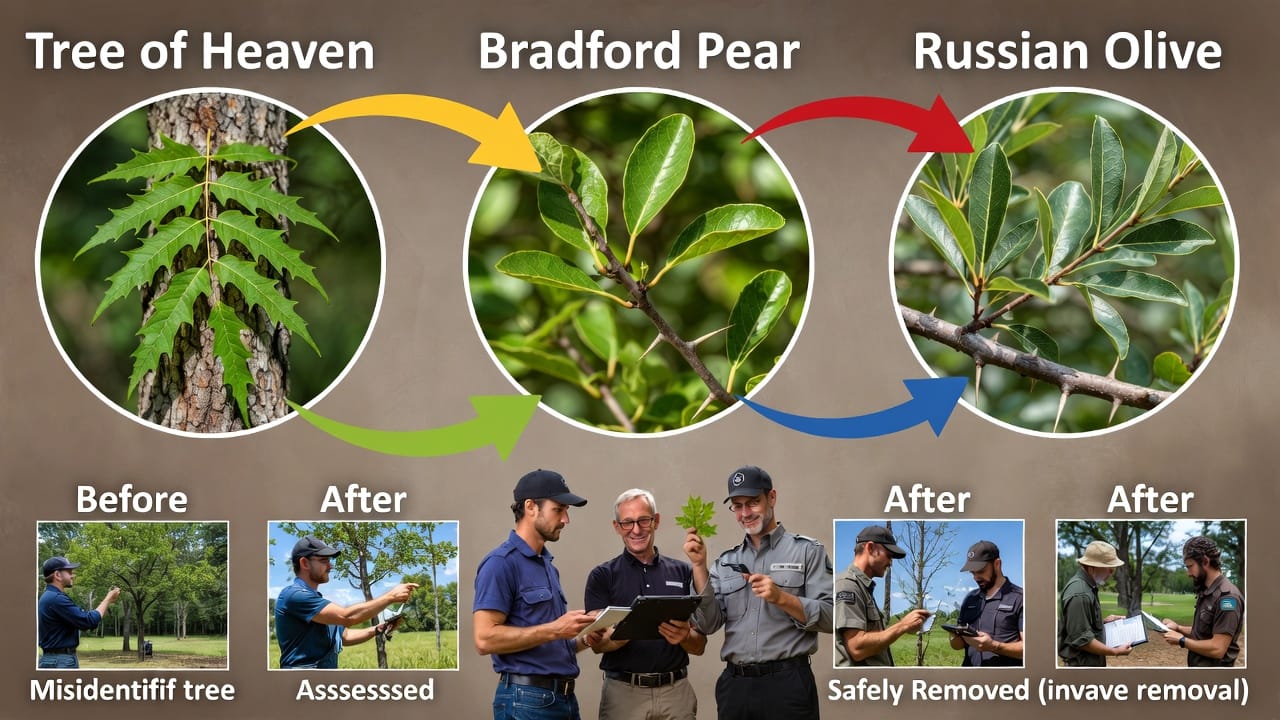
The Bradford Pear Dilemma: Beauty with a Hidden Cost
Often planted for its stunning white spring blossoms and symmetrical shape, the Bradford Pear (Pyrus calleryana) has become a landscape staple in suburban areas. Native to Asia, it was promoted as a sterile ornamental in the mid-20th century. However, cross-pollination with other pears has led to fertile seeds, allowing it to escape cultivation and invade wild spaces.
Despite its appealing appearance, this tree is a biodiversity thief. Its dense canopy shades out native undergrowth, while its fruits—eaten by birds—spread seeds far and wide, leading to thickets that choke streams and fields. Structurally weak branches make it prone to storm damage, creating hazards and debris that further disrupt habitats. In regions like the Midwest and Southeast U.S., Bradford Pears have reduced native wildflower populations, impacting pollinators like bees and butterflies.
The authoritative approach? Remove them to make way for natives like serviceberry or redbud, which offer similar beauty with ecological benefits. Safe removal involves cutting at the base and treating stumps to prevent regrowth, often done by certified teams to avoid spreading seeds. This not only protects local ecosystems but also enhances property safety and value.
- Why It Outcompetes Natives: Rapid growth rate (up to 4 feet per year) and tolerance to poor soils give it an edge.
- Biodiversity Boost Post-Removal: Increased light penetration allows wildflowers and shrubs to return, supporting a richer food web.
By choosing invasive tree removal services, you're contributing to a healthier planet—one yard at a time.
Russian Olive: The Thorny Takeover in Arid Lands
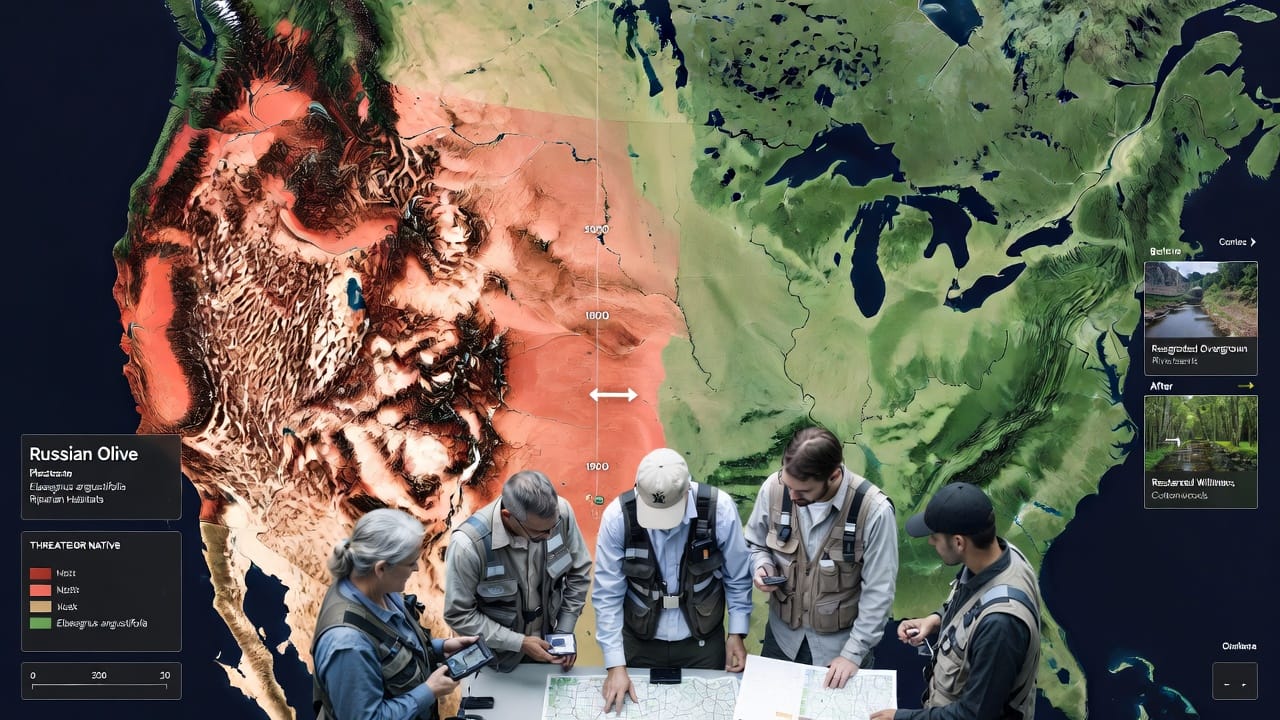
Hailing from Eurasia, the Russian Olive (Elaeagnus angustifolia) was introduced to the U.S. in the 1800s for windbreaks, erosion control, and wildlife habitat. Its silvery leaves and olive-like fruits give it a deceptively charming look, but this nitrogen-fixing shrub-tree hybrid aggressively alters riparian zones and drylands.
The issue lies in its ability to change soil chemistry, making it inhospitable for natives while thriving in disturbed areas. It forms impenetrable thickets along rivers, reducing water flow and displacing cottonwoods and willows essential for aquatic life. Wildlife may eat its fruits, but they provide inferior nutrition compared to native berries, leading to malnourished populations.
Even if a Russian Olive appears vigorous, its removal restores hydrological balance and native plant communities. Techniques include mechanical pulling for young trees or targeted herbicides for mature ones, always prioritizing minimal disturbance. Post-removal, areas see a resurgence in biodiversity, with improved habitat for fish, birds, and amphibians.
- Spread Mechanisms: Birds and water disperse seeds, enabling colonization of vast areas.
- Long-Term Benefits: Healthier waterways, reduced flood risks, and revived native grasslands.
Trust in professional assessments to ensure removal is done ecologically, preserving the integrity of your local environment.
Why Remove Healthy-Looking Invasives? The Bigger Picture
It's counterintuitive to cut down a tree that seems thriving, but ecological responsibility demands it. Invasive species like these don't just compete—they transform ecosystems irreversibly if left unchecked. They reduce genetic diversity, making native populations more susceptible to diseases and climate change. Removal, however, triggers a cascade of positives: natives reclaim space, pollinators return, and carbon storage improves as diverse forests sequester more effectively.
Consider the ripple effects. In invaded areas, soil erosion increases due to shallow root systems, while water quality declines from altered nutrient cycles. By contrast, native trees support complex food webs, from insects to apex predators. Studies show that post-removal sites can see a 50-70% increase in native species within five years, proving that intervention works.
- Common Myths Debunked: "They're pretty, so they're harmless"—aesthetics don't equal ecological value. "Removal harms wildlife"—short-term disruption leads to long-term gains.
- Sustainable Alternatives: Plant natives like American holly or eastern redbud for beauty without the backlash.
With an authoritative plan, removing invasives is a win for everyone involved.
Safe and Effective Removal Strategies
Approaching removal requires care to avoid further spread. Always consult professionals who use Integrated Pest Management (IPM) techniques, combining mechanical, chemical, and cultural methods. For instance:
- Mechanical Removal: Cutting and mulching for small infestations.
- Chemical Control: Targeted applications to stumps, applied by licensed experts.
- Follow-Up Monitoring: Replanting natives and checking for regrowth.
This ensures minimal impact on non-target species. Homeowners can start by mapping invasives on their property, but leave the heavy lifting to certified arborists for safety and efficacy.
The Path Forward: Embracing Native Resilience
In conclusion, invasive trees like the Tree of Heaven, Bradford Pear, and Russian Olive pose significant threats, but their removal paves the way for vibrant, resilient ecosystems. Remove invasives to let natives thrive.
Responsible Invasive Removal Starts Here – Contact Us