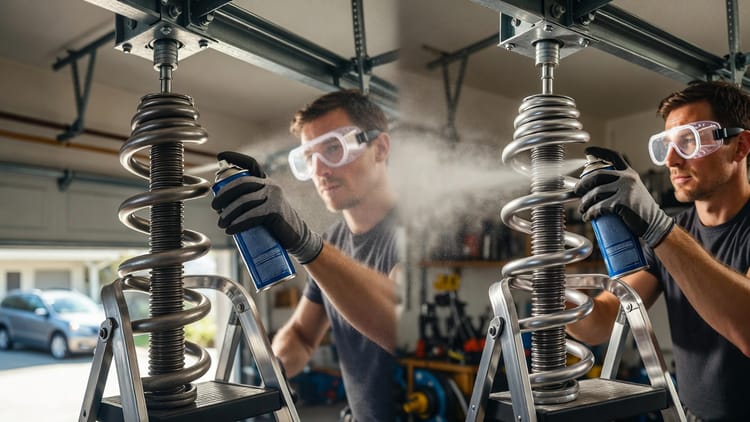
The Insulated Garage Door: A Critical Component in Your Home's Thermal Envelope

In today's energy-conscious world, homeowners are increasingly focused on optimizing their living spaces for comfort and efficiency. Often overlooked, the garage door acts as one of the largest "walls" in your home, especially if your garage is attached to the main structure. This expansive surface can be a major source of energy loss, allowing heat to escape in winter or infiltrate during summer. By upgrading to an insulated garage door—particularly one with a polyurethane foam core—you can significantly enhance your home's thermal envelope, the barrier that separates indoor comfort from outdoor elements.
Stop Heat Loss & Lower Bills – Request Your Insulated Door Today!
Think of your garage door not as a mere entry point, but as a critical component in maintaining stable indoor temperatures. For attached garages, which share walls with living areas like kitchens or bedrooms, an uninsulated door can lead to drafts, uneven heating, and higher utility bills. Finished garages, used as workshops or bonus rooms, benefit even more from insulation, turning potential energy wasters into efficient extensions of your home. In this comprehensive guide, we'll explore how insulated doors prevent heat transfer and cold infiltration, stabilize temperatures in adjacent spaces, and contribute to overall home energy efficiency. Rest assured, making this upgrade is a straightforward step toward a more sustainable and comfortable living environment.
Understanding Your Home's Thermal Envelope
Your home's thermal envelope encompasses all the elements—walls, roofs, windows, and doors—that control the flow of heat, air, and moisture. It's the invisible shield that keeps your indoor climate consistent, reducing the workload on your HVAC system. When we frame the garage door as a major wall, it becomes clear why insulation matters: a standard single-layer steel door offers little resistance to temperature fluctuations, often with an R-value (a measure of thermal resistance) of just 0 to 3.
In contrast, insulated garage doors incorporate layers of material designed to block conductive heat transfer, where heat moves through solid materials, and convective transfer, involving air movement. For homes in variable climates, this means less strain on heating and cooling systems. According to energy experts, garages can account for up to 30% of a home's total heat loss if uninsulated. By sealing this gap, you're not just saving money—you're enhancing the longevity of your home's systems and improving indoor air quality by minimizing drafts that carry dust and allergens.
- Key Benefits for Attached Garages: Stabilizes temperatures in shared walls, preventing cold spots in adjacent rooms.
- Advantages for Finished Garages: Maintains a usable space year-round, ideal for hobbies or storage without excessive energy use.
- Overall Impact: Contributes to a tighter thermal envelope, potentially qualifying for energy rebates in many regions.
This approach is particularly vital in regions with extreme weather, where temperature swings can exacerbate energy inefficiencies. Homeowners who invest in insulation report noticeable improvements in comfort, often describing their garages as "extensions of the living space" rather than chilly annexes.
How Insulated Garage Doors Prevent Heat and Cold Transfer
At the heart of an effective insulated garage door is its construction. Modern doors feature multiple layers: an outer skin (typically steel or aluminum for durability), an inner layer, and a core filled with insulating material. The star performer here is polyurethane foam, a dense, injected foam that expands to fill every crevice, providing superior thermal resistance compared to other options.
Polyurethane foam cores work by trapping air in tiny cells, which acts as a barrier to heat flow. This material has a high R-value—often 12 to 18 per inch—making it far more effective than traditional fiberglass or polystyrene. When temperatures drop outside, the foam prevents cold from seeping into the garage, which in turn keeps adjacent rooms warmer. In hot climates, it blocks solar heat gain, reducing the need for air conditioning.
Moreover, these doors often include weatherstripping and bottom seals to combat air infiltration. Without insulation, wind-driven air can push through gaps, creating pressure differences that force conditioned air out. An insulated door minimizes this, stabilizing garage temperatures and preventing fluctuations that could affect the entire home. For instance, in an attached garage, an uninsulated door might cause the thermostat in a nearby room to cycle more frequently, wasting energy.
Studies from building science organizations highlight that insulated doors can reduce heat transfer by up to 70% in controlled tests. This isn't just theoretical—real-world applications show homes with insulated garages maintaining more consistent humidity levels, which protects stored items from mold or rust. Rest easy knowing that this technology is proven, durable, and designed to withstand daily use without compromising performance.
Stabilizing Temperatures in Adjacent Rooms and the Garage
One of the most immediate benefits of an insulated garage door is temperature stabilization. In attached setups, the garage shares at least one wall with living spaces, turning the door into a potential thermal bridge—a pathway for unwanted temperature exchange. An uninsulated door exacerbates this, allowing cold winter air to chill the garage floor and walls, which then radiates into the home.
By contrast, a door with a polyurethane foam core acts as a buffer. It maintains garage temperatures closer to indoor levels, reducing the "stack effect" where warm air rises and escapes through upper levels. This stability extends to adjacent rooms: no more drafty kitchens or bedrooms feeling the chill from the garage side. Homeowners often notice a difference within days of installation, with HVAC systems running less frequently.
For finished garages—those converted into gyms, offices, or playrooms—insulation is essential for usability. Without it, these spaces can become uncomfortably hot or cold, limiting their potential. An insulated door ensures the area remains energy-efficient, integrating seamlessly into your home's thermal envelope. Bullet points below outline the ripple effects:
- Reduced Energy Consumption: Less need for supplemental heating or cooling in the garage.
- Enhanced Comfort: Eliminates cold floors and walls that affect nearby areas.
- Protection for Vehicles and Belongings: Stable temperatures prevent battery drain in cars or damage to tools and equipment.
In essence, this upgrade transforms your garage from a liability into an asset, contributing to a balanced, efficient home environment.
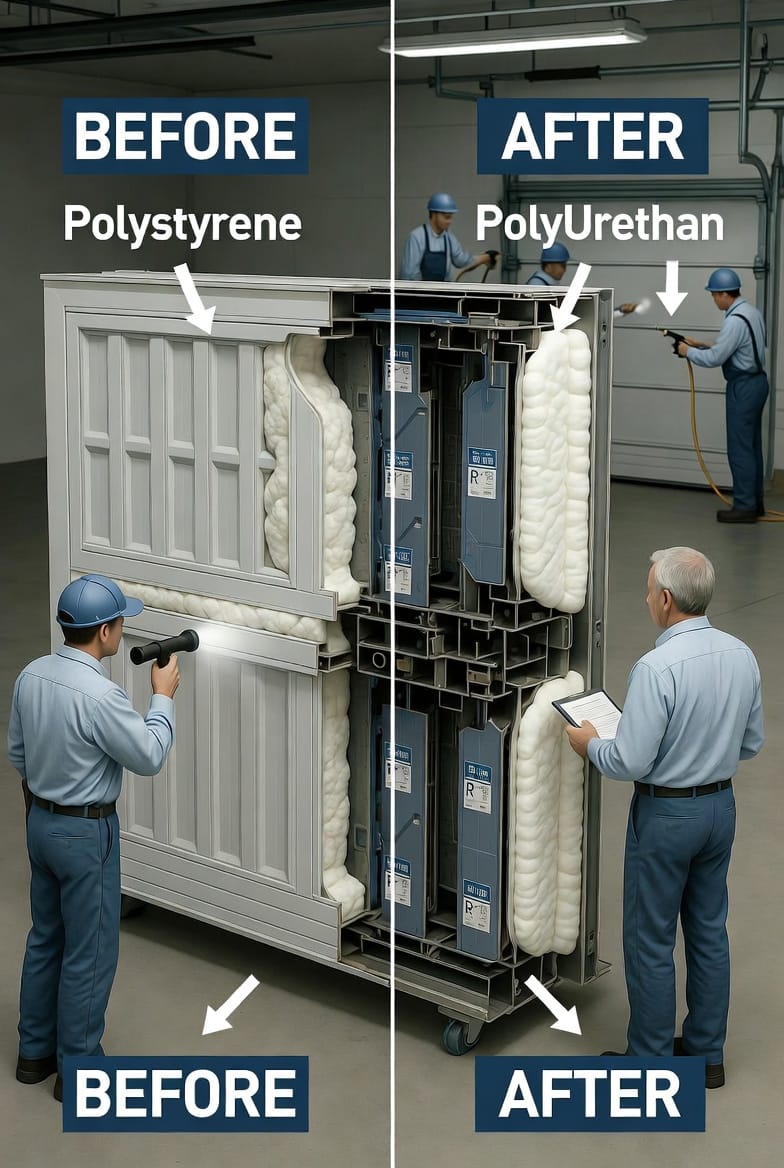
Comparing Insulation Core Types: Polystyrene vs. Polyurethane
When selecting an insulated garage door, understanding core materials is key. Polystyrene—often in rigid panels—is a common, affordable option with R-values around 4 to 6 per inch. It's lightweight and easy to install but can leave air pockets if not fitted perfectly, reducing overall effectiveness.
Enter polyurethane foam, which is injected as a liquid and expands to conform to the door's shape. This creates a seamless, high-density barrier with R-values up to 18 per inch, offering better resistance to heat transfer and cold infiltration. Polyurethane also adds structural strength, making the door quieter and more resistant to dents.
- R-Value Differences: Polystyrene: 4-6/inch; Polyurethane: 12-18/inch—up to triple the efficiency.
- Durability: Polyurethane withstands temperature extremes without degrading.
- Installation Considerations: Both can be retrofitted, but polyurethane's expansion ensures a tighter seal.
Choosing polyurethane is a wise investment for long-term savings, especially in climates with harsh winters or scorching summers. It's reassuring to know that this material is environmentally friendly in many formulations, with low VOC emissions.
Contribution to Overall Home Energy Efficiency
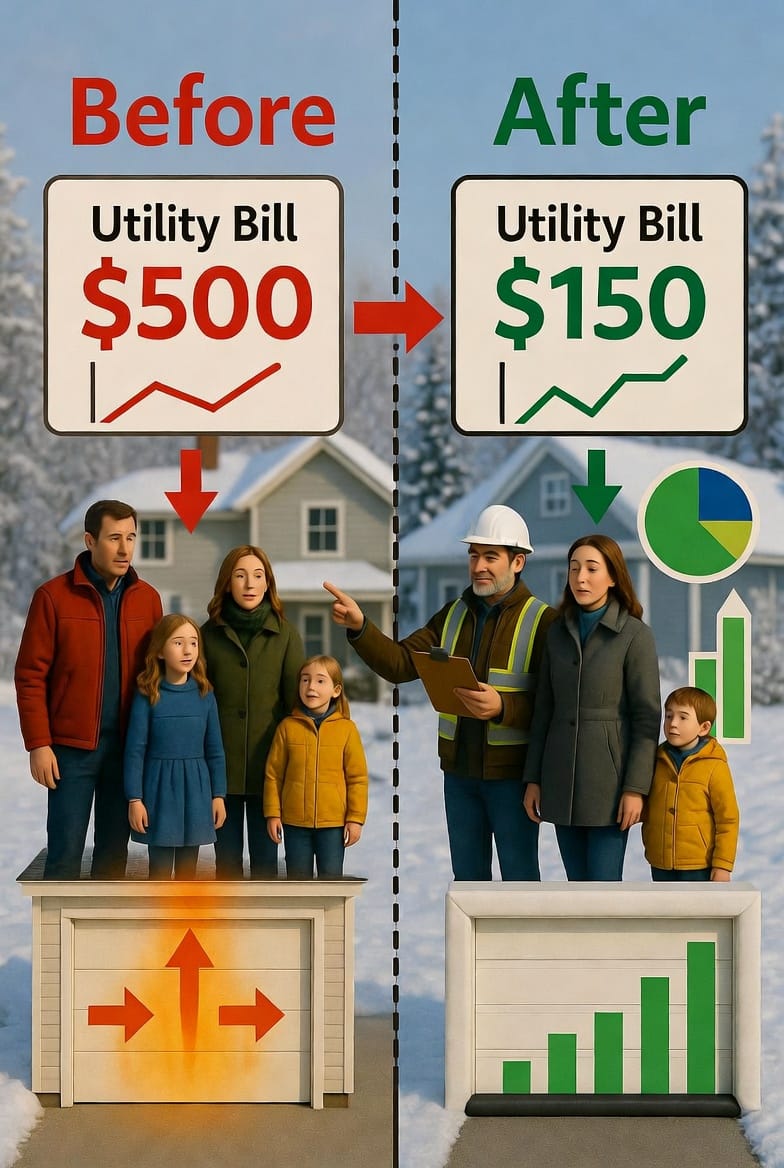
Integrating an insulated garage door into your home's strategy amplifies energy efficiency across the board. For attached garages, it prevents the "garage effect," where unconditioned air influences the whole house. This leads to lower energy bills—estimates suggest savings of 10-20% on heating/cooling costs annually.
In finished garages, insulation supports efficient use of space heaters or AC units, minimizing overall consumption. Pairing with other upgrades like LED lighting or smart thermostats maximizes benefits. Energy audits often identify garage doors as prime targets for improvement, and incentives from utilities can offset costs.
Broader impacts include reduced carbon footprint and increased home value. Buyers prioritize energy-efficient features, making this a smart resale boost. With rising energy prices, such measures provide peace of mind and financial security.
Calculating Potential Energy Savings
Upgrading pays off quickly. Consider a 16x7-foot garage door in a moderate climate like the Midwest. An uninsulated door might lose 500-1,000 kWh annually through heat transfer. Switching to a polyurethane-insulated model with R-16 could save 300-600 kWh, translating to $50-100 yearly at average rates.
Factors influencing savings:
- Climate Zone: Harsher areas see greater returns.
- Door Usage: Frequent openings amplify losses in uninsulated models.
- Home Size: Larger attached garages benefit more proportionally.
Tools like online calculators from energy departments can personalize estimates, but the math is clear: insulation recoups costs in 3-5 years.
Upgrading Your Garage Door: Practical Steps
Transitioning to an insulated model is simpler than you might think. Start with a professional assessment to measure your current door's efficiency. Look for doors rated by the Door & Access Systems Manufacturers Association (DASMA) for verified R-values.
Installation typically takes a day, with minimal disruption. Costs range from $800-$2,500, depending on size and features like windows or smart openers. Maintenance is straightforward: regular lubrication and seal checks ensure longevity.
For those in attached or finished garages, prioritize models with reinforced polyurethane for maximum impact. Rest assured, reputable installers handle everything, from removal to fine-tuning.
Conclusion: Seal the Deal on Energy Efficiency
Your garage door is more than an entrance—it's a vital part of your home's thermal envelope. By choosing an insulated garage door with a polyurethane foam core, you prevent heat and cold transfer, stabilize temperatures, and boost overall energy efficiency. This upgrade is a reliable, authoritative choice for comfort and savings.
Stop Heat Loss & Lower Bills – Request Your Insulated Door Today!