The Homeowner's Handbook to Energy-Efficient Window Selection and Installation
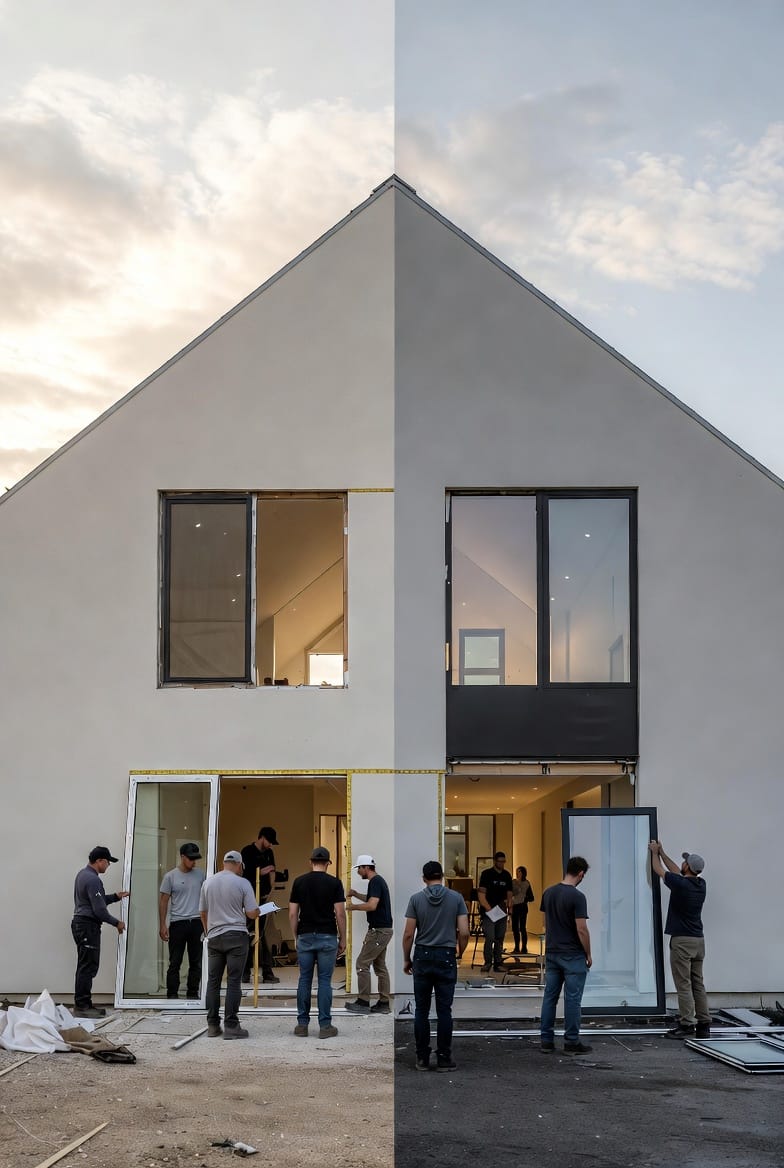
As a homeowner, selecting and installing energy-efficient windows can feel overwhelming, but it's one of the smartest investments for your comfort, wallet, and the environment. Rest assured, with the right knowledge, you can make informed choices that reduce energy bills and enhance your living space. This comprehensive guide decodes key performance ratings, compares popular frame materials, and emphasizes the critical role of professional installation. By the end, you'll feel empowered to upgrade your home efficiently.
Stop Drafts & Slash Bills – Get Your Free Window Assessment Now!
Understanding Window Performance Ratings: Your Key to Efficiency
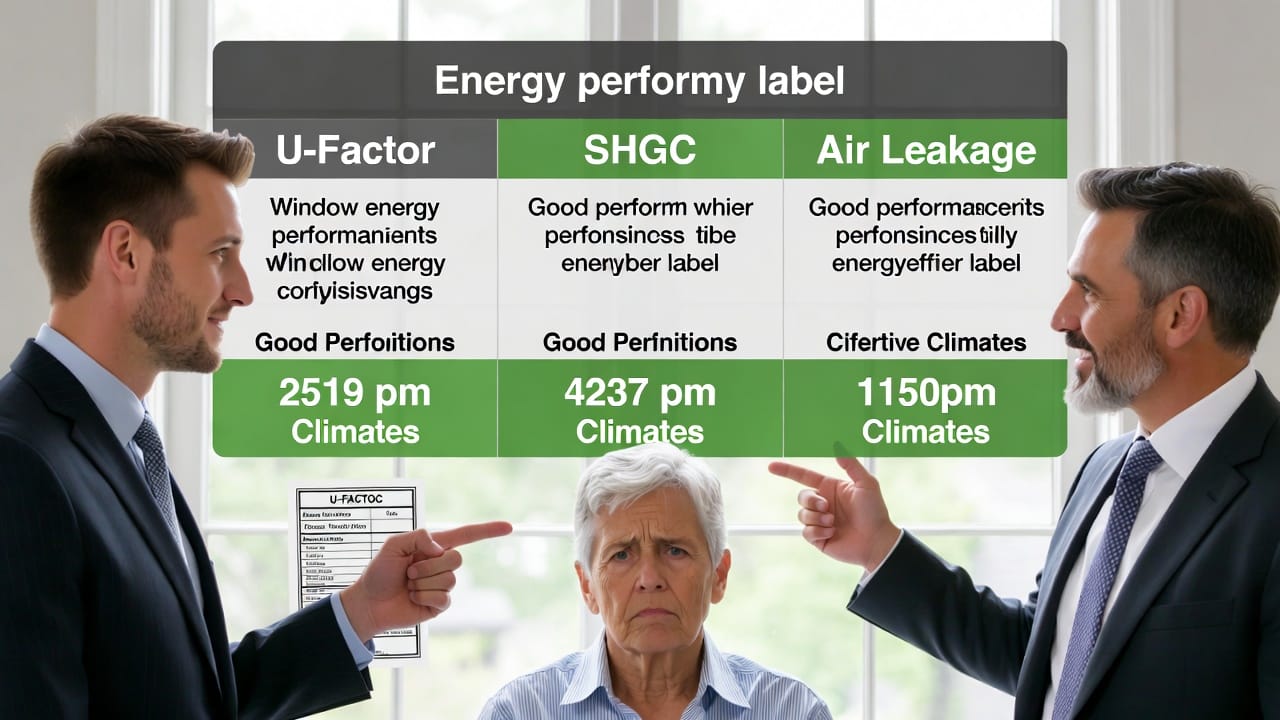
Windows aren't just glass panes; they're barriers against the elements. To choose wisely, start by understanding performance ratings from organizations like the National Fenestration Rating Council (NFRC). These labels provide objective data to compare options based on your climate and needs.
- U-Factor: This measures how well a window insulates against heat loss. Lower numbers mean better insulation – think of it as your window's "thermal resistance." In colder climates, aim for a U-Factor of 0.30 or below to keep warmth inside during winter. For milder areas, 0.35 might suffice, preventing unnecessary energy waste from heating systems.
- Solar Heat Gain Coefficient (SHGC): SHGC indicates how much solar heat passes through the window. Values range from 0 to 1; lower is better in hot climates to block unwanted heat, reducing air conditioning costs. In cooler regions, a higher SHGC (around 0.40-0.60) harnesses free solar warmth, balancing energy use year-round.
- Air Leakage: Measured in cubic feet per minute per square foot (cfm/ft²), this rating shows how much air infiltrates through cracks. Look for 0.30 or less to minimize drafts, which can account for up to 30% of home energy loss. Tight seals ensure your HVAC system works efficiently, not overtime.
Decoding these ratings empowers you to select windows tailored to your home's location. For instance, in northern states, prioritize low U-Factor and moderate SHGC; southern homes benefit from low SHGC to combat heat gain. Always check for ENERGY STAR certification, which guarantees compliance with regional efficiency standards.
Comparing Frame Materials: Durability Meets Efficiency
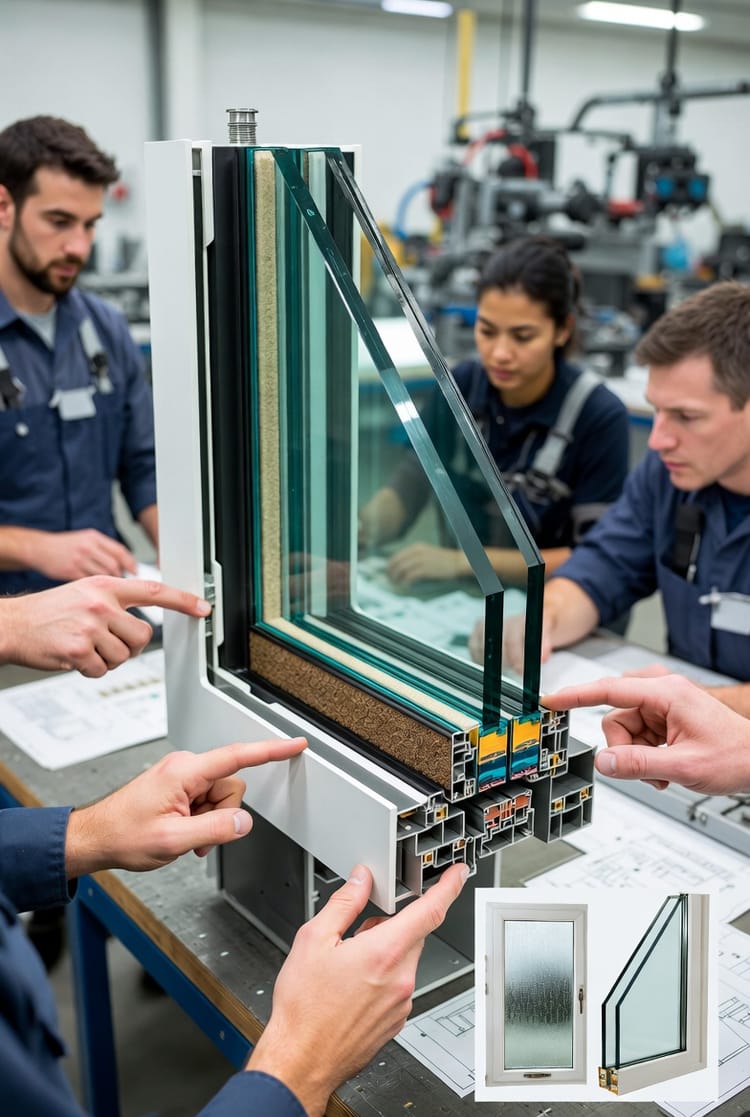
The frame material significantly impacts a window's longevity, maintenance, and energy performance. Let's break down the top contenders – vinyl, fiberglass, and wood-clad – to help you weigh pros and cons.
- Vinyl Frames: Affordable and low-maintenance, vinyl excels in insulation thanks to its non-conductive nature. It's resistant to moisture and rot, making it ideal for humid climates. However, in extreme heat, vinyl can expand, potentially affecting fit. Energy-wise, multi-chambered vinyl frames achieve excellent U-Factors (as low as 0.25), but they may lack the aesthetic appeal of natural materials.
- Fiberglass Frames: Stronger than vinyl, fiberglass offers superior thermal performance with minimal expansion or contraction. It's paintable for customization and withstands harsh weather without warping. While pricier upfront, its durability reduces long-term costs. Fiberglass often pairs with low-E glass for optimal SHGC control, making it a top choice for energy-conscious homeowners in variable climates.
- Wood-Clad Frames: Combining the warmth of interior wood with exterior aluminum or vinyl cladding, these frames provide timeless beauty and excellent insulation. Wood naturally resists heat transfer, supporting low U-Factors, but cladding protects against weathering. They're customizable but require more maintenance on the interior. In historic homes, wood-clad maintains charm while boosting efficiency.
When comparing, consider your budget, home style, and local weather. Vinyl suits budget-friendly upgrades; fiberglass for high-performance needs; wood-clad for aesthetic-driven projects. All can achieve high efficiency when paired with quality glass and proper seals.
Why Professional Installation is Paramount for Peak Performance
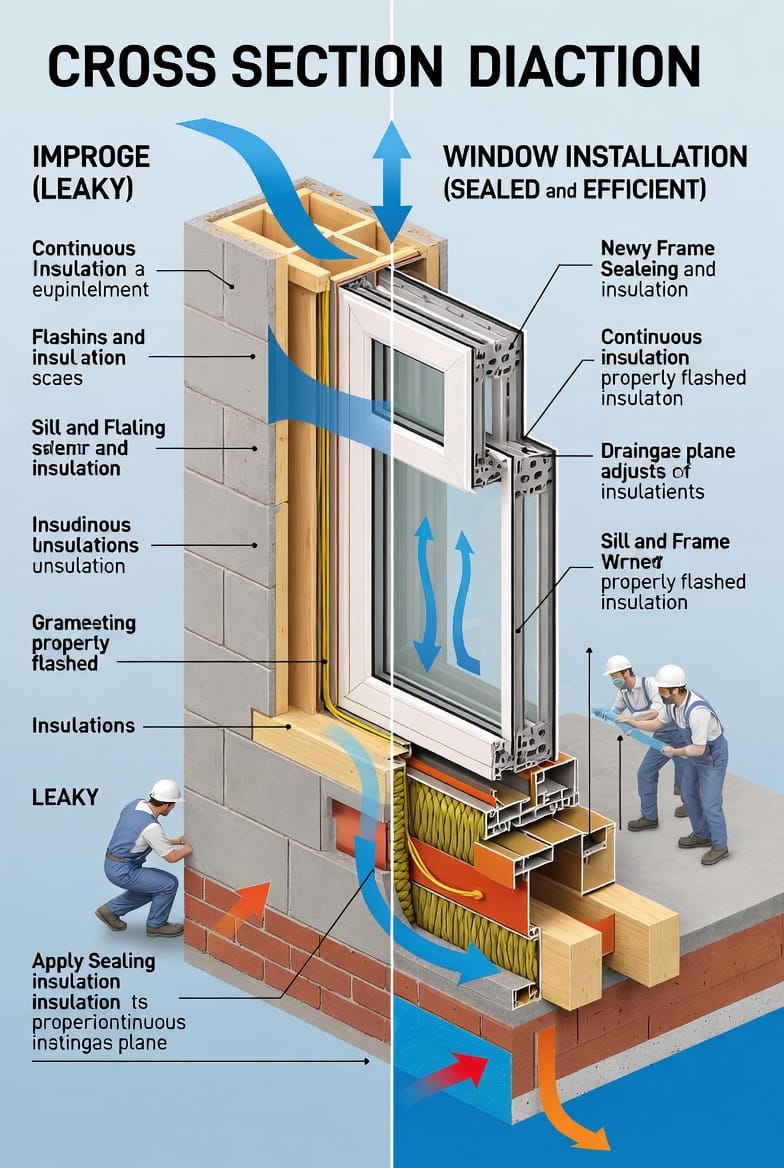
Even the best energy-efficient windows underperform without proper installation. DIY attempts often lead to gaps, misalignment, or poor sealing, resulting in air leaks, condensation, and higher bills. Professional installers ensure every detail aligns with manufacturer specs and building codes, maximizing your investment.
Here's why skipping pros is a risk:
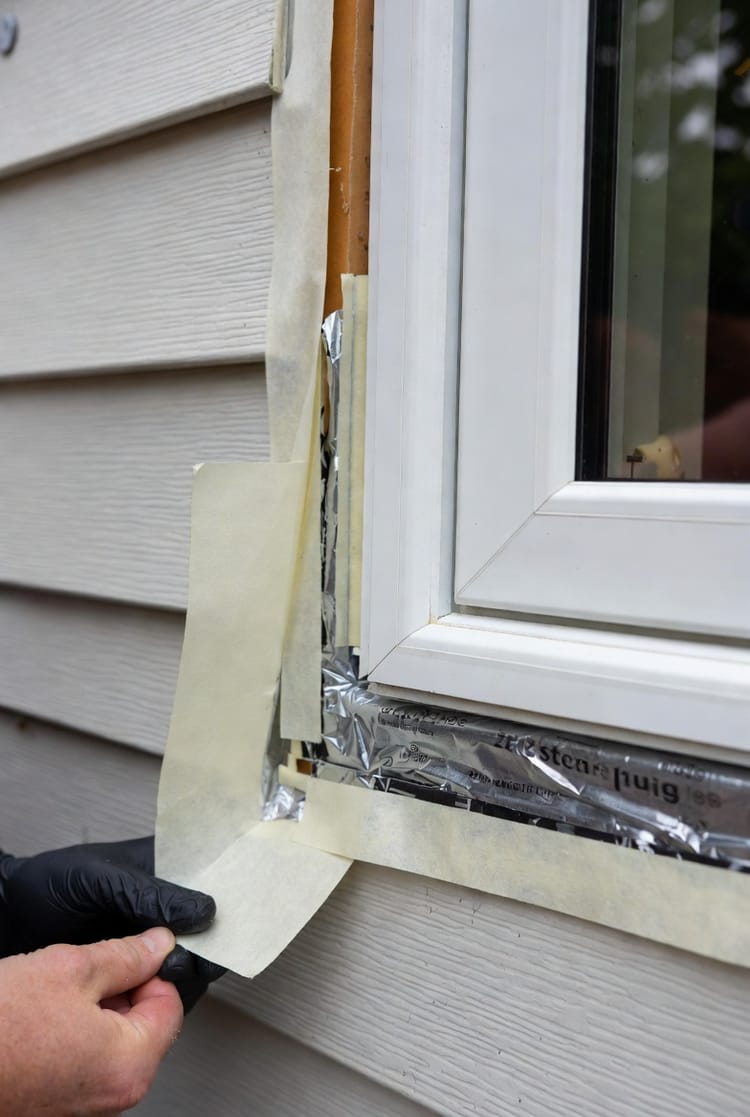
- Precision Fit and Sealing: Windows must integrate seamlessly with your home's structure. Pros use advanced tools to measure, level, and secure frames, applying weatherproof flashing and caulk to prevent water intrusion – a common cause of mold and inefficiency.
- Insulation Optimization: During installation, experts add insulation around frames, reducing thermal bridging where heat escapes. This step alone can improve U-Factor performance by 10-20%, keeping your home comfortable without straining your HVAC.
- Compliance and Warranties: Certified installers adhere to local regulations and ENERGY STAR guidelines, preserving warranties. Improper setup voids coverage, leaving you with costly repairs.
- Long-Term Savings: A pro job minimizes air leakage, potentially saving 10-25% on energy bills annually. In fact, the Department of Energy notes that well-installed windows can pay for themselves in 5-10 years through reduced utility costs.
Rest easy knowing professionals handle complexities like retrofitting old homes or navigating new construction. They assess your specific needs, from climate to window type, ensuring optimal airflow and light while banishing drafts.
Step-by-Step Guide to Selecting Your Windows
Ready to choose? Follow this reassuring process:
- Assess Your Needs: Evaluate your home's age, orientation, and energy pain points. South-facing windows might need low SHGC to curb heat; north-facing prioritize insulation.
- Research Ratings and Materials: Use NFRC labels to compare options. Balance cost with performance – vinyl for starters, fiberglass for durability.
- Consult Experts: Schedule a home assessment to get personalized recommendations. Pros can simulate energy savings based on your setup.
- Budget Wisely: Factor in installation costs (typically 15-30% of total). Look for rebates from utilities or government programs like the Inflation Reduction Act.
- Verify Certifications: Ensure windows meet or exceed local codes for efficiency and safety.
This methodical approach turns a daunting task into a straightforward path to a more efficient home.
Maintenance Tips for Long-Lasting Efficiency
Post-installation, maintain your windows to sustain performance:
- Clean frames and glass regularly with mild soap to prevent buildup affecting seals.
- Inspect caulking annually; reapply as needed to combat air leakage.
- Lubricate moving parts in operable windows for smooth function.
- In wood-clad frames, refinish interiors every few years to ward off moisture damage.
These simple steps extend your windows' life, ensuring they deliver efficiency for decades.
Environmental and Financial Benefits of Energy-Efficient Windows
Upgrading isn't just practical – it's impactful. Energy-efficient windows reduce your carbon footprint by lowering energy consumption, contributing to a greener planet. Financially, expect ROI through lower bills, increased home value (up to 70% recouped per Remodeling Magazine), and potential tax credits.
In summary, mastering window selection and installation transforms your home into an efficient sanctuary. From decoding U-Factor, SHGC, and air leakage to choosing vinyl, fiberglass, or wood-clad frames, knowledge is your ally. And remember, professional expertise seals the deal for optimal results.
Choose & Install Top-Rated Energy Windows – Free Consultation – Call Today