The Home Business Coverage Gap: When Your Side Hustle Isn't Covered by Your Homeowners Policy

In today's gig economy, more people than ever are turning their homes into hubs of entrepreneurship. Whether you're selling handmade crafts online, offering freelance consulting services, or running a small e-commerce store from your garage, the rise of home-based businesses has created a booming sector. However, this growing trend comes with a hidden risk: the home business coverage gap. Standard homeowners insurance policies are designed to protect your personal property and liability as a resident, not as a business owner. This leaves many side hustlers vulnerable to financial losses that could derail their dreams.
Safeguard Your Home Business – Call for a Free Review
As an insurance expert with years of experience helping homeowners navigate these waters, I can assure you that understanding this gap is the first step toward safeguarding your livelihood. In this comprehensive guide, we'll explore why most home-based operations receive little to no coverage under typical policies, the key areas of exposure like liability, equipment, and inventory, and the solutions available through endorsements or separate policies. By the end, you'll feel empowered to take action and protect what you've built.
Understanding the Homeowners Policy Basics
A standard homeowners insurance policy—often referred to as HO-3 or HO-5—covers your dwelling, personal belongings, and personal liability. It shields you from perils like fire, theft, or storms damaging your home structure and contents. Personal liability coverage steps in if someone is injured on your property or if you accidentally damage someone else's belongings.
But here's where the coverage gap emerges for home businesses: These policies explicitly exclude business-related activities. If your side hustle involves any commercial use of your home, the insurer may deny claims tied to those operations. For instance, if a client trips and falls while visiting your home office, or if business inventory is stolen, your standard policy might not respond.
According to industry data, over 15 million Americans run businesses from home, yet only a fraction have adequate insurance. This isn't about scaring you—it's about preparation. With the right knowledge, you can bridge this gap affordably and effectively.
Why Home-Based Businesses Fall Through the Cracks
The primary reason standard homeowners policies don't cover home businesses is intent. These policies are crafted for residential risks, not commercial ones. Insurers assume your home is for living, not profiting. When business elements enter the picture, the risk profile changes dramatically.
Consider these common scenarios where coverage might be lacking:
- Client Visits: If customers come to your home for services like tutoring or beauty consultations, any injury they sustain could be deemed business-related and excluded.
- Business Property Damage: Tools, computers, or stock used exclusively for your hustle aren't typically covered under personal property limits.
- Off-Site Activities: Delivering products or providing services away from home might not be protected, leading to uncovered claims for accidents or theft.
- Data Loss or Cyber Risks: In our digital age, many side hustles rely on online platforms. Standard policies rarely cover business data breaches or cyber liabilities.
Reassuringly, recognizing these gaps early allows you to address them without disrupting your operations. Many entrepreneurs discover this the hard way after a claim denial, but proactive steps can prevent that heartache.
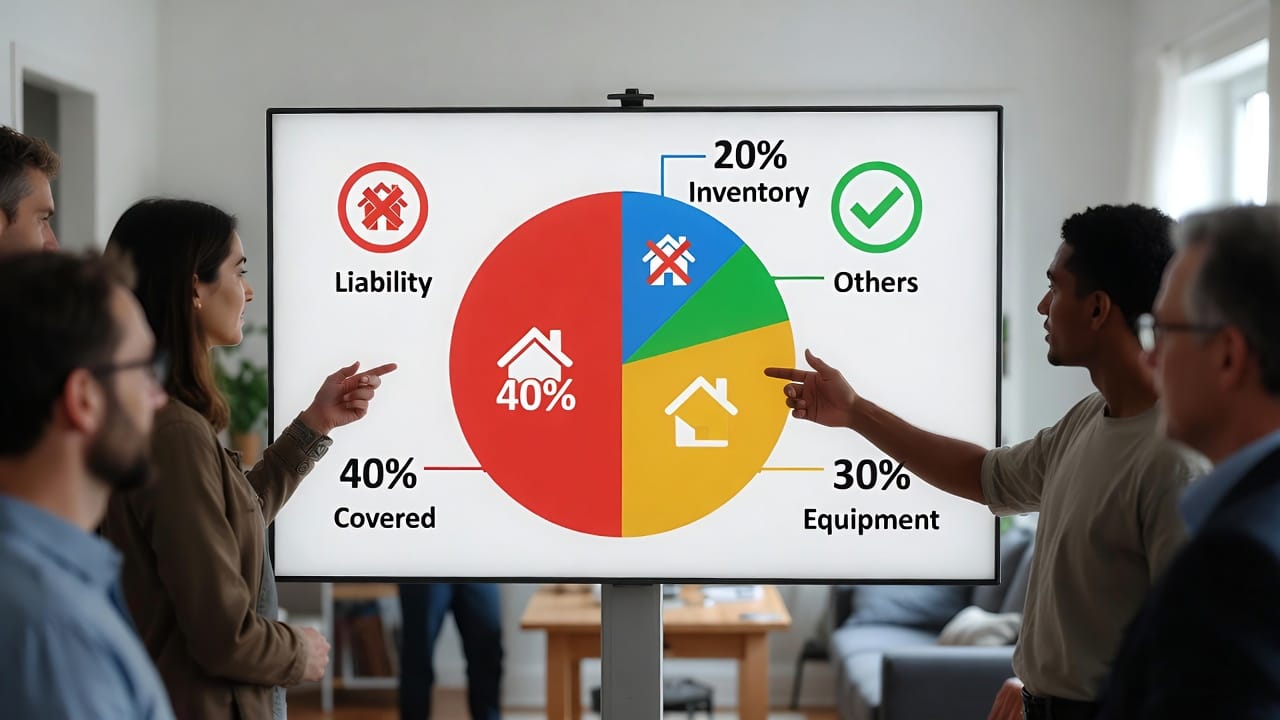
Key Exposures: Liability, Equipment, and Inventory
Let's break down the main areas where home business owners face vulnerabilities. Each requires specific attention to ensure comprehensive protection.
Liability Risks
Business liability is perhaps the most critical exposure. Unlike personal liability, which covers everyday accidents, business liability protects against claims arising from your products, services, or operations. For example, if a customer sues over a faulty product you sold from home, or if a delivery mishap causes property damage, you could be on the hook for legal fees and settlements.
Standard policies often cap personal liability at $100,000 to $500,000, but business claims can escalate quickly. Without proper coverage, your personal assets—like savings or your home—could be at risk.
Equipment Vulnerabilities
Your business equipment—laptops, printers, specialized tools—is the backbone of your side hustle. Yet, under a homeowners policy, coverage for these items is limited to personal use only. If equipment is damaged by a covered peril like fire, but it's deemed business property, the claim might be denied or sub-limited (e.g., $2,500 max for business items).
Off-premises coverage is another blind spot. If you take your gear to a trade show and it's stolen, standard policies provide minimal protection.
Inventory Shortfalls
For those with physical products, inventory coverage is essential. Stock stored in your home, garage, or shed isn't typically insured under personal property clauses if it's for sale. Theft, flood, or fire could wipe out your investment overnight.
Moreover, valuation matters: Policies might reimburse at actual cash value (depreciated), not replacement cost, leaving you shortchanged.
The good news? These exposures are manageable with tailored insurance solutions, as we'll discuss next.
Bridging the Gap: Endorsements and Separate Policies
Fortunately, you don't have to overhaul your entire insurance setup. Options like policy endorsements or standalone business owners policies (BOP) can fill these voids without breaking the bank.
Home Business Endorsements
An endorsement (or rider) adds business coverage to your existing homeowners policy. It's ideal for small-scale operations with low revenue (under $5,000-$10,000 annually). Benefits include:
- Increased limits for business property (up to $10,000 or more).
- Liability extension for business activities.
- Coverage for lost income if operations halt due to a covered loss.
Premiums are modest—often $20-$50 per month—making this a reassuring entry point for beginners.
Separate Business Policies
For larger side hustles, a dedicated business insurance policy is wiser. A BOP bundles property, liability, and business interruption coverage into one affordable package. Key advantages:
- General Liability: Protects against third-party claims for bodily injury, property damage, or advertising injury.
- Business Property: Covers equipment and inventory at replacement cost, both on- and off-premises.
- Additional Options: Add-ons for cyber liability, professional liability (errors & omissions), or workers' compensation if you hire help.
Costs vary by business type, location, and revenue, but starting quotes are often under $500 annually. Think of it as an investment in peace of mind.
If your hustle involves vehicles (e.g., delivery services), consider commercial auto insurance, as personal auto policies exclude business use.
Transitioning to these solutions is straightforward. Consult an agent to assess your needs—no guesswork required.
Assessing Your Coverage Needs
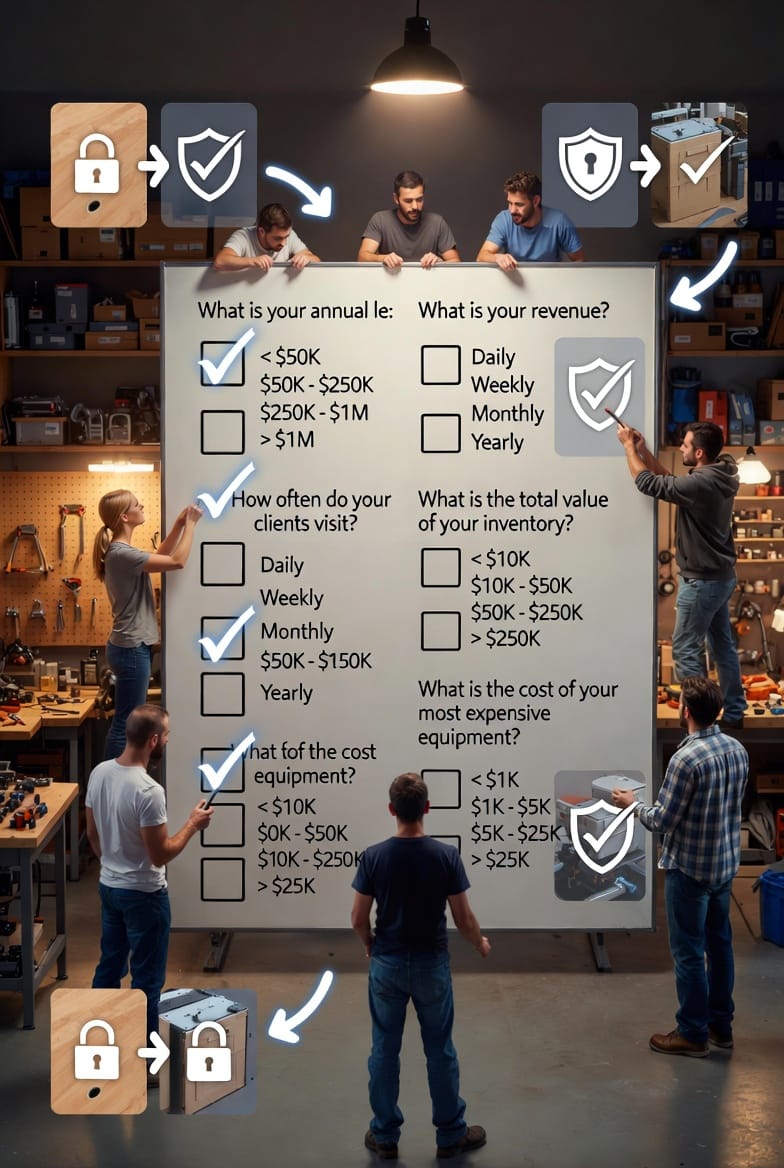
To determine the right protection, evaluate your business specifics. Ask yourself:
- What is my annual revenue? Higher earnings often necessitate separate policies.
- Do clients visit my home? This heightens liability risks.
- What's the value of my inventory and equipment? Tally it up to ensure adequate limits.
- Are there employees or contractors? You may need workers' comp.
- What perils are unique to my industry? E.g., product liability for sellers.
By answering these, you can customize coverage efficiently.
Common Myths Debunked
Misconceptions abound in this area. Let's set the record straight authoritatively:
- Myth: "My hobby isn't a business, so it's covered." Reality: If you earn income, insurers may classify it as business, voiding coverage.
- Myth: "Umbrella policies fill the gap." Umbrellas extend personal liability but exclude business risks.
- Myth: "It's too expensive." Affordable options exist; shop around for competitive rates.
Armed with facts, you can avoid pitfalls and focus on growth.
Real-Life Examples and Lessons
Consider Sarah, a freelance graphic designer whose home office flooded, ruining her $5,000 computer setup. Her standard policy denied the claim as business property—lesson: Add an endorsement early.
Or Mike, who sold artisanal soaps online. A customer alleged skin irritation and sued; without liability coverage, he paid out-of-pocket. A BOP would have defended him.
These stories underscore the importance of action. Rest assured, with proper insurance, such setbacks become manageable.
The Cost of Inaction vs. Protection
Ignoring the coverage gap can lead to devastating financial strain—think thousands in uncovered losses or legal battles. Conversely, investing in endorsements or policies safeguards your assets and allows your business to thrive uninterrupted.
In a world where home businesses contribute billions to the economy, protecting yours is not optional—it's essential.
Final Thoughts and Next Steps
The home business coverage gap is a solvable challenge. By understanding your exposures and opting for endorsements or separate policies, you ensure your side hustle remains resilient against unforeseen events.Our experts are ready to tailor a plan that fits your unique needs, giving you the confidence to pursue your passions without worry.
Homeowners Policy Missing Your Business? Call Now