The Gum Graft Surgery: Treating Receding Gums for Health and Aesthetics
Gum recession is more than a cosmetic concern—it can threaten the long-term health of your teeth and overall smile. At our practice, we see many patients who feel self-conscious about receding gums or worry about increasing tooth sensitivity. The good news is that gum graft surgery offers a reliable, proven periodontal procedure that not only protects exposed roots but also restores a youthful, healthy appearance. This advanced treatment uses your own tissue to rebuild the gum line, delivering lasting results for both function and beauty.
Stop Gum Recession – Schedule Your Gum Graft Consultation
If you have noticed your gums pulling away from your teeth or feel heightened sensitivity to hot or cold, you are not alone. Millions of adults experience gum recession, and modern gum graft surgery provides a safe, effective solution. In this comprehensive guide, we explore the causes, the procedure itself, its benefits, and how you can maintain your results for years to come. Our goal is to empower you with clear, reassuring information so you can make confident decisions about your oral health.
Understanding Gum Recession and Its Impact
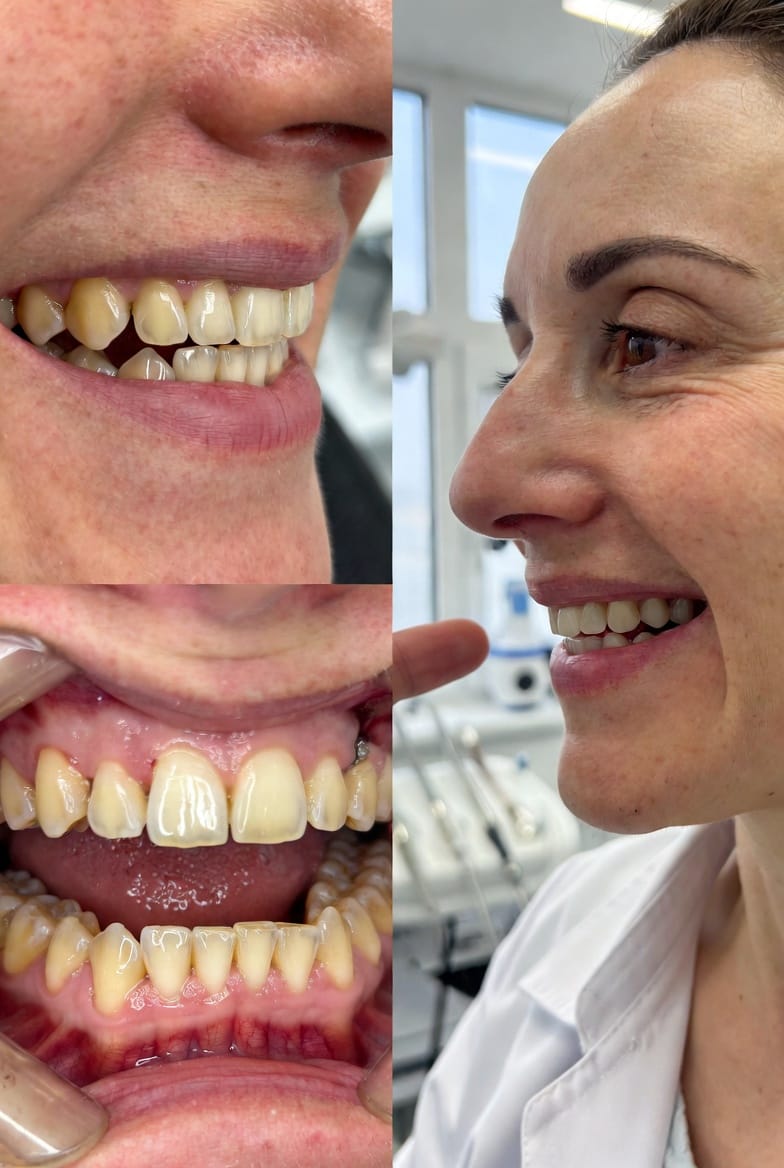
Gum recession occurs when the gum tissue surrounding the teeth wears away or pulls back, exposing the root surface. This process happens gradually, often without noticeable pain at first. Over time, however, the exposed roots become vulnerable to decay, sensitivity, and further damage.
Patients frequently describe an uneven gum line that makes teeth appear longer than normal. Beyond aesthetics, recession can lead to discomfort during brushing or eating. The roots lack the protective enamel found on the crown, so they react strongly to temperature changes or touch. Early intervention with gum graft surgery halts this progression and promotes natural healing.
Common Causes of Receding Gums
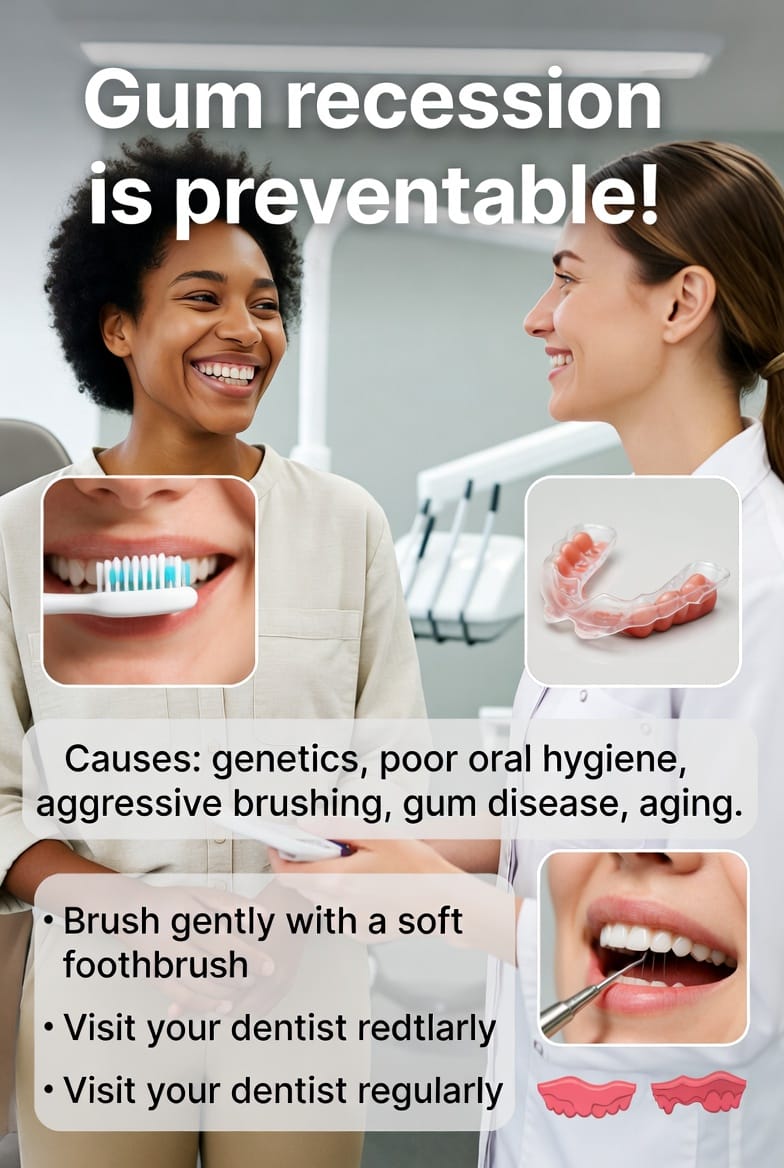
Several factors contribute to gum recession. Understanding these helps patients take proactive steps while recognizing when professional care is needed.
- Aggressive brushing with a hard-bristle toothbrush or overly vigorous technique can erode delicate gum tissue over years.
- Genetics play a significant role; some individuals inherit thinner gum tissue that is more prone to recession even with excellent hygiene.
- Gum disease (periodontitis) is a leading culprit. Untreated bacterial infection inflames and destroys the supporting tissues, causing gums to recede.
- Teeth grinding or clenching (bruxism) places excessive force on teeth and gums, accelerating recession.
- Tobacco use, poor oral hygiene, and hormonal changes can also weaken gum attachment.
By identifying your personal risk factors, our team can tailor prevention strategies alongside treatment when necessary.
Why Treating Receding Gums Matters for Health and Appearance
Leaving gum recession untreated invites serious complications. Exposed roots are highly susceptible to root decay, which is more difficult to restore than enamel decay. Increased sensitivity can interfere with daily enjoyment of food and drinks. In advanced cases, further bone and tissue loss may threaten tooth stability.
Aesthetically, receding gums create an aged or uneven smile that many patients find distressing. Gum graft surgery addresses both concerns simultaneously. By covering the exposed roots, the procedure reduces sensitivity, protects against decay, and creates a harmonious, attractive gum line that enhances your natural smile.
What Is Gum Graft Surgery?
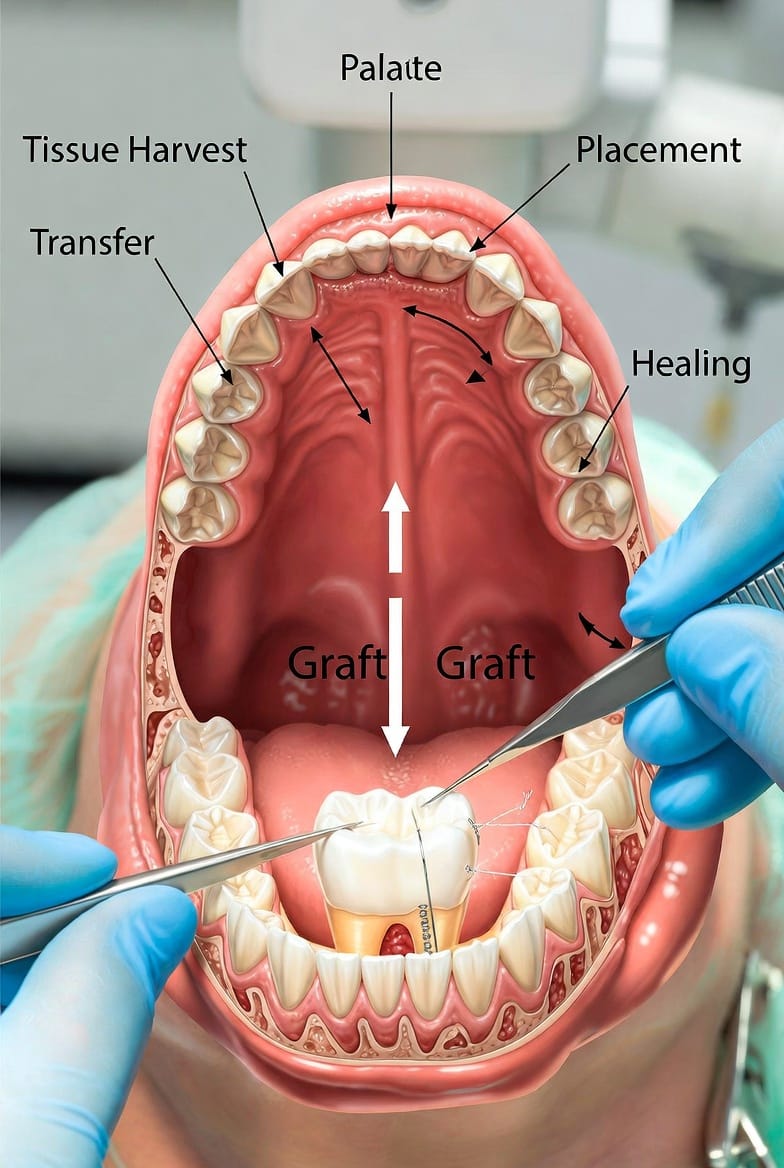
Gum graft surgery, also known as a gingival graft or periodontal plastic surgery, is a precise procedure designed to restore lost gum tissue. The most common technique is the connective tissue graft, where a small amount of healthy tissue is harvested from the roof of your mouth (the palate) and placed over the recessed area. This tissue integrates beautifully with existing gums, creating a thicker, more resilient barrier.
The surgery is performed under local anesthesia in a comfortable office setting. Most patients report minimal discomfort and appreciate the natural-looking results that blend seamlessly with their smile. Because the graft uses your own tissue, rejection is virtually nonexistent, and healing is predictable.
The Gum Graft Surgery Procedure: Step by Step
Our experienced periodontists follow a meticulous process to ensure optimal outcomes and patient comfort.
- Preparation and Anesthesia – The treatment area is numbed for complete comfort.
- Harvesting Donor Tissue – A small incision is made on the palate to gently remove a thin layer of connective tissue. The palate site heals quickly and is rarely visible afterward.
- Recipient Site Preparation – The recessed gum area is carefully cleaned, and the exposed root is smoothed.
- Graft Placement – The harvested tissue is positioned over the root and secured with fine sutures.
- Closure and Protection – The site is covered with a protective dressing, and post-operative instructions are reviewed in detail.
The entire appointment typically lasts 60 to 90 minutes. Advanced suturing techniques minimize scarring and promote rapid integration of the new tissue.
Remarkable Benefits of Gum Graft Surgery
Patients enjoy both immediate and long-term advantages after gum graft surgery.
- Health Protection – Covered roots are shielded from decay, sensitivity, and further recession.
- Aesthetic Improvement – A fuller gum line creates a balanced, youthful smile.
- Improved Comfort – Reduced tooth sensitivity allows normal enjoyment of hot, cold, and sweet foods.
- Enhanced Oral Hygiene – Easier brushing and flossing around restored gums lowers future periodontal risk.
- Longevity – With proper care, grafted tissue remains stable for decades.
Many patients tell us the procedure has restored their confidence to smile freely in photos and social settings.
What to Expect During Recovery
Recovery from gum graft surgery is straightforward and well-managed. Mild swelling or discomfort usually subsides within a few days with prescribed medication and over-the-counter options. Soft foods, gentle oral hygiene, and avoidance of the surgical site are recommended for the first week. Most patients return to normal activities within 48 hours and notice the graft “taking” within two weeks.
Our team provides detailed aftercare instructions and follow-up visits to monitor healing. The palate donor site heals within 7–10 days, often with little more than a mild sensation similar to a minor burn.
Prevention Strategies to Maintain Healthy Gums
While gum graft surgery effectively treats existing recession, prevention remains the best defense. Simple daily habits can dramatically reduce your risk.
- Switch to a soft-bristle toothbrush and use gentle, circular motions.
- Schedule regular professional cleanings and periodontal evaluations.
- Address teeth grinding with a custom night guard.
- Quit tobacco products and maintain excellent home care.
- Monitor for early signs of gum disease and seek prompt treatment.
Taking the Next Step Toward a Healthier Smile
Gum graft surgery represents modern dentistry at its finest—precise, patient-centered care that delivers both functional protection and aesthetic renewal. Whether your recession stems from aggressive brushing, genetics, or gum disease, this procedure offers a reassuring path forward.
Protect your roots and your smile. Our compassionate team is ready to answer your questions, evaluate your needs, and design a personalized treatment plan that restores your confidence and oral health.
Get Gum Grafting Treatment – Book Your Appointment Now