The Grounding Electrode System: How Your Home Connects to the Earth for Safety and Surge Protection
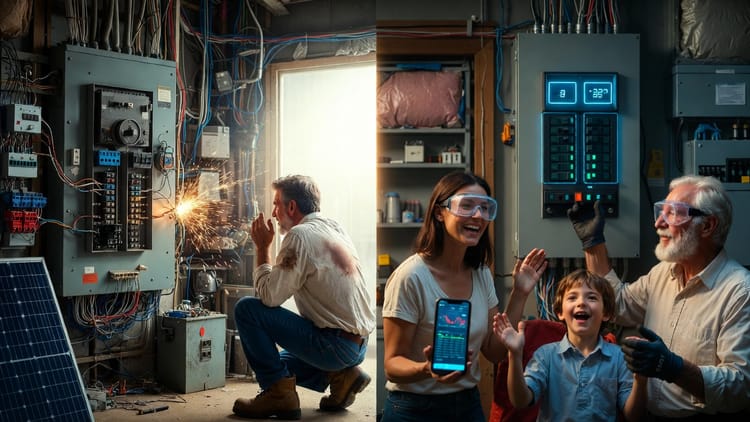
In every modern home, an invisible yet essential network works silently to keep your family, appliances, and electronics safe from electrical hazards. This network is the grounding electrode system – the critical link that bonds your entire electrical installation directly to the earth itself. While most homeowners focus on visible upgrades like new lighting or smart thermostats, the grounding electrode system remains one of the most overlooked yet vital components of residential electrical safety.
Stop Hidden Electrical Risks – Schedule Inspection Now
A properly designed and maintained grounding electrode system provides a low-resistance pathway for fault currents, lightning strikes, and power surges to dissipate harmlessly into the ground rather than traveling through your wiring, appliances, or loved ones. Without it, even minor wiring faults can escalate into dangerous shocks, equipment failures, or devastating fires. In this in-depth guide, we explore exactly how this system functions, its core components, the science behind its protective power, and why professional inspection and maintenance are non-negotiable for long-term safety and performance.
Whether you live in a newly built home or a century-old residence, understanding the grounding electrode system empowers you to make informed decisions about your property’s electrical health. Let’s dive into the details that every homeowner should know.
Why the Grounding Electrode System Is Often Overlooked – And Why That’s a Risk
Most electrical panels, outlets, and switches operate reliably for years, creating a false sense of security. The grounding electrode system, however, is largely concealed – buried in the soil outside your home or bonded within walls and foundations. This hidden nature leads many homeowners to assume “if the lights work, everything must be fine.”
Yet electrical codes and safety experts emphasize that a compromised grounding electrode system can remain undetected until a fault occurs. At that moment, the absence of a proper earth connection turns a manageable issue into a serious hazard. Fault currents seek the easiest path back to source; without grounding, that path may be through a person touching a metal appliance or through sensitive electronics.
Proper grounding does far more than meet code requirements. It actively protects against:
- Electric shock hazards
- Fire risks from arcing faults
- Equipment damage from surges
- Lightning-induced transients
By establishing a direct, reliable connection to the earth, the grounding electrode system ensures excess electrical energy has somewhere safe to go – instantly and efficiently.
Understanding the Core Components of the Grounding Electrode System
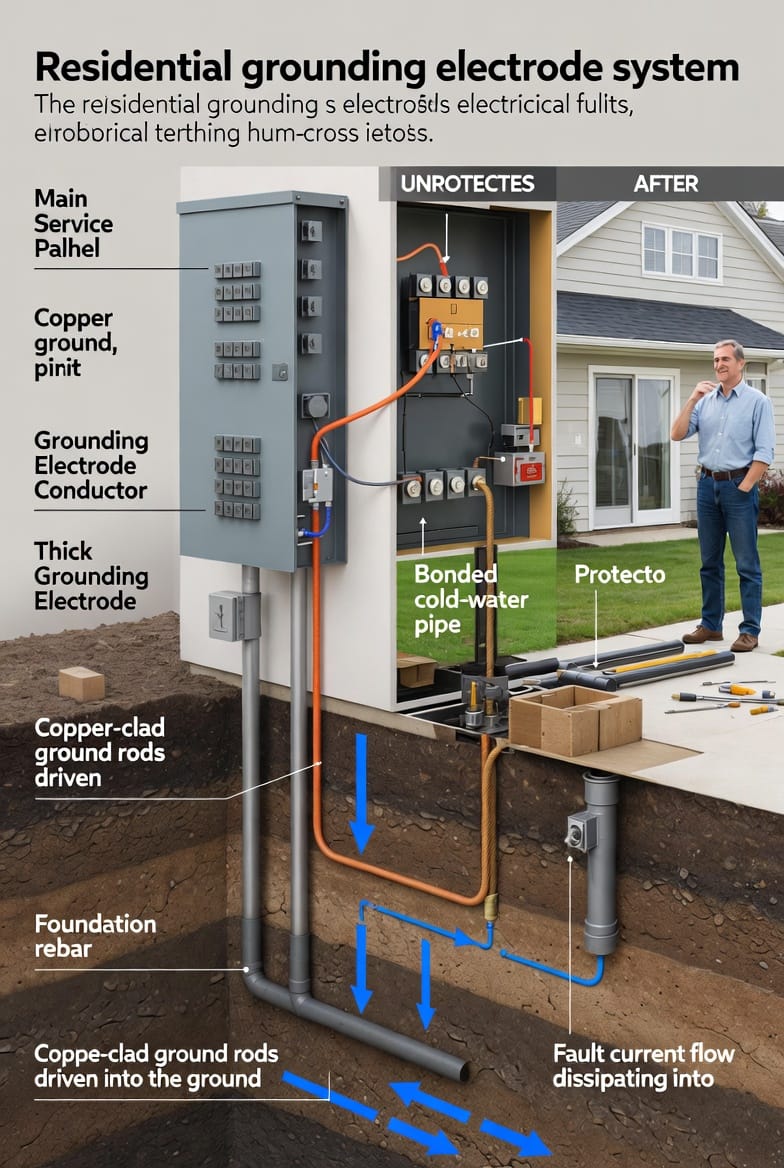
A complete grounding electrode system is not a single rod in the ground but an interconnected network of electrodes, conductors, and bonds engineered for maximum reliability. Each element plays a precise role in creating the safest possible path for unwanted current.
Ground Rods – The Foundation of Earth Connection
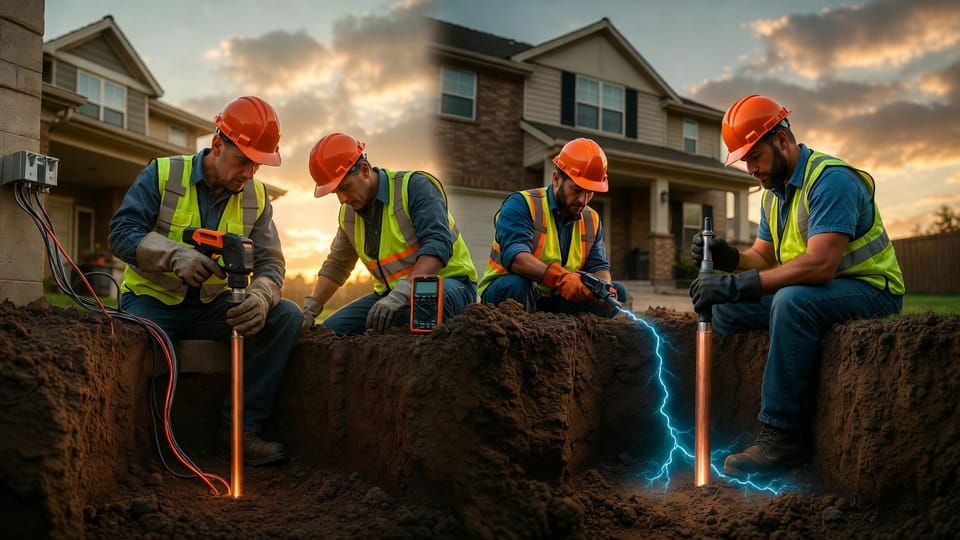
The most recognizable component is the ground rod – typically an 8-foot or 10-foot copper-clad steel electrode driven vertically into the soil. Copper cladding provides excellent conductivity and corrosion resistance while the steel core offers the mechanical strength needed to penetrate hard or rocky ground.
Installation requires specialized drivers to achieve proper depth and soil contact. In many jurisdictions, two ground rods spaced at least six feet apart are required when soil resistivity tests show higher resistance. The goal is always the same: achieve the lowest possible resistance to earth, ideally under 25 ohms as recommended by the National Electrical Code.
The Grounding Electrode Conductor – The Critical Link
Connecting the main service panel to the ground rods is the grounding electrode conductor (GEC). This heavy-gauge copper wire (usually 4 AWG or larger) must be continuous, securely clamped or exothermically welded, and protected from physical damage. The GEC carries fault current from the panel directly to the earth electrodes, completing the safety circuit.
Supplemental Electrodes – Water Pipes and Concrete Rebar
Modern grounding electrode systems incorporate multiple electrodes for redundancy.
- Metal water pipes serving as cold-water supply lines are bonded within five feet of entry into the building. This creates an additional low-resistance path through underground piping networks.
- Concrete-encased electrodes (Ufer grounds) utilize the steel rebar in a home’s foundation. When properly bonded, the large surface area of rebar in contact with concrete and soil provides exceptionally stable grounding, especially in areas with high soil resistivity.
All electrodes are bonded together and to the main service panel’s ground bus, forming a unified system that works as one.
How the Grounding Electrode System Handles Fault Current
When a hot wire accidentally contacts a grounded metal appliance chassis, a ground fault occurs. Without proper grounding, the chassis could become energized at dangerous voltages. The grounding electrode system instantly provides a path of least resistance back to the source through the grounded neutral at the utility transformer.
This low-impedance path allows hundreds or thousands of amps of fault current to flow, quickly tripping the circuit breaker or blowing the fuse. The rapid interruption prevents sustained arcing, overheating, or electrocution. The earth itself acts as an infinite sink, absorbing and dissipating the energy harmlessly.
Lightning Protection and Surge Suppression Benefits
Lightning strikes deliver millions of volts in microseconds. A well-designed grounding electrode system diverts this massive transient energy directly into the earth before it can travel through your home’s wiring and destroy sensitive electronics, HVAC systems, or appliances.
When paired with whole-house surge protective devices (SPDs), the grounding electrode system becomes even more effective. The SPDs clamp voltage spikes while the grounding system provides the essential reference point for safe dissipation. Homes with robust grounding experience significantly fewer surge-related failures and insurance claims.
Recognizing the Warning Signs of Poor Grounding
Many homeowners live with subtle indicators of inadequate grounding without realizing the danger:
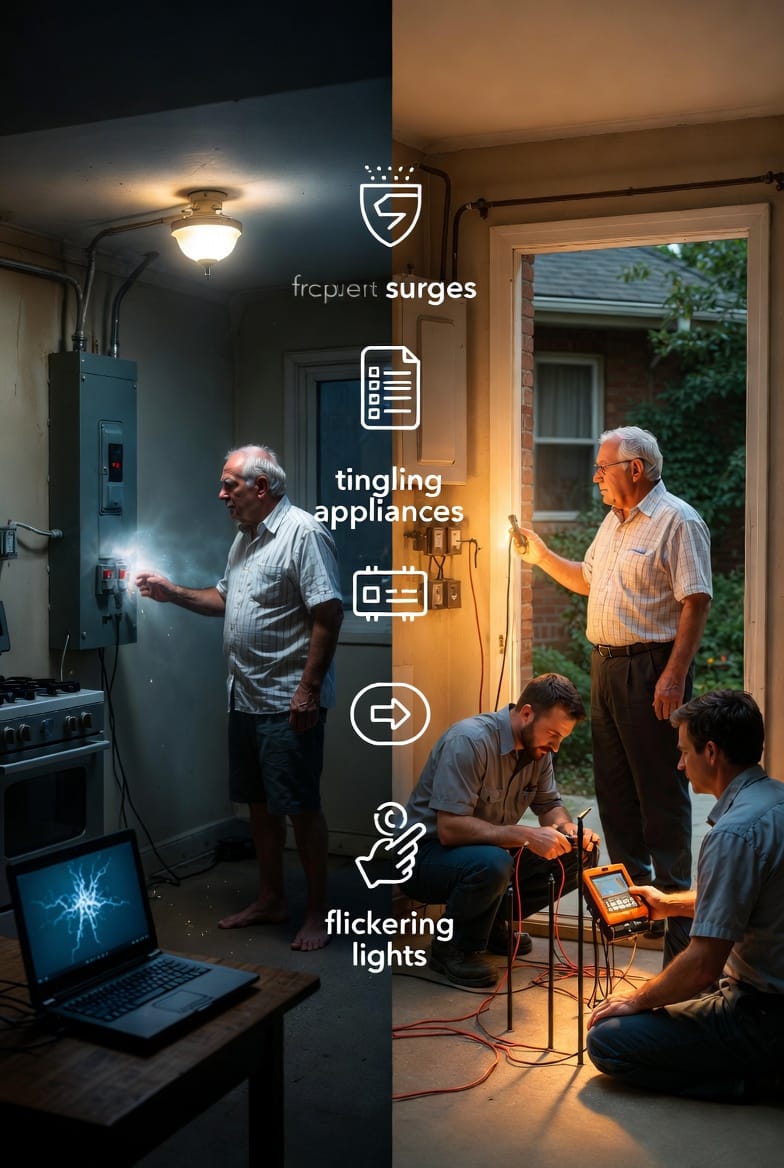
- Frequent unexplained power surges or tripped breakers
- Tingling sensation when touching metal appliances or plumbing fixtures
- Flickering lights during appliance startup
- Buzzing or humming from outlets or panels
- Premature failure of sensitive electronics
- GFCI outlets tripping more often than normal
These symptoms signal that fault current lacks a reliable path to earth, forcing electricity to seek alternative – and hazardous – routes.
Maintaining and Upgrading Your Grounding Electrode System
Soil conditions change over time. Corrosion, ground movement, and nearby construction can degrade even the best grounding electrode system. Professional electricians recommend inspection every three to five years, or immediately after major storms, renovations, or if any warning signs appear.
During inspection, technicians measure ground resistance, inspect all connections for tightness and corrosion, verify bonding of water pipes and rebar, and confirm compliance with current electrical codes. Upgrades often involve adding supplemental rods, replacing corroded conductors, or installing enhanced surge protection – all performed with proper permits and documentation.
The Peace of Mind That Comes With Professional Expertise
DIY attempts at grounding modifications frequently violate code, create new hazards, or fail to achieve required performance. Licensed electricians bring specialized tools, decades of experience, and full understanding of local amendments to the National Electrical Code. Their work ensures your grounding electrode system delivers maximum protection today and for decades to come.
A properly functioning grounding electrode system is your home’s silent guardian – invisible yet indispensable. It protects against shocks, safeguards expensive electronics, reduces fire risk, and provides the foundation for reliable surge protection in our increasingly electrified world.
Final Thoughts: Don’t Leave Safety to Chance
Your family’s safety and your home’s electrical integrity depend on a correctly installed and maintained grounding electrode system. Never assume your existing setup is adequate simply because the power stays on.
Secure Your Family & Electronics – Call for Grounding Check