The Great Tile Debate: Porcelain vs. Ceramic vs. Natural Stone for Wet Environments
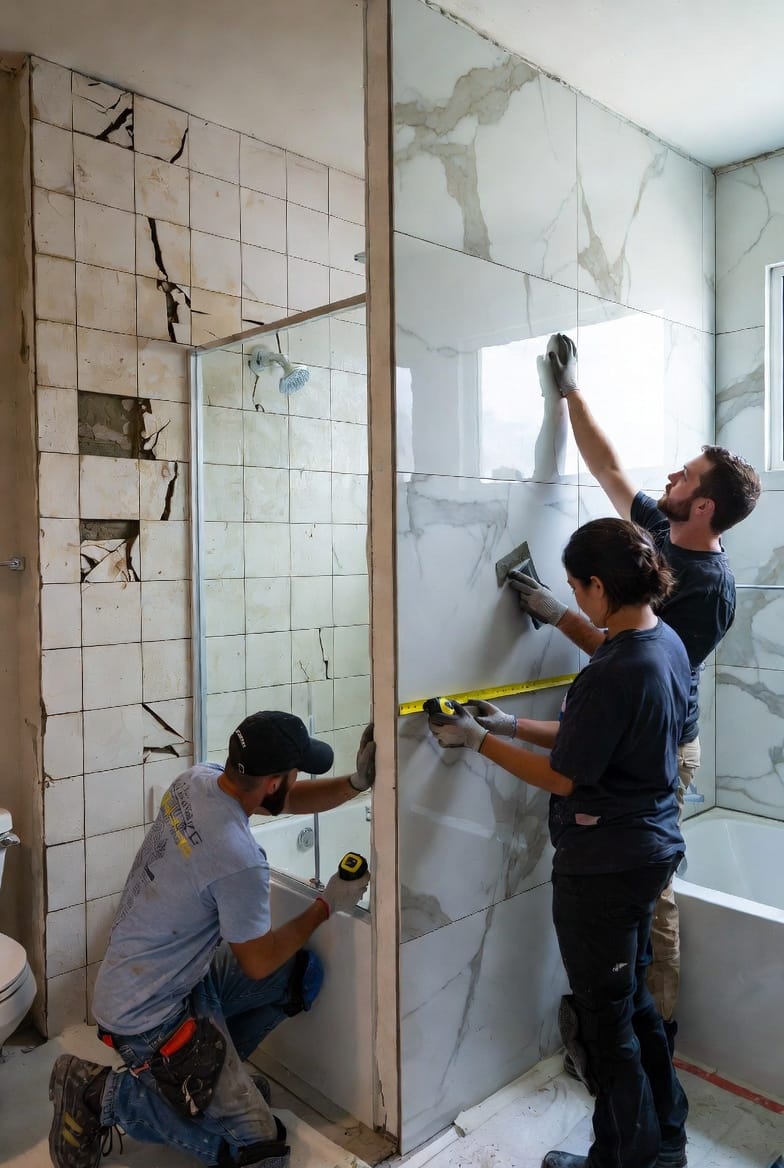
When embarking on a bathroom remodeling project, selecting the right tiles for walls and floors is crucial. Bathrooms are high-moisture zones where water resistance, durability, and safety intersect with aesthetic appeal. In this definitive guide, we'll delve into the material science behind three popular options: porcelain, ceramic, and natural stone. We'll compare them across key factors like water resistance, durability, slip resistance, and maintenance requirements, empowering you to make an informed choice. Whether you're redesigning a shower enclosure or updating a vanity backsplash, understanding these materials ensures a space that's both functional and timeless.
Porcelain, Ceramic or Stone? Get Expert Guidance – Call Now
As a leading authority in bathroom renovations, we reassure you that the perfect tile exists for every need—practical, beautiful, and built to last. Let's break down the debate step by step.
What Makes Tiles Suitable for Wet Environments?
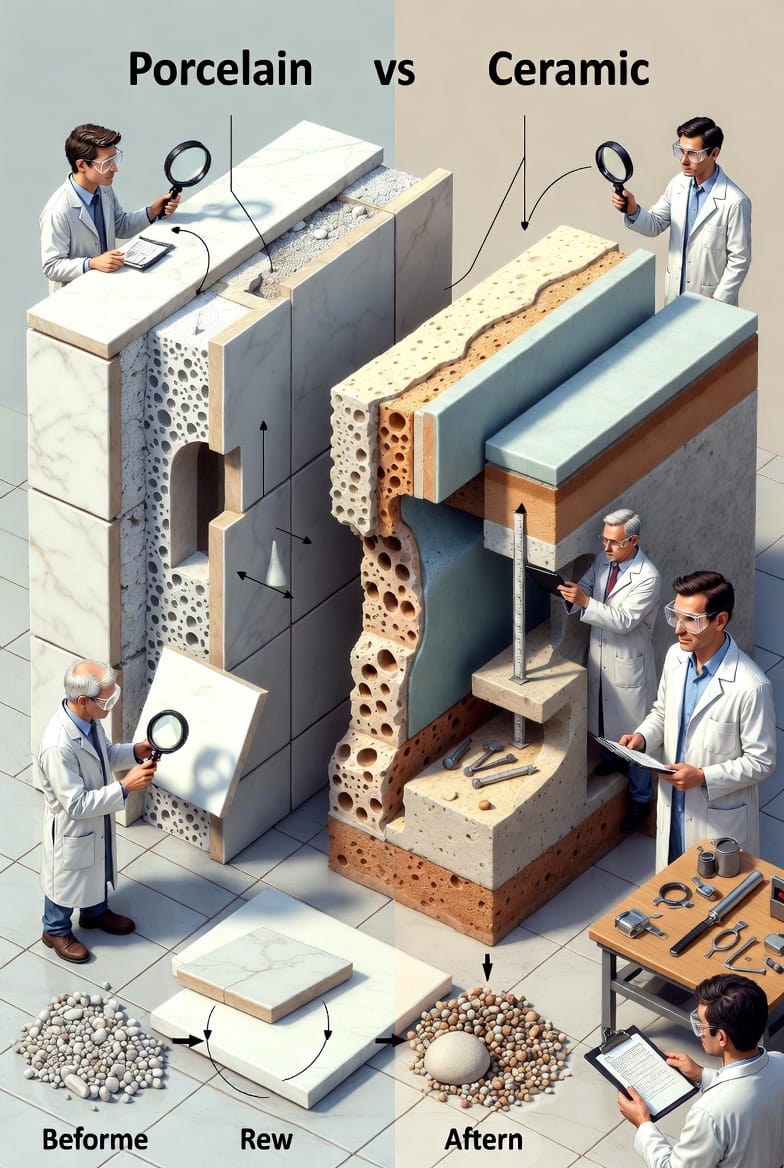
Tiles in bathrooms must withstand constant exposure to water, humidity, and foot traffic. From a material science perspective, the composition of each tile type determines its performance. Porcelain tiles are fired at higher temperatures, resulting in a denser body. Ceramic tiles offer versatility through glazing, while natural stone brings organic beauty but demands more care.
- Key Considerations: Focus on absorption rates (measured by ASTM standards), compressive strength, and surface treatments.
- Why It Matters: Low absorption prevents mold growth, high durability resists chips, and proper slip resistance reduces accident risks.
In wet environments, the wrong choice can lead to costly repairs, but with expert guidance, you can avoid pitfalls.
Porcelain Tiles: The Dense Powerhouse
Porcelain tiles, derived from refined clay and minerals like feldspar, are engineered for superior performance in moist settings. Fired at temperatures exceeding 1,200°C, they achieve a vitrified structure with water absorption rates below 0.5%, making them ideal for bathrooms.
Water Resistance
Porcelain's low porosity is its standout feature. Unlike other materials, it repels water effectively, minimizing the risk of warping or staining. In scientific terms, this is due to the fusion of particles during high-heat firing, creating a non-porous matrix. For shower walls and floors, this means no need for frequent sealing— a reassuring advantage for busy households.
Durability
With a Mohs hardness rating often between 7-8, porcelain withstands heavy use. It's resistant to scratches from cleaning tools and impacts from dropped items. Material science tests, such as those for breaking strength, show porcelain outperforming ceramic by up to 30% in compressive loads.
Slip Resistance
Textured or matte finishes on porcelain provide excellent coefficient of friction (COF) values, typically above 0.6 for wet conditions (per ANSI A137.1 standards). This enhances safety without compromising style.
Maintenance Requirements
Low-maintenance is porcelain's hallmark. A simple wipe with mild soap suffices, as its density resists grime buildup. No sealing required, unlike natural stone, saving time and money over the tile's lifespan.
Porcelain mimics luxurious materials like marble or wood through digital printing technology, offering endless design possibilities without the drawbacks.
Ceramic Tiles: Versatile and Glazed for Protection
Ceramic tiles, made from natural clay and water, are fired at lower temperatures (around 1,000°C) and often glazed for added protection. They're a go-to for budget-conscious remodels, providing a balance of affordability and functionality.
Water Resistance
While ceramic has higher absorption (3-7%), the glaze acts as a barrier, making it suitable for walls and less-trafficked floors. In wet environments, opt for glazed varieties to prevent water penetration, though they're less ideal for submerged areas like shower pans.
Durability
Ceramic's strength varies by grade (PEI ratings 1-5), with higher grades handling moderate traffic. It's prone to chipping if not installed properly, but reinforcements like double-fired processes enhance resilience.
Slip Resistance
Glazed ceramics can be slippery when wet, with COF values around 0.4-0.5. Anti-slip additives or textured glazes improve this, making them viable for bathroom floors with caution.
Maintenance Requirements
Easy to clean, but unglazed versions may stain. Regular mopping keeps them pristine, and they're less demanding than stone.
Ceramic's versatility shines in patterns and colors, allowing creative expressions in bathroom designs.
Natural Stone Tiles: Beauty from the Earth
Sourced from quarries, natural stone like marble, granite, or travertine offers unparalleled elegance. However, its organic composition—formed over millennia through geological processes—introduces variability in performance.
Water Resistance
Porosity varies widely (e.g., marble at 0.5-2%, slate lower). Without sealing, stones absorb water, leading to efflorescence or discoloration. Regular sealing (every 6-12 months) is essential for bathrooms.
Durability
High compressive strength (granite up to 19,000 psi) makes stone tough, but it's susceptible to etching from acids in cleaners. Softer stones like limestone wear faster under foot traffic.
Slip Resistance
Polished stones are slippery (COF <0.4), but honed or tumbled finishes improve grip. Ideal for walls, less so for floors unless treated.
Maintenance Requirements
High-maintenance: Sealants, pH-neutral cleaners, and periodic resealing are musts. Neglect can lead to irreversible damage, but proper care ensures longevity.
Natural stone's unique veining and textures create spa-like retreats, justifying the effort for many homeowners.
Head-to-Head Comparison: Which Tile Wins?
Now, let's compare these materials scientifically across critical bathroom criteria.
Water Resistance Breakdown
- Porcelain: Excels with <0.5% absorption; virtually impervious.
- Ceramic: Good with glaze (3-7% body absorption); suitable for most areas.
- Natural Stone: Variable; requires sealing to combat higher porosity risks.
In showers, porcelain's edge prevents long-term moisture issues.
Durability in Depth
- Porcelain: High firing density yields superior impact resistance.
- Ceramic: Versatile but may crack under heavy loads.
- Natural Stone: Strong yet brittle; etches easily.
For family bathrooms, porcelain offers peace of mind.
Slip Resistance Analysis
- Porcelain: Customizable textures for optimal safety.
- Ceramic: Glaze can compromise; select anti-slip options.
- Natural Stone: Finish-dependent; avoid polished in wet zones.
Prioritize COF ratings above 0.6 for floors.
Maintenance Demystified
- Porcelain: Minimal effort; clean and forget.
- Ceramic: Straightforward; occasional deep cleans.
- Natural Stone: Intensive; but rewarding for aesthetics.
Choose based on your lifestyle—low-maintenance for busy lives.
Applications in Bathroom Remodeling
Tailoring tiles to specific areas maximizes performance.
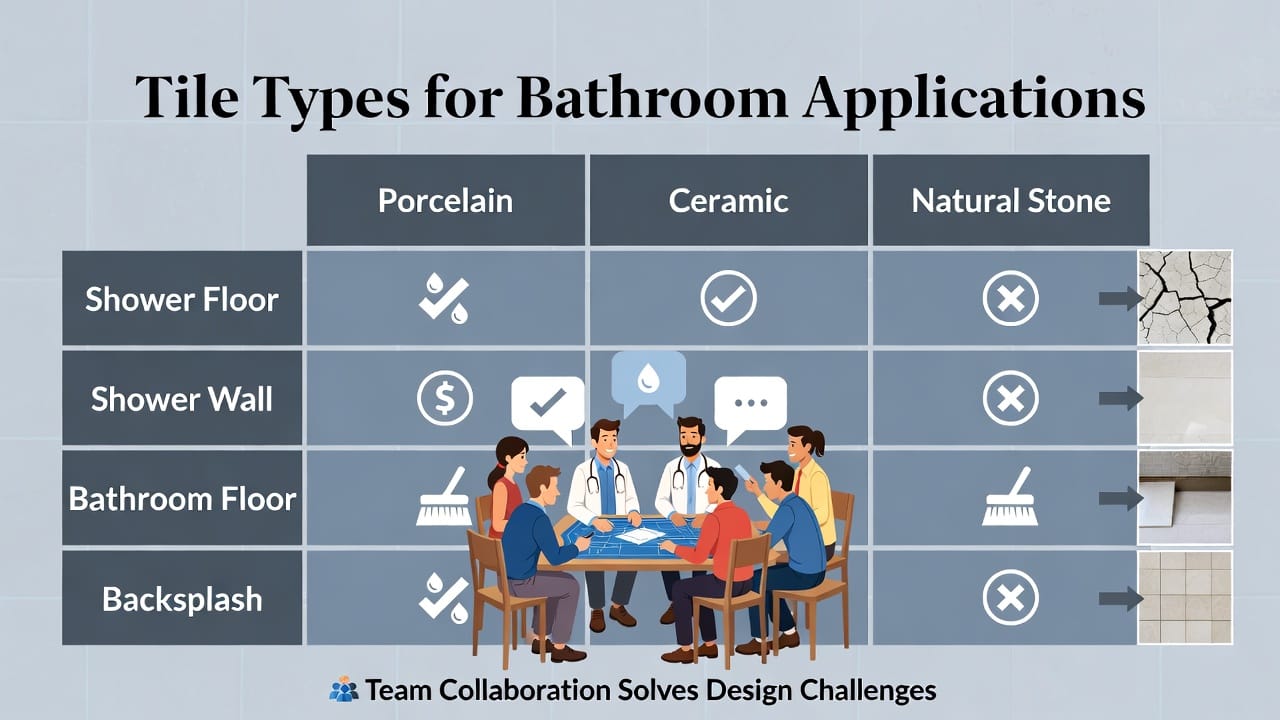
- Shower Floors: Porcelain for slip resistance and low absorption.
- Shower Walls: Ceramic or porcelain; stone for luxury with sealing.
- Bathroom Floors: All viable, but prioritize durability.
- Backsplashes: Ceramic for easy cleaning and style variety.
Incorporate underfloor heating with porcelain for compatibility.
Environmental and Cost Factors
From a material science angle, porcelain and ceramic are eco-friendlier due to recyclable clay bases. Natural stone involves mining but offers natural sustainability. Costs: Ceramic ($1-5/sq ft), porcelain ($3-10), stone ($5-20+).
Installation Best Practices
Professional installation ensures longevity. Use waterproof membranes and proper grouting to enhance all tiles' performance.
Common Myths Debunked
Myth: All tiles are equally water-resistant. Fact: Absorption rates differ significantly.
Myth: Natural stone is always superior. Fact: It requires more upkeep.
Future Trends in Tile Technology
Advancements like antimicrobial glazes and recycled content are shaping sustainable options.
In conclusion, the great tile debate boils down to balancing beauty with practicality. Porcelain often emerges as the versatile champion for wet environments, offering density and low maintenance. Ceramic provides affordability and style, while natural stone delivers timeless elegance for those willing to invest in care.
Beautiful & Practical Tiles Await – Call Our Remodeling Experts