The Glass Break Detector: How Audio and Shock Sensors Provide a Secondary Layer of Protection
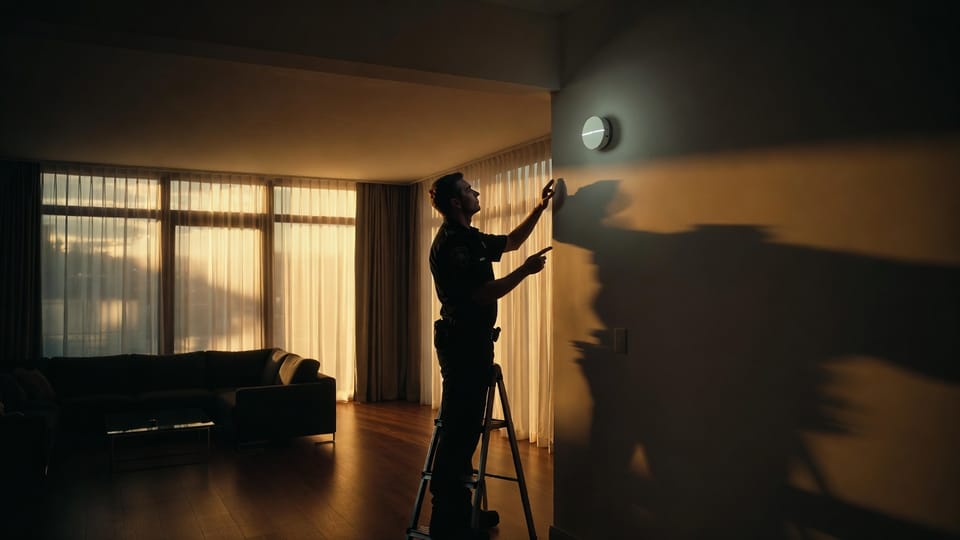
Home security is no longer just about locking doors. Sophisticated intruders exploit even the smallest vulnerabilities — and broken glass remains one of the most common entry points. While traditional door and window contacts detect opening, they remain silent if a pane is shattered and the frame stays intact.
Secure Every Window – Get Glass Break Detection Today
Enter the glass break detector — a smart, secondary layer of defense that listens for and reacts to the unique signature of breaking glass. By combining acoustic and shock sensing technologies, these compact devices deliver reliable protection across multiple windows in a single room, significantly reducing false alarms while catching attempts that bypass standard sensors.
Why Glass Break Detectors Are Essential in Modern Security
Burglars prefer quick, quiet entries. Smashing a window in a back room or sliding door often goes unnoticed longer than forcing a door. Statistics show that forced entry through glass accounts for a substantial portion of residential break-ins where alarms fail to activate promptly.
A properly installed glass break detector closes this gap by:
- Detecting the event the instant glass fractures
- Covering wide areas without needing one sensor per window
- Working independently of contact sensors for true layered protection
- Minimizing nuisance alarms through advanced signal processing
When integrated into a complete system, glass break detectors elevate your home from basic perimeter defense to intelligent, multi-zone security.
Two Core Technologies: Acoustic vs. Shock Detection
Today’s glass break detectors primarily use one of two proven methods — or, in premium models, both in tandem for maximum reliability.
Acoustic Glass Break Sensors
These devices actively “listen” for the specific sound frequency produced when glass breaks.
Key characteristics include:
- Tuned to detect the high-frequency “crack” (typically 10–15 kHz range) followed by the lower-frequency “thud” of falling shards
- Sophisticated digital signal processing distinguishes real breakage from everyday noises (clinking dishes, slamming doors, loud music)
- Adjustable sensitivity to match room acoustics and window types (single-pane, double-pane, laminated)
Acoustic sensors excel in open spaces where sound travels freely and are the most common type found in residential installations.
Shock (Vibration) Glass Break Sensors
Shock sensors physically detect the vibration or impact energy transferred through the window frame when glass shatters.
Advantages include:
- Immunity to airborne noise — ideal for noisy environments or rooms near busy streets
- Instant response to direct impact on the glass surface
- Effective on larger or thicker panes where acoustic energy may dissipate
Many high-end detectors combine acoustic and shock sensing in one unit, requiring both signatures for alarm activation — virtually eliminating false triggers while ensuring no genuine break goes undetected.
Strategic Placement: Maximizing Coverage
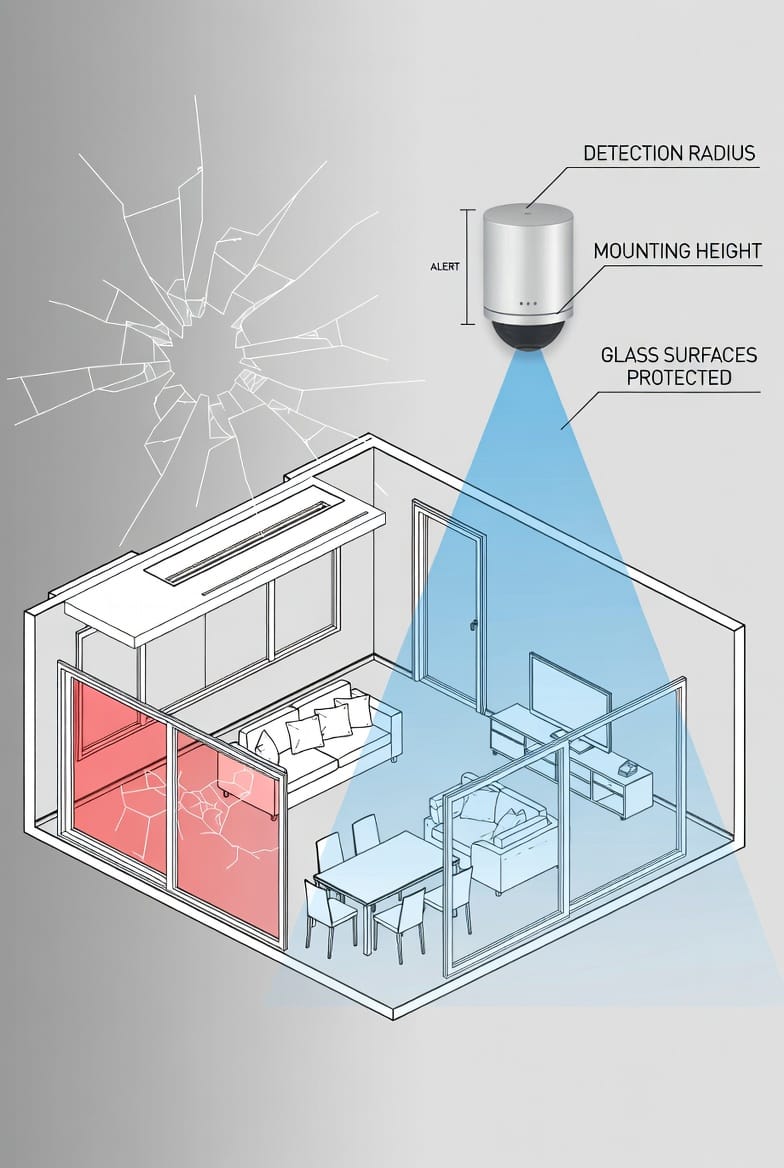
Correct placement is critical for performance. Unlike door/window contacts that require individual mounting, a single glass break detector can protect an entire room.
Best practices include:
- Mount high on a wall or ceiling (7–12 feet) for optimal line-of-sight and sound/vibration pickup
- Position facing the protected windows, ideally in a corner for 180°–360° coverage depending on model
- Avoid obstructions (curtains, furniture, speakers) that block sound or dampen vibration
- Keep away from HVAC vents, televisions, or appliances that generate similar frequencies
A quality acoustic sensor typically covers 20–35 feet in all directions, protecting 3–6 standard windows in an average living room or family room with one device.
How Coverage Zones Work in Real Rooms
One of the greatest strengths of glass break detectors is their ability to monitor multiple panes simultaneously without complex wiring or dozens of individual sensors.
Complementing — Not Replacing — Primary Sensors
Glass break detectors are never a standalone solution; they are the perfect complement to:
- Magnetic door/window contacts — which trigger on opening
- Motion detectors — which catch movement after entry
- Outdoor cameras and beams — which provide early warning
This layered approach creates redundancy: if a burglar cuts phone lines or jams wireless signals, the glass break can still activate locally or via backup cellular communication. The result is faster response and higher deterrence.
Installation Considerations and Professional Expertise
While some detectors are DIY-friendly, professional installation ensures:
- Optimal sensitivity calibration for your specific windows and room acoustics
- Proper testing with manufacturer-approved glass-break simulators
- Integration with your alarm panel or smart home system
- Compliance with local building and insurance requirements
Certified technicians also verify that the detector is not over- or under-sensitive — a common cause of false alarms or missed detections.
Testing and Maintenance for Long-Term Reliability
Modern glass break detectors include self-diagnostics and tamper alerts, but routine testing remains essential.
Recommended schedule:
- Monthly homeowner walk-test using manufacturer-provided test mode
- Annual professional inspection and sensitivity adjustment
- Battery replacement every 3–5 years (for wireless models)
- Cleaning of microphone/grille to prevent dust interference
When maintained properly, these sensors deliver decades of reliable service.
Real-World Performance: Reducing Risk Where It Matters Most
Homeowners with glass break protection consistently report greater peace of mind, especially in homes featuring large picture windows, patio doors, or sunrooms. Insurance providers often offer premium discounts for verified layered systems that include glass break detection — proof of its recognized effectiveness.
By catching the break at the source, these detectors shorten response time, deter intruders who hear the immediate alarm, and provide valuable evidence for law enforcement.
Building Comprehensive Protection
No single device can secure every vulnerability, but glass break detectors address one of the most exploited entry methods with elegance and precision. When paired with contacts, motion sensors, smart lighting, and monitored alarm services, they form a formidable defense that adapts to real-world threats.
Layer your security for comprehensive coverage. Don’t leave your windows exposed to silent, smash-and-grab entries.
Ready to add this powerful secondary layer to your home? Our security experts can assess your property and recommend the right glass break solution.
Protect Hidden Vulnerabilities – Free Security Consultation