The Gas Fill Fade: Do Your Windows Still Have Argon? How to Tell and Does It Matter?
Many homeowners notice subtle changes in window performance over the years and wonder whether gas fill fade has affected their double-pane windows. The argon gas originally sealed between the glass panes plays a vital role in maintaining superior insulation performance. As time passes, this gas can gradually diminish, prompting questions about energy efficiency, comfort, and whether replacement makes sense. This guide addresses these concerns with clear, evidence-based information to help you evaluate your windows confidently.
Seal the Deal on Better Windows – Call for Professional Advice
What Is Argon Gas and Its Role in Modern Windows
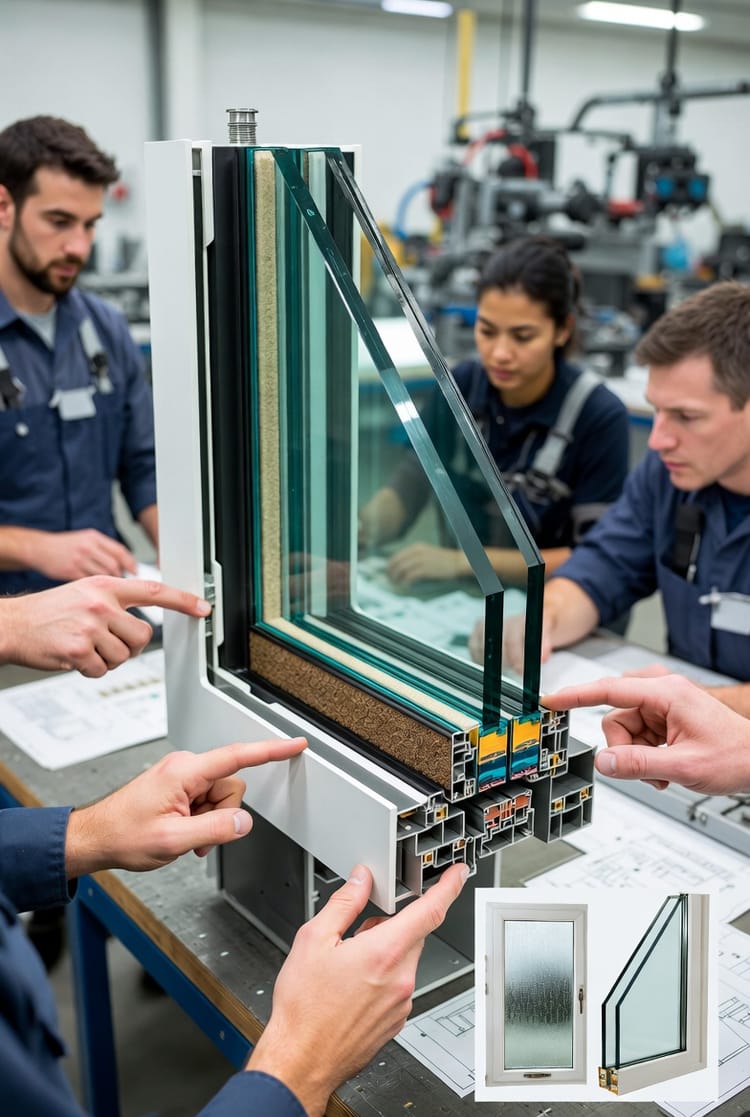
Argon gas is a non-toxic, inert noble gas commonly used to fill the space between panes in insulated glass units (IGUs). Manufacturers choose argon because its density—about 1.8 times that of air—creates a more stable barrier against heat transfer. Unlike standard air, which allows molecules to circulate freely and carry heat, argon gas slows molecular movement, significantly reducing both conduction and convection within the sealed gap.
This technology became widespread in the 1980s and 1990s as energy codes tightened. Today, most quality double-pane windows and many triple-pane units incorporate argon gas along with low-emissivity coatings. The combination delivers measurable improvements in thermal performance that directly impact monthly utility costs and indoor comfort year-round.
How Argon Gas Improves Insulation Performance
Argon-filled windows consistently outperform air-filled equivalents. Key advantages include:
- Reduced conductive heat loss – Argon’s lower thermal conductivity limits direct heat passage through the gas layer.
- Minimized convection currents – Heavier argon molecules resist rising and falling motion that would otherwise transfer heat rapidly.
- Enhanced compatibility with low-E coatings – The gas helps low-emissivity layers reflect radiant heat more effectively.
- Better overall U-factor – Typical argon-filled double-pane units achieve U-factors of 0.25–0.30 compared to 0.35–0.40 for air-filled units.
- Improved sound attenuation – The denser gas layer dampens external noise transmission.
In practical terms, a whole-house upgrade to argon gas windows can yield annual energy savings of $150–$400 depending on climate, home size, and local utility rates. Homeowners in northern regions particularly benefit during winter months when heat retention matters most.
The Science Behind Gas Fill Fade and Seal Longevity
Even premium IGU seals allow extremely slow diffusion of argon gas molecules over decades. Industry data shows typical annual loss rates of less than 1% in high-quality units manufactured under controlled conditions. Complete seal failure is rare and usually covered under manufacturer warranties lasting 10–20 years or longer.
Gas fill fade occurs gradually rather than suddenly. Physical damage, extreme temperature cycling, or manufacturing variances can accelerate loss, but most well-installed windows retain sufficient argon concentration (above 80–90%) for 15–25 years. Manufacturers guarantee seals against visible failure such as fogging or total gas escape, providing homeowners considerable protection during the early lifespan of the product.
Recognizing Signs That Argon May Have Diminished
Several observable indicators suggest argon gas loss has occurred. The most reliable visual cue is condensation between panes, which appears as persistent fog or moisture droplets inside the sealed unit. This happens when the seal compromises and outside air carrying humidity enters the gap.
Other common signs include:
- Unexplained rise in energy bills – Windows with reduced argon fill lose insulating capability, forcing HVAC systems to work harder.
- Cold drafts or hot spots near windows – Noticeable temperature differences at glass surfaces indicate poorer thermal performance.
- Reduced noise blocking – External sounds become more audible as the gas barrier weakens.
- Edge-of-glass cooling – In winter, the perimeter of the glass feels significantly colder to the touch.
- Hazy or distorted views – Severe gas loss combined with moisture can create optical distortions.
If multiple symptoms appear simultaneously, professional assessment is strongly recommended to distinguish gas fill fade from other issues like frame deterioration or worn weatherstripping.
Accurate Methods to Check Argon Gas Levels
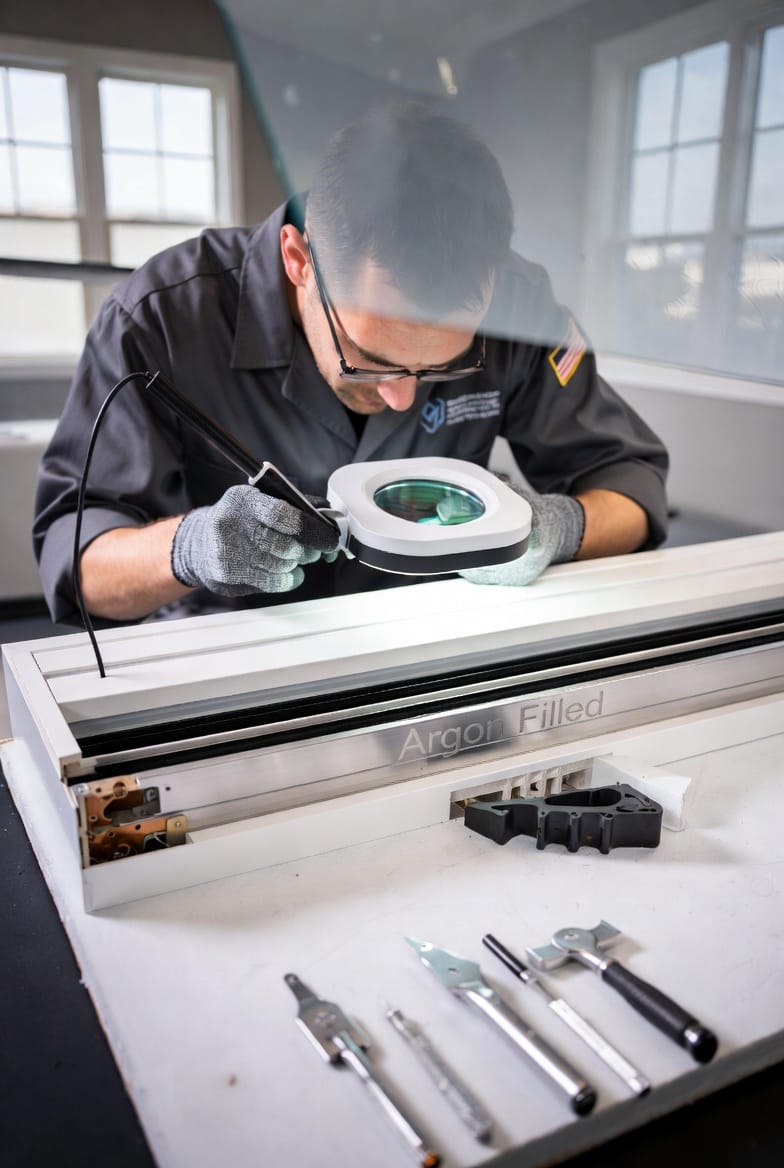
Homeowners can perform preliminary checks but definitive verification requires professional tools. Begin with a careful visual inspection for condensation between panes and check for etched markings on the spacer bar confirming original argon fill. A simple touch test along the glass edges during cold weather can reveal abnormal cooling.
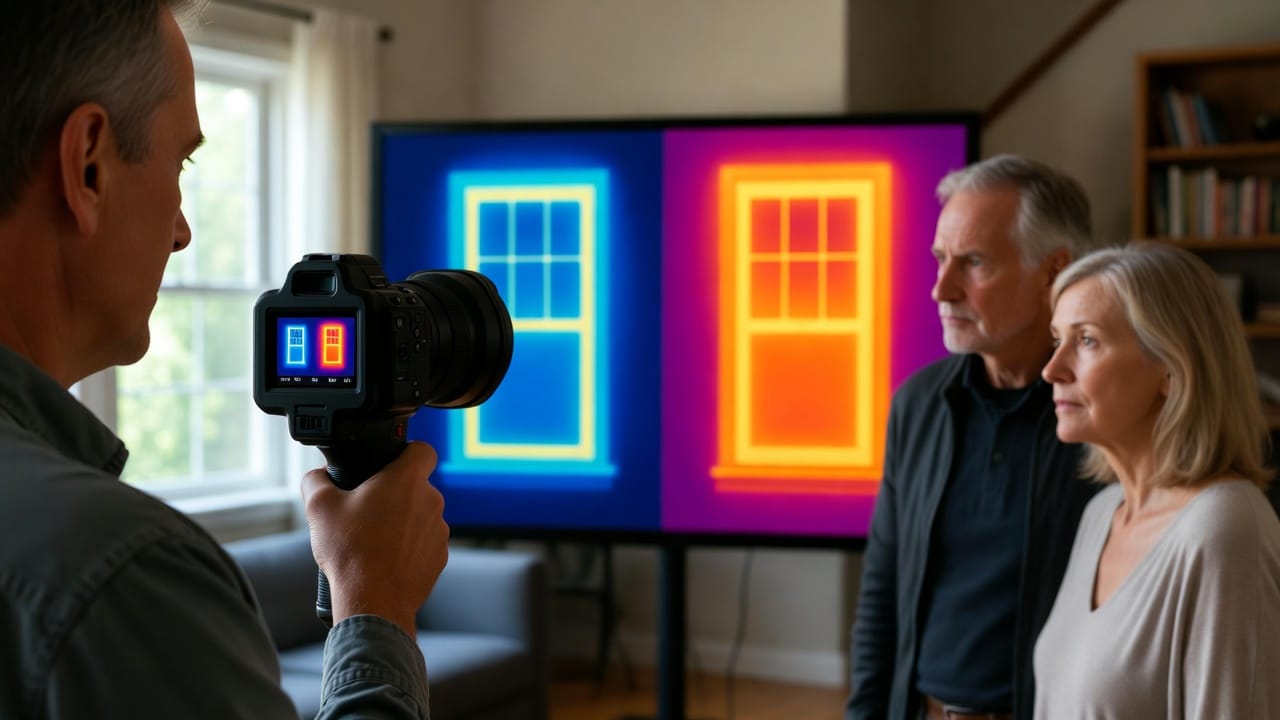
Certified technicians employ non-destructive thermal imaging to map surface temperatures and identify edge-of-glass anomalies. In specialized cases, they may use ultrasonic leak detection or extract minute gas samples for laboratory analysis. These advanced diagnostics provide precise data on remaining argon concentration without damaging the unit.
Cost-Benefit Analysis of Window Replacement
Replacing windows represents a significant investment, typically ranging from $450–$950 per unit installed, depending on style, glass package, and frame material. Newer models feature higher argon gas concentrations, improved spacers, and advanced coatings that deliver superior long-term performance.
Consider these factors when weighing costs:
- Age of existing windows – Units over 20 years often benefit most from full replacement.
- Local climate demands – Colder regions see faster payback through heating savings.
- Annual energy savings – Expect $10–$25 per window annually in moderate climates.
- Home resale value – Energy-efficient windows can increase property value by 1–3%.
- Available rebates and tax credits – Many utility programs and federal incentives offset 10–30% of costs.
The payback period usually falls between 8–12 years when combining energy savings, comfort gains, and reduced maintenance. For windows still under warranty, contacting the manufacturer first often yields free or low-cost repairs.
Making an Informed Decision for Your Windows
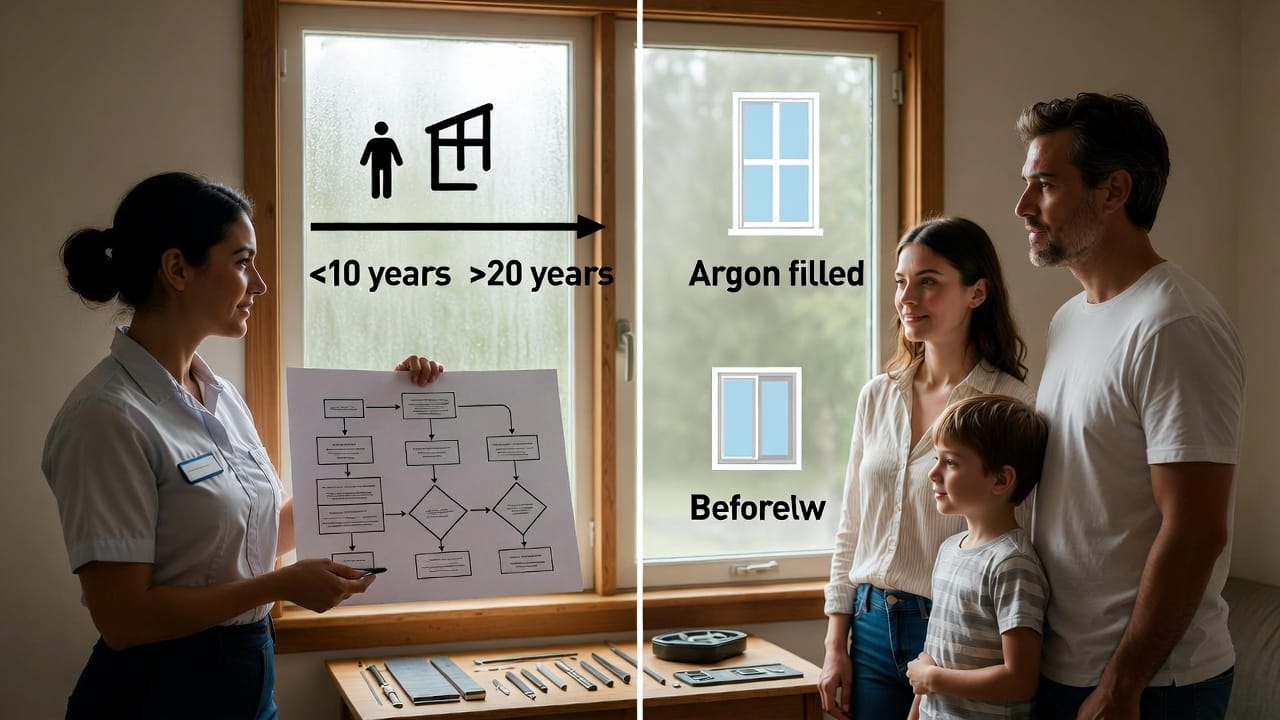
If your windows are less than 10 years old and exhibit problems, reach out to the original manufacturer immediately—warranties typically address seal failure. Windows aged 10–20 years may still qualify for partial coverage or cost-effective repairs. For units exceeding 20 years, modern replacements generally provide the best return through improved efficiency and durability.
Professional evaluation removes guesswork. Experts assess overall window condition, measure current performance, and present tailored options ranging from seal repair (rarely viable) to complete unit replacement.
Restoring Comfort and Efficiency With Confidence
Gas fill fade is a normal aspect of long-term window performance rather than a sudden crisis. Understanding the indicators and available solutions empowers homeowners to maintain comfortable, energy-efficient homes without unnecessary worry. Whether your windows require warranty service or thoughtful replacement, expert guidance ensures the right path forward.
Get a professional performance evaluation of your windows. Call
Upgrade Your Windows & Comfort – Call Now for a Quote