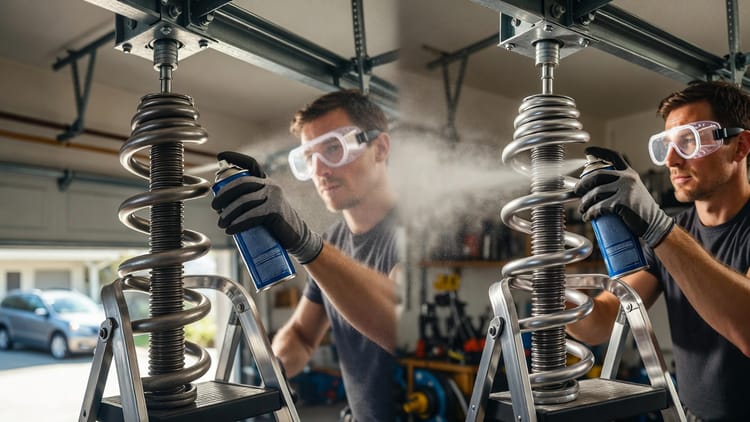
The Garage Door Lubrication Guide: What to Use, What to Avoid, and Where to Apply It
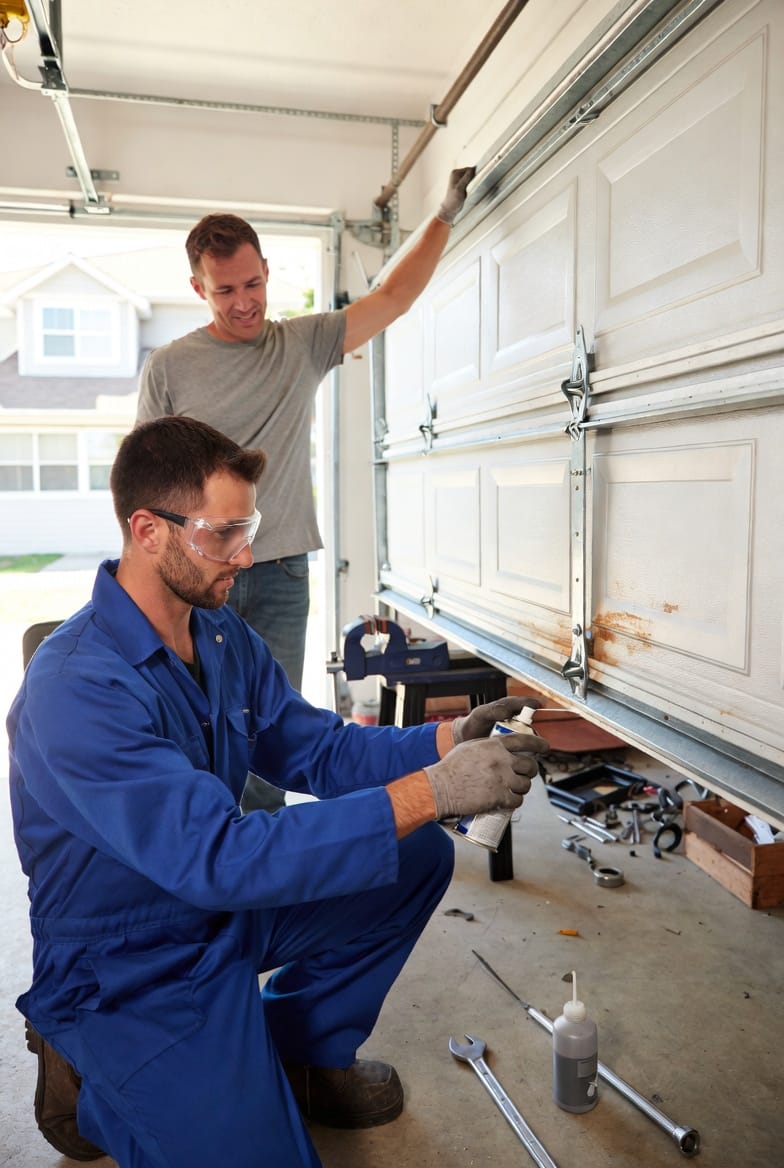
Maintaining your garage door is essential for ensuring its longevity, safety, and smooth operation. As one of the most frequently used entry points in your home, a well-lubricated garage door can prevent costly repairs and reduce noise. In this comprehensive guide, we'll walk you through the best practices for garage door lubrication, including the right lubricants to use, those to avoid, and precisely where to apply them. Whether you're a DIY enthusiast or prefer professional help, this tutorial will empower you with the knowledge to keep your garage door functioning optimally. Remember, regular maintenance like this can extend the life of your door by years, saving you time and money.
Keep Your Garage Door Running Like New – Call Today
Why Lubricate Your Garage Door?
Lubrication is a cornerstone of garage door maintenance. Over time, the moving parts of your garage door—such as rollers, hinges, springs, and tracks—experience friction, leading to wear and tear. Without proper lubrication, this friction can cause squeaking, jamming, or even complete failure, posing safety risks and increasing energy costs if the door struggles to open and close.
- Reduces Noise: A lubricated door operates quietly, minimizing disturbances in your home.
- Prevents Rust and Corrosion: Lubricants create a protective barrier against moisture and debris.
- Enhances Efficiency: Smooth movement means less strain on the garage door opener, potentially lowering electricity bills.
- Improves Safety: Well-maintained parts are less likely to break unexpectedly, reducing accident risks.
Experts recommend lubricating your garage door every six months, or more frequently if you live in harsh climates with extreme temperatures or high humidity. This simple task, when done correctly, can make a world of difference. Don't worry if you're new to this— we'll guide you step by step with an authoritative approach grounded in industry best practices.
Choosing the Right Lubricants
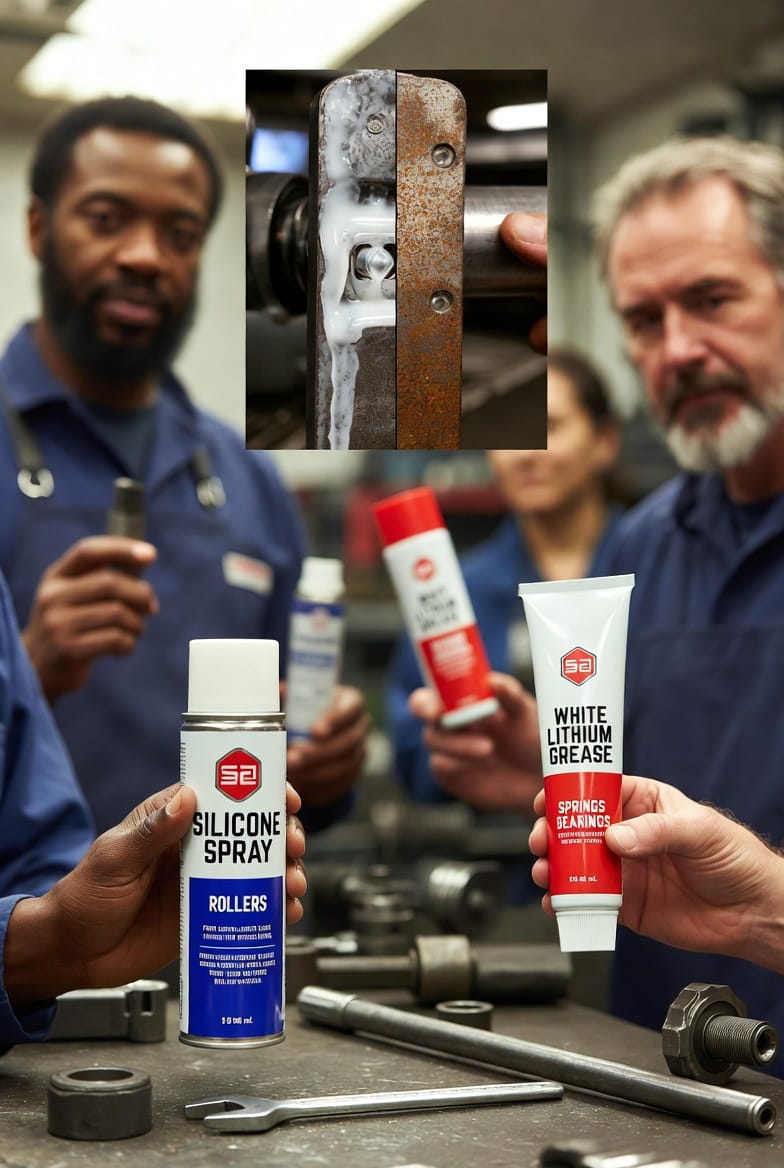
Selecting the appropriate lubricant for garage door parts is crucial. Not all products are created equal, and using the wrong one can do more harm than good. The two most recommended options are silicone spray and white lithium grease. These are specifically formulated for metal-to-metal contact and high-pressure applications found in garage doors.
Silicone Spray: The Versatile Choice
Silicone spray lubricant is ideal for most moving parts because it's lightweight, penetrates deeply, and doesn't attract dirt. It's water-resistant and maintains its effectiveness in a wide range of temperatures, from freezing winters to scorching summers.
- Advantages: Quick-drying, non-sticky formula; repels dust and grime; safe for plastic and rubber components.
- Best For: Rollers, hinges, and tracks where smooth gliding is essential.
- Application Tip: Shake the can well and apply in short bursts to avoid overspray.
Brands like 3-IN-ONE or DuPont offer high-quality silicone sprays that are readily available at hardware stores or online.
White Lithium Grease: For Heavy-Duty Parts
White lithium grease is a thicker, more durable lubricant that clings to surfaces, providing long-lasting protection against friction. It's particularly effective for parts under constant stress.
- Advantages: Stays in place without dripping; excellent for load-bearing components; resists washout from rain or snow.
- Best For: Springs, bearings, and pivot points that require sustained lubrication.
- Application Tip: Use a brush or rag for precise application to prevent mess.
Look for products from WD-40 Specialist or Blaster, ensuring they are labeled as white lithium grease.
By choosing these proper lubricants, you're investing in the health of your garage door system. They are designed to enhance performance without compromising the integrity of the materials.
What to Avoid: Common Mistakes in Lubrication
While it's tempting to grab whatever is in your toolbox, certain products can damage your garage door. The most notorious is WD-40, which many mistakenly use as a lubricant.
Why Avoid WD-40?
WD-40 is primarily a solvent and water displacer, not a true lubricant. It can clean surfaces initially but evaporates quickly, leaving parts dry and prone to further friction. Worse, it attracts dirt and dust, leading to buildup that exacerbates wear.
- Risks: Can degrade rubber seals and plastic components; promotes rust over time; ineffective for long-term protection.
- Alternatives: Stick to silicone or lithium-based products as outlined above.
Other items to steer clear of include:
- Household Oils like vegetable or motor oil: They collect debris and can stain your garage floor.
- Graphite Powder: Too abrasive for garage door mechanisms and can cause clogs.
- Petroleum-Based Greases: These break down in heat, losing effectiveness.
Avoiding these ensures your garage door lubrication efforts yield positive results. Always read labels and opt for garage-door-specific products to maintain warranty compliance and safety.
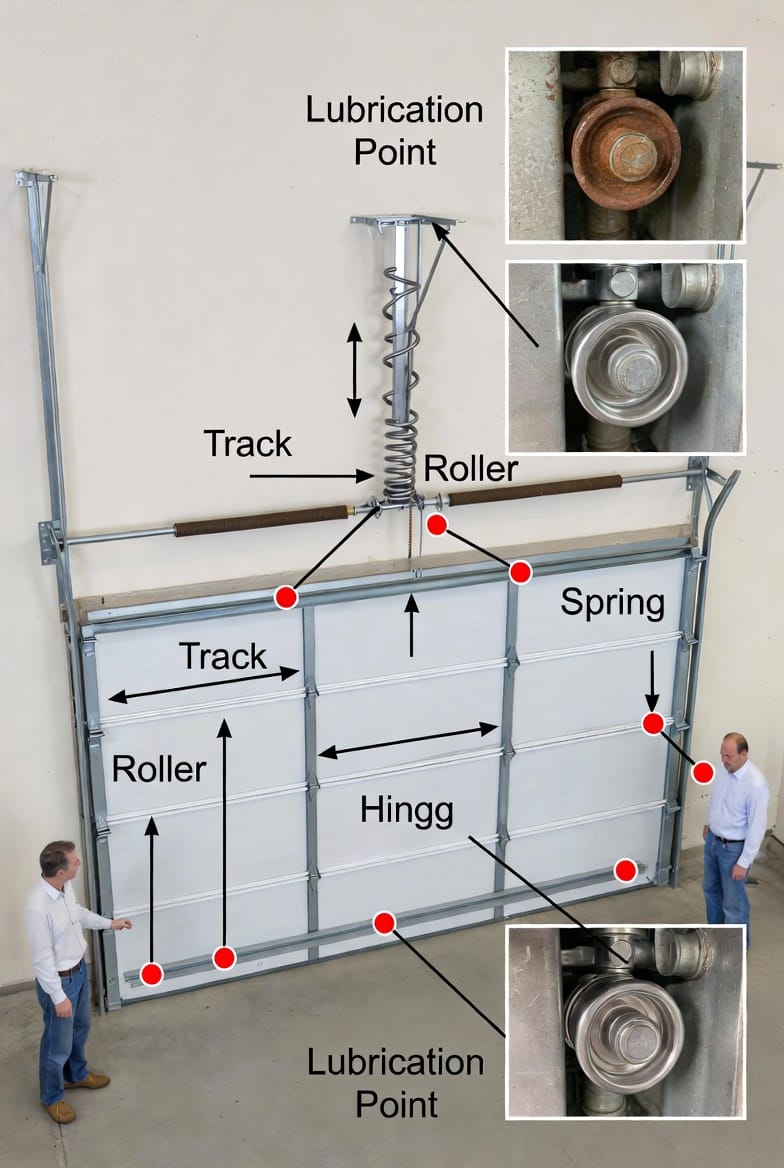
Key Lubrication Points: Where to Apply
Knowing where to lubricate garage door components is as important as choosing the right product. Focus on areas with metal-to-metal contact or movement. Here's a breakdown:
Rollers
Garage door rollers guide the door along the tracks. Lubricate the bearings inside the rollers, not the wheels themselves if they're nylon.
- Lubricant: Silicone spray.
- How: Apply sparingly to the stem where it meets the hinge.
Hinges
Hinges connect the door panels and allow folding during operation. Target the pivot points.
- Lubricant: Silicone spray or white lithium grease.
- How: Spray or dab into the hinge pins.
Springs
Garage door springs (torsion or extension) bear the door's weight. Lubricate the coils carefully to reduce tension noise.
- Lubricant: White lithium grease.
- How: Apply along the length, avoiding over-saturation.
Tracks
Garage door tracks should be clean but not heavily lubricated to prevent slipping.
- Lubricant: Light silicone spray.
- How: Wipe tracks first, then apply minimally.
Also, don't forget bearings in the end plates and any pulleys or chains if your opener uses them.
Step-by-Step Garage Door Lubrication Tutorial
Now, let's dive into a practical, reassuring garage door maintenance tutorial. Gather your tools: chosen lubricant, clean rags, a ladder, and safety gear like gloves and eye protection. Ensure the door is closed and disconnected from the opener for safety.
- Prepare the Area: Clean all parts with a mild degreaser or cloth to remove old grime. This step is vital for effective lubrication.
- Lubricate Rollers: Open the door halfway. Spray silicone into each roller's bearing, wiping excess.
- Address Hinges: Apply lubricant to each hinge's center pin. Operate the door a few times to distribute.
- Tackle Springs: For torsion springs, grease the coils evenly. Extension springs get lubricant on pulleys and ends.
- Treat Tracks: Lightly spray inside the tracks, then wipe to leave a thin film.
- Check Other Points: Lubricate the arm connecting to the opener and any locks.
- Test and Clean Up: Reconnect the opener, test the door, and clean any drips.
This process should take 20-30 minutes and can be done seasonally. If you encounter issues like broken springs, consult a professional immediately—safety first.
Safety Tips and Best Practices
Maintaining an authoritative approach, always prioritize safety during garage door lubrication.
- Disconnect Power: Unplug the opener to prevent accidental activation.
- Use Proper Tools: Avoid makeshift solutions that could lead to injury.
- Inspect Regularly: Look for signs of wear, like frayed cables or loose bolts.
- Know When to Call Pros: If the door is unbalanced or makes unusual noises, professional intervention is key.
Incorporating these habits ensures your garage door remains a reliable part of your home.
Common Issues and Troubleshooting
Even with proper lubrication, problems can arise. Here's how to address them:
- Squeaking Noises: Often due to dry hinges or rollers—reapply lubricant.
- Slow Operation: Check tracks for debris; clean and lubricate.
- Uneven Closing: Could indicate spring issues; professional adjustment needed.
- Rust Spots: Clean and apply a rust inhibitor before lubricating.
By staying proactive, you can troubleshoot minor issues before they escalate.
The Benefits of Professional Maintenance
While DIY lubrication is effective, professional services offer deeper inspections and adjustments. Technicians can balance springs, align tracks, and replace worn parts, ensuring peak performance.
Prevent Costly Repairs – Call for Garage Door Care