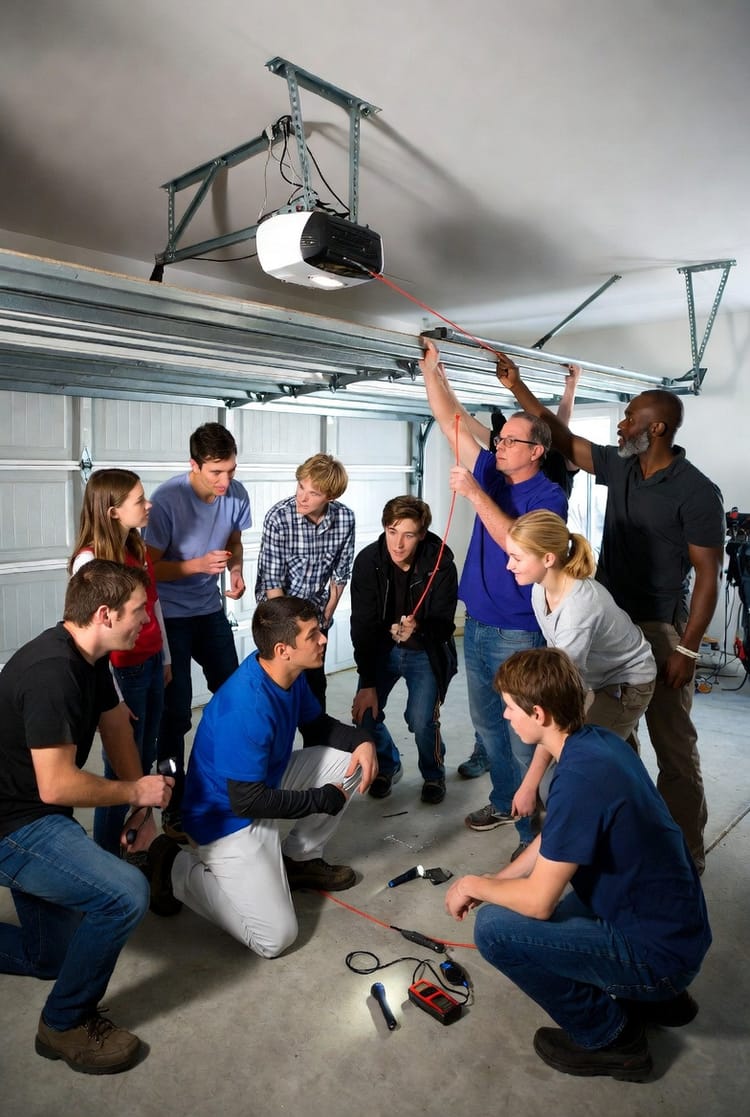
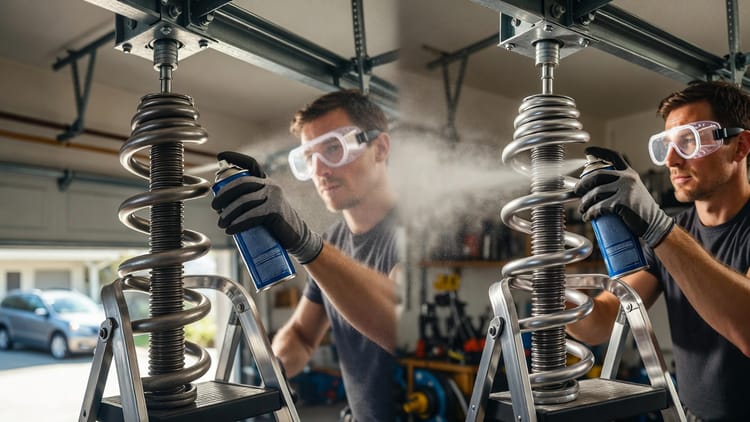
The Garage Door Cable Repair: Why This Dangerous Component Requires Professional Attention
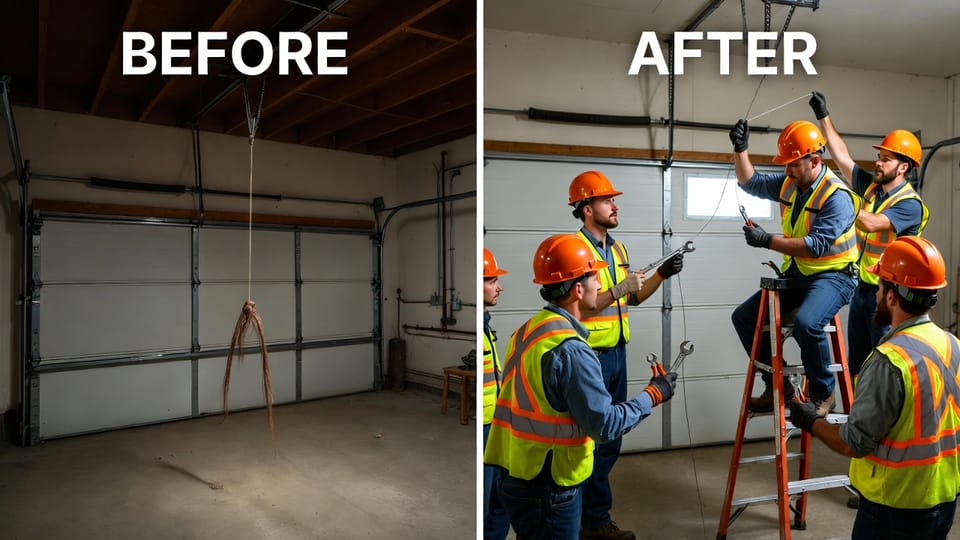
Garage doors are essential for home security and convenience, but their components demand respect—especially the lift cables. These unassuming elements play a vital role in safe operation, yet when they fail, the consequences can be severe. In this in-depth article, we'll delve into the mechanics of garage door cables, the inherent dangers of their failure due to stored spring energy, and why attempting a DIY repair is not just inadvisable but extremely hazardous. Rest assured, understanding these risks empowers you to prioritize safety and seek expert help, ensuring your garage door functions reliably for years.
Garage Door Cable Broken? Call Professionals Today!
The Essential Role of Lift Cables in Garage Door Operation
At the heart of every garage door system are the lift cables, which work in tandem with torsion or extension springs to counterbalance the door's weight. Typically made from galvanized steel, these cables attach to the bottom brackets of the door and wind around drums at the top, allowing smooth lifting and lowering.
Without properly functioning cables, the door becomes unbalanced, leading to operational failures. They bear immense tension—often hundreds of pounds—making them indispensable for effortless movement. According to industry guidelines from the International Door Association (IDA), regular inspections of these cables are crucial to maintain equilibrium and prevent mishaps.
- Counterbalancing Mechanism: Cables distribute the spring's force evenly, reducing strain on the opener.
- Material Durability: High-tensile steel resists wear, but exposure to elements can degrade them over time.
- Integration with System: They connect seamlessly with rollers, tracks, and springs for synchronized performance.
By appreciating their function, homeowners can recognize early signs of trouble and act proactively.
Understanding Cable Failure: The Hidden Dangers
Cable failure isn't just an inconvenience—it's a serious safety hazard. When a lift cable snaps, the stored energy in the springs can release violently, causing the door to crash down or components to fly off unpredictably. This energy, akin to a coiled spring under pressure, can result in injuries, property damage, or even fatalities if not handled correctly.
Common causes include fraying from repeated cycles, rust from moisture, or improper installation. A failed cable disrupts the balance, forcing the door to rely solely on the opener, which isn't designed for such loads and can burn out quickly.
Why is this so perilous? The springs hold tremendous potential energy—up to 500 pounds of force in some systems. A sudden break can propel metal fragments at high speeds, endangering anyone nearby. Statistics from the Consumer Product Safety Commission (CPSC) highlight thousands of garage door-related injuries annually, many linked to cable and spring issues.
- Immediate Risks: Door slamming shut, trapping vehicles or people.
- Long-Term Damage: Uneven wear on tracks and rollers, leading to costly replacements.
- Environmental Factors: Humidity and salt in coastal areas accelerate corrosion, heightening failure rates.
Rest easy knowing that professional assessments can identify these issues before they escalate.
Why DIY Cable Repair is Extremely Hazardous
Attempting to repair garage door cables yourself might seem cost-effective, but it's fraught with dangers that far outweigh any savings. The primary hazard stems from the high-tension springs interconnected with the cables. Releasing or adjusting this tension without specialized tools and knowledge can lead to catastrophic accidents.
DIYers often underestimate the force involved, using inadequate equipment like vice grips or ladders, which can slip and cause falls. Moreover, incorrect cable winding can misalign the door, exacerbating problems. Experts warn that even minor errors can void warranties and increase liability.
- Lack of Safety Gear: Professionals use winding bars, clamps, and harnesses to manage risks.
- Technical Complexity: Precise measurements for cable length and drum alignment are critical.
- Legal Implications: Improper repairs may violate building codes, complicating insurance claims.
Trust that certified technicians handle these repairs with precision, minimizing risks and ensuring compliance.
Step-by-Step Professional Repair Process
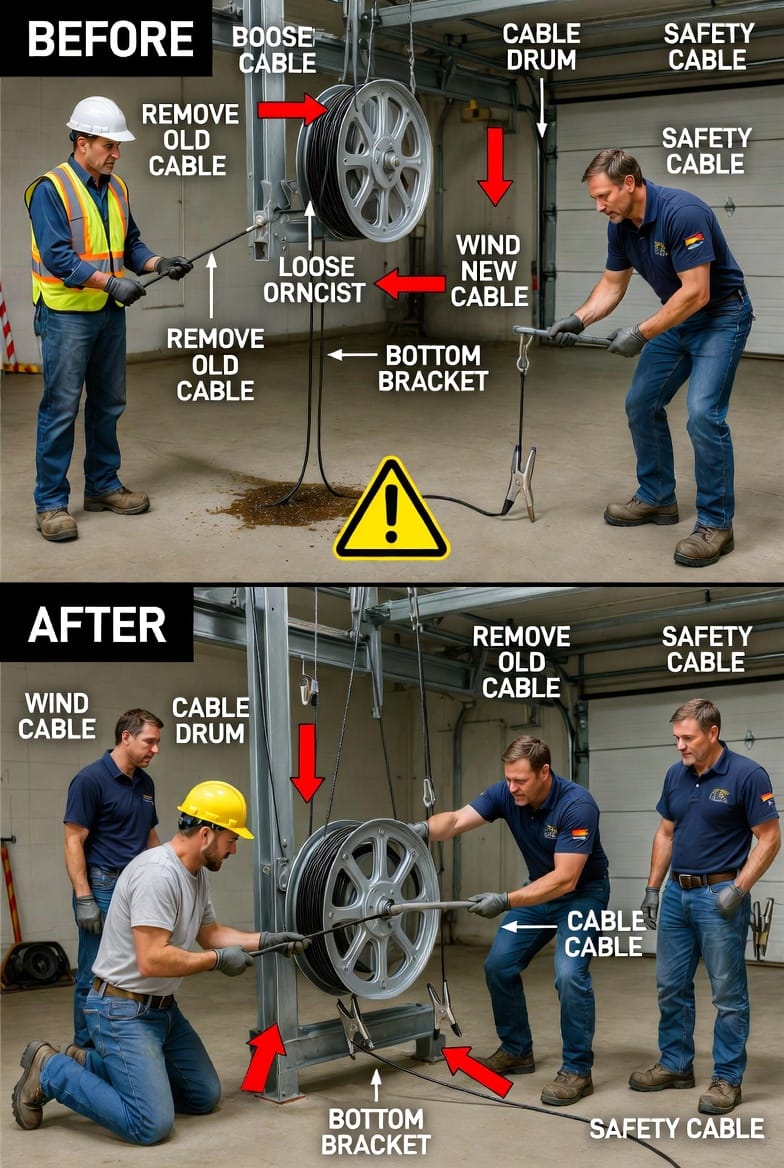
When cables fail, professionals follow a meticulous process to restore safety. First, they secure the door to prevent movement, then release spring tension carefully using winding bars. New cables are measured and installed, ensuring even winding on both sides.
This approach contrasts sharply with DIY methods, which skip vital steps. Technicians test the system multiple times, adjusting for balance and lubricating components.
Initial Assessment
- Inspect for fraying, rust, or slack.
- Check spring integrity to avoid compounded issues.
Tension Release
- Use specialized tools to unwind springs safely.
- Clamp tracks to immobilize the door.
Cable Replacement
- Attach new cable to bottom bracket.
- Wind around drum, matching the original configuration.
Final Testing
- Re-tension springs gradually.
- Operate the door to verify smooth function.
This structured method guarantees longevity and peace of mind.
Signs of Cable Wear: When to Seek Help
Recognizing early warning signs can prevent disasters. Fraying strands indicate imminent failure, while rust spots weaken the cable's integrity. Uneven door movement—such as jerking or tilting—signals imbalance, and loud snapping sounds during operation are red flags.
Ignoring these can lead to complete breakdowns. Regular maintenance, like annual tune-ups, catches issues early.
- Visual Cues: Loose cables or visible wear on drums.
- Auditory Alerts: Grinding or popping noises.
- Operational Issues: Door struggling to open or close fully.
Proactive monitoring keeps your family safe.
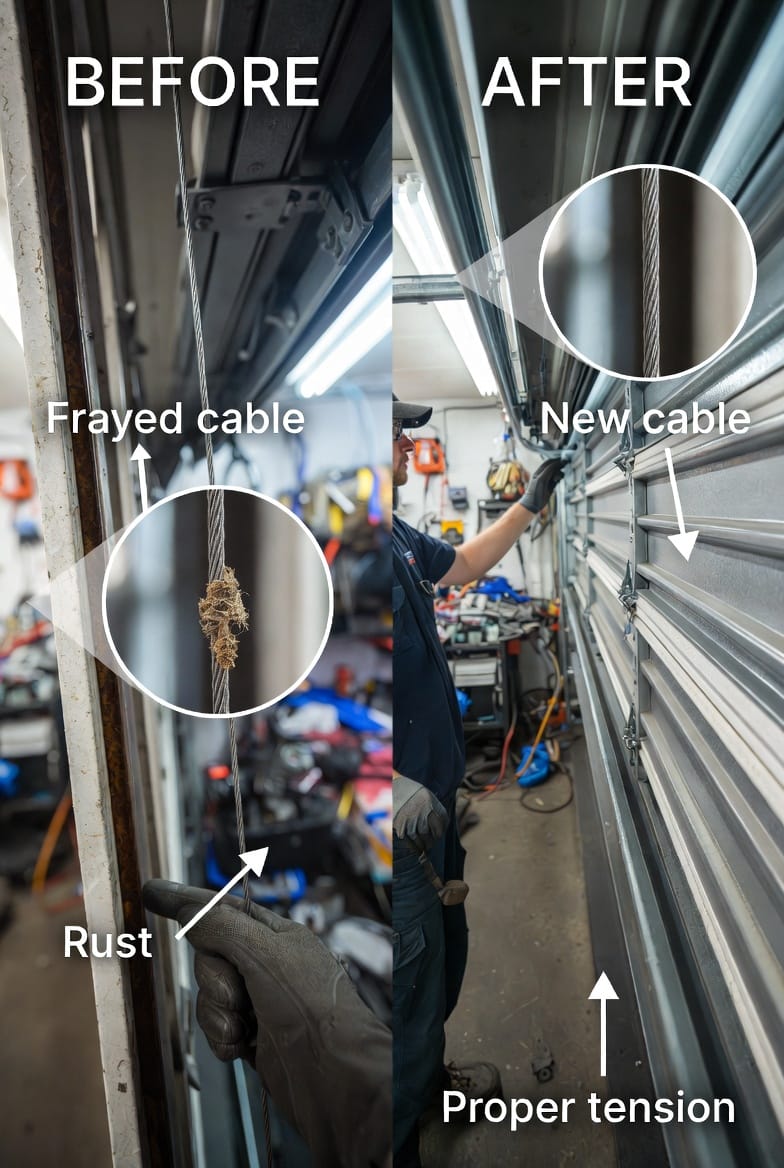
Materials and Tools for Safe Repairs
Professionals use high-quality materials like aircraft-grade cables for durability. Tools include winding bars, cable clamps, and torque wrenches to ensure precision.
- Cable Types: Galvanized vs. stainless steel for corrosion resistance.
- Safety Equipment: Gloves, goggles, and stabilizers.
- Advanced Diagnostics: Tension gauges for accurate balancing.
These resources underscore why expertise matters.
Common Mistakes in Garage Door Maintenance
Homeowners often overlook cable inspections during routine checks, focusing only on the opener. Using mismatched cables or ignoring spring wear compounds risks.
- Over-Tightening: Leads to premature breakage.
- Neglecting Lubrication: Increases friction and wear.
- Delaying Repairs: Allows minor issues to become major hazards.
Avoid these by scheduling professional services.
The Benefits of Professional Intervention
Opting for experts not only averts dangers but extends your system's life. Warranties on parts and labor provide added security, and proper repairs enhance energy efficiency by sealing gaps.
In high-traffic homes, this means fewer disruptions. Plus, professionals offer advice on upgrades like insulated doors.
When to Call the Experts
If you notice any signs of cable distress, don't hesitate. Early intervention prevents accidents and saves money long-term.
Secure Your Garage Door – Call for Peace of Mind Now
In summary, garage door cable repair demands professional attention due to the dangers of stored spring energy and the hazards of DIY attempts. By prioritizing safety, you protect your home and loved ones effectively.