The Frame Game: A Material Analysis of Vinyl, Fiberglass, Wood, and Aluminum Window Frames
When it comes to selecting the perfect windows for your home, the frame material plays a pivotal role in determining overall performance, longevity, and aesthetic appeal. While glass often steals the spotlight, the frame is the unsung hero that supports, insulates, and defines your windows' functionality. In this comprehensive analysis, we'll dive deep into four popular frame materials: vinyl, fiberglass, wood, and aluminum. We'll compare them based on key factors like thermal performance (including the crucial concept of thermal breaks), maintenance requirements, strength and durability, and cost. By the end, you'll have the knowledge to make an informed decision that suits your home's needs and budget.
Upgrade Your Windows Right – Call for Frame Guidance!
Rest assured, choosing the right frame isn't overwhelming when you understand the pros and cons. Whether you're renovating a cozy cottage or a modern urban dwelling, there's a material that aligns perfectly with your vision. Let's break it down step by step.
Why Frame Material Matters: The Foundation of Window Efficiency
Windows are more than just portals to the outside world; they're integral to your home's energy efficiency, structural integrity, and curb appeal. The frame material directly influences how well your windows resist weather, retain heat, and stand the test of time. Poor choices can lead to higher energy bills, condensation issues, or even structural weaknesses over time. On the flip side, the right frame enhances comfort and value.
Key considerations include:
- Thermal Performance: How well the frame insulates against heat loss or gain.
- Maintenance: Ease of upkeep to keep frames looking and functioning like new.
- Strength: Ability to withstand environmental stresses without warping or breaking.
- Cost: Initial investment versus long-term savings.
We'll explore why vinyl has become a household favorite, fiberglass excels in high-performance scenarios, wood offers timeless elegance, and aluminum provides a sleek, modern look despite its conductivity challenges.
Vinyl Frames: The Popular Choice for Everyday Homes
Vinyl window frames, made from polyvinyl chloride (PVC), have surged in popularity over the past few decades, and for good reason. They're affordable, versatile, and require minimal fuss, making them ideal for budget-conscious homeowners seeking reliable performance.
Thermal Performance
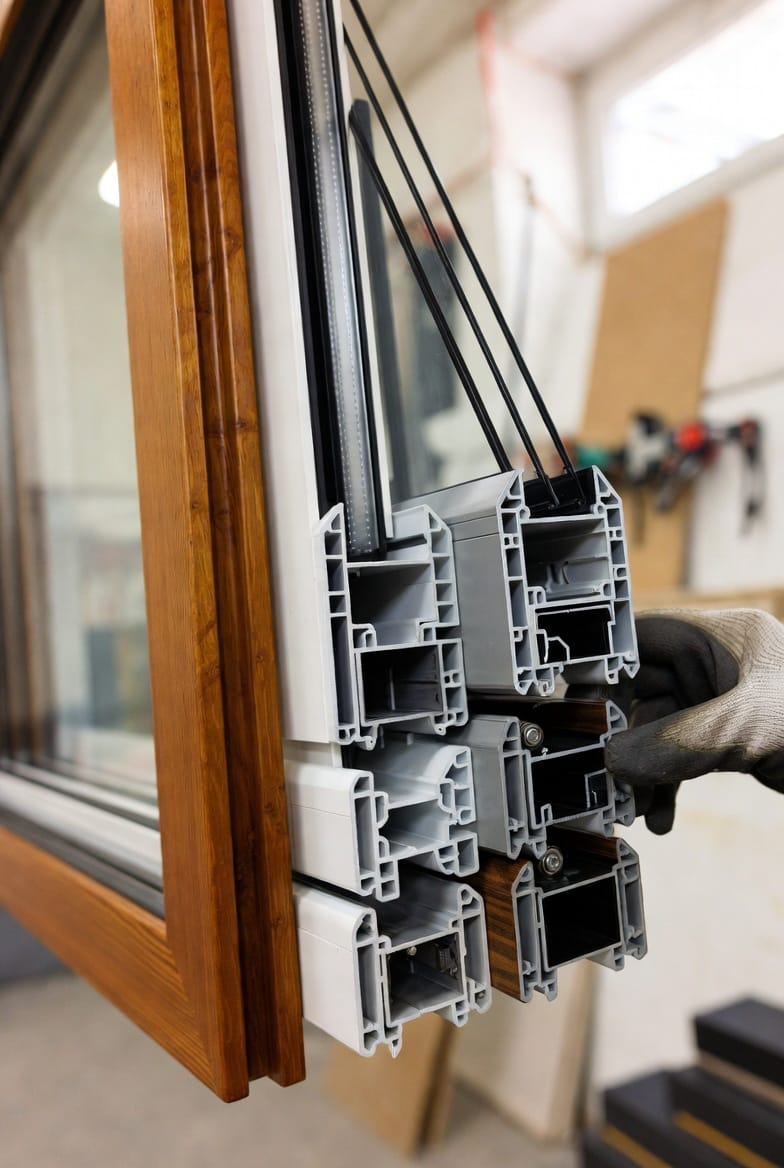
Vinyl inherently offers excellent insulation due to its low thermal conductivity. Unlike metals, it doesn't transfer heat easily, helping maintain indoor temperatures. Many vinyl frames incorporate multi-chamber designs that trap air, acting as natural insulators. While they don't typically need thermal breaks (a feature more common in metal frames), high-quality vinyl can achieve impressive U-values, often rivaling more expensive options.
Maintenance
One of vinyl's biggest selling points is its low-maintenance nature. It resists rot, corrosion, and peeling, so you won't need to paint or stain it. A simple wipe-down with soap and water keeps it pristine. This durability stems from its resistance to moisture and UV rays, ensuring it doesn't fade or crack easily.
Strength
Vinyl frames are surprisingly sturdy, reinforced with steel or aluminum inserts in critical areas. They hold up well against wind, impacts, and daily wear, though they may expand or contract slightly with extreme temperature changes. In moderate climates, this isn't a concern, but in harsh environments, opt for reinforced versions.
Cost
Affordability is where vinyl shines. Entry-level vinyl frames start at around $200–$400 per window, making them accessible for whole-home replacements. Long-term, they save on energy and upkeep, often paying for themselves in reduced utility bills.
Why is vinyl so popular? It's the perfect balance of performance and price, appealing to first-time homeowners and large-scale renovations alike. If you're looking for no-nonsense windows that deliver without breaking the bank, vinyl is a reassuring choice.
Fiberglass Frames: High-Performance Powerhouses
For those demanding top-tier efficiency and longevity, fiberglass frames stand out as a premium option. Composed of glass fibers embedded in resin, fiberglass combines strength with superior insulation, making it a go-to for energy-conscious builds.
Thermal Performance
Fiberglass excels in thermal efficiency, with low conductivity similar to wood but without the vulnerability to moisture. Its hollow profiles can be filled with insulating foam, boosting R-values significantly. No thermal breaks are needed, as the material itself prevents heat transfer, ideal for extreme climates where energy savings are paramount.
Maintenance
Like vinyl, fiberglass requires minimal maintenance. It's impervious to rot, insects, and weathering, and can be painted to match your home's evolving style. UV resistance ensures colors stay vibrant, reducing the need for frequent touch-ups.
Strength
This is fiberglass's forte—it's incredibly durable, resisting warping, denting, or cracking even under heavy loads. Its tensile strength rivals steel, making it suitable for large windows or high-wind areas. Homeowners in coastal or mountainous regions appreciate this robustness.
Cost
Fiberglass comes at a higher price point, typically $500–$800 per window, but the investment pays off in durability and efficiency. Over time, lower energy costs and fewer replacements make it cost-effective.
Fiberglass's high-performance edge comes from its engineering—it's built to last decades with unwavering reliability. If your priority is long-term value and minimal environmental impact, fiberglass reassures with its unyielding quality.
Wood Frames: The Classic Elegance with Timeless Appeal
Nothing evokes warmth and tradition like wood window frames. Sourced from species like pine, oak, or mahogany, wood has been a staple in architecture for centuries, offering a natural aesthetic that's hard to replicate.
Thermal Performance
Wood is a natural insulator with moderate thermal performance. Its cellular structure traps air, reducing heat flow effectively. However, without proper sealing, it can absorb moisture, potentially leading to inefficiency. Modern wood frames often include cladding (aluminum or vinyl exteriors) to enhance insulation without compromising the interior wood look. Thermal breaks aren't inherent but can be added via cladding.
Maintenance
Wood demands more attention than synthetic options. It requires periodic painting, staining, or sealing to protect against rot, insects, and weathering. With proper care, though, it can last generations. Clad wood reduces exterior maintenance significantly.
Strength
Wood's strength varies by species but generally provides excellent structural support. It's rigid yet flexible enough to absorb impacts. In historic homes, wood maintains authenticity while offering solid performance.
Cost
Expect to pay $400–$700 per window for quality wood frames. The premium reflects the material's natural beauty and craftsmanship, with potential savings in aesthetic value addition to your property.
Wood's classic status endures because it blends seamlessly with traditional designs, providing a cozy, organic feel. For heritage restorations or homes valuing authenticity, wood offers authoritative elegance that's both reassuring and refined.
Aluminum Frames: Modern Sleekness with a Conductive Caveat
Aluminum frames embody contemporary design, with their slim profiles and industrial vibe. Lightweight and recyclable, they're favored in commercial and modern residential settings.
Thermal Performance
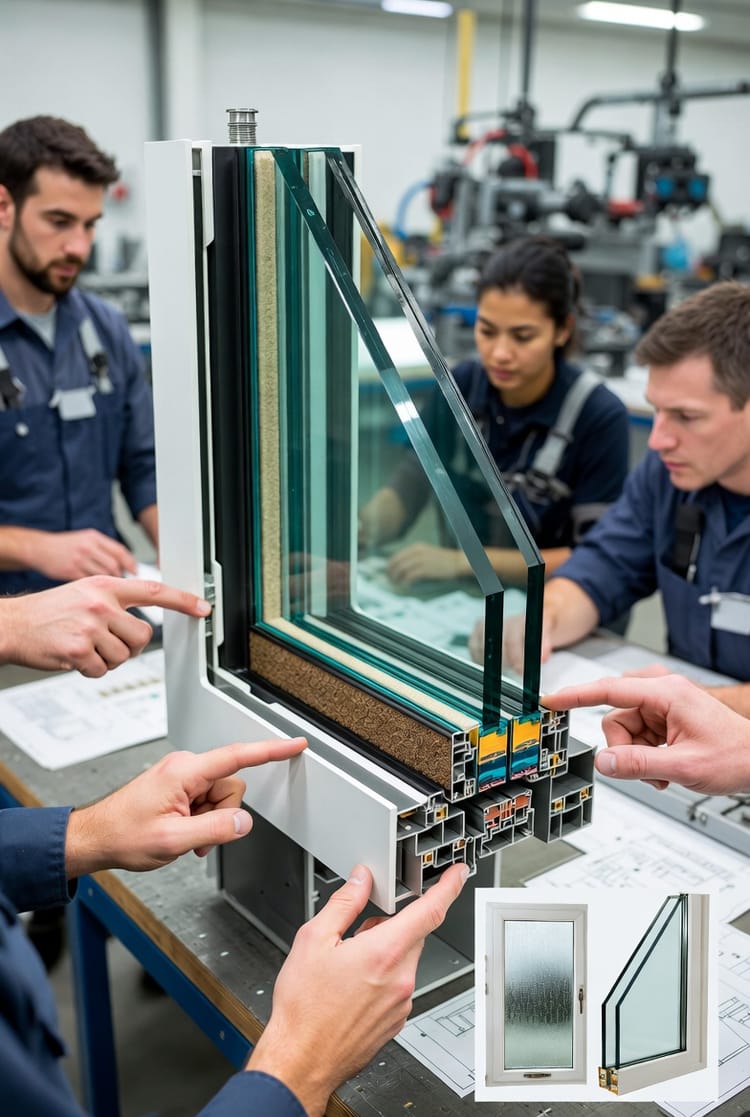
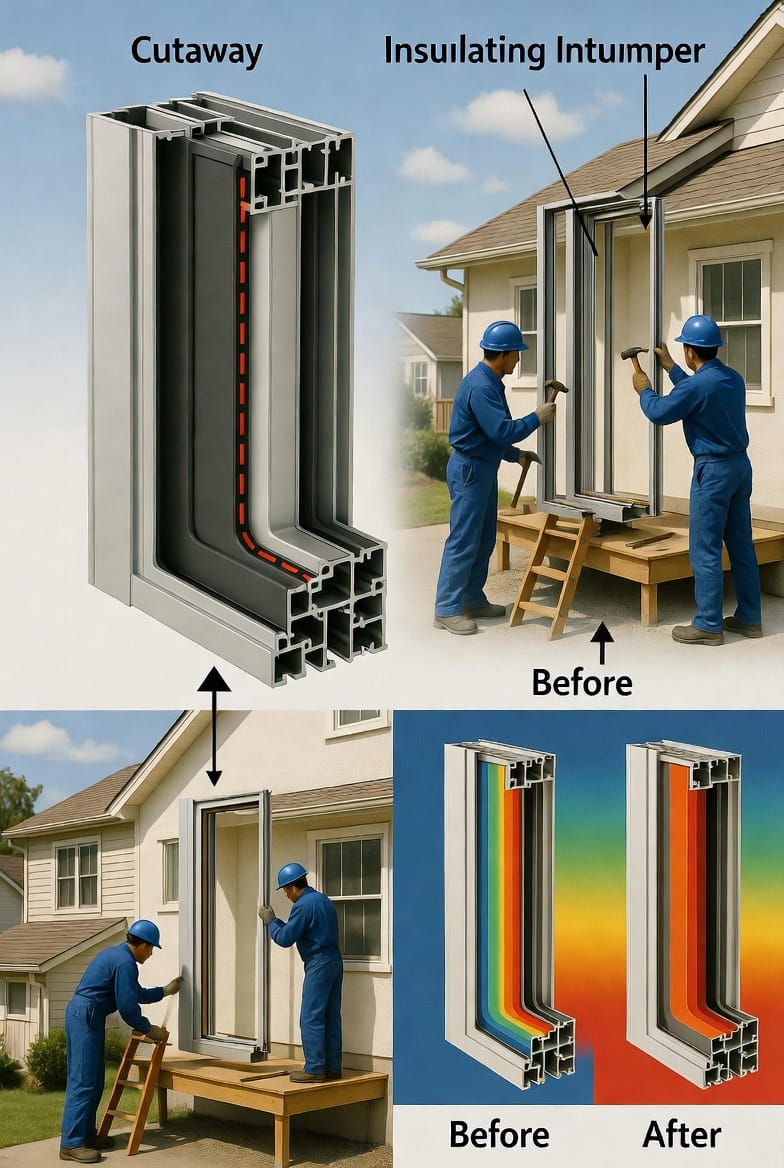
Aluminum's Achilles' heel is its high conductivity, which can lead to heat loss and condensation. However, advanced designs incorporate thermal breaks—insulating barriers (often polyamide or polyurethane) that separate interior and exterior sections, dramatically improving efficiency. Without this, aluminum lags behind; with it, it competes admirably.
Maintenance
Aluminum is virtually maintenance-free, resisting corrosion thanks to anodized or powder-coated finishes. It doesn't warp, rot, or attract pests, needing only occasional cleaning.
Strength
Exceptionally strong, aluminum supports large glass panes without sagging. Its rigidity makes it ideal for high-rise or expansive installations, enduring extreme weather with ease.
Cost
Aluminum frames range from $300–$600 per window, offering good value for their durability. Thermally broken versions cost more but deliver better ROI through energy savings.
Aluminum's modern appeal lies in its clean lines and versatility, though its conductivity requires thoughtful engineering. For sleek, low-profile windows, it's a confident choice when properly insulated.

Head-to-Head Comparison: Which Frame Wins?
To make your decision easier, let's summarize the materials in a quick comparison:
- Thermal Performance:
- Vinyl: Excellent, low conductivity.
- Fiberglass: Superior, foam-filled options.
- Wood: Good, natural insulation.
- Aluminum: Variable; excellent with thermal breaks.
- Maintenance:
- Vinyl: Low, wipe-clean.
- Fiberglass: Minimal, paintable.
- Wood: Moderate to high, sealing required.
- Aluminum: Very low, durable finishes.
- Strength:
- Vinyl: Solid with reinforcements.
- Fiberglass: Outstanding, high tensile.
- Wood: Reliable, species-dependent.
- Aluminum: Exceptional, supports large spans.
- Cost:
- Vinyl: Budget-friendly.
- Fiberglass: Premium investment.
- Wood: Mid-to-high range.
- Aluminum: Affordable to moderate.
Each material has its niche: Vinyl for value, fiberglass for endurance, wood for charm, and aluminum for modernity. Factors like climate, home style, and budget will guide your pick.
Common Myths Debunked
- Myth: Vinyl is cheap and flimsy. Reality: Modern vinyl is robust and energy-efficient.
- Myth: Wood always rots. Reality: With cladding and care, it lasts indefinitely.
- Myth: Aluminum causes massive energy loss. Reality: Thermal breaks mitigate this effectively.
- Myth: Fiberglass is overkill. Reality: Its performance justifies the cost in demanding environments.
Armed with facts, you can confidently avoid pitfalls.
Making the Right Choice for Your Home
Selecting window frames is about aligning with your lifestyle. Consider consulting professionals to assess your specific needs—climate, architecture, and usage all play roles. Rest assured, investing in quality frames enhances comfort, reduces bills, and boosts resale value.
In conclusion, whether you opt for the popularity of vinyl, the prowess of fiberglass, the classic wood, or modern aluminum, each offers unique benefits. By focusing on thermal performance, maintenance, strength, and cost, you're set for windows that perform beautifully for years to come.
Get the Right Window Bones – Call Experts Today!