The Flood Insurance Reality: Why Homeowners Policies Don't Cover Flooding and When You Need Separate Coverage
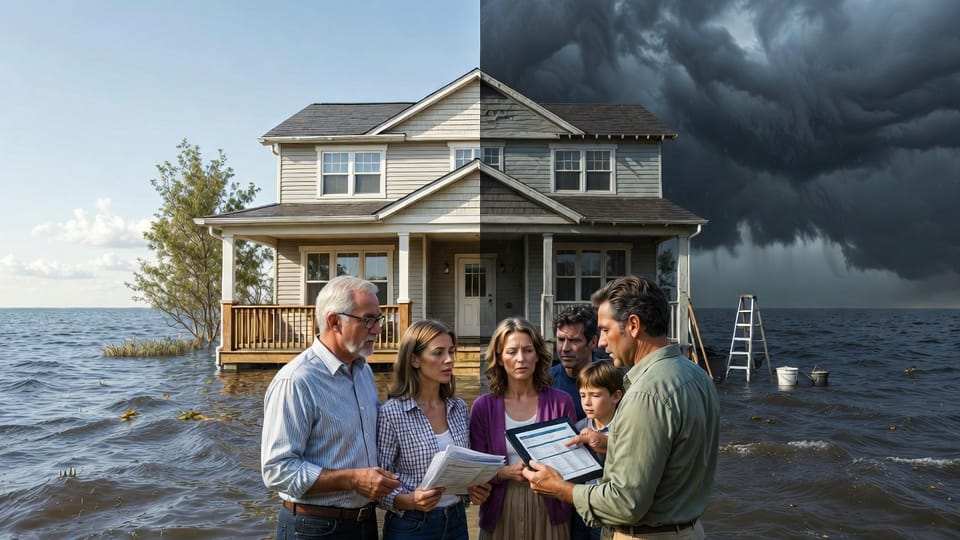
When severe weather strikes, the aftermath can be devastating. Water surges into your basement, ruins your flooring, and damages irreplaceable belongings. Many homeowners assume their existing protection will handle the costs. Unfortunately, that assumption often proves costly. Standard homeowners insurance policies exclude flood damage entirely. This critical gap leaves families exposed at the worst possible time.
Secure Flood Protection Before the Next Storm – Call Now
Flooding ranks among the most common and destructive natural disasters in the United States. Yet the majority of policies sold today stop short of covering it. Understanding why this exclusion exists and how separate flood insurance fills the void empowers you to safeguard your largest investment. The good news is that targeted solutions are readily available. With the right coverage, you can face storms with confidence instead of worry.
This article clarifies the reality of homeowners insurance flood coverage. We explore the differences between government-backed programs and private options. You will learn who truly needs protection—whether your property sits inside a designated high-risk area or outside one. By the end, you will see how proactive planning delivers peace of mind for years to come.
Why Standard Homeowners Policies Fall Short on Flood Protection
Homeowners insurance is designed to protect against specific perils such as fire, windstorms, theft, and liability claims. These policies follow standardized forms that deliberately omit flooding. The reason is simple: flood risk is too widespread and unpredictable for standard insurers to absorb without specialized pricing and reinsurance.
Insurance companies classify flood damage as a separate catastrophic peril. Including it in every policy would drive premiums sky-high for everyone, even those living far from water. Instead, the industry created a dedicated program decades ago. As a result, a typical homeowners policy pays nothing for water that enters your home through the ground, overflows rivers, or backs up from sewers during heavy rains.
This exclusion surprises many after a claim denial. Families discover too late that their beautiful hardwood floors, finished basement, and cherished appliances receive zero reimbursement. The financial hit can reach tens or hundreds of thousands of dollars. Fortunately, recognizing this gap early allows you to close it before disaster strikes. Separate flood insurance exists precisely for these situations, restoring what matters most without draining your savings.
Mapping Your Risk: Flood Zones Explained
Every property carries some level of flood exposure, yet not all locations face equal danger. Federal mapping systems divide communities into zones based on historical data, elevation, and proximity to water sources. These maps guide both mandatory requirements and voluntary decisions.
High-risk zones, often labeled Special Flood Hazard Areas, require coverage for mortgaged homes. Moderate- and low-risk zones appear safer on paper, yet they still experience significant flooding events. In fact, a substantial percentage of paid claims originate outside mapped high-risk areas. Urban drainage issues, changing climate patterns, and unexpected river crests affect properties once considered safe.
Understanding your specific flood zone helps you make informed choices. Local assessors and insurance professionals review these maps alongside your property details. This personalized assessment reveals whether basic protection suffices or whether enhanced coverage better matches your situation. The process takes little time but delivers lasting security.

NFIP vs Private Flood Insurance: Understanding Your Choices
Two primary paths exist for securing flood insurance: the National Flood Insurance Program (NFIP) administered through FEMA and an expanding range of private carriers. Each option serves different needs, and comparing them helps you select the best fit.
The NFIP offers standardized policies available in participating communities. It provides essential coverage up to $250,000 for the building structure and $100,000 for personal contents. Rates are set nationally, and policies include a 30-day waiting period before coverage begins. This program ensures availability even in the highest-risk locations where private insurers may hesitate.
Private flood insurance has grown rapidly in recent years. These policies often feature higher coverage limits, broader definitions of covered water events, and sometimes shorter or no waiting periods. Many private options also exclude certain NFIP restrictions, such as mandatory elevation requirements for certain repairs. Premiums can be more competitive in moderate- or low-risk zones, rewarding properties with strong mitigation features like raised foundations or improved drainage.
Key differences include:
- Coverage limits: NFIP caps exist; private policies frequently extend well beyond them.
- Claim speed: Private carriers often process and pay claims faster due to fewer bureaucratic layers.
- Eligibility: NFIP serves all mapped communities; private insurers use advanced modeling to cover additional properties.
- Customization: Private plans allow riders for temporary living expenses, debris removal, and more.
Many homeowners combine both or switch to private coverage as their needs evolve. An experienced agent reviews your location, property value, and risk profile to recommend the most cost-effective solution. The result is tailored protection that aligns with your budget and lifestyle.
Who Really Needs Flood Coverage? Properties Inside and Outside Flood Zones
Mandatory requirements apply to homes in high-risk zones with federally backed mortgages. Lenders insist on coverage to protect their collateral. Yet mandatory rules represent only the minimum. Voluntary coverage protects far more families than most realize.
Properties outside mapped high-risk zones still benefit enormously. Recent storms have shown that flash flooding, poor municipal drainage, and rising sea levels impact low-risk areas with surprising frequency. Homebuyers closing on dream properties often learn this lesson the hard way. Adding flood insurance at purchase costs far less than rebuilding later.
Renters can protect personal belongings through separate contents policies. Coastal homeowners, riverfront residents, and those in expanding urban developments face elevated exposure even if maps lag behind real-world conditions. New construction in previously dry areas may still require protection once community growth alters natural water flow.
The reassuring truth is that flood insurance remains affordable for most households. Premiums depend on construction type, elevation, and chosen limits rather than blanket assumptions. By evaluating your unique situation with a qualified professional, you avoid both under-insurance and unnecessary expense. Peace of mind comes from knowing your family and home stay secure regardless of location.
What Flood Insurance Actually Covers
Clear understanding of covered items prevents disappointment during claims. Flood insurance focuses on direct physical damage caused by rising or overflowing water. Policies divide protection into two main categories: building property and personal contents.
Building coverage typically includes:
- Foundation and structural elements
- Electrical systems and wiring
- Plumbing and heating components
- HVAC equipment
- Built-in appliances such as ovens and dishwashers
- Permanently installed flooring and cabinetry
Personal contents coverage protects movable items such as:
- Furniture and mattresses
- Clothing and linens
- Kitchen appliances and electronics
- Books, artwork, and collectibles
- Washer and dryer units
Excluded items generally include land, vehicles (handled by auto policies), and living expenses during repairs. Most plans also reimburse for debris removal and limited mold remediation when flooding is the cause.

Choosing and Affording the Right Policy
Selecting coverage begins with a simple risk review. Share your address, property details, and desired limits with a licensed agent. They access current maps, compare NFIP and private quotes, and explain every clause in plain language. Many carriers now offer discounts for mitigation steps such as installing sump pumps, elevating water heaters, or adding flood vents.
Budget-friendly strategies keep premiums manageable. Choosing higher deductibles, limiting contents coverage to essential items, or bundling with your existing homeowners policy reduces costs. Annual reviews ensure your protection keeps pace with rising property values and changing local risks.
The investment pays for itself the moment flooding occurs. Instead of facing years of debt or forced relocation, covered homeowners restore their lives quickly. This financial safety net preserves equity, credit scores, and emotional well-being for the entire family.
Taking Action Before the Next Storm Arrives
Flooding does not announce itself on a convenient schedule. Waiting until after a warning or evacuation notice often means missing the 30-day activation window on new policies. The smartest approach involves securing coverage during calm weather when options remain widest and rates most favorable.
Every homeowner deserves confidence that their property and possessions stay protected. Whether you live in a coastal community, near a river, or in a quiet inland neighborhood, separate flood insurance closes the dangerous gap left by standard policies. The process is straightforward, the coverage is comprehensive, and the reassurance is priceless.
Our knowledgeable team stands ready to review your specific situation, compare available options, and design a policy that fits your needs and budget. Protect what matters most—schedule your no-obligation conversation now and build lasting security for your home and family.
Even Outside Flood Zones – Get Protected – Call Today