The First 60 Minutes: Critical Actions to Take Before Professional Water Mitigation Arrives
Discovering a major leak or flood in your home can feel overwhelming, but every minute counts in minimizing long-term water damage. As a trusted leader in water mitigation services, we're here to guide you through the critical first hour with a clear, actionable plan. This rapid-response protocol empowers you to act safely and effectively while waiting for professionals to arrive. Remember, your safety comes first—never risk electrical hazards or unstable structures.
Secure Your Home Fast – Call Emergency Response
In this article, we'll outline a step-by-step emergency protocol tailored for homeowners facing sudden water intrusion from burst pipes, overflowing appliances, or natural floods. We'll cover how to stop the source, protect your belongings, and document everything for insurance purposes. Equally important, we'll highlight common pitfalls and what not to do to avoid worsening the situation. By following these guidelines, you can potentially save thousands in repair costs and reduce health risks like mold growth.
Understanding the Urgency of Water Damage Response
Water damage escalates rapidly. Within the first 60 minutes, water can seep into walls, floors, and furniture, leading to structural weakening and bacterial contamination. According to industry standards, immediate intervention can cut mitigation costs by up to 50%. That's why our protocol focuses on containment and preparation—actions that bridge the gap until expert water mitigation teams, equipped with industrial tools, take over.
Think of this as your homeowner's toolkit for disaster aversion. You're not alone; millions face similar emergencies annually, and with the right steps, recovery is straightforward and efficient.
Step 1: Ensure Personal Safety and Assess the Situation
Before diving into action, prioritize safety. Water damage often involves hidden dangers like slippery surfaces or compromised electrical systems.
- Evacuate if Necessary: If the flood is severe (e.g., more than a few inches deep) or if you smell gas, leave the premises immediately and call emergency services.
- Avoid Electrical Risks: Do not touch outlets, appliances, or light switches if standing in water. Turn off power at the main breaker if it's safe to access—preferably from a dry area.
- Wear Protective Gear: Slip on rubber boots, gloves, and a mask to shield against contaminants. If you have children or pets, keep them away from the affected zone.
This initial assessment takes just 5-10 minutes but sets a secure foundation for the rest of your response.
Step 2: Stop the Source of the Water
Identifying and halting the water flow is paramount to prevent escalation. Acting here can limit the spread from a localized issue to a full-home catastrophe.
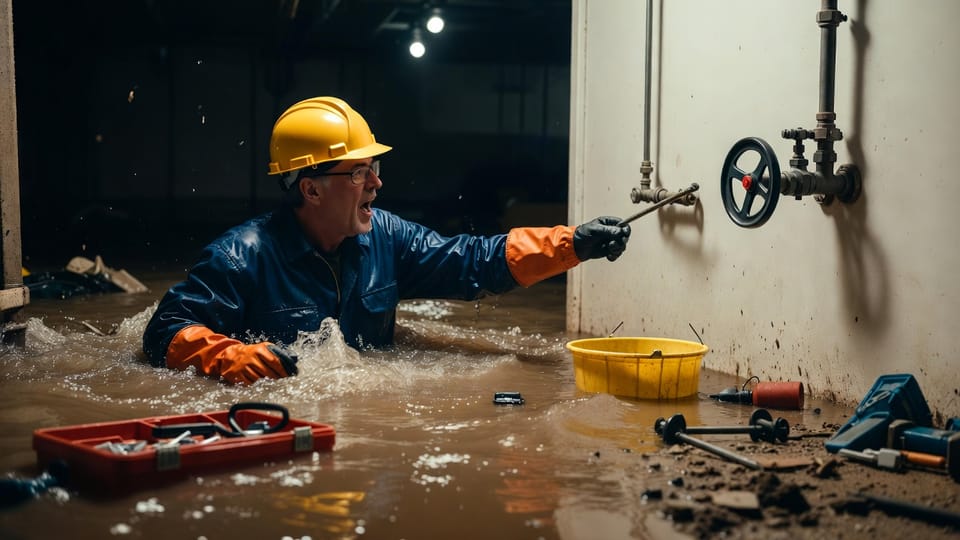
- Locate the Shut-Off Valve: For most leaks, find the main water valve—typically in the basement, garage, or near the water meter. Turn it clockwise to shut off supply.
- Appliance-Specific Shut-Offs: If the leak stems from a dishwasher or washing machine, use the appliance's dedicated valve behind or under it.
- Burst Pipe Protocol: If a pipe has burst, wrap it temporarily with duct tape or a towel while shutting off the main line.
Pro Tip: Familiarize yourself with your home's plumbing layout in advance. This knowledge can shave precious minutes off your response time during a real emergency.
What not to do: Never ignore a small leak thinking it'll resolve itself—it won't. Delaying this step can turn a minor repair into extensive water restoration needs.
Step 3: Call for Professional Help Immediately
While you're handling initial containment, loop in the experts. Professional water mitigation services like ours are trained to extract water, dry structures, and prevent secondary issues like mold.
- Dial Our Hotline: Contact us at (855) 321-3350 for 24/7 support. Provide details like the flood's source, extent, and your location for faster dispatch.
- Notify Your Insurance Provider: Report the incident early to start the claims process. Have your policy number ready.
- Alert Neighbors if Shared Walls: In apartments or townhomes, inform adjacent units to check for spread.
Delaying this call amplifies risks—professionals arrive with pumps and dehumidifiers that household methods can't match.
Step 4: Protect Your Belongings and Minimize Spread
With the source stopped and help en route, focus on safeguarding valuables. Water wicks quickly into porous materials, so elevation and removal are key.
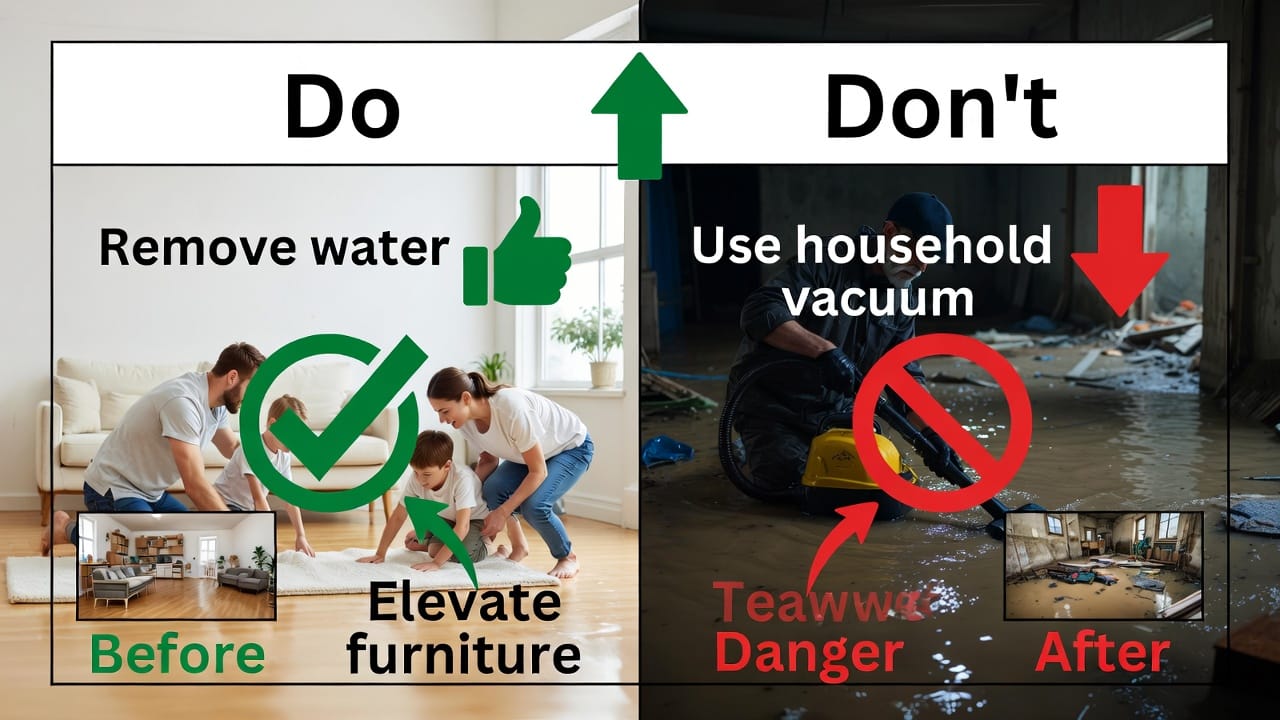
- Elevate Furniture and Items: Prop up sofas, chairs, and electronics on blocks or move them to higher ground. Use plastic sheets or tarps underneath.
- Remove Absorbent Materials: Roll up rugs, carpets, and curtains; take them outside if possible to air out.
- Salvage Important Documents: Place wet papers in plastic bags and freeze them temporarily—this halts ink bleeding until pros can dry them properly.
- Block Doorways: Use towels or sandbags to contain water in one area, preventing migration to unaffected rooms.
These actions, done in 15-20 minutes, preserve irreplaceable items and reduce overall cleanup efforts.
What not to do: Avoid using fans or heaters prematurely, as they can spread contaminants. Don't attempt to dry walls yourself with household tools—improper drying leads to hidden moisture pockets and mold.
Step 5: Document Everything for Insurance
Thorough documentation strengthens your insurance claim, ensuring you get fair coverage for water damage restoration.
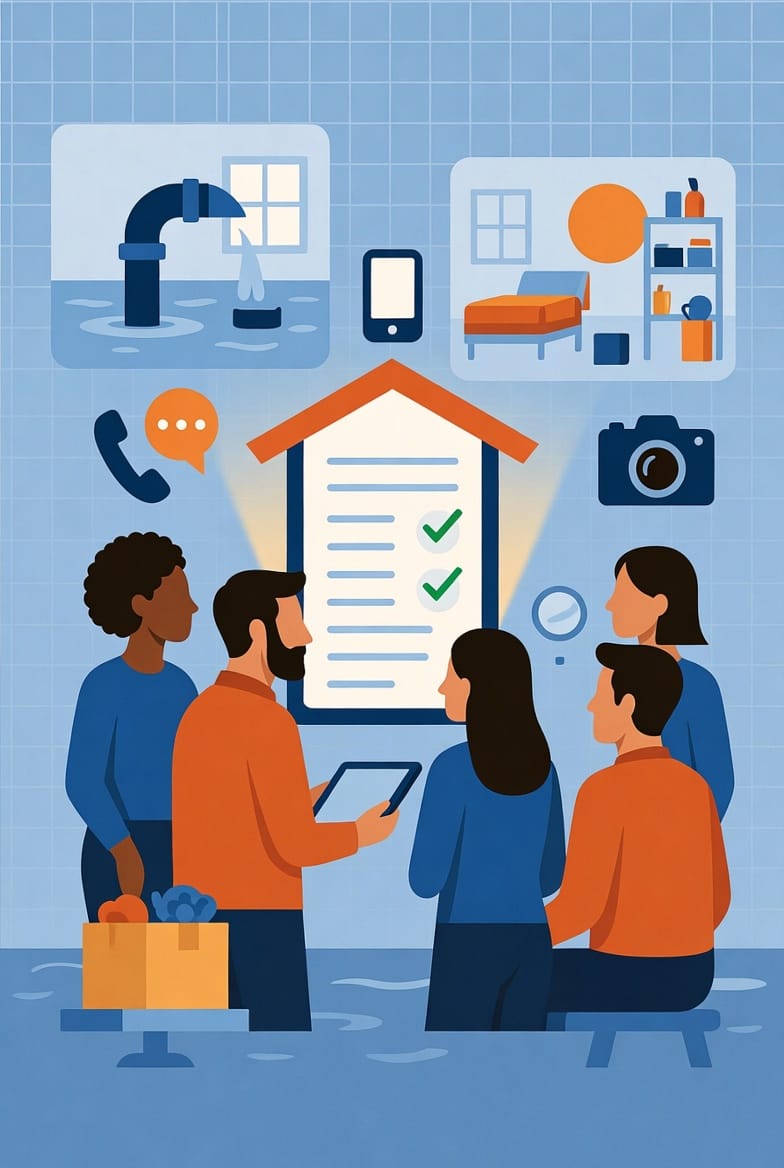
- Take Photos and Videos: Capture the damage from multiple angles, including the source, affected areas, and any pre-existing conditions. Timestamp them if possible.
- Inventory Affected Items: List damaged belongings with estimated values—apps like your phone's notes work well for this.
- Note Timelines: Record when the leak started, actions taken, and when you called professionals. This timeline supports claims for prompt response discounts.
- Keep Receipts: Save any emergency purchases, like tarps or gloves, for reimbursement.
Insurers appreciate detailed records, which can expedite payouts and cover mitigation costs.
Common Mistakes to Avoid in the First Hour
Even well-intentioned actions can backfire. Here's what not to do, based on years of field experience:
- Don't Use Electrical Appliances: Plugging in a vacuum or fan in wet areas risks electrocution—leave extraction to pros with safe equipment.
- Don't Ignore Hidden Areas: Water hides in subfloors and behind walls; don't assume surface drying suffices.
- Don't Delay Ventilation: Once safe, open windows for airflow, but avoid if outdoor humidity is high.
- Don't Handle Contaminated Water Without Protection: Sewage backups require hazmat-level care—call us immediately.
By steering clear of these pitfalls, you maintain control and facilitate smoother professional intervention.
Preparing for Professional Arrival
As our team approaches, clear pathways for equipment access. Move vehicles from driveways and unlock doors. Share your documentation upon arrival to streamline the assessment.
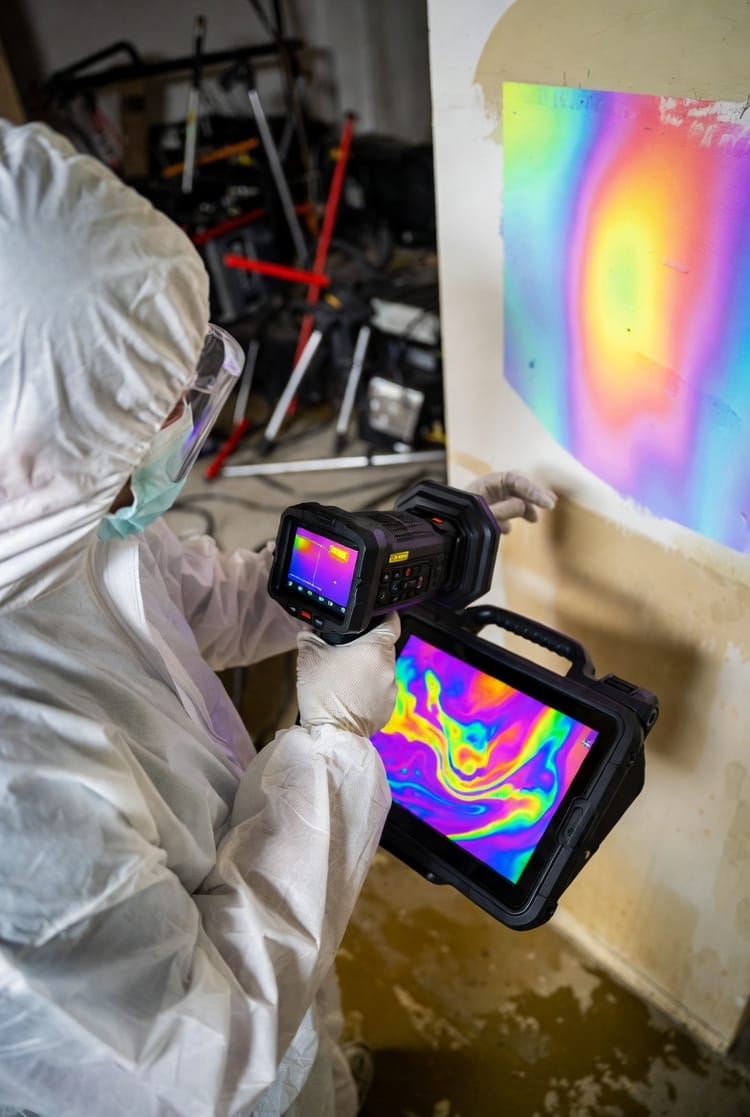
Our water mitigation process typically begins with water extraction using powerful pumps, followed by structural drying with air movers and dehumidifiers. We also conduct moisture mapping to ensure no hidden damage lingers.
Long-Term Prevention Tips
To avoid future incidents, consider these proactive measures:
- Regular Inspections: Check pipes, roofs, and appliances annually for wear.
- Install Alarms: Water leak detectors can alert you early via apps.
- Upgrade Infrastructure: Consider sump pumps or backflow valves in flood-prone areas.
Investing in prevention now safeguards your home against costly flood damage.
Why Choose Our Water Mitigation Services
With decades of expertise, we offer rapid response, certified technicians, and insurance-friendly processes. Our goal? Restore your home quickly and completely, minimizing disruption.
In summary, the first 60 minutes after discovering water damage are pivotal. By stopping the source, protecting belongings, documenting thoroughly, and calling professionals like us at (855) 321-3350, you take command of the situation. Stay calm, act decisively, and trust the process—recovery is within reach.
Protect Your Home Today – Call Our 24/7 Team