The Expansion Joint: The Purposeful Crack That Prevents Unwanted Cracking in Concrete Slabs
Concrete slabs form the backbone of countless structures, from driveways and sidewalks to warehouse floors and patios. Yet, beneath their solid appearance lies a vulnerability to the forces of nature, particularly thermal expansion and contraction. This is where the humble yet essential expansion joint comes into play – a purposeful, pre-planned gap designed to safeguard your investment. In this comprehensive guide, we'll explore what expansion joints are, why they're indispensable, and the risks of neglecting them. Whether you're a homeowner planning a new pour or a contractor refining your techniques, understanding this critical design feature can prevent costly repairs and ensure durability.
Control the Crack – Call Now for Expert Joint Installation!
What Are Expansion Joints?
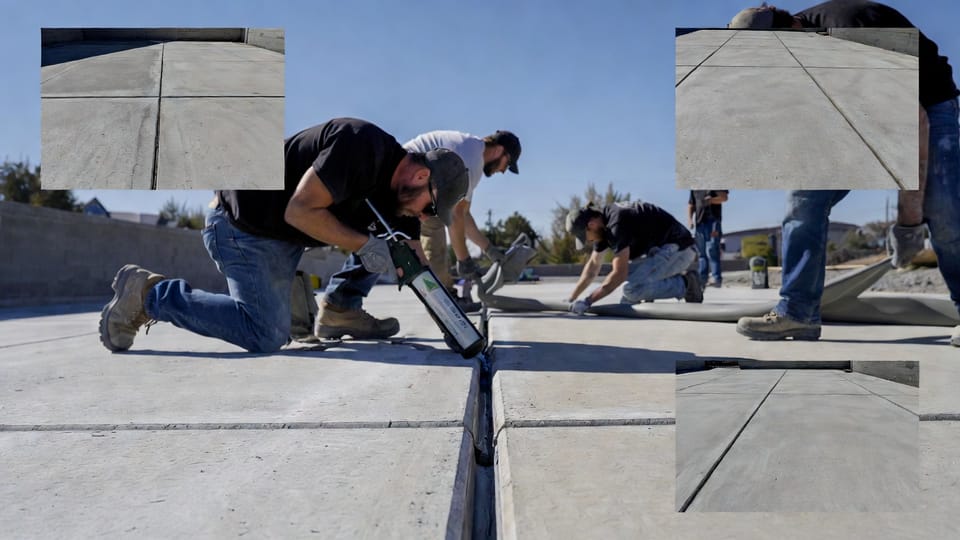
At its core, an expansion joint is a deliberate separation in a concrete slab, typically a narrow gap filled with a flexible, compressible material like foam, rubber, or specialized sealants. These joints aren't random; they're strategically placed during the planning and pouring stages to accommodate the natural movements of concrete.
- Design and Placement: Joints are cut or formed into the slab at regular intervals, often every 10 to 20 feet depending on the slab's size, thickness, and environmental exposure. They run perpendicular to the direction of potential stress, creating controlled breaks.
- Filler Materials: Common fillers include asphalt-impregnated fiberboard, closed-cell polyethylene foam, or silicone sealants in grey or matching colors for aesthetic appeal. These materials compress and expand without compromising the slab's integrity.
- Types of Joints: Beyond expansion joints, related features like control joints (shallow cuts that encourage cracking in predetermined lines) and isolation joints (separating slabs from fixed structures like walls) work in tandem for comprehensive protection.
By incorporating these elements, engineers and builders proactively manage how concrete behaves over time, turning what could be a weakness into a strength.
Why Expansion Joints Are Necessary
Concrete isn't as rigid as it seems. It's a dynamic material influenced by temperature fluctuations, moisture changes, and even soil movement. Without expansion joints, these forces can lead to uncontrolled damage. Here's why they're a must-have:
Accommodating Thermal Expansion and Contraction
Temperature swings cause concrete to expand in heat and contract in cold. On a hot summer day, a slab can grow by up to 1/8 inch per 100 feet – seemingly minor, but enough to build immense pressure.
- Hot Weather Effects: As temperatures rise, molecules in the concrete mix vibrate more, pushing the material outward. Expansion joints absorb this by compressing the filler, preventing the slab from buckling or pushing against adjacent structures.
- Cold Weather Effects: In winter, contraction pulls the slab inward, creating tensile stress. The joint opens slightly, relieving pressure and avoiding random fissures.
- Seasonal Considerations: In regions with extreme climates, like the Midwest or coastal areas, joints are even more critical to handle freeze-thaw cycles, where water infiltration exacerbates cracking.
This adaptability ensures your concrete remains stable year-round, reducing maintenance needs and extending lifespan.
Preventing Structural Stress from Other Sources
Beyond temperature, expansion joints mitigate other stressors:
- Moisture Variations: Concrete absorbs and releases water, leading to swelling and shrinkage. Joints provide breathing room.
- Load Distribution: In high-traffic areas like driveways, joints help distribute weight evenly, minimizing wear.
- Soil Settlement: Uneven ground shifting can crack slabs; joints isolate sections, limiting damage spread.
Incorporating joints isn't just good practice – it's a proactive strategy backed by building codes like those from the American Concrete Institute (ACI), which recommend them for slabs over a certain size.
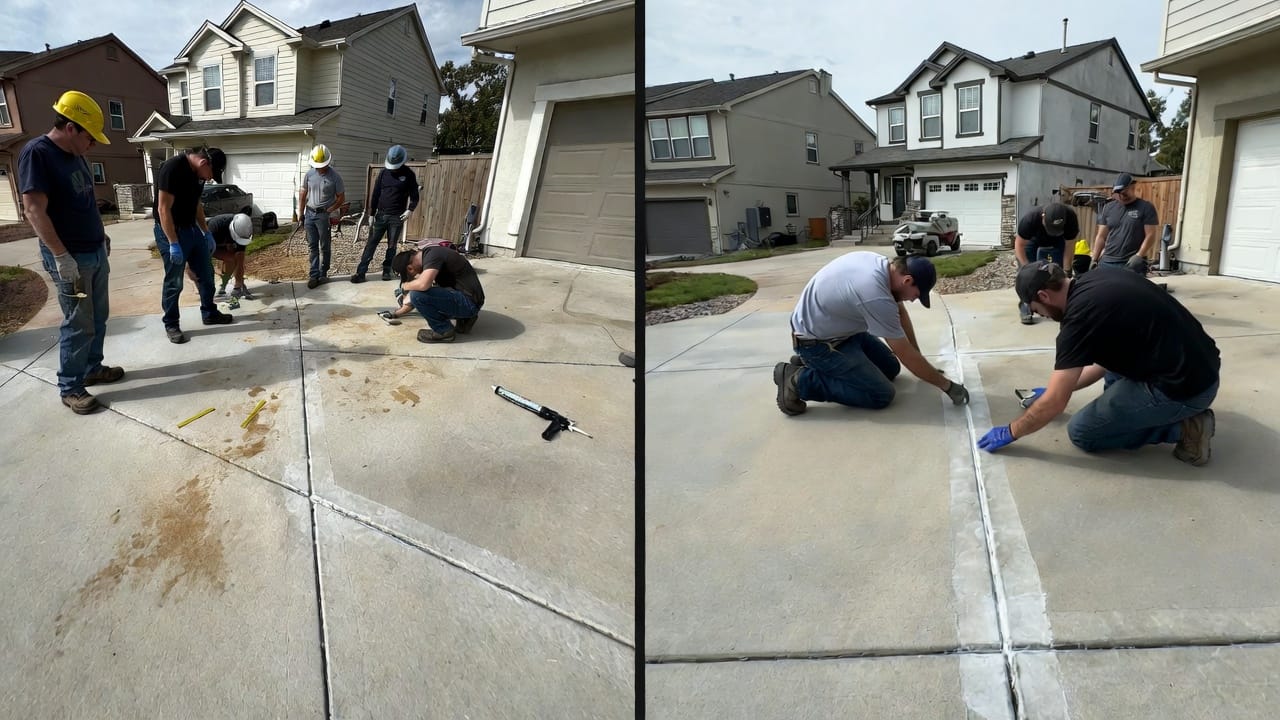
The Consequences of Omitting or Failing Expansion Joints
What happens when expansion joints are skipped, improperly installed, or degrade over time? The results can be visually unappealing and structurally compromising. Let's break down the risks:
Random and Uncontrolled Cracking
Without joints, concrete seeks its own path of least resistance, leading to erratic cracks that zigzag across the surface.
- Aesthetic Damage: These cracks detract from the clean look of your driveway or floor, often requiring unsightly patches.
- Safety Hazards: Jagged edges can create trip risks, especially in public or residential spaces.
- Water Infiltration: Cracks allow moisture to seep in, accelerating deterioration through rusting rebar or further expansion in freezes.
In severe cases, uncontrolled cracking can propagate deep into the slab, necessitating full replacement – a costly endeavor averaging $5,000 to $10,000 for a standard driveway.
Structural Compromise and Long-Term Costs
Failed joints amplify issues:
- Buckling and Heaving: Built-up pressure from expansion can lift sections, creating uneven surfaces.
- Adjacent Damage: Stress transfers to nearby elements like foundations or walls, potentially causing broader structural problems.
- Repair Expenses: Ignoring joints leads to reactive fixes, with sealants and fillers costing far less upfront than crack repairs.
Statistics from the Concrete Network highlight that properly jointed slabs last 20-30% longer, underscoring the financial wisdom of prevention.
Common Failure Modes
Joints can fail due to:
- Poor Installation: Inadequate depth or spacing allows stress to override the joint.
- Material Degradation: Exposure to UV rays, chemicals, or traffic wears down fillers, requiring periodic resealing.
- Environmental Overload: In seismic zones or areas with expansive soils, standard joints may need reinforcement.
Regular inspections by professionals can catch these early, but omission invites inevitable trouble.
Best Practices for Implementing Expansion Joints
To reap the benefits, follow these authoritative guidelines for seamless integration:
Planning and Design
- Assess the Site: Consider climate, soil type, and usage to determine joint spacing – closer in hot climates, wider in stable soils.
- Consult Experts: Work with certified contractors who adhere to ACI 360R standards for slab-on-ground design.
- Material Selection: Choose durable, weather-resistant fillers suited to your environment.
Installation Techniques
- Timing the Cuts: For saw-cut joints, perform within 6-18 hours after pouring to control early shrinkage.
- Filling Properly: Ensure fillers are flush with the surface for a smooth finish, using backer rods for deeper joints.
- Sealing for Longevity: Apply high-quality sealants to protect against debris and water.
Maintenance Tips
- Routine Checks: Inspect joints annually for wear, cleaning out debris and resealing as needed.
- Professional Services: Engage specialists for repairs, ensuring compatibility with original materials.
- Preventive Measures: Use concrete sealers on the entire slab to enhance overall resilience.
By prioritizing these steps, you control the crack, turning potential liabilities into engineered assets.

Real-World Applications and Case Studies
Expansion joints shine in various settings:
- Residential Driveways: Prevent cracking from vehicle weight and weather, maintaining curb appeal.
- Commercial Floors: In warehouses, joints handle heavy machinery without disruption.
- Public Infrastructure: Sidewalks and parking lots rely on them for safety and longevity.
A case in point: A Midwest homeowner faced recurring cracks in their patio due to harsh winters. After consulting professionals, retrofitting expansion joints resolved the issue, with no new damage in five years. Such success stories affirm that proper jointing is a game-changer.
Myths and Misconceptions Debunked
Let's address common fallacies:
- Myth: Joints Weaken the Slab: Actually, they strengthen it by directing stress harmlessly.
- Myth: All Cracks Are Bad: Controlled cracks at joints are intentional and beneficial.
- Myth: DIY is Sufficient: Professional expertise ensures compliance and effectiveness, avoiding amateur pitfalls.
Armed with facts, you can make informed decisions.
Conclusion: Control the Crack
In the world of concrete, the expansion joint is your ally against unwanted cracking. By allowing for natural thermal expansion and contraction, these purposeful gaps preserve the integrity and appearance of your slabs. Omitting them invites random damage, but with proper planning, installation, and maintenance, you ensure a resilient foundation.
Don't leave your next concrete project to chance. Ensure proper jointing and partner with trusted experts for flawless results. Ready to safeguard your surfaces?
Stop Random Cracking Before It Starts – Call for Professional Help!