The Evolution of the Window Pane: From Single Glazing to Triple and Gas-Filled Insulated Units
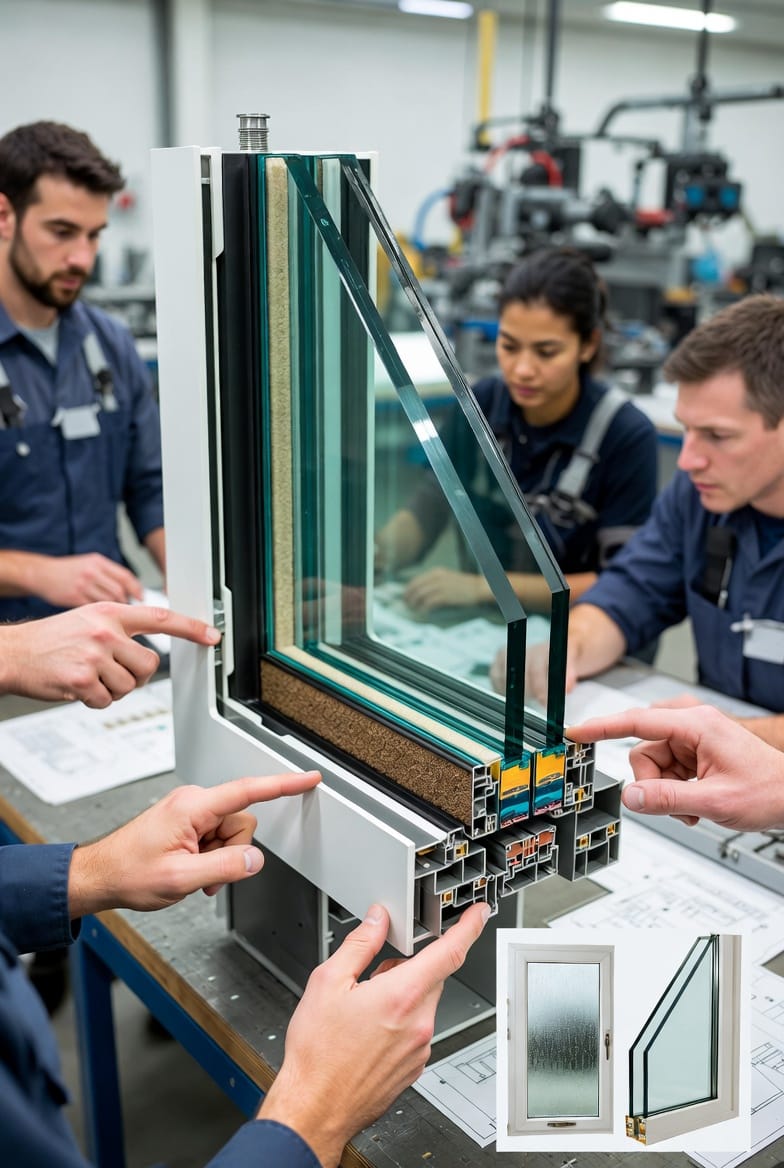
Windows have long been more than mere openings in our walls—they are the eyes of our homes, connecting us to the world while shielding us from the elements. In this comprehensive exploration, we trace the technological advancement of the window pane itself, from humble beginnings to cutting-edge innovations. As energy efficiency becomes paramount in modern building design, understanding the evolution of glazing technologies empowers homeowners and builders alike. Rest assured, these advancements not only enhance comfort but also deliver long-term savings and environmental benefits. We'll delve into the development of double-pane insulated glass units (IGUs), low-E coatings, argon/krypton gas fills, and warm-edge spacers, culminating in their profound impact on U-factor and condensation resistance.
Transform Your Windows with Warm-Edge Technology – Call Now
The Humble Origins: Single Glazing in History
The story of the window pane begins in ancient times, where functionality trumped efficiency. Archaeological evidence from Roman villas around 100 AD reveals the earliest use of glass panes, crafted from blown glass sheets flattened into translucent discs. These single-glazed windows were revolutionary, allowing light to filter indoors while blocking wind and rain. However, they offered minimal thermal insulation, with heat escaping rapidly through the thin glass.
By the Middle Ages, single glazing evolved in Europe, with lead-framed panes becoming common in cathedrals and castles. The Renaissance saw larger sheets produced via the crown glass method, where molten glass was spun into flat circles and cut into panes. Yet, these remained single-layered, prone to condensation and high heat loss. In the 19th century, the industrial revolution introduced float glass—a process pioneered by Sir Alastair Pilkington in 1959—creating uniform, affordable single panes. This marked a leap in clarity and durability, but energy concerns were secondary until the oil crises of the 1970s highlighted the need for better insulation.
Single glazing's limitations are stark: a typical single-pane window has a U-factor (a measure of heat transfer rate) around 1.0 to 1.2, meaning significant energy waste. Condensation resistance was equally poor, leading to moisture buildup, mold risks, and discomfort. Despite these drawbacks, single glazing laid the foundation for future innovations, proving that even basic glass could transform living spaces.
The Breakthrough: Introduction of Double-Pane Insulated Glass Units (IGUs)
The mid-20th century ushered in a pivotal shift with the advent of double-pane insulated glass units (IGUs). Patented in the 1930s but popularized post-World War II, IGUs consist of two glass panes separated by a sealed air space, creating a thermal barrier. This design, refined by companies like Thermopane in the 1950s, addressed the inefficiencies of single glazing by trapping air—a poor conductor of heat—between the layers.
The development of IGUs was driven by post-war building booms and rising energy costs. Early models used aluminum spacers to maintain the gap, typically 1/4 to 1/2 inch wide, and were hermetically sealed to prevent air leakage. Benefits were immediate:
- Improved Thermal Insulation: By reducing conductive heat transfer, IGUs lowered U-factors to about 0.5, halving energy loss compared to single panes.
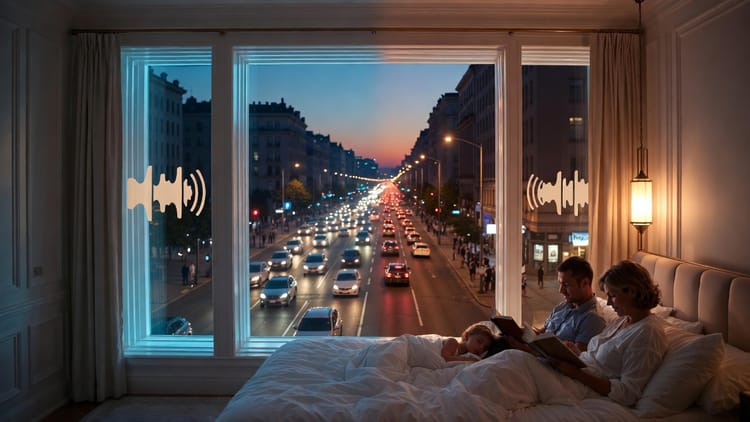
- Noise Reduction: The air gap dampens sound waves, enhancing acoustic comfort.
- Enhanced Durability: Sealed units resist fogging between panes, unlike makeshift storm windows.
As adoption grew in the 1970s, IGUs became standard in new constructions, supported by building codes emphasizing energy conservation. Today, they form the backbone of modern windows, reassuring homeowners that a simple upgrade can yield substantial ROI through lower utility bills.
Enhancing Efficiency: The Rise of Low-E Coatings
Building on IGUs, the 1980s introduced low-emissivity (low-E) coatings—thin, metallic layers applied to glass surfaces to reflect heat while allowing light to pass. Developed by researchers at Lawrence Berkeley National Laboratory, low-E technology uses materials like silver or tin oxide, sputtered onto glass in a vacuum process.
Low-E coatings come in two types: hard-coat (pyrolytic, baked on during manufacturing) and soft-coat (sputtered, more delicate but effective). Their primary benefit is selective emissivity—reflecting infrared radiation (heat) back into the room during winter and blocking solar heat in summer.
Key advantages include:
- Solar Control: Reduces solar heat gain coefficient (SHGC), keeping interiors cooler without heavy tinting.
- UV Protection: Blocks up to 99% of harmful rays, preserving furnishings.
- Versatility: Applicable to various climates, with passive low-E for cold regions and solar-control for warmer ones.
In terms of metrics, adding low-E to a double-pane IGU can drop the U-factor to 0.3 or lower, significantly boosting condensation resistance by maintaining warmer inner glass surfaces. This innovation reassures users that their windows actively contribute to a stable, healthy indoor environment.
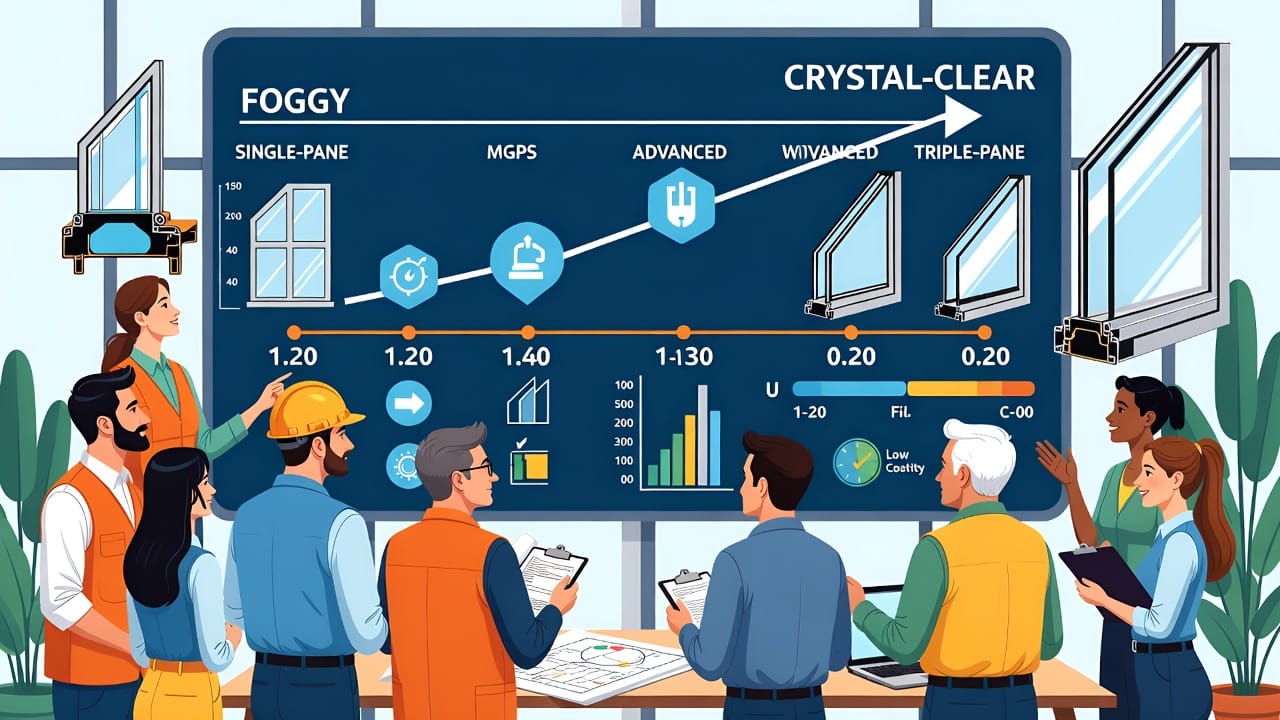
Sealing in Savings: Argon and Krypton Gas Fills
To further optimize IGUs, inert gases like argon and krypton replaced air in the 1990s. Argon, abundant and cost-effective, is denser than air, slowing convective heat transfer within the space. Krypton, rarer and pricier, offers even better insulation due to its lower thermal conductivity.
The filling process involves injecting gas during sealing, achieving 90-95% concentration. Benefits are cumulative:
- Boosted Insulation: Argon reduces U-factor by 10-20% in double-pane units; krypton excels in narrower spaces for triple glazing.
- Invisible Enhancement: Gases are colorless and odorless, maintaining optical clarity.
- Longevity: Modern seals minimize diffusion, ensuring performance for 20+ years.
These fills address condensation by keeping pane temperatures above dew point, preventing moisture issues. For energy-conscious consumers, gas-filled units provide authoritative proof that small molecular changes yield big efficiency gains.
The Critical Link: Warm-Edge Spacers
Often overlooked, warm-edge spacers evolved in the late 1990s to combat thermal bridging—the heat conduction through traditional aluminum spacers. Made from materials like stainless steel, foam, or thermoplastic with desiccants, warm-edge designs minimize edge-of-glass heat loss.
Development focused on hybrid constructions, such as butyl-sealed foam spacers, which offer flexibility and low conductivity. Advantages include:
- Edge Performance: Reduces U-factor at window perimeters, improving overall ratings.
- Condensation Mitigation: Warmer edges prevent cold spots, enhancing resistance.
- Structural Integrity: Better thermal expansion matching reduces seal failures.
By integrating warm-edge technology, IGUs achieve holistic efficiency, reassuring builders that every component counts toward superior performance.
Triple Glazing: The Pinnacle of Insulation
Entering the 21st century, triple-pane units added a third glass layer, creating two insulating spaces. Popular in cold climates like Scandinavia since the 1970s, triple glazing gained global traction with sustainability pushes.
These units combine all prior advancements—low-E on multiple surfaces, gas fills, and warm-edge spacers—for U-factors as low as 0.15. Benefits encompass:
- Ultimate Thermal Barrier: Ideal for passive houses, slashing heating needs.
- Condensation Mastery: Multiple layers ensure inner panes stay warm.
- Acoustic Excellence: Superior soundproofing for urban settings.
While heavier and costlier, triple glazing's payback through energy savings is compelling, especially with incentives.
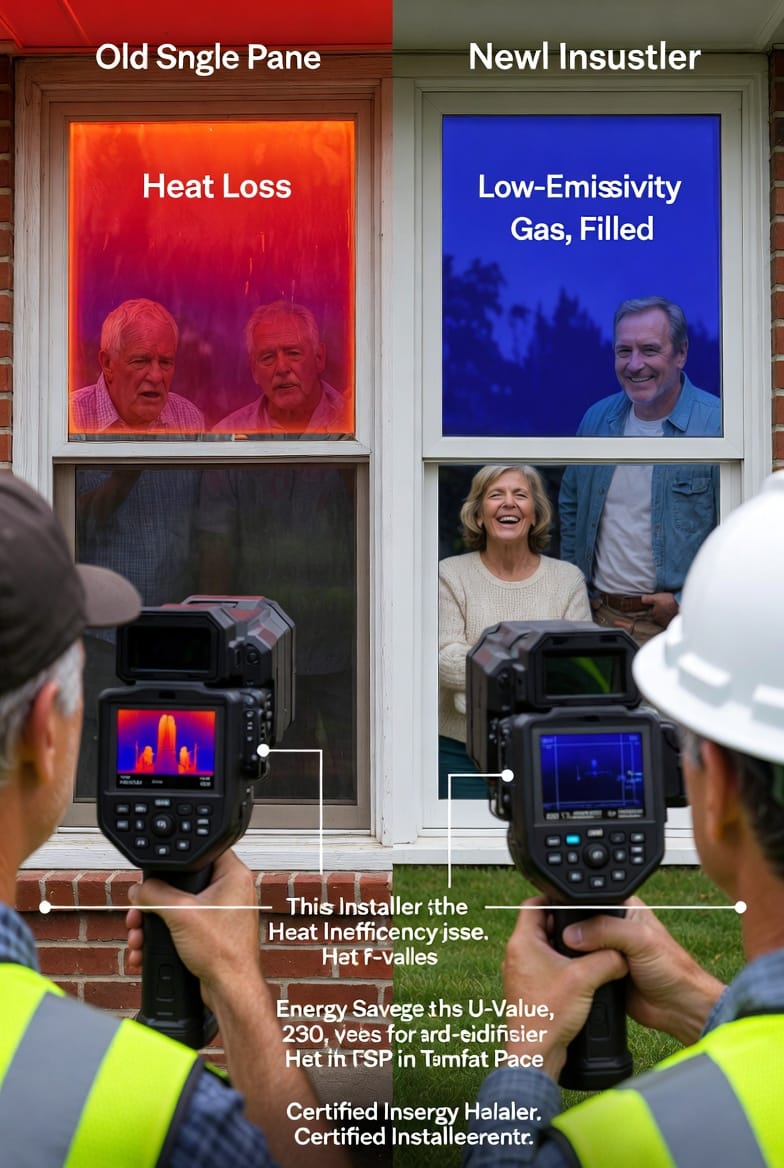
Cumulative Impact: Revolutionizing U-Factor and Condensation Resistance
The synergy of these technologies transforms window performance. Starting with single glazing's U-factor of 1.0+, double-pane IGUs halve it to 0.5. Add low-E for 0.3, gas fills for 0.25, warm-edge for 0.22, and triple glazing for 0.15—cumulative improvements exceed 85% in efficiency.
On condensation resistance, rated 1-100 (higher better), single panes score ~30, while advanced units reach 70+. Warmer glass prevents dew, reducing mold and maintenance. Authoritatively, these metrics translate to real-world comfort: stable temperatures, lower bills (up to 30% savings), and eco-friendly homes.
Future Horizons: Sustainable Glazing Innovations
Looking ahead, smart glass with electrochromic tints and vacuum-insulated units promise even lower U-factors. Recycling advancements ensure sustainability, reassuring us that window evolution continues to adapt to climate challenges.
In conclusion, from single glazing's simplicity to triple, gas-filled marvels, the window pane's journey reflects human ingenuity. These advancements not only insulate but inspire confidence in your home's future.
Achieve the Lowest U-Factor Windows – Free Consultation – Call