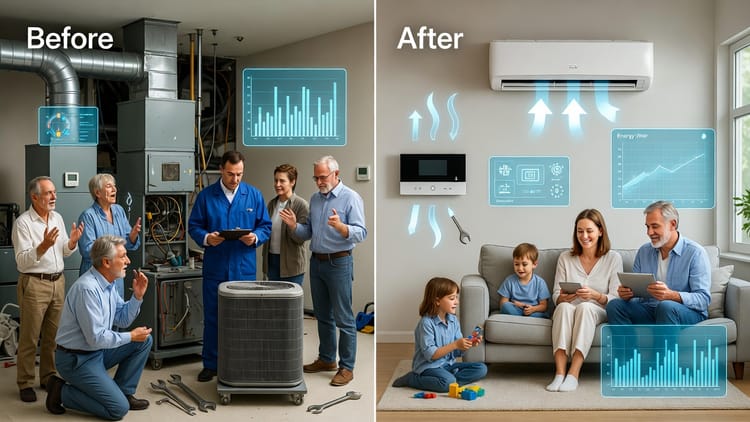
The Evaporative Coil Cleaning: Why Annual Maintenance Includes This Critical Step for Efficiency and Air Quality
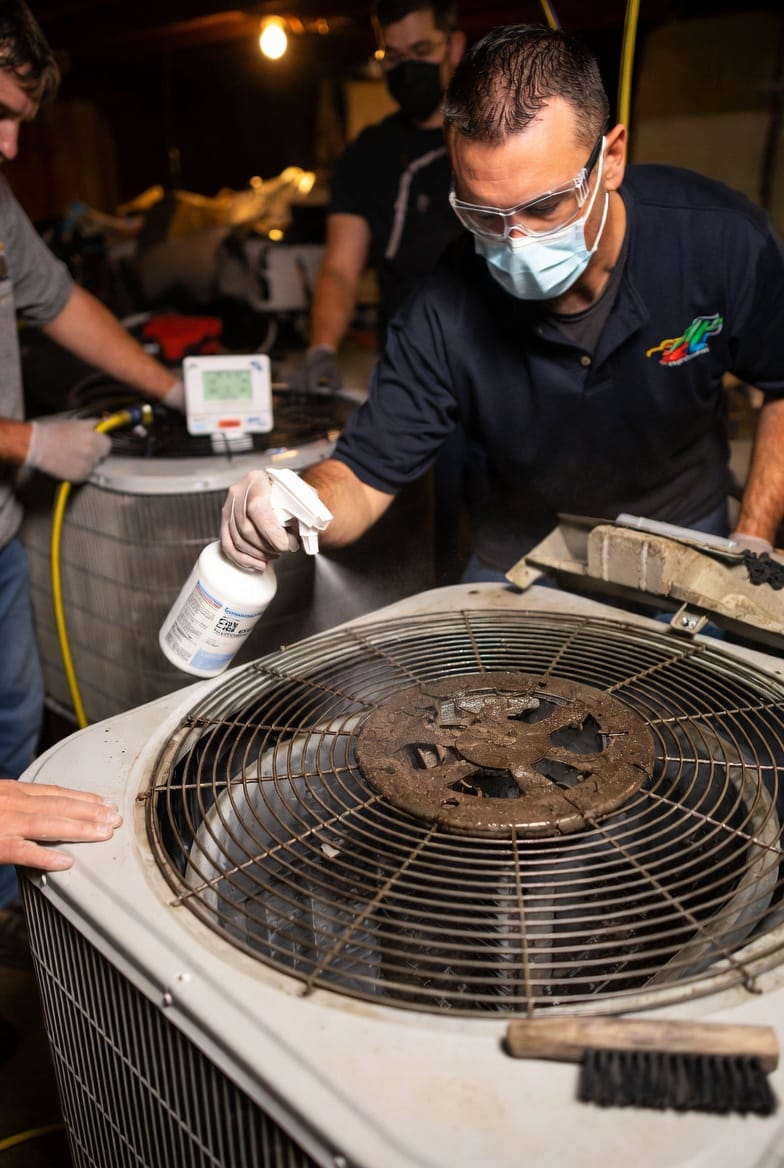
In the world of home comfort, your HVAC system works tirelessly behind the scenes to keep your indoor environment cool, comfortable, and healthy. Yet, one component often flies under the radar until problems arise: the evaporator coil. This essential part of your air conditioning unit plays a pivotal role in heat exchange, but without regular attention, it can become a silent saboteur of both energy efficiency and indoor air quality. Annual maintenance isn't just a recommendation—it's a necessity that includes thorough evaporative coil cleaning to ensure optimal performance. In this comprehensive guide, we'll explore why this step is critical, how neglect impacts your system, and the reassuring benefits of staying on top of it. Whether you're a homeowner in a bustling city or a quiet suburb, understanding this process can help you save on energy bills and breathe easier.
Restore HVAC Efficiency – Call for Coil Cleaning Now!
Understanding the Evaporator Coil: The Heart of Your Cooling System
To appreciate the importance of evaporative coil cleaning, let's start with the basics. The evaporator coil is located inside your home's air handler or furnace, where it absorbs heat from the indoor air. As warm air passes over the cold coil (chilled by refrigerant), moisture condenses, and the air is cooled before being circulated back into your living spaces. This process is fundamental to air conditioning, but it's also what makes the coil prone to accumulation of dirt, dust, and debris.
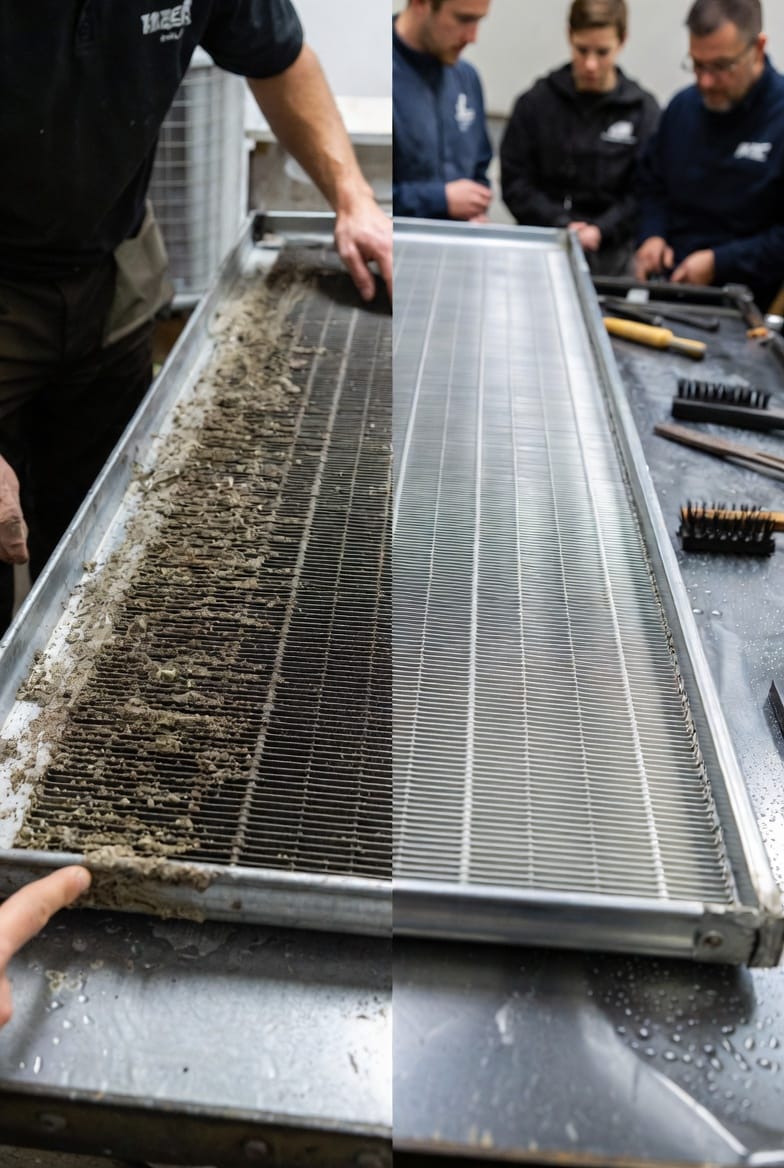
Over time, everyday household particles—like pet dander, pollen, and even cooking residues—settle on the coil's fins. This buildup acts as an insulator, much like a blanket over a radiator, hindering the coil's ability to transfer heat effectively. Without intervention, this leads to a cascade of issues that affect not only your system's efficiency but also the air you and your family inhale daily.
Why does this matter? In an era where energy costs are rising and health concerns like allergies and respiratory issues are prevalent, maintaining your evaporator coil isn't optional—it's a smart, proactive choice. Regular cleaning as part of annual HVAC maintenance restores the coil's functionality, ensuring your system runs as intended.
The Hidden Dangers of Dirt Buildup on Evaporator Coils
One of the most overlooked aspects of HVAC care is how quickly dirt buildup can compromise your system. Imagine your evaporator coil as a sponge soaking up airborne contaminants. Initially, a thin layer might seem harmless, but as it thickens, it creates significant barriers.
Reduced Heat Transfer and Increased Energy Consumption
The primary function of the evaporator coil is heat absorption. When dirt insulates the coil, it forces your AC unit to work harder to achieve the same cooling effect. This inefficiency manifests in several ways:
- Higher Energy Bills: Studies from energy experts indicate that a dirty coil can increase energy usage by up to 30%. Your system runs longer cycles, consuming more electricity without delivering proportional cooling.
- System Strain: Overworked components, like the compressor, face premature wear, potentially leading to costly repairs or even full system replacement.
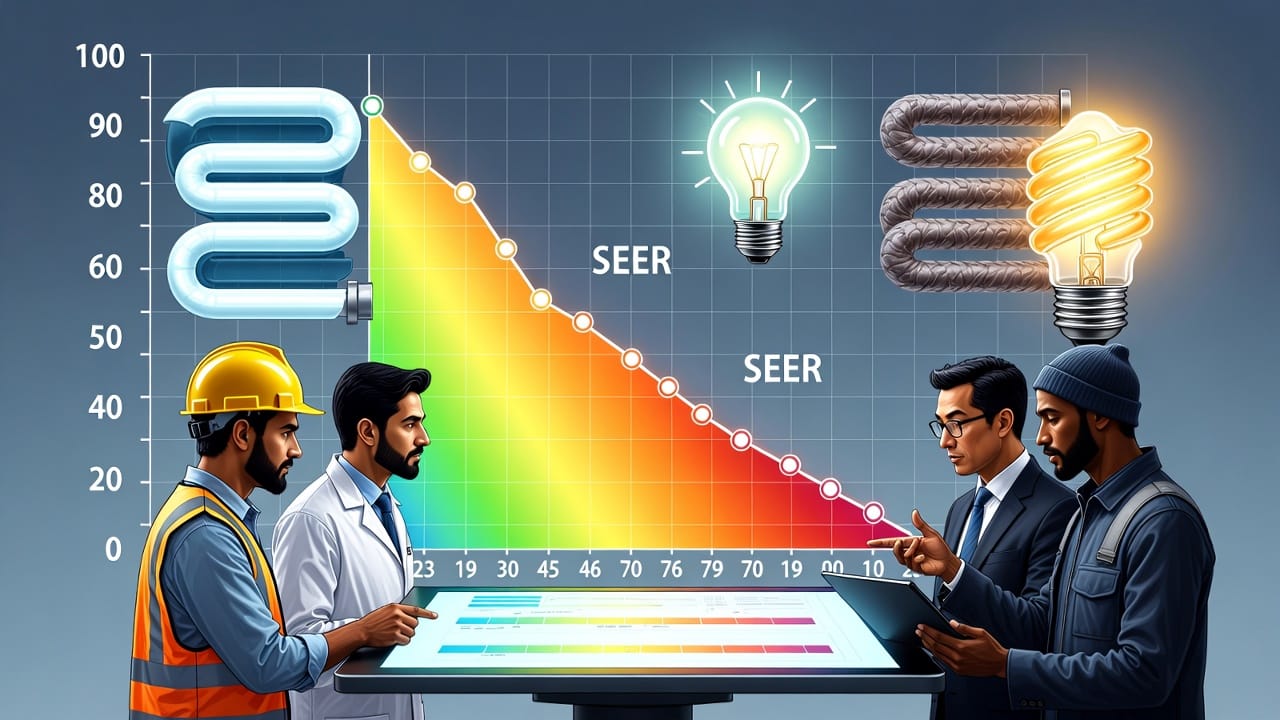
- Efficiency Loss Over Time: Without cleaning, the coil's performance degrades progressively. For instance, a coil with moderate fouling might drop your system's SEER (Seasonal Energy Efficiency Ratio) by 5-10 points within a year, turning an efficient unit into an energy guzzler.
This isn't just theoretical—real-world data from HVAC professionals shows that homes with neglected coils often see a 15-20% spike in summer utility costs. The good news? Annual maintenance including coil cleaning reverses this trend, restoring efficiency and keeping your bills in check.
Harboring Mold and Bacteria: A Threat to Indoor Air Quality
Beyond efficiency, a dirty evaporator coil poses serious risks to indoor air quality (IAQ). The coil's moist environment is ideal for mold growth and bacterial proliferation. As air flows over the contaminated surface, these microorganisms can be dispersed throughout your home.
Key concerns include:
- Health Implications: Mold spores and bacteria can exacerbate allergies, asthma, and other respiratory conditions. Vulnerable groups, such as children and the elderly, are particularly at risk.
- Odor Issues: A musty smell emanating from vents often signals mold on the coil, degrading your home's overall comfort.
- System Contamination: Untreated buildup can spread to ducts and filters, creating a cycle of poor air quality that's hard to break without professional intervention.
Authoritative sources, including guidelines from the EPA, emphasize that regular coil cleaning is essential for maintaining healthy IAQ. By addressing this during annual maintenance, you not only eliminate these hazards but also promote a fresher, safer living space.
Why Annual Maintenance Must Include Evaporative Coil Cleaning
Many homeowners wonder: "Can't I just change my air filter and call it good?" While filters help, they don't prevent all contaminants from reaching the coil. Annual HVAC maintenance is designed to tackle these deeper issues, and evaporative coil cleaning is a cornerstone of that service.
The Professional Cleaning Process
Trained technicians follow a systematic approach to ensure thorough results:
- Inspection: First, they assess the coil's condition, identifying buildup levels and any damage.
- Access and Preparation: The unit is powered down, and access panels are removed safely.
- Application of Cleaner: A specialized, non-corrosive coil cleaner is applied to break down dirt, grease, and biological growth.
- Rinsing and Drying: The coil is gently rinsed with water or a low-pressure spray, followed by drying to prevent immediate re-contamination.
- Reassembly and Testing: Everything is put back together, and the system is tested for optimal operation.
This process, typically taking 30-60 minutes, is far more effective than DIY attempts, which can damage fins or leave residues.
Benefits of Routine Coil Care
Incorporating evaporative coil cleaning into your yearly routine yields tangible rewards:
- Energy Savings: Clean coils can reduce energy consumption by 10-15%, translating to hundreds of dollars saved annually.
- Extended System Lifespan: Less strain means fewer breakdowns and a longer operational life for your HVAC unit.
- Improved Comfort: Consistent cooling without hot spots or uneven temperatures.
- Healthier Home: Reduced allergens and pathogens for better respiratory health.
Reassuringly, most maintenance plans are affordable and can be scheduled at your convenience, preventing emergencies during peak seasons.
Signs Your Evaporator Coil Needs Attention
How do you know if your coil is due for cleaning? Watch for these red flags:
- Weak Airflow: If vents feel less forceful, buildup could be restricting air passage.
- Higher Than Usual Bills: Unexplained increases in energy costs often point to inefficiency.
- Ice Formation: Frost on the coil indicates poor heat transfer, a common dirt-related issue.
- Unpleasant Odors: Musty smells suggest mold presence.
- Frequent Cycling: Short, frequent on-off cycles signal the system is struggling.
If you notice any of these, don't wait—prompt action during annual maintenance can resolve them efficiently.
Debunking Myths About Evaporator Coil Maintenance
Several misconceptions can deter homeowners from prioritizing coil cleaning:
- Myth: New Systems Don't Need It: Even modern units accumulate dirt; prevention starts early.
- Myth: DIY Cleaners Suffice: Household products can corrode coils; professionals use safe, effective solutions.
- Myth: It's Too Expensive: Compared to repair costs from neglect, annual maintenance is a bargain.
In truth, investing in professional HVAC services pays off in reliability and peace of mind.
Best Practices for Preventing Coil Fouling Between Maintenance Visits
While annual cleaning is key, you can support your system with these habits:
- Regular Filter Changes: Swap filters every 1-3 months to catch more debris upstream.
- Keep Vents Clear: Avoid blocking returns with furniture to maintain airflow.
- Humidity Control: Use dehumidifiers to reduce moisture that fosters mold.
- Professional Inspections: Schedule tune-ups in spring to catch issues before summer heat.
These steps, combined with evaporative coil cleaning, form a robust defense against common HVAC pitfalls.
The Environmental and Economic Impact of Efficient HVAC Systems
On a broader scale, maintaining your evaporator coil contributes to sustainability. Efficient systems reduce carbon footprints by lowering energy demand. Economically, households nationwide save billions through proper HVAC care, as per reports from energy advocacy groups. By choosing annual maintenance, you're not just caring for your home—you're making a responsible choice for the planet and your wallet.
Conclusion: Commit to Coil Care for Lasting Benefits
In summary, the evaporator coil is a vital yet vulnerable component that demands attention. Neglecting it leads to reduced efficiency, higher costs, and compromised air quality, but with annual maintenance including professional cleaning, these risks are easily mitigated. Embrace this critical step to enjoy a cooler, healthier home year-round.
Restore HVAC Efficiency – Call for Coil Cleaning Now!