The Essential Guide to Safe, Professional Tree Removal
Trees are vital to our landscapes, providing shade, beauty, and environmental benefits. However, when a tree becomes a risk to property or people, professional tree removal is essential. This guide explores the key aspects of safe tree removal, from identifying when it's necessary to understanding the expert process and the benefits of stump grinding. With a focus on safety, we'll empower you to make informed decisions and avoid common pitfalls.
Secure Your Property – Schedule Professional Tree Removal Now
As homeowners or property managers, recognizing the signs that a tree needs removal can prevent accidents and costly damages. Hiring certified professionals ensures the job is done right, protecting your investment and peace of mind.
When Is Tree Removal Necessary?
Not every tree issue requires removal, but certain conditions make it unavoidable. Understanding these scenarios helps you act proactively, safeguarding your home and family.
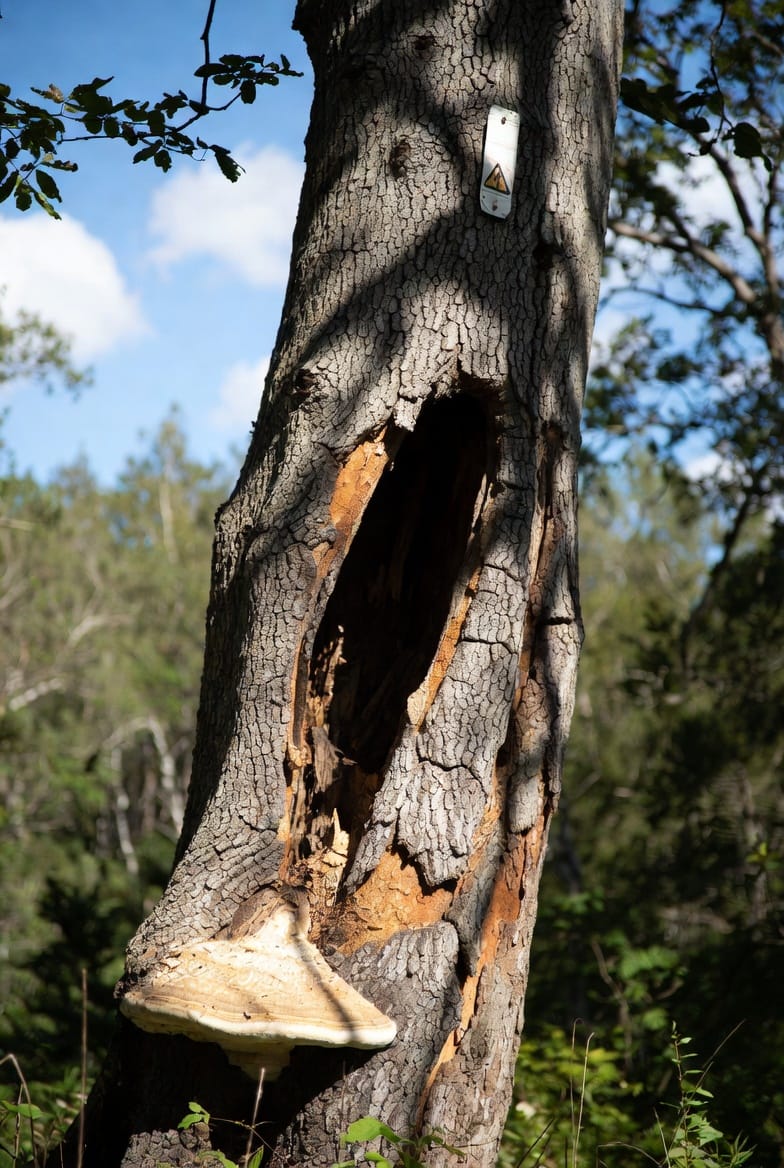
- Disease and Decay: Trees afflicted with diseases like Dutch elm disease or oak wilt can spread to nearby healthy trees. Look for symptoms such as wilting leaves, discolored bark, or oozing sap. If more than 50% of the tree is affected, removal is often the safest option to prevent collapse.
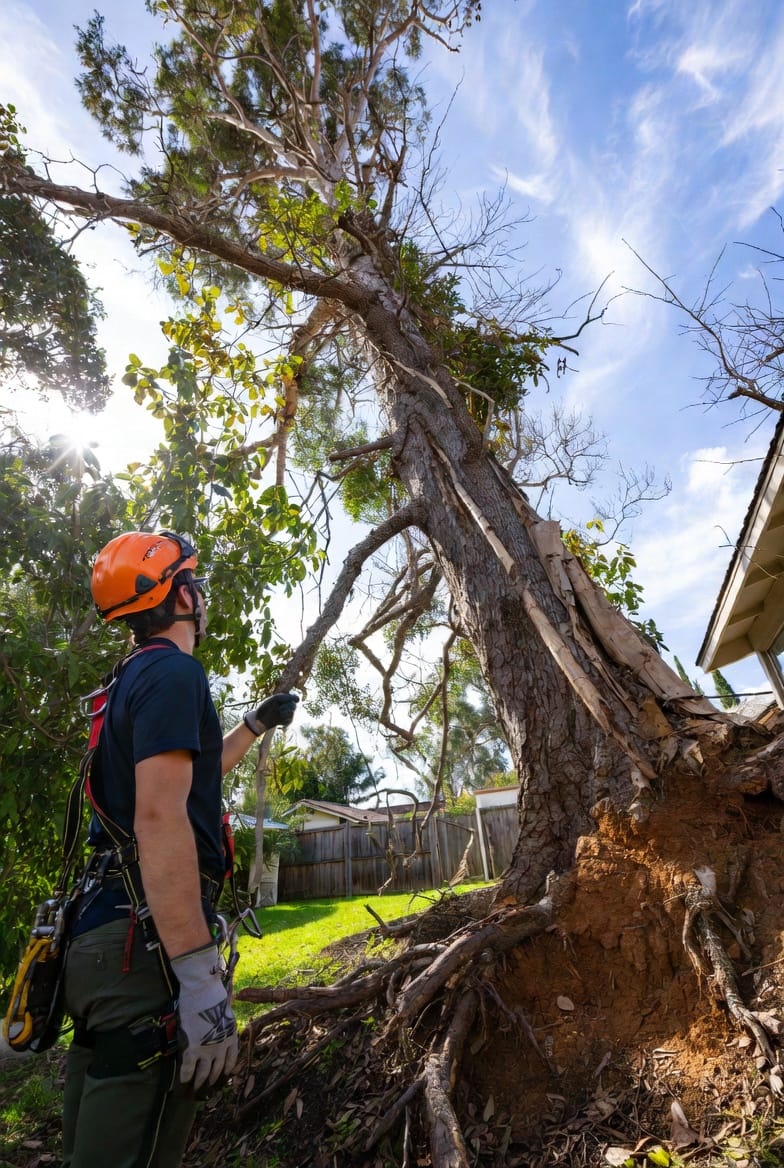
- Storm Damage: High winds, lightning, or heavy snow can cause irreversible harm. Cracked branches, uprooted roots, or split trunks compromise structural integrity. Post-storm assessments are crucial; even if the tree stands, internal damage could lead to sudden failure.
- Hazardous Positioning: Trees leaning towards structures, power lines, or high-traffic areas pose imminent threats. Roots invading foundations or sidewalks also signal potential hazards. In urban settings, where space is limited, these risks amplify.
Other factors include overcrowding, where trees compete for resources, or construction needs that require clearing. Always consult a certified arborist to evaluate—DIY assessments can miss hidden dangers.
The Risks of Ignoring Tree Hazards
Delaying removal isn't just inconvenient; it can be dangerous. Fallen trees account for numerous injuries and property damages annually. For instance, a leaning tree might topple during a mild gust, crushing vehicles or roofs. Electrical hazards arise if branches contact power lines, risking fires or electrocution.
Financially, insurance claims for tree-related incidents can skyrocket if negligence is proven. By addressing issues early, you mitigate these risks and maintain your property's value.
The Professional Tree Removal Process
Safe tree removal is a meticulous operation handled by trained experts. Unlike amateur attempts, professionals follow industry standards to ensure efficiency and minimal disruption.
Initial Assessment
The process begins with a thorough evaluation. A certified arborist inspects the tree's health, structure, and surroundings. They consider factors like soil stability, nearby obstacles, and wildlife habitats. This step includes:
- Measuring the tree's height and diameter.
- Identifying potential drop zones.
- Assessing equipment needs, such as cranes for large specimens.
This assessment forms a customized removal plan, prioritizing safety.
Preparation and Safety Measures
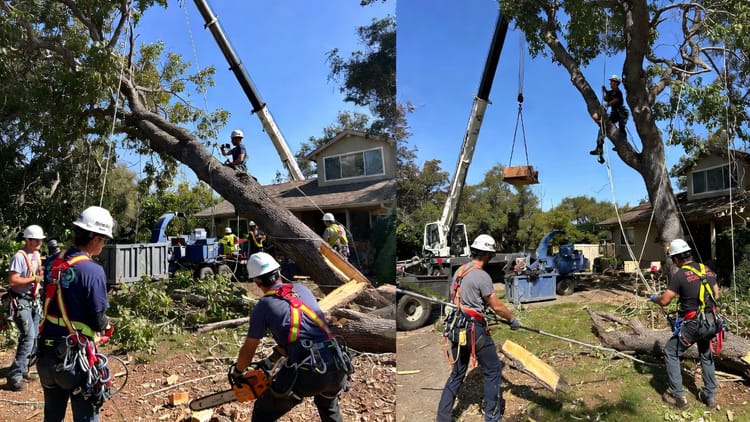
Safety is paramount. Professionals don personal protective equipment (PPE) including helmets, gloves, chainsaw chaps, and eye protection. The site is secured with barriers to keep bystanders away.
Rigging systems are set up to control the tree's fall. Ropes, pulleys, and friction devices guide branches and sections precisely, preventing uncontrolled drops.
Cutting and Rigging Techniques
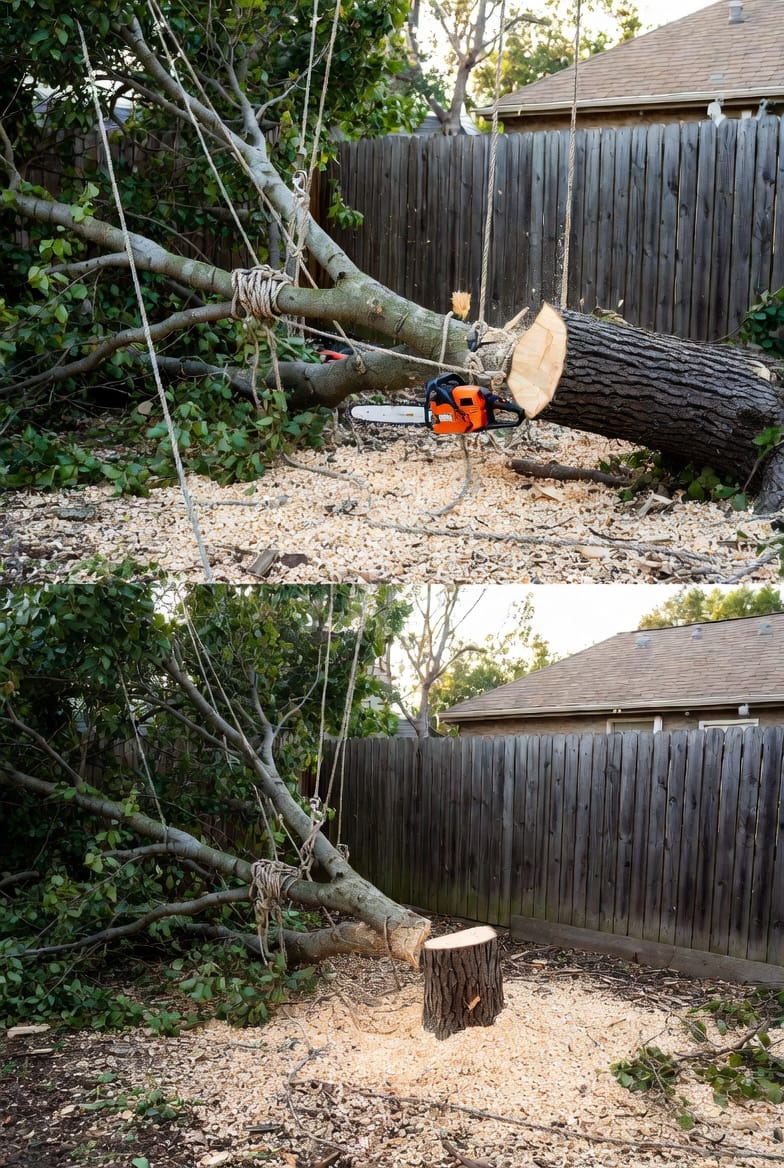
For straightforward removals, the tree is felled in one piece if space allows. In confined areas, sectional dismantling is used:
- Climbers ascend using harnesses and spikes.
- Branches are cut from the top down, lowered via ropes.
- The trunk is segmented and removed piece by piece.
Advanced techniques like speed lines or cranes handle complex scenarios, such as trees over homes.
Cleanup and Site Restoration
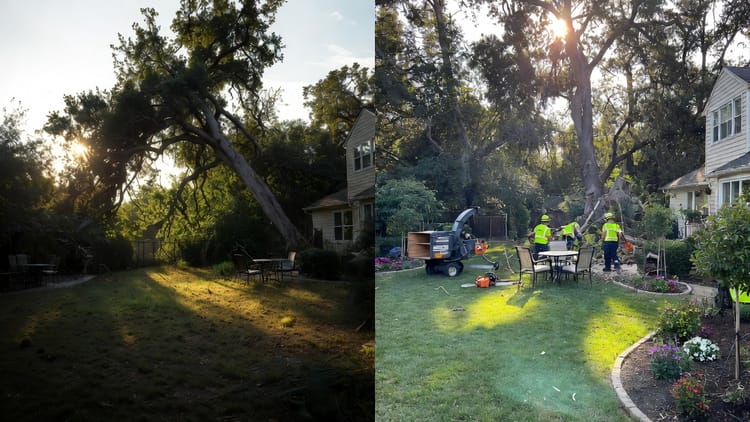
Post-removal, the team handles debris efficiently. Branches are chipped into mulch, logs are hauled away or repurposed, and the site is raked clean. This leaves your yard pristine, ready for replanting if desired.
The Value of Stump Grinding
After removal, the stump remains—a potential eyesore and hazard. Stump grinding eliminates it entirely, offering multiple benefits.
- Safety Enhancement: Stumps can cause trips, especially in lawns or play areas. Grinding reduces them below ground level, preventing accidents.
- Aesthetic Improvement: A ground stump allows for seamless landscaping. You can plant grass, flowers, or even a new tree without obstruction.
- Pest Prevention: Decaying stumps attract termites, ants, and fungi, which can spread to your home. Grinding removes this breeding ground.
- Property Value Boost: A clean, stump-free yard enhances curb appeal, making your property more attractive to buyers.
The process involves a specialized grinder that shreds the stump into mulch. It's quick, typically taking hours, and the resulting material can enrich your soil.
Professionals ensure grinding is done deeply enough to allow regrowth prevention, using barriers if needed.
Choosing the Right Tree Removal Service
Selecting a reputable company is key to a successful outcome. Look for:
- Certifications: Ensure they're ISA-certified arborists with liability insurance.
- Experience: Inquire about their track record with similar jobs.
- Equipment: Modern, well-maintained tools indicate professionalism.
- References: Check reviews and ask for client testimonials.
Avoid low-bid offers; they often cut corners on safety. A trustworthy service provides written estimates and clear timelines.
Environmental Considerations in Tree Removal
Responsible removal includes eco-friendly practices. Professionals often:
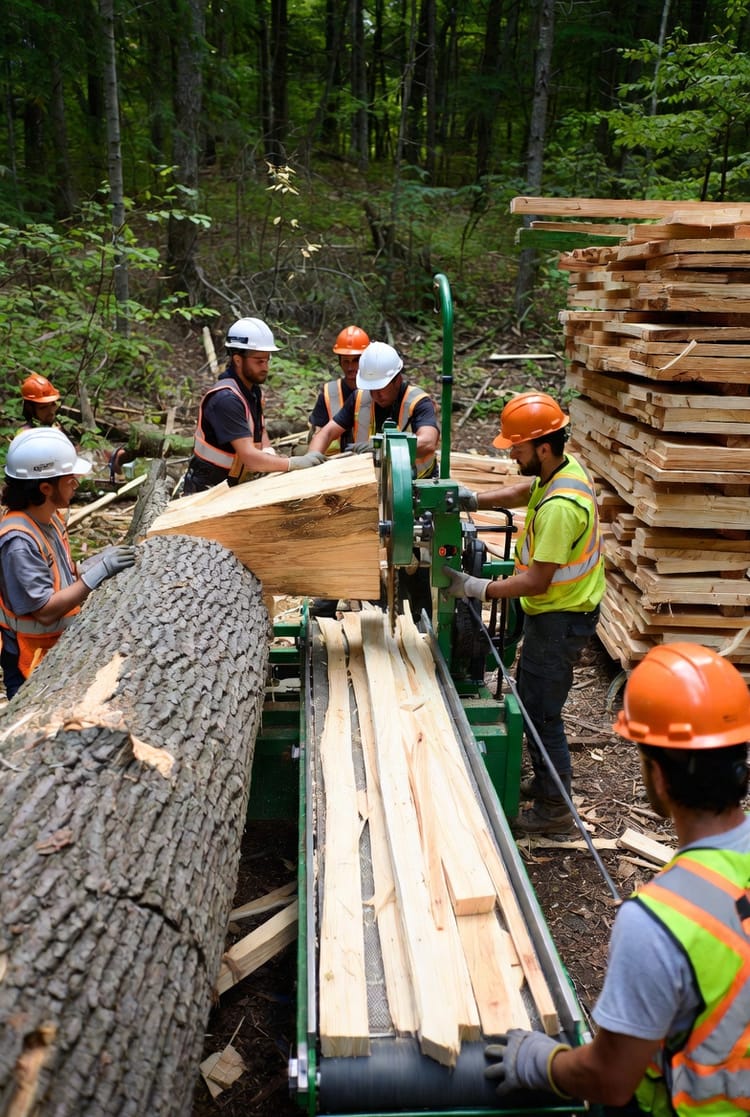
- Recycle wood into lumber or firewood.
- Use low-impact methods to preserve surrounding vegetation.
- Recommend native tree replacements to maintain biodiversity.
This approach balances necessity with sustainability.
Common Myths About Tree Removal
Dispelling misconceptions ensures better decisions:
- Myth: Any Tree Service Can Handle Removal. Reality: Only licensed professionals should tackle complex jobs to avoid risks.
- Myth: Removal Is Always Expensive. Reality: Costs vary by size and location, but prevention saves more in the long run.
- Myth: You Can DIY Safely. Reality: Without training, DIY leads to injuries—leave it to experts.
Legal and Permitting Aspects
Before removal, check local regulations. Some areas require permits for certain trees, especially heritage species. Professionals handle paperwork, ensuring compliance.
In HOAs or historic districts, additional approvals may be needed. Staying informed avoids fines.
Post-Removal Care and Maintenance
After removal, nurture your landscape:
- Soil Testing: Assess nutrients for new plantings.
- Mulching: Use removal byproducts to retain moisture.
- Regular Inspections: Schedule annual arborist visits to catch issues early.
This ongoing care prevents future removals.
Cost Factors in Professional Tree Removal
Understanding pricing helps budget effectively. Factors include:
- Tree Size: Larger trees require more time and equipment.
- Location: Proximity to structures increases complexity.
- Emergency Services: Storm responses cost more due to urgency.
Average costs range from $500 for small trees to $2,000+ for large ones. Quotes should detail all services, including grinding.
The Role of Technology in Modern Tree Removal
Advancements enhance safety:
- Drones for aerial assessments.
- GPS-guided cutting for precision.
- Eco-friendly electric tools reducing emissions.
These innovations make processes faster and safer.
Case Studies: Successful Tree Removals
Real-world examples illustrate best practices. In one suburban case, a 60-foot oak threatening a garage was removed using crane-assisted rigging, completed in a day with no damage.
Another involved a diseased elm in a park; removal and grinding allowed safe replanting, restoring the area.
These stories underscore the expertise required.
Preparing Your Property for Tree Removal
To facilitate the process:
- Clear Access Paths: Move vehicles and furniture.
- Notify Neighbors: If debris might affect them.
- Protect Valuables: Cover pools or gardens.
Cooperation ensures smooth operations.
Insurance and Liability Coverage
Verify your homeowner's policy covers tree-related damages. Professional services carry insurance, protecting you from claims.
In accidents, their coverage handles medical or repair costs.
Alternatives to Full Removal
Sometimes, pruning or cabling suffices:
- Pruning removes dead branches.
- Cabling supports weak structures.
Arborists advise if these are viable.
The Future of Tree Care
With climate change, tree health monitoring will evolve. AI-driven diagnostics may predict failures, reducing removals.
Staying updated ensures proactive management.
Safe & Professional Tree Removal – Call for Your Free Assessment