The ERV/HRV Integration: How Energy Recovery Ventilators Bring Fresh Air In Without Sacrificing Efficiency
In today's construction landscape, modern homes prioritize energy efficiency through superior insulation, airtight sealing, and advanced windows. While these features dramatically reduce heating and cooling costs, they also limit natural air exchange. This creates a buildup of stale air, pollutants, excess moisture, carbon dioxide, volatile organic compounds (VOCs), and allergens—issues that compromise indoor air quality (IAQ) and occupant health.
Get Fresh, Efficient Air in Your Home – Call now
Enter balanced ventilation systems, particularly those incorporating heat recovery ventilators (HRVs) and energy recovery ventilators (ERVs). These technologies provide controlled, continuous fresh air supply while exhausting an equal volume of stale indoor air, maintaining neutral pressure in the home. The real innovation lies in their recovery cores, which transfer energy from outgoing air to precondition incoming fresh air—minimizing energy loss and preserving comfort.
Understanding Balanced Ventilation and the Role of Recovery Systems
Balanced ventilation ensures supply and exhaust airflows match, avoiding pressurization or depressurization that could draw in unfiltered air or cause backdrafting. Unlike exhaust-only systems (which create negative pressure) or supply-only approaches (which risk positive pressure and moisture issues), balanced setups deliver consistent performance.
HRVs focus on sensible heat transfer—the temperature difference between air streams. In winter, warm exhaust air preheats cold incoming air; in summer, cool indoor air precools hot outdoor air. This sensible recovery often achieves 60-80% efficiency, significantly cutting HVAC loads.
ERVs go further by recovering both sensible heat and latent energy (moisture or humidity). Using specialized enthalpy cores—typically made of permeable materials like engineered resin or membranes—ERVs allow water vapor to transfer between streams without mixing air. In humid conditions, they reduce incoming moisture; in dry scenarios, they retain indoor humidity for better comfort.
Both systems integrate seamlessly into ductwork, often connecting to central HVAC or using dedicated ducts. Fresh air enters through filtered intakes, passes through the recovery core, and is distributed via supply vents. Stale air exhausts from high-moisture areas like bathrooms and kitchens.
Tackling IAQ Challenges in Airtight Homes
Modern homes, built to meet strict energy codes, often achieve air leakage rates far below those of older structures. Without proper ventilation, indoor pollutants accumulate rapidly. Common sources include:
- Cooking odors and combustion byproducts
- Cleaning products and building materials off-gassing VOCs
- Pet dander, dust mites, and mold spores
- Excess humidity from showers, cooking, and breathing
These contribute to respiratory issues, allergies, headaches, and reduced cognitive function. Balanced systems with HRV or ERV address this by diluting contaminants with fresh, filtered outdoor air—typically at rates of 50-150 cubic feet per minute (CFM), depending on home size and occupancy.
The energy recovery aspect prevents the penalty of simply opening windows or using spot ventilation. Instead of dumping conditioned air outdoors, up to 80% of its energy recycles back into the home, lowering utility bills while improving health.
How the Recovery Core Makes It All Possible
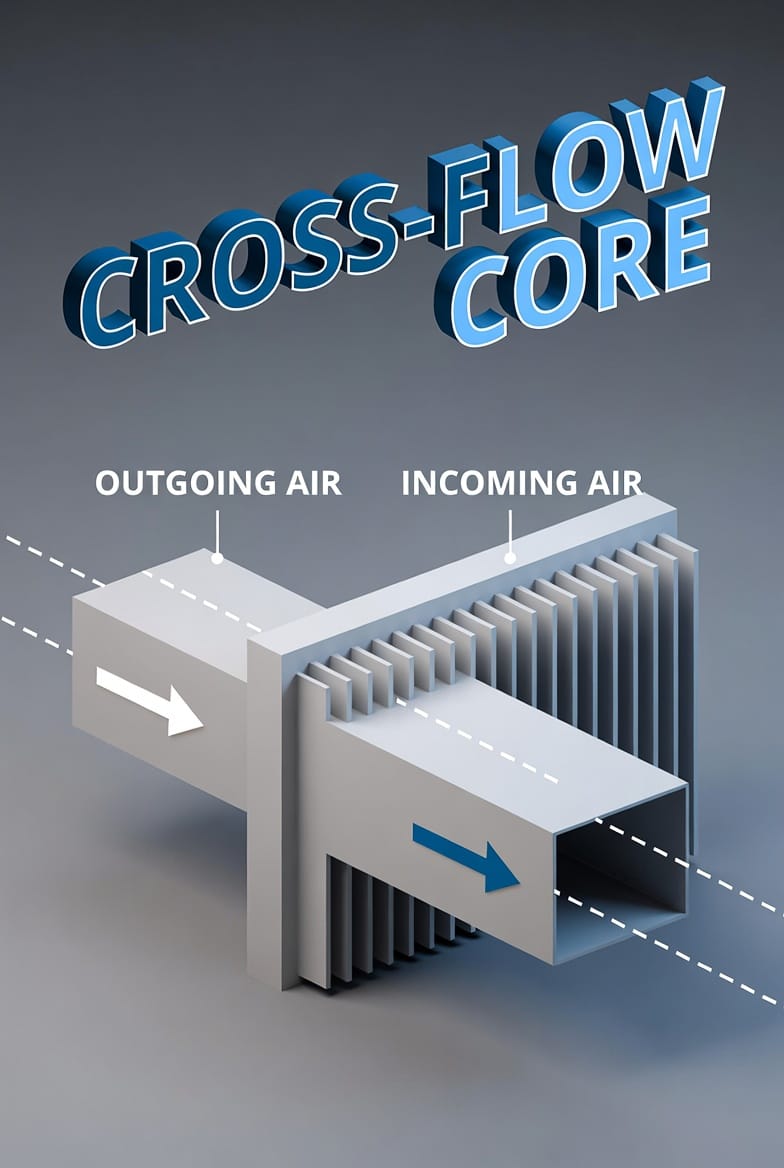
At the heart of both HRV and ERV units lies the energy-exchange core. In cross-flow or counter-flow designs, two separate air streams pass in close proximity but never mix.
For HRVs, a solid plate or wheel transfers only heat via conduction. Moisture stays separated, which suits climates where humidity control isn't a major concern.
ERVs use permeable cores that enable enthalpy transfer. Heat conducts across plates, while moisture migrates via vapor pressure differences—moving from more humid to drier air. In summer, hot-humid outdoor air loses moisture to cooler indoor exhaust, easing air conditioning demands. In winter, dry outdoor air gains humidity from moist indoor exhaust, preventing overly dry conditions that cause discomfort and health issues.
This dual recovery boosts overall efficiency beyond what standard HRVs achieve, especially in variable climates.
Choosing Between ERV and HRV: Climate Matters
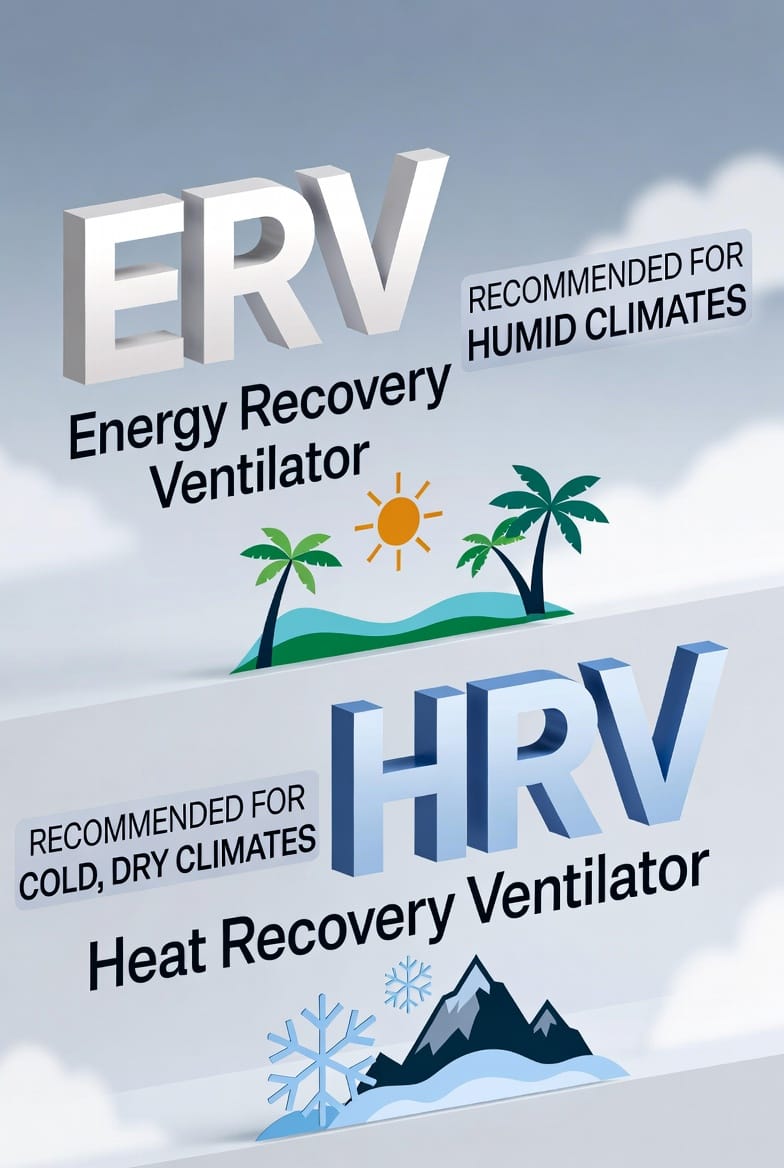
The decision between an HRV and ERV hinges largely on local climate and humidity patterns.
In cold, dry climates (such as northern regions with long heating seasons and low winter humidity), HRVs excel. They expel excess indoor moisture generated by occupants, reducing condensation risks on windows and walls while maximizing heat retention. Introducing very dry outdoor air isn't a major drawback, as homes often need dehumidification in these zones.
Conversely, in humid or mixed climates (hot summers with high humidity, or areas with seasonal swings), ERVs provide superior performance. By transferring moisture, they limit humid outdoor air infiltration during cooling seasons, reducing latent cooling loads on air conditioners. In drier winters, they help retain indoor humidity for comfort.
Many experts recommend ERVs for broader applicability in much of the U.S. and similar regions, as they handle both heat and humidity effectively. Factors like home occupancy, existing HVAC setup, and specific IAQ goals also influence the choice—consulting a professional ensures optimal sizing and integration.
Installation, Maintenance, and Long-Term Benefits
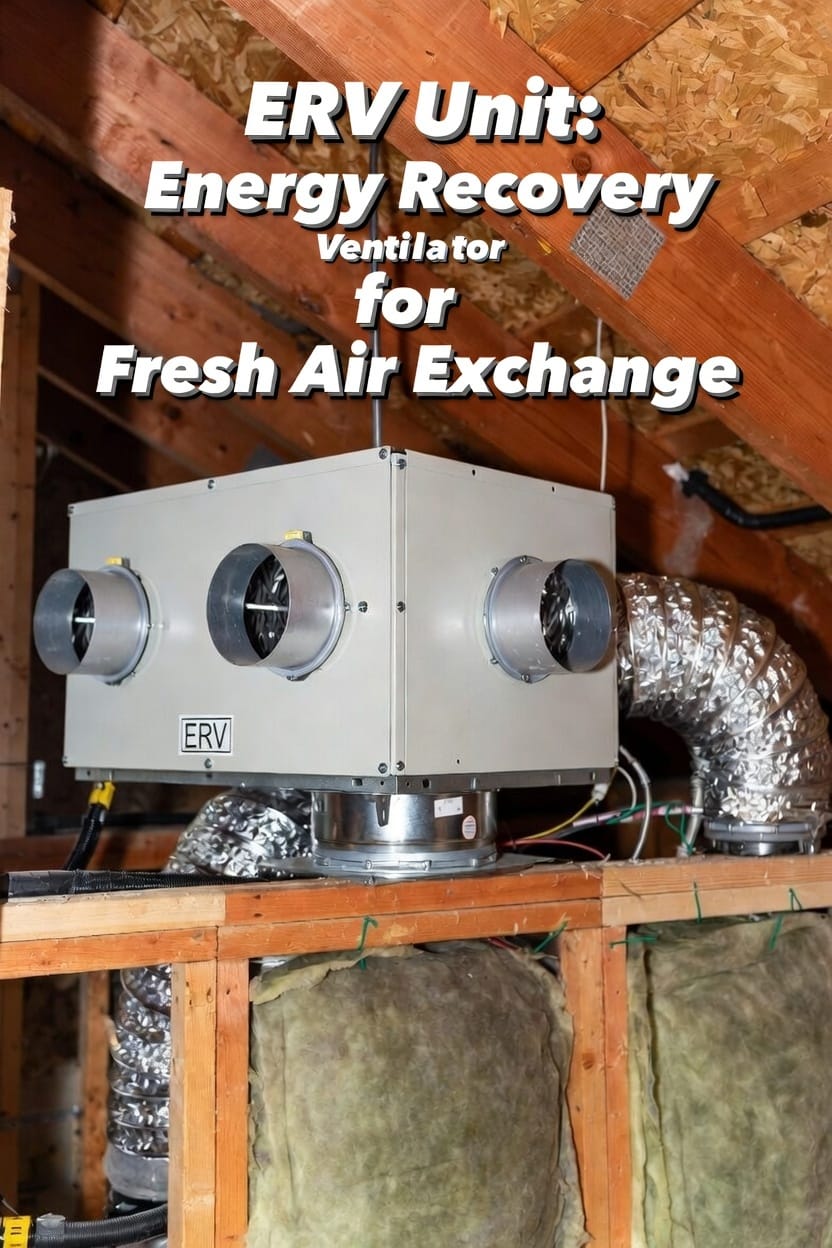
Proper installation is crucial for performance. Units typically mount in attics, basements, or utility spaces with balanced duct runs to minimize noise and ensure even distribution. High-quality filters (MERV 8-13) capture particulates, and some models include boost modes for high-demand periods.
Maintenance involves regular filter changes (every 3-6 months), core cleaning, and annual inspections to keep efficiency high. Energy savings often offset costs within a few years through reduced HVAC runtime, while improved IAQ delivers ongoing health advantages.
Homeowners report fresher-feeling spaces, fewer allergy symptoms, and quieter operation compared to opening windows or relying on exhaust fans.
Final Thoughts on Efficient Fresh Air
Integrating an ERV or HRV transforms ventilation from an energy drain into a smart, health-focused feature. These systems deliver the fresh air modern airtight homes desperately need—without the efficiency penalties of traditional methods.
Breathe fresh air efficiently. If you're exploring ventilation solutions for better indoor air quality and energy savings.
Healthier Home + Lower Bills Start Here – Call Today!