The Dog Liability Factor: How Your Canine Companion Affects Your Home Insurance Coverage and Rates
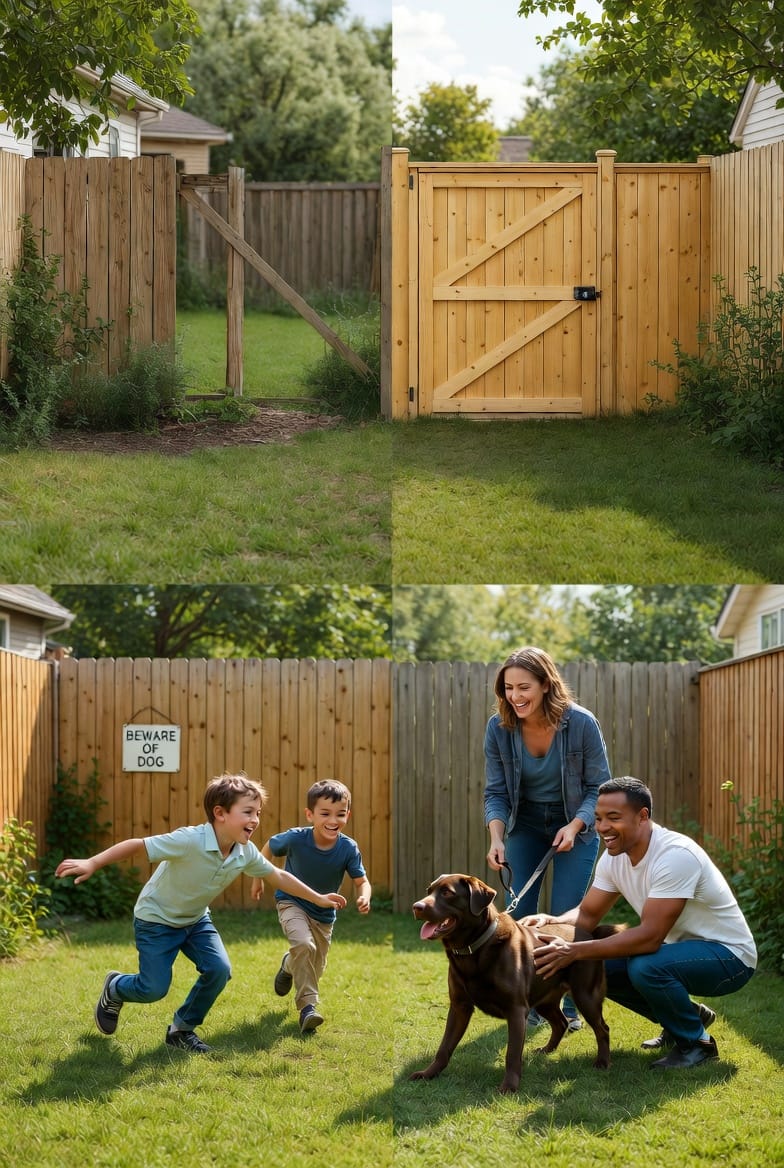
Owning a dog brings immense joy, companionship, and even health benefits to your household. However, as a responsible pet owner, it's crucial to understand how your furry friend can influence your home insurance policy. Many homeowners are surprised to learn that certain dog breeds or behaviors may lead to higher premiums or even policy exclusions. But don't worry—this doesn't mean you have to choose between your pet and your protection. With the right knowledge and proactive steps, you can safeguard both your family and your canine companion. In this comprehensive guide, we'll explore the dog liability factor in home insurance, helping you navigate potential risks confidently.
Safeguard Your Family & Furry Friend – Get Covered Now
Understanding Dog-Related Risks in Home Insurance
Insurance companies assess risks based on data and statistics, and dogs are no exception. While most pets are harmless, incidents like bites or property damage can result in costly claims. According to industry reports, dog-related injuries account for a significant portion of liability claims under homeowners' policies. This isn't about demonizing dogs—it's about recognizing that insurers use actuarial data to predict potential losses.
Key factors insurers consider include:
- Breed Classification: Some breeds are labeled as "high-risk" due to historical claim data.
- Behavioral History: Past incidents, regardless of breed, can flag your policy.
- Home Environment: Factors like fencing and supervision play a role in risk assessment.
Rest assured, not all insurers treat dogs the same way. Shopping around can reveal policies that are more pet-friendly, ensuring you maintain comprehensive coverage without unnecessary hikes.
How Insurers Classify Dog Breeds
One of the most discussed aspects of dog liability insurance is breed classification. Insurers often categorize certain breeds as higher risk based on bite statistics from sources like the Centers for Disease Control and Prevention (CDC). Common breeds flagged include Pit Bulls, Rottweilers, German Shepherds, Akitas, and Chow Chows. However, it's important to note that these classifications aren't universal—some companies focus more on individual dog behavior than breed alone.
Why does this matter? If your dog falls into a restricted breed list, you might face:
- Rate Increases: Premiums could rise by 10-50% or more, depending on the insurer.
- Exclusions: Some policies exclude coverage for bites or injuries caused by specific breeds.
- Denial of Coverage: In extreme cases, insurers may refuse to issue or renew a policy.
But here's the reassuring part: Many modern insurers are shifting toward behavior-based assessments. Providing proof of obedience training, such as a Canine Good Citizen certificate, can mitigate these concerns. Always disclose your dog's breed honestly during quoting to avoid claim denials later.

The Impact of Bite Incidents on Your Coverage
A single dog bite incident can have lasting effects on your home insurance. In the U.S., the average cost of a dog bite claim exceeds $50,000, covering medical bills, legal fees, and settlements. If your dog is involved in such an event, expect scrutiny from your insurer.
Post-incident consequences may include:
- Immediate Rate Hikes: Premiums could surge by 20-100%, reflecting the increased risk.
- Liability Exclusions: Future coverage might exclude dog-related claims entirely.
- Policy Cancellation: Some insurers may non-renew your policy, forcing you to seek alternatives.
Prevention is key here. Implementing proper pet management strategies can significantly reduce risks. For instance, socializing your dog early, using leashes in public, and supervising interactions with strangers or children are simple yet effective measures. Remember, even the gentlest dog can react unpredictably, so erring on the side of caution protects everyone.
Importance of Maintaining Adequate Liability Coverage
Your home insurance's liability coverage is your financial safety net against lawsuits from dog-related incidents. Standard policies often include $100,000 to $300,000 in liability, but for dog owners, aiming higher—up to $500,000 or more—is advisable. This coverage pays for others' medical expenses, lost wages, and legal defense if your dog causes harm.
Why boost your limits?
- Rising Claim Costs: Medical and legal expenses are inflating annually.
- Personal Asset Protection: Higher limits shield your savings and home from judgments.
- Peace of Mind: Knowing you're covered lets you enjoy pet ownership worry-free.
Consider adding an umbrella policy for extra protection, which kicks in after your primary liability exhausts. This is especially valuable for owners of larger or more active breeds.
Best Practices for Dog Owners to Minimize Insurance Risks
As an authoritative voice in home insurance, we emphasize that responsible ownership is the cornerstone of favorable rates. Here are actionable steps to keep your policy intact:
- Secure Your Property: Install sturdy fences at least 6 feet high to prevent escapes. Use gates with self-locking mechanisms.
- Train and Socialize: Enroll in professional training classes. Positive reinforcement builds good behavior.
- Health Checkups: Regular vet visits ensure your dog is healthy and less prone to aggression.
- Warning Signs: Post "Beware of Dog" signs if your pet is protective, deterring unwanted intrusions.
- Supervision: Never leave your dog unsupervised with visitors, especially children.
- Documentation: Keep records of vaccinations, training, and any behavioral evaluations.
By following these, you're not just complying with insurer expectations—you're fostering a safer environment for all.
Navigating Breed Restrictions and Finding Pet-Friendly Insurers
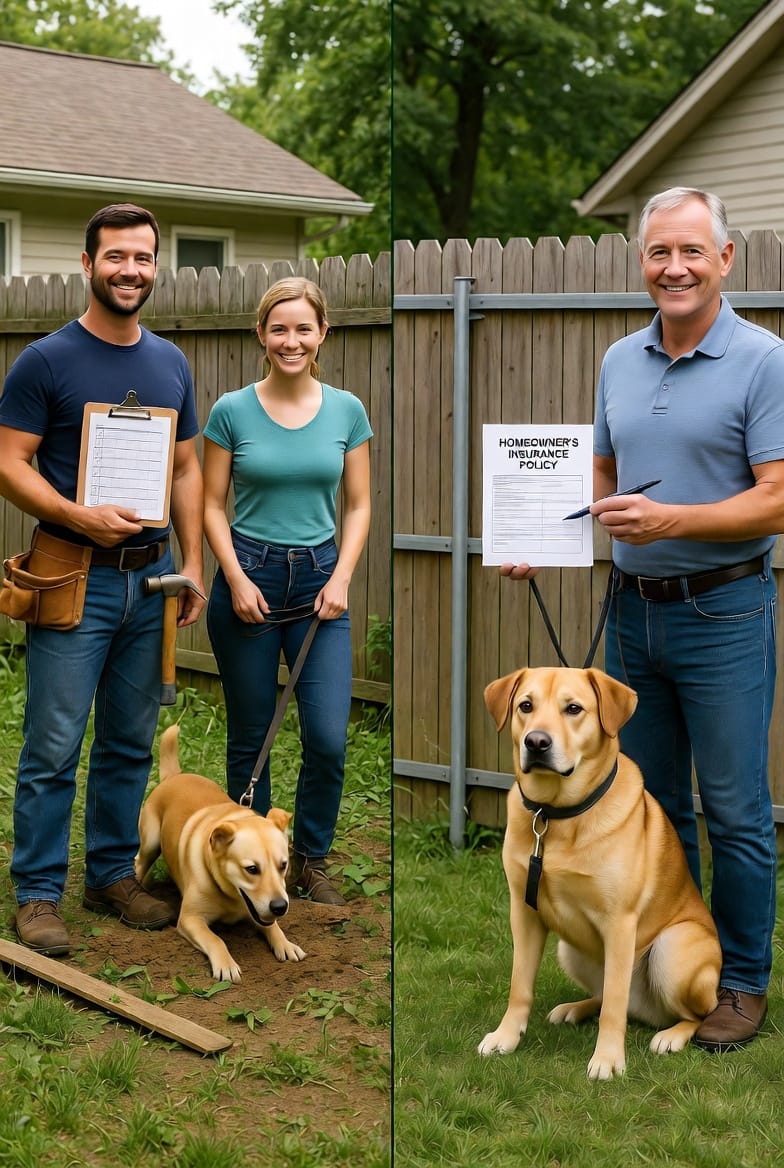
If your dog is on a restricted list, all is not lost. Several insurers offer breed-agnostic policies, focusing on the dog's history instead. Companies like State Farm, for example, evaluate on a case-by-case basis (always verify current policies). When shopping:
- Compare quotes from multiple providers.
- Ask about dog liability endorsements that add specific coverage.
- Consider specialized pet insurance for additional medical protections.
SEO tip: Searching for "dog-friendly home insurance" can yield tailored options. Your location matters too—state regulations influence breed restrictions.
Legal and Financial Ramifications of Inadequate Coverage
Without proper liability insurance, a dog incident could lead to out-of-pocket expenses in the tens of thousands. In severe cases, lawsuits might force asset liquidation. States vary in liability laws; some hold owners strictly liable, meaning you're responsible regardless of prior knowledge of aggression.
To avoid this:
- Review your policy annually.
- Update insurers on any new pets or changes.
- Consult an agent for personalized advice.
This proactive approach ensures financial security.
Case Studies: Real-Life Examples of Dog Liability Claims
Consider a scenario where a friendly Labrador nips a delivery person—resulting in a $30,000 claim covered by liability. In contrast, an uninsured Pit Bull owner faced bankruptcy after a $200,000 judgment. These stories highlight why coverage is non-negotiable.
Lessons learned:
- Disclosure prevents surprises.
- Training averts incidents.
- Higher limits provide buffers.
Emerging Trends in Dog Insurance
The industry is evolving. With data analytics, insurers are refining risk models beyond breeds. Wearable tech for pets could soon offer premium discounts for monitored behavior. Stay informed to leverage these advancements.
Conclusion: Safeguard Your Home and Heart
Your dog is family, and protecting them means protecting your home insurance too. By understanding the dog liability factor, maintaining robust coverage, and practicing responsible ownership, you can enjoy worry-free companionship. Don't leave it to chance—knowledge is your best policy.
Secure Higher Liability Limits for Your Dog – Call Today