The Documentation Dashboard: How Modern Restoration Companies Use Software to Track Your Claim in Real-Time
Water damage strikes without warning—a burst pipe, a leaking roof, or an overflowing appliance can turn your home into a chaotic mess overnight. But in today's tech-savvy world, restoration companies are transforming the recovery process from a stressful ordeal into a streamlined, transparent journey. Enter the documentation dashboard: a powerful software tool that allows real-time claim tracking, ensuring every step of your water damage restoration is documented, shared, and accessible. This article dives into the professional backend processes that make this possible, highlighting how project management software empowers immediate updates, fosters collaboration with insurance adjusters, and keeps homeowners like you in the loop. With an authoritative approach backed by industry best practices, we'll explore why this technology is a game-changer for emergency restoration services.
Real-Time Tracking & Fast Recovery – Call Our Team!
Understanding the Documentation Dashboard
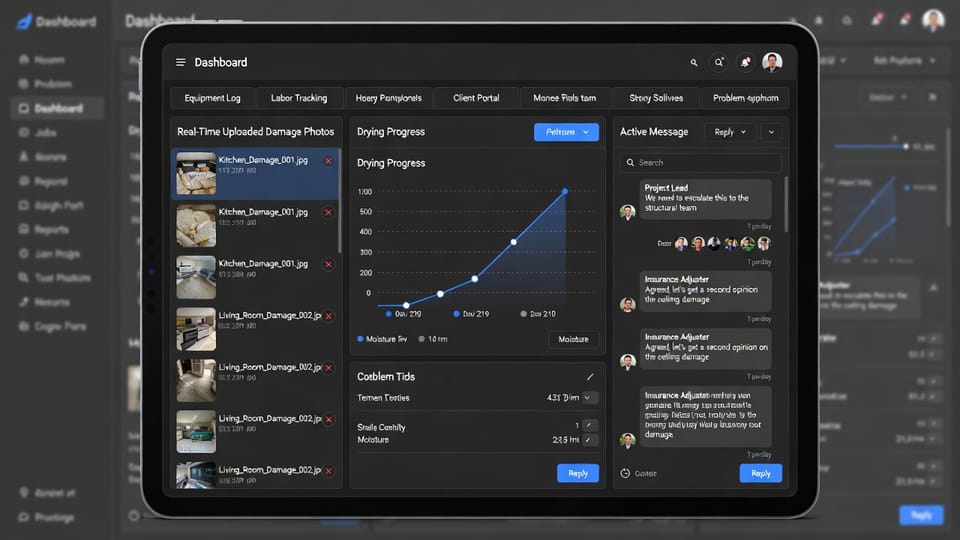
At its core, the documentation dashboard is a centralized digital platform designed specifically for restoration project management. Unlike outdated methods relying on paper trails and phone tag, modern software integrates cloud-based tools that capture data instantly from the field. Technicians equipped with mobile apps can log details on-site, while back-office teams monitor progress remotely. This setup not only accelerates claim processing but also minimizes errors, providing a reassuring layer of accountability.
Key features include:
- Seamless Integration: Connects with insurance portals for automatic data syncing.
- User-Friendly Interfaces: Dashboards tailored for technicians, adjusters, and homeowners.
- Data Security: Encrypted storage to protect sensitive claim information.
By leveraging these elements, restoration companies ensure that your water damage claim moves forward efficiently, reducing downtime and restoring normalcy faster.
Immediate Photo Uploads: Capturing the Scene in Real-Time
One of the most critical aspects of any water damage restoration is accurate initial assessment. Traditional methods involved taking photos with cameras, then manually uploading them later—often leading to delays or lost files. Modern project management software revolutionizes this with immediate photo uploads.
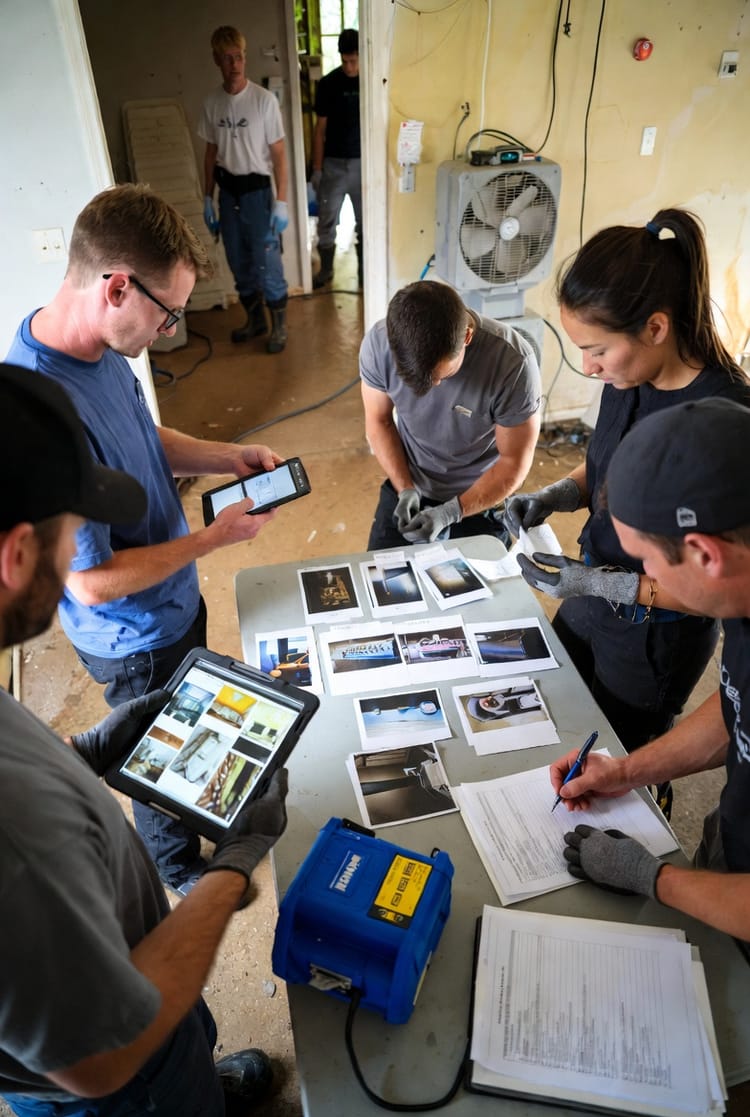
Technicians arrive on-site armed with tablets or smartphones linked to the dashboard. They snap high-resolution images of affected areas, annotating them with notes on damage extent, such as water-soaked drywall or flooded basements. These photos are uploaded instantly to the cloud, timestamped, and geotagged for verification. This real-time capture serves multiple purposes:
- Evidence for Claims: Provides irrefutable proof to insurance adjusters, speeding up approvals.
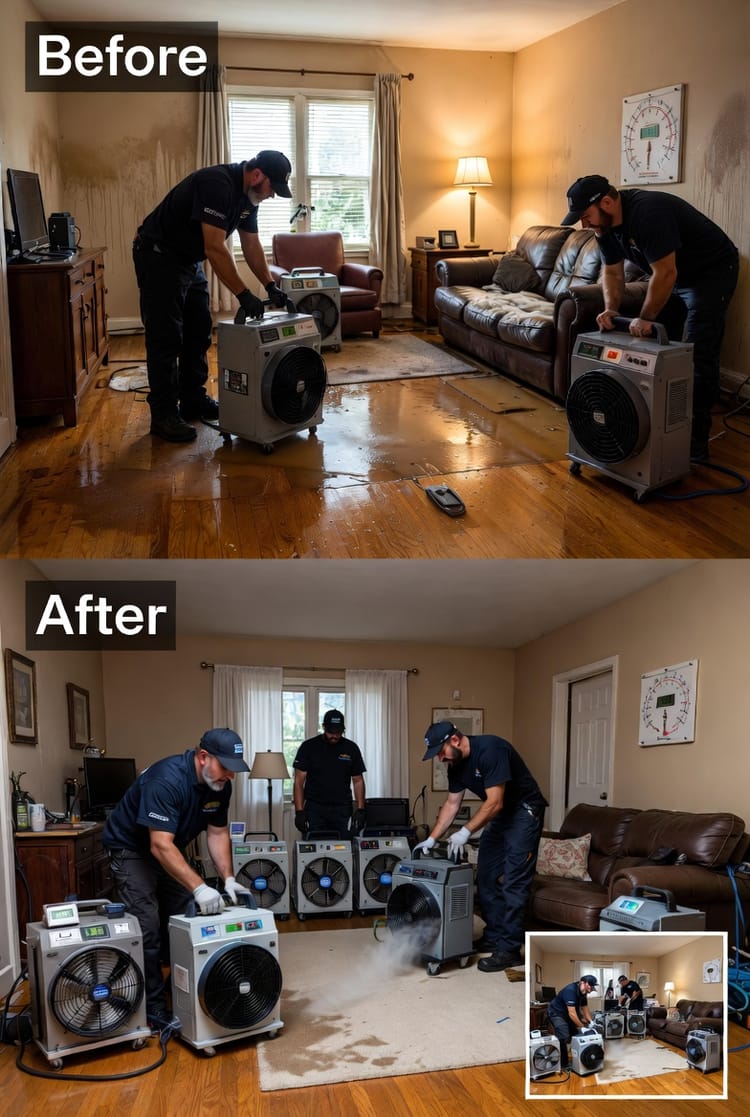
- Progress Tracking: Before-and-after shots demonstrate restoration efficacy.
- Risk Mitigation: Identifies hidden issues like mold potential early on.
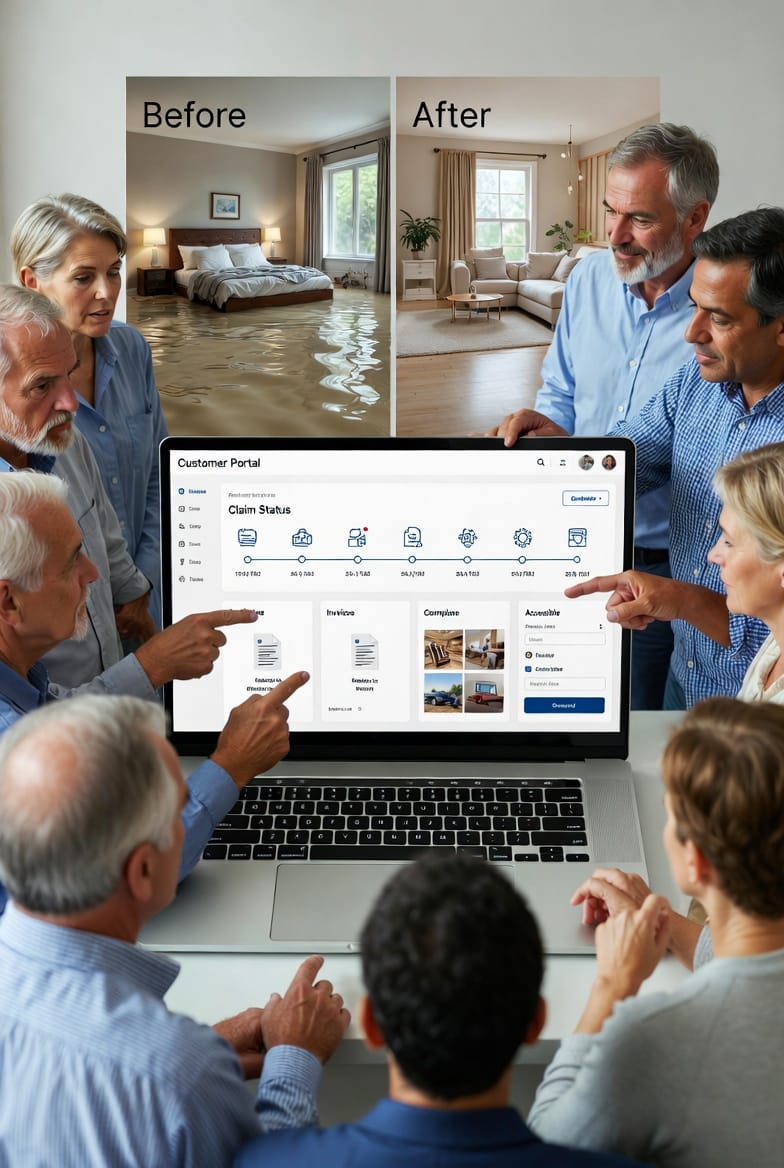
Homeowners benefit immensely, as they can view these uploads via a secure portal, eliminating the anxiety of wondering "What's happening at my property?" This transparency builds trust, assuring you that your restoration team is proactive and thorough.
Daily Moisture Logs: Monitoring Drying Progress Scientifically
Drying out a water-damaged property isn't guesswork—it's a precise science. Moisture logs are essential to prevent secondary issues like mold growth, and sharing them daily with adjusters is a hallmark of professional restoration services. Thanks to integrated sensors and software, this process is now automated and instantaneous.
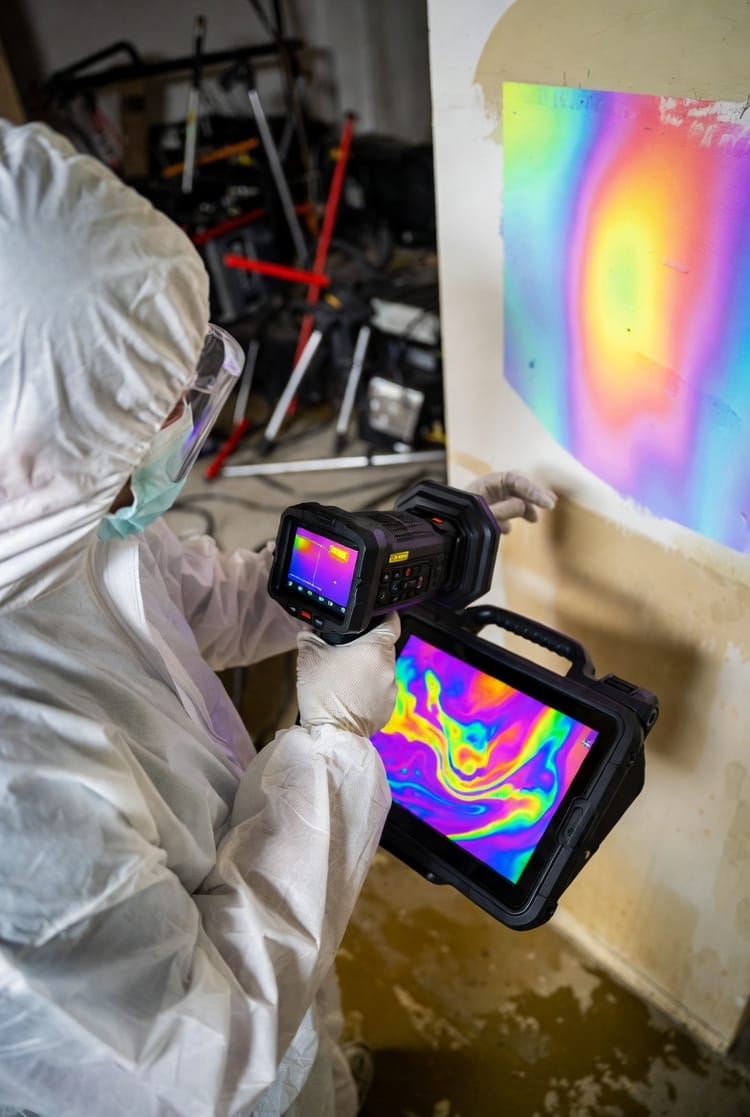
Hygrometers and moisture meters placed strategically throughout the affected areas feed data directly into the documentation dashboard. Technicians log readings multiple times a day, generating graphs that track humidity levels, temperature, and drying rates. These logs are shared automatically with insurance adjusters via email notifications or portal access, ensuring compliance with industry standards like those from the IICRC (Institute of Inspection, Cleaning and Restoration Certification).
Advantages include:
- Data-Driven Decisions: Adjust drying strategies based on real-time trends, avoiding over- or under-drying.
- Compliance Assurance: Meets insurance requirements for documented proof of proper mitigation.
- Homeowner Reassurance: You receive summaries showing steady progress, with alerts if any anomalies arise.
This level of detail underscores the authoritative expertise of modern restoration companies, turning complex data into actionable insights for faster resolutions.
Digital Documentation of Equipment and Labor: Full Accountability
Every piece of equipment and hour of labor in a water damage restoration project must be accounted for to justify costs and ensure efficiency. Gone are the days of handwritten logs; project management software digitizes this entirely, creating a transparent audit trail.
From dehumidifiers and air movers to extraction tools, each item is scanned via QR codes or entered manually into the dashboard upon deployment. Usage times are tracked automatically, generating reports on energy consumption and effectiveness. Labor documentation is equally robust: Technicians clock in/out via the app, logging tasks like water extraction or content inventory. This data compiles into itemized summaries, accessible to all stakeholders.
Benefits for the process:
- Cost Control: Prevents overbilling by tying charges directly to documented usage.
- Efficiency Optimization: Analyzes labor patterns to streamline future projects.
- Dispute Resolution: Provides concrete evidence if questions arise from insurers or homeowners.
This meticulous approach not only enhances operational professionalism but also reassures you that your investment in restoration services is justified and effective.
Transparent Communication with Homeowners: Keeping You Informed
Communication breakdowns are a common complaint in traditional restoration processes, but modern software bridges this gap with transparent communication features. Homeowners are no longer left in the dark; instead, they're active participants through dedicated portals.
The dashboard includes messaging threads where updates are posted in real-time—think daily summaries, milestone achievements, and even video walkthroughs. Push notifications alert you to new documents or changes in status. For instance, if additional work is needed due to discovered structural damage, you'll receive a detailed explanation with supporting photos.
Core elements of this transparency:
- Customized Access: View only what's relevant to your claim, without overwhelming technical jargon.
- Feedback Loops: Submit questions or approvals directly through the platform.
- Peace of Mind: Regular updates reduce stress, allowing you to focus on recovery.
By prioritizing this, restoration companies foster long-term trust, positioning themselves as reliable partners in your time of need.
Streamlining the Approval and Payment Process
Navigating insurance claims can be daunting, but digital documentation simplifies it dramatically. The documentation dashboard acts as a conduit, streamlining interactions between restoration teams, homeowners, and insurers.
Data from photos, logs, and reports is compiled into comprehensive packets submitted electronically. This accelerates reviews, as adjusters can access everything in one place without sifting through emails or faxes. Automated workflows flag incomplete items, ensuring submissions are error-free.
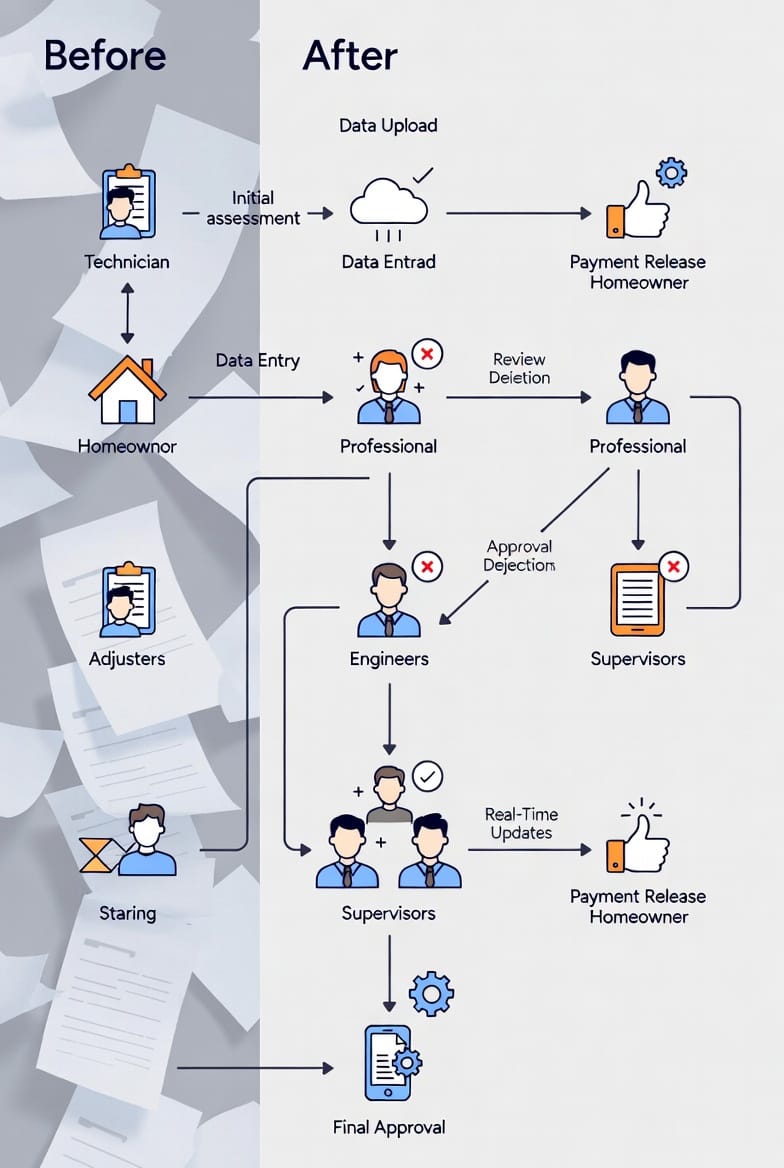
The flowchart above illustrates this: Starting with on-site data capture, moving to shared dashboards, and culminating in swift payments. This efficiency can shave days or weeks off the timeline, getting your home back to pre-loss condition sooner.
Additional perks:
- Faster Reimbursements: Insurers process documented claims quicker.
- Reduced Denials: Thorough records minimize disputes over coverage.
- Scalability: Handles complex claims involving multiple parties seamlessly.
In essence, this tech-driven process empowers restoration companies to deliver results with unmatched precision.
The Future of Restoration: Embracing Technology for Better Outcomes
As water damage incidents rise due to climate changes and aging infrastructure, the role of real-time claim tracking software will only grow. Modern companies investing in these tools aren't just keeping up—they're leading the industry toward more efficient, customer-centric services. For homeowners, this means less disruption and more confidence in the restoration journey.
Whether you're dealing with minor leaks or major floods, choosing a company with a robust documentation dashboard ensures professionalism from start to finish. It's not just about fixing damage; it's about restoring your peace of mind through transparency and expertise.
Emergency CTA: Experience a tech-driven, transparent restoration process from day one.
Experience Real-Time Claim Updates – Call Immediately