The Demolition Timeline: How to Sequence Your Project for Efficient Dumpster Use and Cost Savings
Embarking on a renovation or cleanup project can feel overwhelming, but with strategic planning, you can turn potential chaos into a streamlined process. This comprehensive guide explores the demolition timeline, helping you sequence your project around dumpster rental periods to maximize efficiency and achieve significant cost savings. Whether you're tackling a home remodel, commercial overhaul, or large-scale cleanup, understanding how to align your workflow with dumpster usage is key. We'll cover pre-sorting strategies, methodical demolition staging, and precise coordination of deliveries and pickups—all designed to avoid unnecessary fees and idle time. Rest assured, with these expert tips, you'll handle your project like a pro.
Avoid Overage Fees – Get Your Custom Timeline Today
Understanding the Importance of a Demolition Timeline
A well-structured demolition timeline is the backbone of any successful renovation or cleanup. It ensures that waste removal doesn't become a bottleneck, allowing your team to maintain momentum. Without it, you risk rental overage fees from extended dumpster stays or idle days where the container sits unused, inflating your budget.
Consider the typical project phases: preparation, demolition, framing or rebuilding, and finishing. Each generates different types and volumes of waste. By mapping these to your dumpster rental schedule, you can rent the right size container for the right duration—often 7 to 10 days for standard rentals—saving up to 20-30% on costs, according to industry benchmarks.
Key benefits include:
- Reduced downtime: No waiting for pickups during peak work hours.
- Environmental responsibility: Easier recycling through sorted materials.
- Safety enhancements: Clear sites minimize hazards.
In this guide, we'll break down how to create your timeline, incorporating SEO-optimized strategies for efficient dumpster use.
Step 1: Assess Your Project Scope and Waste Volume
Before renting a dumpster, conduct a thorough project assessment. Estimate waste types and quantities to choose the appropriate container size—ranging from 10-yard for small cleanups to 40-yard for major demolitions.
Start by:
- Inventorying materials: List expected debris like drywall, lumber, appliances, and hazardous items (e.g., paint or asbestos, which require special handling).
- Calculating volume: Use online calculators or consult experts; for instance, a kitchen remodel might produce 5-10 cubic yards of waste.
- Factoring in regulations: Check local rules on prohibited items to avoid fines.
This upfront work prevents surprises, ensuring your dumpster rental aligns perfectly with your needs. Remember, underestimating can lead to multiple rentals, while overestimating wastes money.
Step 2: Pre-Sorting Materials for Maximum Efficiency
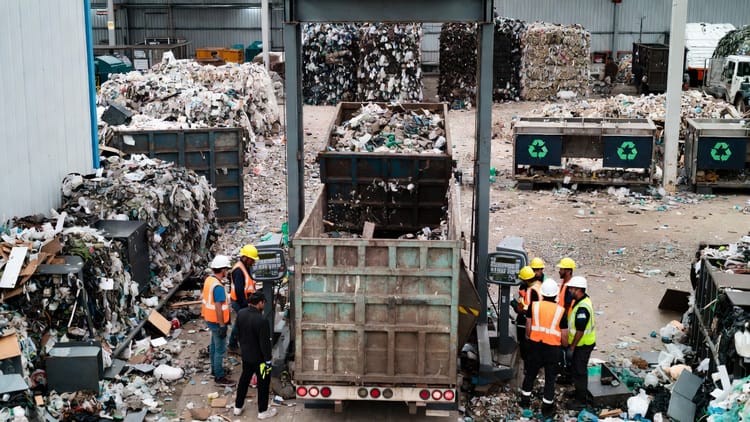
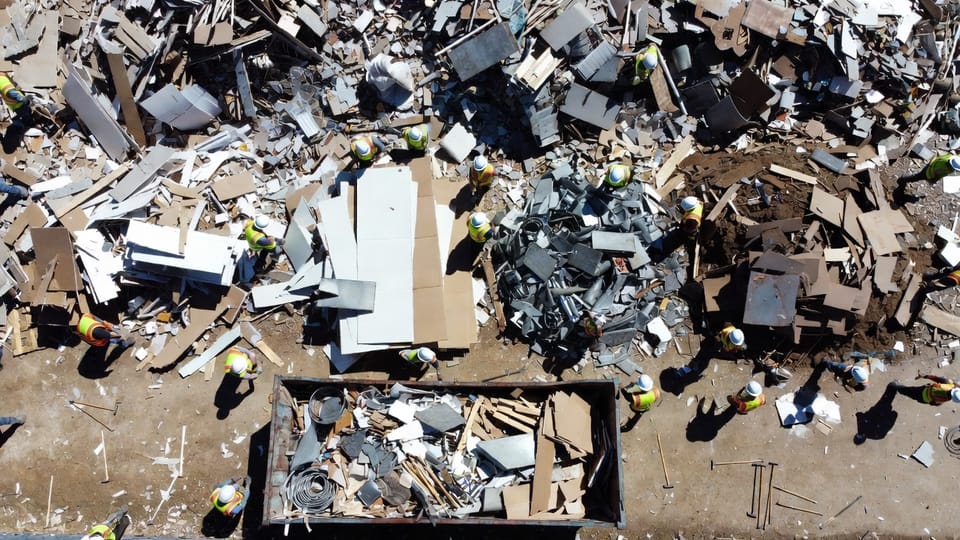
Pre-sorting is a game-changer for cost savings and sustainability. By separating materials before they hit the dumpster, you facilitate recycling, reduce landfill fees, and optimize space.
Focus on categories like:
- Metal: Scrap like wiring or fixtures—often recyclable for cash rebates.
- Clean wood: Untreated lumber for mulching or reuse.
- Drywall and concrete: Heavy items that can be crushed and repurposed.
- General trash: Non-recyclables that fill space quickly.
Implement sorting stations on-site with labeled bins or tarps. This not only speeds up loading but also complies with eco-friendly practices, potentially qualifying for green incentives.
A real-world tip: For a bathroom renovation, sort tiles and fixtures separately from plumbing scraps. This methodical approach can cut disposal costs by 15-25%, as recyclers pay for sorted metals.
Step 3: Staging Demolition Phases Methodically
Staging your demolition ensures waste accumulates at a pace that matches your dumpster rental period. Break it into manageable segments, filling the container progressively without overflow.
Recommended sequence:
- Initial teardown: Remove non-structural elements like cabinets and fixtures first, generating lighter waste.
- Structural demo: Tackle walls and floors next, producing bulkier debris.
- Final cleanup: Handle remaining rubble, aligning with pickup.
Coordinate with milestones—e.g., complete demo before framing begins. This avoids idle days where the dumpster lingers empty or full.
Pro tip: Use daily checklists to track progress, ensuring the team stays on schedule.
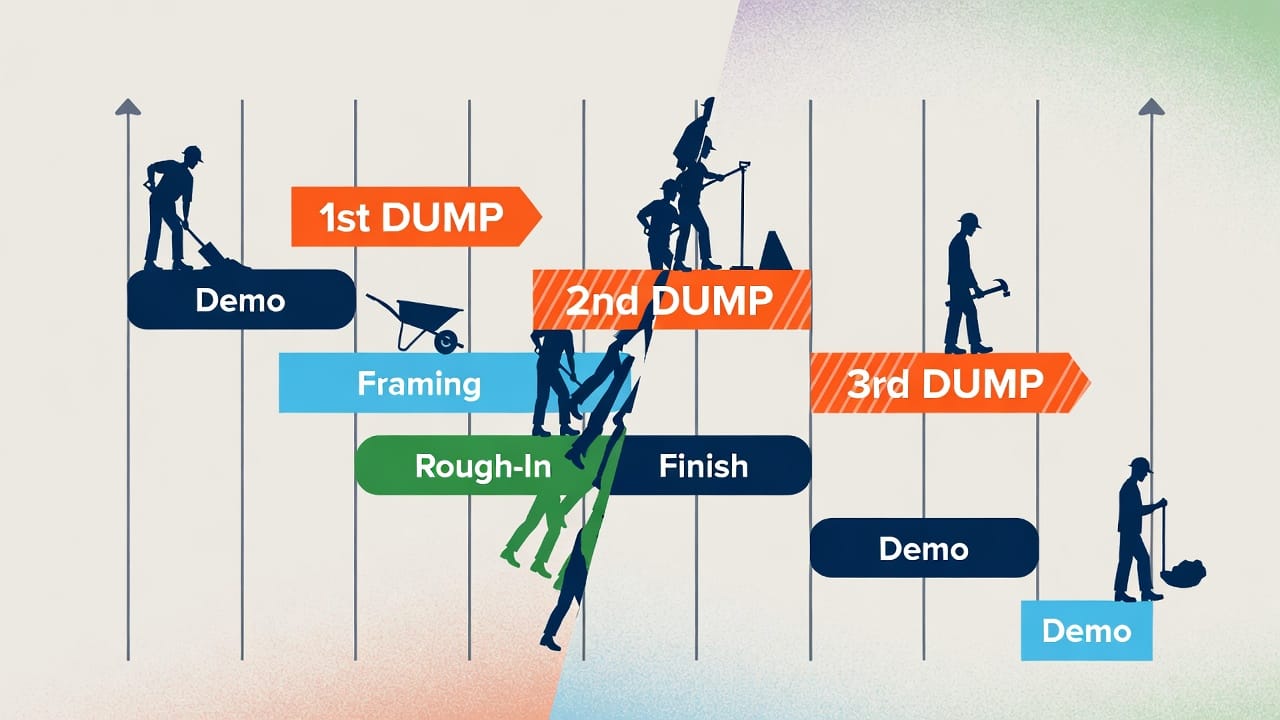
Step 4: Coordinating Dumpster Delivery and Pickup
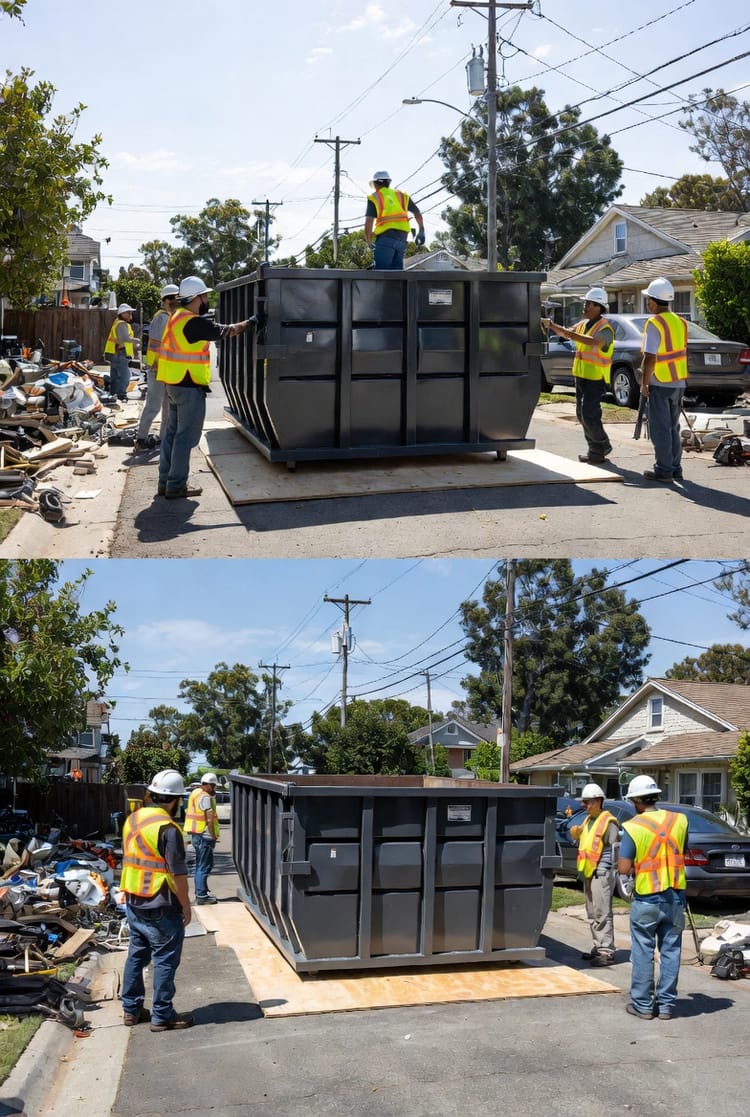
Timing is everything in dumpster coordination. Schedule delivery just before heavy demo starts and pickup right after the container reaches capacity.
Strategies to master this:
- Align with milestones: Deliver during prep phase; pickup post-demo to free space for rebuilding.
- Monitor weather: Rain can delay work, so build buffers into your timeline.
- Communicate with providers: Choose reliable services with flexible scheduling to avoid overage fees (typically $50-100 per day).
For larger projects, consider multiple dumpsters in rotation—e.g., one for demo waste, another for construction debris. This keeps the site active without interruptions.
By syncing these elements, you'll sidestep common pitfalls like rushed loading or extended rentals.
Step 5: Efficient Loading Techniques to Optimize Space
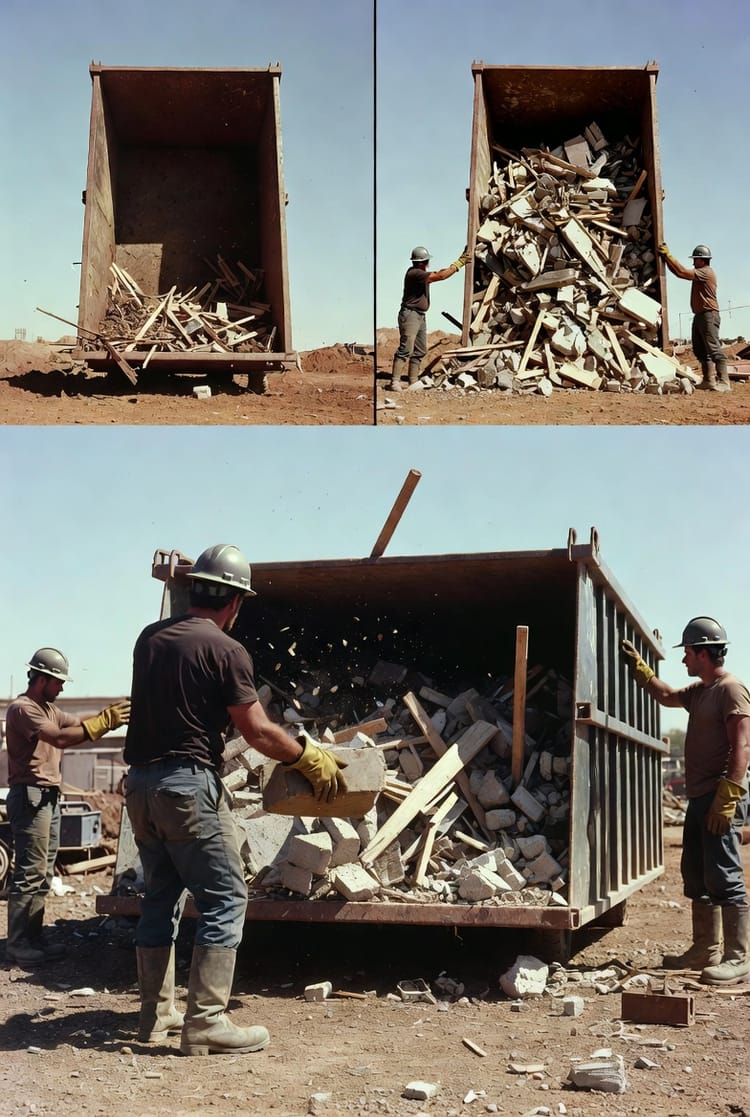
Once the dumpster arrives, efficient loading maximizes its value. Poor packing leads to wasted space and extra hauls.
Essential tips:
- Break down items: Dismantle furniture and flatten boxes to reduce volume.
- Distribute weight evenly: Place heavy items at the bottom and sides to prevent tipping.
- Layer strategically: Alternate light and heavy loads for stability.
- Avoid prohibited items: No tires, batteries, or chemicals—check your rental agreement.
Visualize it: Start with a flat base of rubble, then add layered debris, compacting as you go. This can increase capacity by 20%, per waste management experts.

Advanced Strategies for Cost Savings
To elevate your project planning, integrate advanced tactics. For instance, batch processing similar tasks—group all electrical demo together—to generate waste in waves that fill dumpsters predictably.
Leverage technology:
- Apps for tracking: Use project management tools like Trello or Asana to visualize your demolition timeline.
- Waste audits: Post-project reviews to refine future estimates.
For multi-phase projects, opt for roll-off dumpsters with swap-out services, minimizing downtime.
Risk management is crucial: Budget for contingencies like unexpected debris volumes, which could add 10% to costs if unaddressed.
Common Mistakes to Avoid in Dumpster Planning
Even seasoned pros slip up. Steer clear of:
- Under-timing rentals: Rushing leads to unsafe overloading.
- Ignoring site access: Ensure the drop-off spot is clear and level.
- Skipping permits: Many areas require them for street placements.
By anticipating these, you'll maintain an authoritative control over your project.
Case Studies: Real-World Success Stories
Consider a homeowner's kitchen remodel: By pre-sorting cabinets (wood) from appliances (metal), they filled a 15-yard dumpster in 5 days, avoiding a $200 overage.
In a commercial setting, a office renovation team staged demo over two weekends, coordinating pickups to match, saving $500 in idle fees.
These examples underscore how sequenced planning translates to tangible savings.
Environmental and Safety Considerations
Sustainable practices enhance your project's legacy. Recycle where possible—many providers offer sorting services.
Safety first: Equip workers with PPE, and train on proper lifting to prevent injuries during loading.
This holistic approach not only saves money but builds a positive reputation.
Final Thoughts on Project Optimization
Wrapping up, a meticulously planned demolition timeline empowers you to harness dumpster rentals for peak efficiency. From pre-sorting to precise coordination, these strategies eliminate waste—literally and figuratively.
Rent Smarter, Save More – Speak to Our Experts Today