The Curbless, Barrier-Free Bathroom: A Universal Design Guide for Aging in Place and Multi-Generational Homes
In today's evolving world, creating a home that adapts to life's changes is more important than ever. Whether you're planning for aging in place or accommodating a multi-generational household, a barrier-free bathroom offers safety, comfort, and style without compromise. This comprehensive guide explores universal design principles applied to bathroom remodeling, focusing on features like curbless showers, reinforced walls for grab bars, comfort-height vanities, lever faucets, and non-slip flooring. We'll build from the ground up, ensuring your space is not just accessible but beautifully integrated and future-proof.
Design Your Barrier-Free Bathroom Today
Universal design isn't about clinical modifications—it's about thoughtful planning that enhances daily living for everyone. By incorporating these elements early, you avoid costly retrofits later, promoting independence and peace of mind. Let's dive into how to create a truly inclusive bathroom.
Understanding Universal Design in Bathrooms
Universal design emphasizes environments usable by all people, regardless of age, ability, or size. In bathrooms, this means eliminating barriers that could lead to slips, strains, or exclusion. For aging in place, it supports seniors staying in their homes safely. In multi-generational homes, it accommodates children, adults, and elders under one roof.
Key benefits include:
- Enhanced Safety: Reducing fall risks, a leading cause of injury in older adults.
- Increased Home Value: Accessible features appeal to a broader market.
- Aesthetic Appeal: Modern designs make accessibility look elegant, not institutional.
- Cost Efficiency: Proactive installations save money over reactive changes.
According to the AARP, over 75% of older adults want to remain in their homes, making barrier-free bathrooms a smart investment. Start by assessing your current space: Measure doorways, clearances, and fixtures to identify potential upgrades.
The Foundation: Non-Slip Flooring for Safety and Style
Flooring sets the stage for a barrier-free bathroom. Traditional tiles can become hazardous when wet, but non-slip flooring options provide traction without sacrificing beauty.
Choose materials like:
- Textured Porcelain Tiles: Rated with a Coefficient of Friction (COF) above 0.6 for wet areas.
- Luxury Vinyl Plank (LVP): Waterproof, cushioned, and available in wood-like finishes.
- Cork Flooring: Naturally slip-resistant and soft underfoot, ideal for joint relief.
Installation tips:
- Ensure a level subfloor to prevent tripping hazards.
- Use large-format tiles to minimize grout lines, which can trap water.
- Integrate radiant heating for comfort, especially in colder climates.
By selecting non-slip flooring throughout, you create a seamless transition from dry to wet zones, essential for wheelchair users or those with mobility aids. This foundational element ties into other features, like the curbless shower, for a cohesive design.
The Heart of Accessibility: Curbless Showers
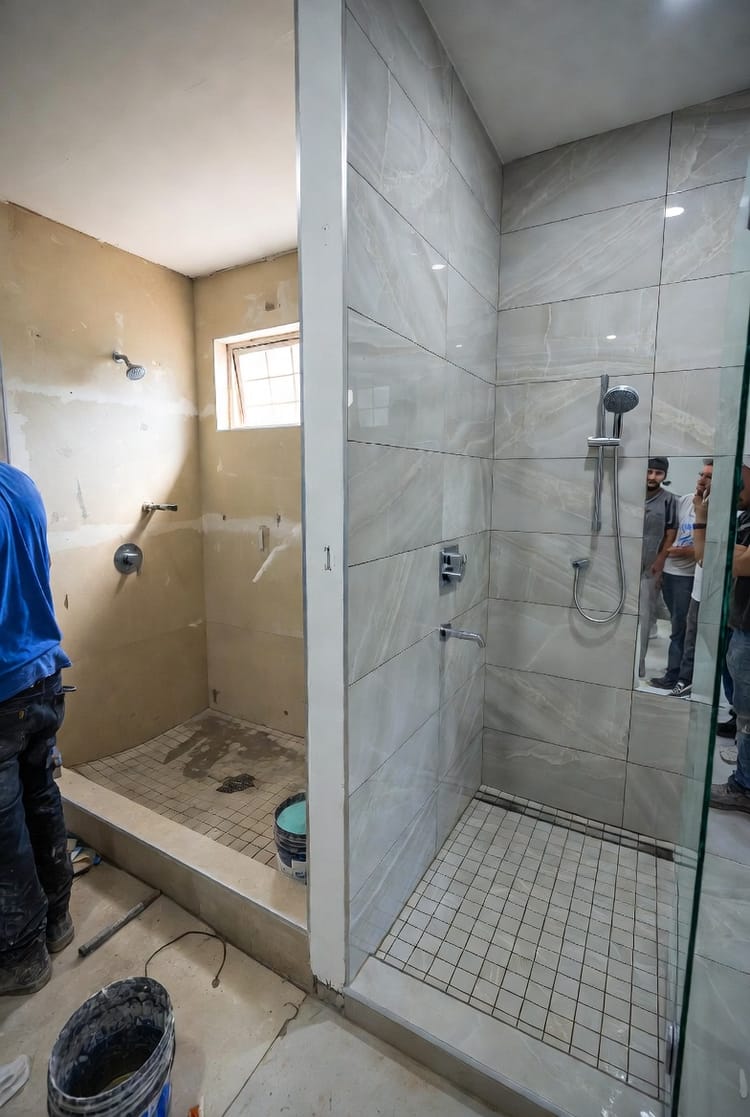
A curbless shower, also known as a zero-threshold or roll-in shower, eliminates the step-over barrier, making entry effortless. This design is pivotal for universal accessibility, allowing wheelchair access and reducing fall risks.
Design considerations:
- Size Matters: Aim for at least 36x60 inches to accommodate turning radii.
- Drainage Systems: Linear drains along the wall prevent water pooling and allow for sloped flooring.
- Seating Options: Built-in benches or fold-down seats provide resting spots.
- Shower Controls: Place them at reachable heights (38-48 inches) with anti-scald valves.
Materials should blend functionality with luxury—think pebble mosaics for natural grip or matte finishes to avoid glare. For multi-generational appeal, add handheld showerheads with adjustable heights. Properly installed, a curbless shower transforms the bathroom into a spa-like retreat that's safe for all.
Reinforcing Walls for Future Grab Bars
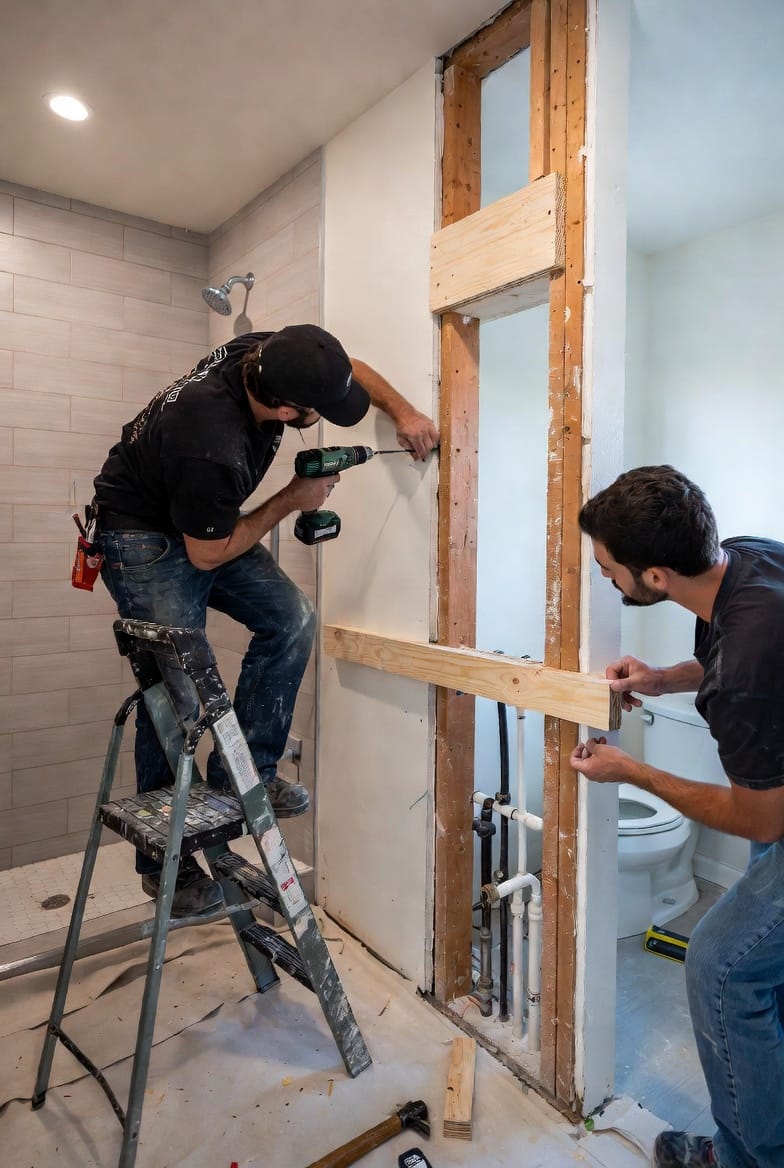
Planning ahead is key in universal design. Wall reinforcement involves installing blocking—typically 2x6 or plywood—between studs during remodeling. This allows for secure grab bar mounting later, without tearing open walls.
Why it's essential:
- Grab Bars support up to 250-500 pounds, aiding balance and transfers.
- Locations: Focus on shower walls, toilet sides, and near vanities (42-48 inches high).
- Code Compliance: Follow ADA guidelines for 1.5-inch diameter bars with 1.5-inch wall clearance.
During construction:
- Identify high-traffic areas like entry points and wet zones.
- Use pressure-treated wood to resist moisture.
- Document locations for future reference.
This invisible upgrade ensures your bathroom evolves with needs, from temporary injuries to long-term mobility changes. It's a reassuring step that maintains the space's integrity and beauty.
Comfort-Height Vanities with Knee Space
Standard vanities often force awkward bending, but comfort-height vanities (34-36 inches) promote better posture. Pair them with knee space for seated use, crucial for wheelchair accessibility.
Features to include:
- Open Under-Sink Area: At least 27 inches high, 30 inches wide, and 19 inches deep.
- Wall-Mounted or Floating Designs: Easier cleaning and modern look.
- Storage Solutions: Pull-out drawers and adjustable shelves for reachability.
Materials like quartz countertops resist stains, while soft-close mechanisms add convenience. In multi-generational homes, this setup allows kids to reach sinks with step stools while adults enjoy ergonomic benefits.
Lever Faucets and Touchless Technology
Faucet choice impacts usability—lever faucets require less grip strength than knobs, ideal for arthritis sufferers or children.
Advanced options:
- Touchless Faucets: Sensor-activated for hygiene and ease.
- Pull-Down Sprayers: Versatile for various tasks.
- Temperature Controls: Limit hot water to prevent burns.
Installation ensures handles are positioned forward for easy access. These elements integrate seamlessly, enhancing the bathroom's functionality without visual clutter.
Lighting and Color for Visibility and Mood
Proper lighting prevents accidents and creates ambiance. Use layered lighting:
- Ambient: Overhead fixtures for even illumination.
- Task: Under-cabinet lights for vanities.
- Accent: LED strips in showers.
Opt for warm LED bulbs (2700-3000K) to reduce glare. High-contrast colors—dark floors with light walls—aid those with visual impairments.
Doorways and Clearances for Maneuverability
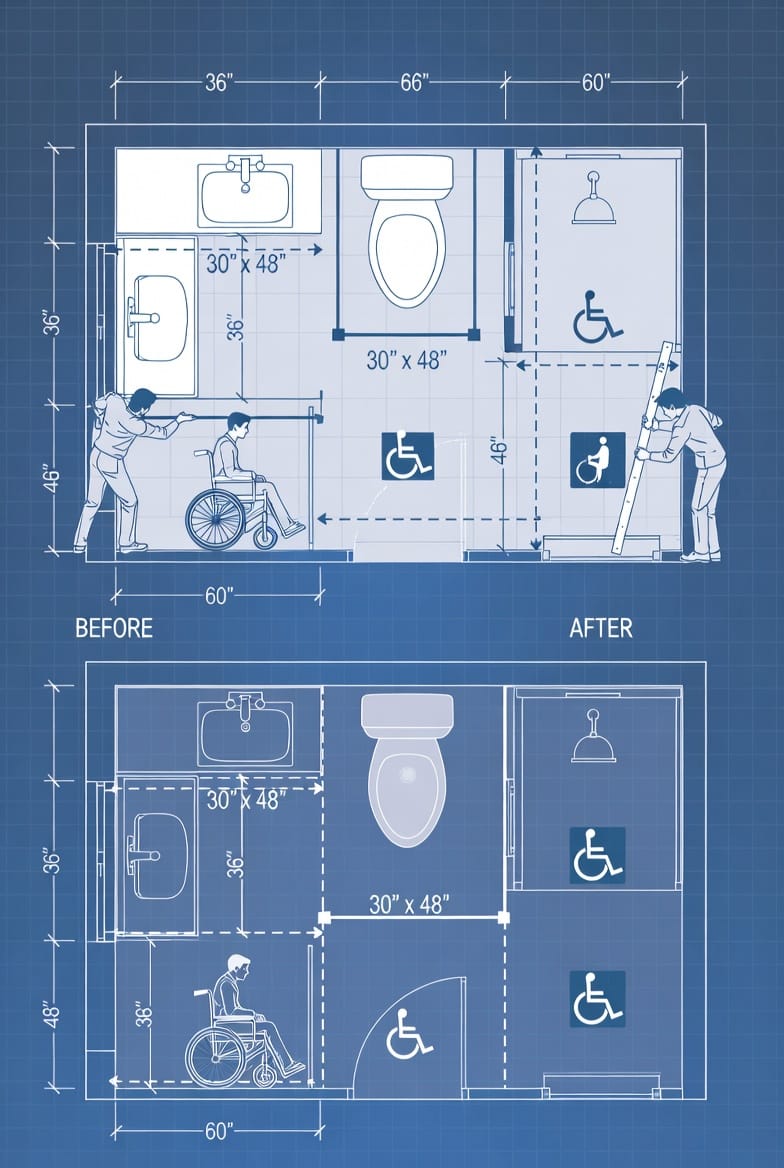
Wide doorways (32-36 inches) and clear floor space are non-negotiable for accessibility.
Standards:
- Turning Space: 60-inch diameter circle.
- Approach Areas: 30x48 inches in front of fixtures.
- Pocket Doors: Save space over swinging ones.
These ensure smooth navigation, especially in aging in place scenarios.
Integrating Smart Home Features
Enhance accessibility with technology:
- Voice-Activated Controls: For lights, faucets, and mirrors.
- Motion Sensors: Automatic lighting.
- Smart Mirrors: With magnification and anti-fog.
These additions future-proof your space, offering convenience for all ages.
Material Selection for Durability and Maintenance
Choose low-maintenance materials:
- Antimicrobial Surfaces: For hygiene.
- Water-Resistant Walls: Like fiberglass or acrylic panels.
- Easy-Clean Fixtures: Rounded edges to prevent grime buildup.
Sustainability matters—eco-friendly options like recycled glass tiles align with modern values.
Budgeting and Planning Your Remodel
Expect costs from $10,000-$30,000, depending on scope. Prioritize:
- Professional consultation for compliance.
- Phased implementation if needed.
ROI is high, with accessible homes selling faster.
Common Mistakes to Avoid
- Ignoring future needs: Always reinforce walls.
- Overlooking ventilation: Prevent mold with exhaust fans.
- Skimping on professionals: Certified remodelers ensure quality.
Case Studies: Real-Life Transformations
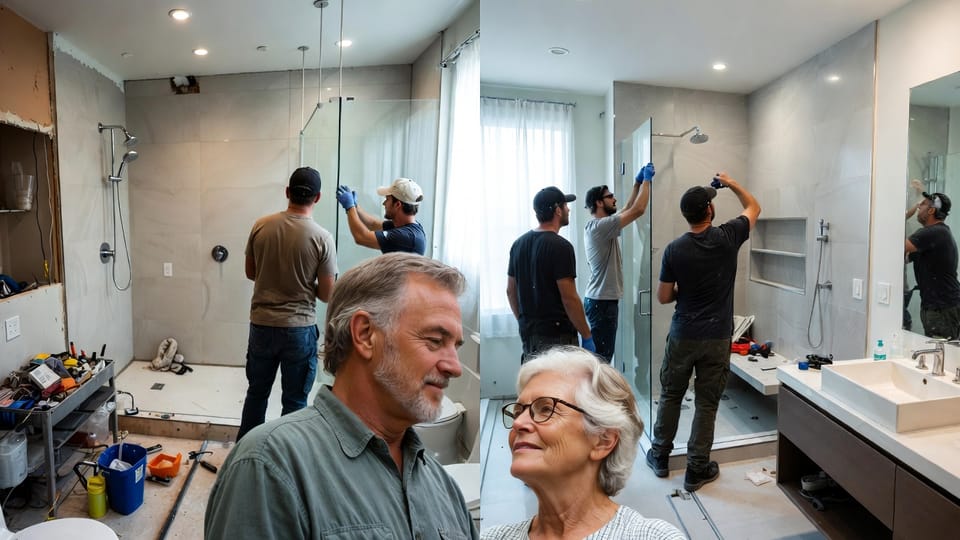
In one project, a family converted a standard bath to a barrier-free oasis, adding years of independent living for grandparents. Another multi-gen home integrated these features seamlessly, boosting daily harmony.
Maintaining Your Barrier-Free Bathroom
Regular checks: Test grab bars, clean drains, and inspect seals. Professional tune-ups every few years keep it pristine.
Creating a curbless, barrier-free bathroom is an empowering choice. It fosters independence, safety, and joy for every family member.
Make Your Home Truly Accessible – Call Today