The Content Inventory: How Restorers Catalog and Restore Your Belongings After Water Damage

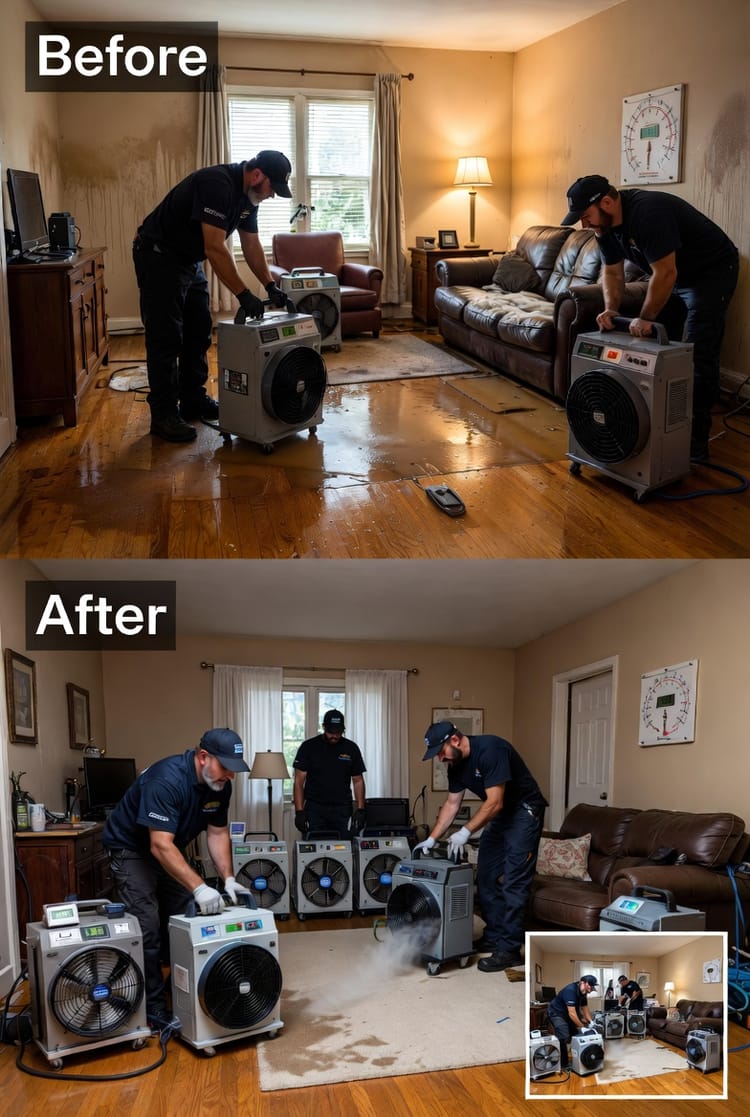
When water damage strikes, the destruction feels overwhelming. Floors warp, walls swell, and suddenly every cherished possession — from family photos to electronics and antique furniture — is at risk. While drying the structure is critical, your personal belongings tell the real story of your life. Professional restorers bring order to this chaos through a meticulous process known as contents inventory and restoration.
Water Damage? We Save Your Stuff – Call Right Away
This comprehensive approach ensures nothing is lost to panic or oversight. Experienced water damage restoration teams treat your items with the same care you would, documenting, protecting, and reviving them so you can focus on healing rather than hunting through soggy boxes. In the following guide, we walk you through every stage of the contents restoration process — step by step — so you understand exactly how your belongings are rescued and returned, often better than before.
Why Proper Contents Handling Matters More Than You Think
Water damage does far more than soak surfaces. Within hours, moisture triggers mold growth, corrosion, and permanent staining. Sentimental items lose their emotional value when left untreated, while valuable possessions can depreciate rapidly.
A professional contents inventory protects you in three vital ways:
- Documentation for insurance claims — every item is photographed, described, and valued before any work begins.
- Prevention of secondary damage — timely intervention stops mold and bacterial spread.
- Peace of mind — you receive a complete, transparent record of what happened to every possession.
Homeowners who skip professional contents handling often face higher replacement costs and irreplaceable losses. Our team has seen families regain treasured wedding albums and children’s artwork that would otherwise have been discarded. That is the power of a structured personal property restoration protocol.
The Immediate Response: Securing the Scene
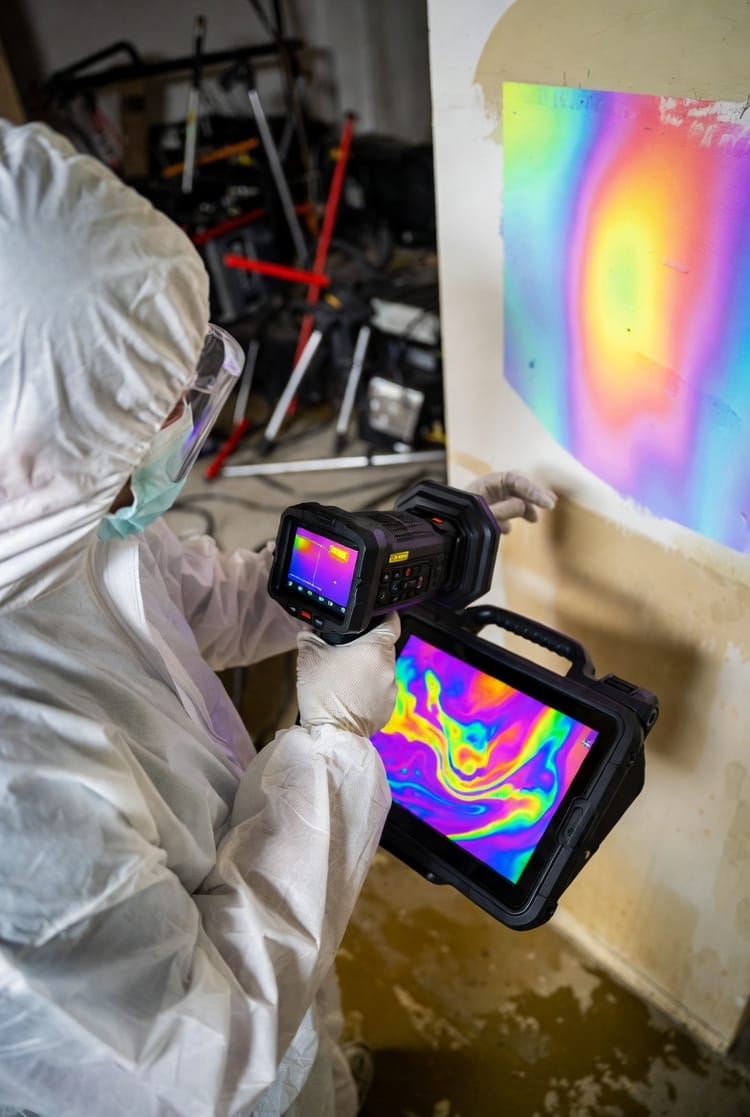
Within minutes of arrival, certified technicians conduct a rapid safety assessment. They identify Category 1, 2, or 3 water (clean, gray, or black) to determine contamination levels. Only then does the pack-out phase begin.
Every item is evaluated for urgency:
- High-priority heirlooms and documents move first.
- Electronics and appliances receive immediate moisture extraction.
- Soft goods like clothing and linens are separated to prevent cross-contamination.
This swift, organized response turns panic into a controlled, reassuring process.
Step-by-Step: Creating the Master Contents Inventory
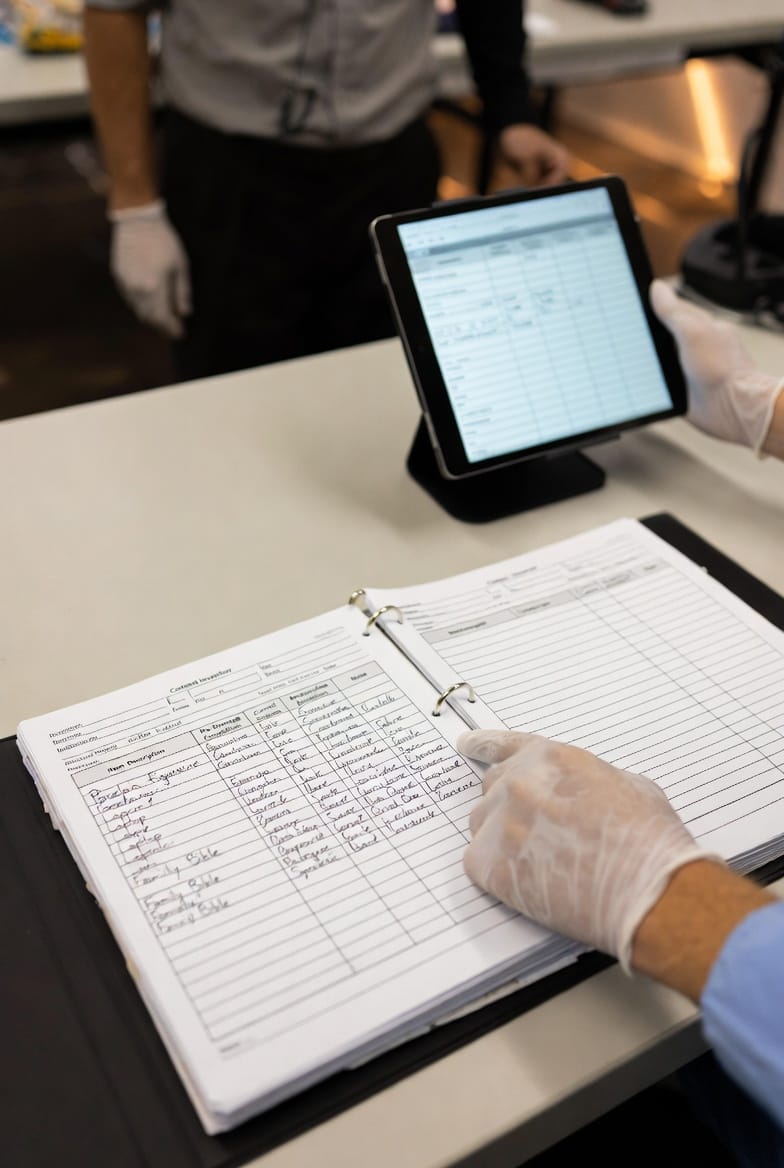
The heart of the operation is the detailed contents inventory — a living document that travels with your belongings from start to finish.
Here is exactly how restorers build it:
- Item-by-item inspection — technicians examine each piece under bright lighting, noting material composition, age, pre-damage condition, and current water exposure level.
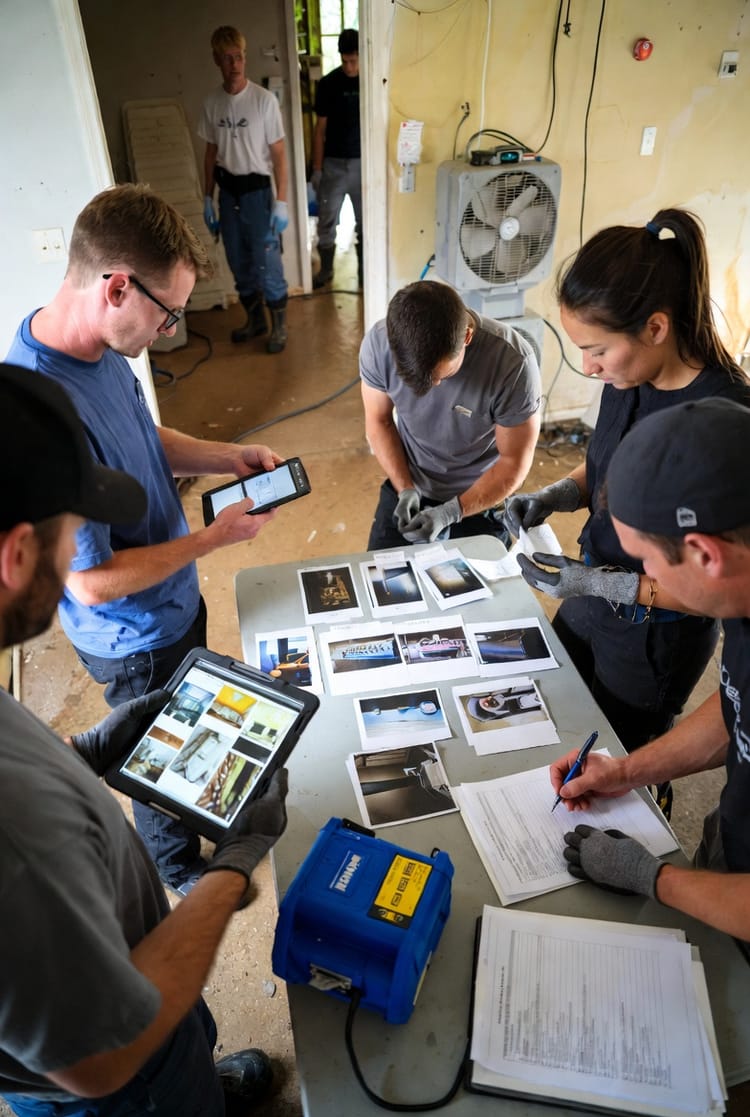
- Digital photography — multiple high-resolution images capture every angle, including serial numbers, maker’s marks, and visible damage.
- Precise description — entries include brand, model, dimensions, estimated replacement value, and special notes (“grandmother’s wedding ring — extremely delicate”).
- Categorization — items are grouped by restoration method: cleanable, dryable, deodorizable, or replacement candidate.
- Barcode or QR labeling — each tote receives a unique identifier linked to the digital inventory for real-time tracking.
This inventory is updated continuously. If an item improves after initial drying, the status changes from “replace” to “restore.” Transparency is absolute — you receive a copy of the master log at every major milestone.
Photography and Documentation: Creating an Ironclad Record
Photography is not an afterthought — it is forensic-level documentation. Restorers use macro lenses for tiny details and wide-angle shots for room context. All images are timestamped, geotagged, and stored in a secure cloud system accessible only to you, your adjuster, and the restoration team.
This visual archive serves multiple purposes:
- Supports accurate insurance settlements.
- Provides a baseline for before-and-after comparisons.
- Helps detect hidden damage that appears days later.
The result? A homeowner who feels fully informed rather than overwhelmed.
The Pack-Out: Moving Your World with Precision
Once inventoried, belongings are gently packed into specialized clean totes designed for controlled environments. Technicians use acid-free tissue, bubble wrap, and foam inserts tailored to item fragility.
Labeling follows a color-coded system:
- Green — ready for immediate cleaning.
- Yellow — requires specialized drying.
- Red — high-value or delicate items needing extra monitoring.
Climate-controlled trucks transport everything to our secure restoration facility. Your possessions never sit in uncontrolled conditions. This professional pack-out service eliminates the risk of further damage during transit — a common pitfall when homeowners attempt DIY moving.
Inside the Restoration Facility: Science Meets Craftsmanship
At the dedicated contents restoration facility, your items enter a controlled ecosystem engineered for recovery.
Specialized Restoration Techniques for Every Item Type
Different materials demand different solutions:
- Paper and photographs undergo freeze-drying to prevent ink bleeding, followed by gentle cleaning and flattening.
- Electronics receive thorough disassembly, circuit-board drying, and testing by certified technicians.
- Furniture and upholstery move through controlled drying chambers that remove moisture without warping wood or shrinking fabric.
- Clothing and textiles are laundered with enzyme-based cleaners, then deodorized using hydroxyl generators that eliminate odors at the molecular level.
- Jewelry and small keepsakes benefit from ultrasonic baths that remove contaminants without abrasion.
Every step is logged in the master inventory. Technicians re-inspect each item against the original photographs to ensure complete restoration.
Decision Time: Restore or Replace?
Not every item can or should be restored. The inventory log clearly shows three possible outcomes:
- Full restoration — returned to pre-loss condition.
- Partial restoration — cleaned and stabilized for continued use.
- Replacement recommendation — with documentation to support your insurance claim.
You retain final approval. We present options with cost comparisons and condition reports so decisions feel empowering, never forced.
Quality Control and the Joyful Return
Before any item leaves the facility, it passes a final multi-point inspection. Air quality testing confirms no residual moisture or odors. Your belongings return in the same labeled totes, now accompanied by a “Certificate of Restoration” for each major piece.
Many homeowners report tears of relief when they open the first tote and see grandmother’s quilt looking brand new or their child’s favorite stuffed animal safely restored. That moment — when chaos becomes order again — is why we do what we do.
Real Results: A Homeowner’s Story
Consider the Thompson family after a burst pipe flooded their finished basement. Over 1,200 items were inventoried in just 48 hours. Sentimental Christmas ornaments, vintage vinyl records, and important tax documents all received individual attention. Within three weeks, 94% of their belongings were returned fully restored. The remaining 6% were replaced through a smooth insurance process. The family later told us, “We didn’t lose our memories — we actually gained confidence in the recovery process.”
The Hidden Benefits of Professional Contents Restoration
Beyond the obvious, professional handling delivers:
- Faster insurance approvals due to impeccable documentation.
- Reduced secondary health risks from mold and bacteria.
- Significant cost savings — restoring is almost always less expensive than replacing.
- Preservation of sentimental value that no receipt can replace.
When you choose certified water damage restoration experts, you are not simply drying a house. You are rescuing a home.
Taking the First Step Toward Recovery
Water damage does not have to mean permanent loss. With a proven contents inventory and restoration system, every belonging receives the attention it deserves. Our team stands ready to transform your chaos into calm, one carefully documented item at a time.
We don’t just dry your home; we rescue your belongings.
Expert Contents Restoration Starts Here – Call Now
Your memories are too important to leave to chance. Let experienced professionals bring them safely back to you — restored, documented, and ready to enjoy once more.