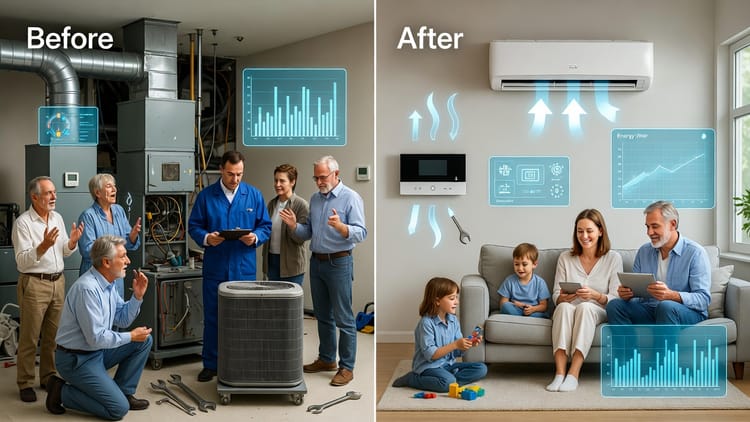
The Condensate Drain Line: The Overlooked Component That Causes Water Damage When Clogged
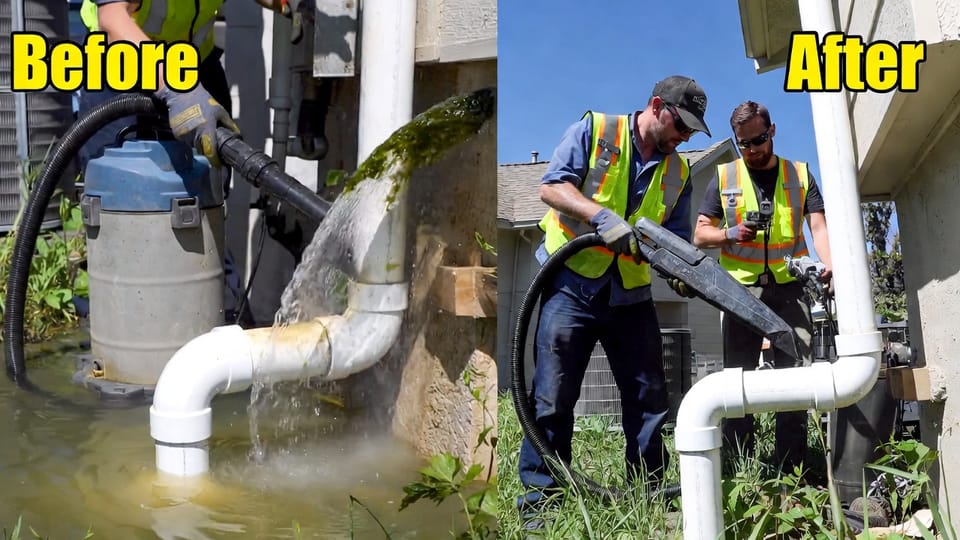
As homeowners, we often focus on the visible parts of our HVAC systems—the thermostat, the vents, or the outdoor unit—while overlooking hidden heroes like the condensate drain line. This unassuming pipe plays a crucial role in keeping your home cool and dry during hot summer months. Yet, when neglected, it can lead to costly water damage that sneaks up unexpectedly. In this comprehensive guide, we'll explore why the condensate drain line is essential, how common maintenance failures allow clogs to form, and the serious consequences of backups. Rest assured, with the right knowledge and proactive steps, you can protect your property from these hidden threats. Whether you're dealing with a central air conditioner or a heat pump, understanding this component empowers you to maintain a reliable cooling system.
Protect Your Home from Condensate Overflow – Call Today
Understanding the Condensate Drain Line's Role
At the heart of your air conditioning system lies the evaporator coil, a key element inside the indoor unit where warm air from your home passes over cold refrigerant coils. As this process occurs, moisture in the air condenses on the coils, much like dew forming on a cold glass of water. This condensation, or condensate, must be efficiently removed to prevent buildup. That's where the condensate drain line comes in.
The drain line is typically a PVC pipe connected to the evaporator coil's drain pan. It channels the collected water away from the unit, usually to an exterior drain, floor drain, or even a dedicated condensate pump in some installations. In humid climates, your AC can produce up to 20 gallons of condensate per day, making this drainage system vital for smooth operation. Without it, excess moisture could freeze on the coils, reduce efficiency, or worse, overflow into your home.
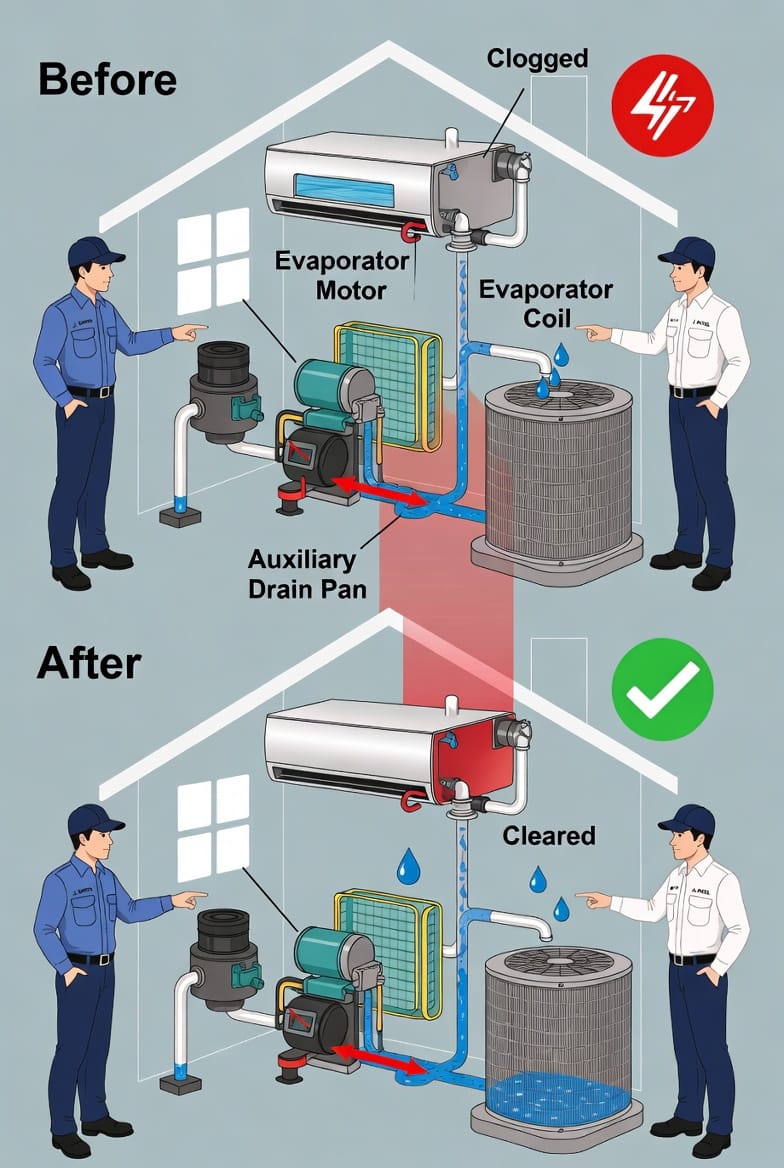
Think of the condensate drain line as your system's silent guardian against humidity-related issues. It's designed with a slight slope to encourage gravity-fed flow, ensuring water exits safely. Many modern systems also include an auxiliary drain pan or secondary line as a backup, often equipped with a float switch that shuts off the unit if primary drainage fails. This redundancy highlights the importance manufacturers place on preventing overflows, yet homeowner oversight often undermines these safeguards.
Regular inspection is key, as even small blockages can disrupt this process. By familiarizing yourself with how the line functions, you're taking the first step toward avoiding common pitfalls. Remember, a well-maintained drain line not only extends your HVAC system's lifespan but also improves indoor air quality by reducing mold-friendly environments.
How Clogs Develop in the Condensate Drain Line
Clogs in the condensate drain line don't happen overnight; they're the result of gradual buildup from environmental factors and lack of maintenance. The warm, moist conditions inside the line create an ideal breeding ground for algae and mold, which are the primary culprits behind blockages.
Algae thrives in the nutrient-rich condensate water, especially if dust, dirt, or debris enters the system through unfiltered air. Over time, these microorganisms form slimy biofilms that adhere to the pipe's interior walls, narrowing the passage and eventually causing complete obstructions. Mold spores, carried in from the air, can exacerbate this by colonizing damp areas, leading to thicker, more resilient clogs.
Other contributors include:
- Dust and debris accumulation: Particles from your home's air settle in the drain pan and get washed into the line, combining with algae to form solid plugs.
- Bacterial growth: In stagnant water, bacteria can produce gelatinous substances that further restrict flow.
- Mineral deposits: Hard water regions may see calcium and other minerals crystallizing inside the pipe, especially if the line isn't flushed regularly.
- Insect intrusions: Small bugs or even spider webs at the exterior termination can block the outlet, causing backups.
These issues are compounded by seasonal factors—higher humidity in summer accelerates growth, while infrequent use in off-seasons allows buildup to harden. A common maintenance failure is skipping routine cleanings, assuming the line is "self-cleaning." In reality, without intervention, clogs can form in as little as a few months, turning a minor oversight into a major problem.
The good news? These clogs are entirely preventable with simple habits. By addressing them early, you avoid the cascade of issues that follow a blockage. As HVAC professionals, we've seen countless cases where proactive care could have saved thousands in repairs.
Recognizing the Signs of a Clogged Drain Line
Early detection is your best defense against condensate drain line clogs. Ignoring subtle warnings can lead to escalation, but knowing what to look for keeps you ahead.
Common indicators include:
- Water leaks around the indoor unit: Puddles or damp spots near the furnace or air handler suggest overflow from the drain pan.
- Musty odors: A foul smell from vents often signals mold growth in the clogged line or pan.
- Reduced cooling efficiency: If your AC runs longer without cooling effectively, frozen coils due to poor drainage might be the issue.
- System shutdowns: Units with float switches will automatically turn off to prevent flooding, alerting you via error codes or ceased operation.
- Visible algae or slime: Inspecting the drain line's access point may reveal greenish or blackish buildup.
- Gurgling sounds: Air bubbles in a partially blocked line can produce unusual noises during operation.
If you notice any of these, act promptly. A quick visual check or simple test—pouring water into the drain pan and observing flow—can confirm suspicions. Don't panic; these signs are opportunities to intervene before damage occurs. Regular monitoring, especially during peak cooling seasons, ensures your system remains reliable.
The Devastating Effects of Water Backups and Overflows
When a clogged condensate drain line goes unaddressed, the consequences can be severe, leading to extensive water damage that affects your home's structure and contents. As water backs up, it first overflows the primary drain pan, spilling into the auxiliary pan if present. Without a functioning float switch, this excess can cascade onto floors, ceilings, or walls.
The damage spectrum includes:
- Structural harm: Water seeping into drywall, insulation, or wood framing causes warping, rot, and weakening, potentially requiring costly renovations.
- Mold and mildew proliferation: Damp areas foster toxic mold growth, posing health risks like respiratory issues and allergies.
- Electrical hazards: Overflow near wiring or components can short-circuit the system, leading to fires or expensive repairs.
- Flooring and furniture ruin: Carpets, hardwood floors, and nearby items absorb water, resulting in stains, buckling, or irreversible damage.
- Increased utility bills: A struggling system works harder, spiking energy costs while providing subpar cooling.
- System failure: Repeated overflows can corrode coils or other parts, shortening your HVAC's lifespan and necessitating premature replacement.
Real-world examples abound: A small clog in a Texas home led to ceiling collapse, costing over $5,000 in fixes. In Florida's humid environment, unchecked algae caused widespread mold, forcing evacuations. These aren't rare; they're common outcomes of neglected maintenance. However, by prioritizing drain line care, you safeguard your investment. Our team has helped countless clients recover from such incidents, proving that timely action restores peace of mind.
Beyond immediate damage, overflows can void warranties if negligence is proven. Insurance claims may be denied if maintenance records are lacking, adding financial strain. The ripple effects—disrupted daily life, health concerns, and repair downtime—underscore why this "overlooked component" demands attention.
Prevention Strategies: Keeping Your Drain Line Clear
Prevention is straightforward and far less costly than repairs. Adopting a routine maintenance plan minimizes clog risks and ensures longevity.
Essential tips:
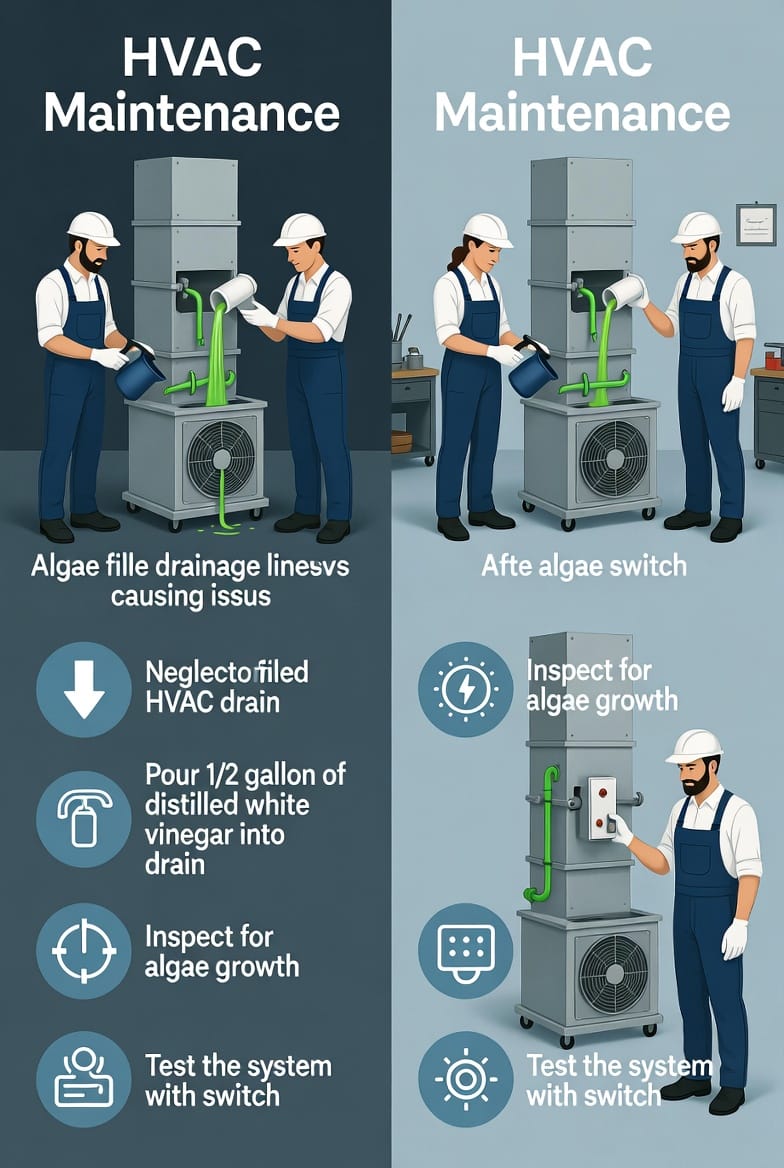
- Quarterly flushes: Pour a mixture of white vinegar and water down the line to kill algae and dissolve buildup—safe, effective, and eco-friendly.
- Filter changes: Replace air filters every 1-3 months to reduce dust entering the system.
- Professional inspections: Annual HVAC tune-ups include drain line checks, often using compressed air or specialized cleaners.
- Algaecide tablets: Place these in the drain pan for ongoing protection against microbial growth.
- Exterior maintenance: Keep the outdoor termination clear of leaves, dirt, or pests.
- Float switch testing: If equipped, simulate a backup to verify the shut-off mechanism works.
- Humidistat monitoring: In high-humidity areas, use devices to control indoor moisture levels.
For DIY enthusiasts, start with accessible points like the T-shaped vent cap on the line—remove it, inspect, and clean as needed. Tools like a wet/dry vacuum or drain snake make this manageable. If you're uncomfortable, professional services provide thorough results without risk.
Incorporating these habits transforms potential disasters into non-issues. We've guided many homeowners through this process, watching their systems thrive year after year.
When to Call in the Experts
While DIY methods are helpful, some situations demand professional expertise. If clogs persist despite your efforts, or if you suspect deeper issues like pipe damage, it's time to seek help. Technicians use advanced tools—cameras for internal inspections, high-pressure flushes, or even line replacements—to resolve problems efficiently.
Signs warranting a call:
- Recurring leaks despite cleaning.
- Unusual system noises or performance drops.
- Visible damage to the line or pan.
- Post-flood recovery needs.
Choosing a reputable service ensures quality work. Look for certified technicians with positive reviews and transparent pricing. Regular contracts can include priority service, discounts, and peace-of-mind guarantees.
In our experience, early intervention prevents escalation. Clients who schedule routine checks report fewer emergencies and lower long-term costs.
Advanced Considerations for Modern Systems
Today's HVAC innovations offer enhanced protection. Smart sensors detect moisture anomalies and alert via apps, while antimicrobial coatings on lines resist algae. Upgrading to these can be worthwhile in prone areas.
For heat pumps, which operate year-round, maintenance is even more critical. Winter condensate can freeze lines if not properly insulated, leading to unique clogs.
Energy efficiency ties in too—clogged lines force systems to overwork, increasing carbon footprints. Sustainable practices, like using natural cleaners, align with eco-conscious living.
Case studies illustrate success: A commercial building avoided shutdown by implementing quarterly protocols, saving on downtime. Homeowners in coastal regions, battling salt-induced corrosion, benefit from specialized treatments.
Long-Term Benefits of Proactive Maintenance
Investing time in your condensate drain line yields dividends. Reduced repair bills, extended equipment life, and improved comfort create a win-win. Healthier indoor air minimizes allergens, benefiting families.
Community awareness helps too—share this knowledge with neighbors to foster collective vigilance.
As we wrap up, remember: Knowledge is power. By addressing this overlooked component, you're fortifying your home against unseen dangers.
Keep Mold & Flooding Out – Call for Drain Line Service