The Concrete Driveway Replacement: Timing, Preparation, and Design Considerations for Long Life
Your home's driveway is more than just a path to your garage—it's a major investment that enhances curb appeal, provides safe access, and withstands daily wear from vehicles, weather, and time. As a homeowner, deciding on concrete driveway replacement can feel daunting, but with the right knowledge, it becomes a straightforward choice for long-term value. In this comprehensive guide, we'll walk you through when replacement is truly necessary (versus simple repairs), essential preparation steps like compacted subbase and reinforcement, strategic control joint placement, and proper curing techniques to ensure your new driveway lasts for decades. Rest assured, investing wisely now means fewer headaches later. Let's dive in.
Build a Driveway That Lasts – Call for Consultation
Understanding When Replacement Is Needed
Not every crack or imperfection signals the end for your driveway. Distinguishing between repairable damage and the need for full concrete driveway replacement is crucial to avoid unnecessary costs. Minor issues, such as small surface cracks or isolated spalling (where the top layer flakes off due to freeze-thaw cycles), can often be addressed with resurfacing or patching. These fixes are quick, cost-effective, and can extend the life of an otherwise sound slab.
However, certain signs indicate that repairs won't suffice, and a complete replacement is the smarter, more durable option:
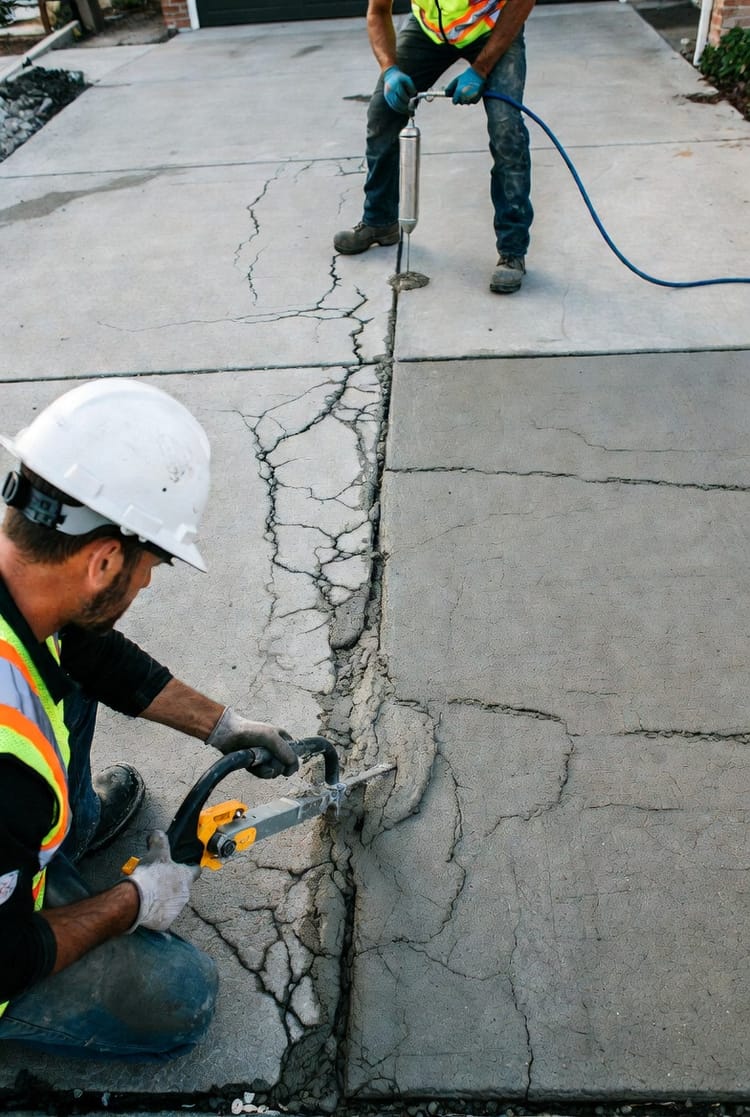
- Extensive Cracking: If cracks are widespread, deep (penetrating more than halfway through the slab), or forming a web-like pattern, the structural integrity is compromised. This often stems from poor initial installation or soil settlement over time.
- Uneven Settlement or Heaving: Driveways that sink in sections or bulge upward due to expansive soils, tree roots, or inadequate base preparation require removal and rebuilding to prevent recurring problems.
- Severe Surface Deterioration: Pitting, scaling, or crumbling across large areas signals that the concrete has degraded beyond repair, especially in regions with harsh winters where de-icing salts accelerate damage.
- Age and Wear: Most concrete driveways last 20-30 years with proper care. If yours is approaching or exceeding this age and showing multiple issues, replacement ensures safety and aesthetics.
By recognizing these red flags early, you can plan proactively. A professional inspection can confirm the best path forward, potentially saving you from escalating repair bills. Remember, a well-executed replacement isn't just a fix—it's an upgrade that boosts your property's value.
Preparing the Base: The Foundation of Durability
The secret to a long-lasting concrete driveway lies beneath the surface. Proper base preparation is non-negotiable, as it prevents common failures like cracking and sinking. Skipping this step is a major risk, leading to premature deterioration and costly do-overs.
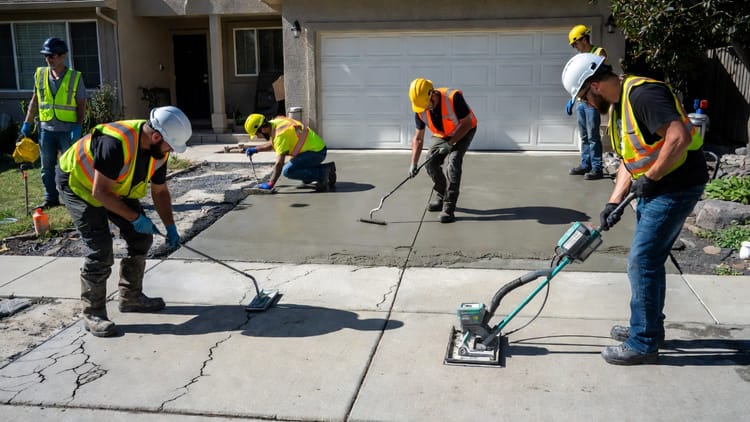
Start with excavation: Remove the old driveway and any unstable soil to a depth of at least 4-6 inches, depending on your local climate and soil type. Then, focus on these key elements:
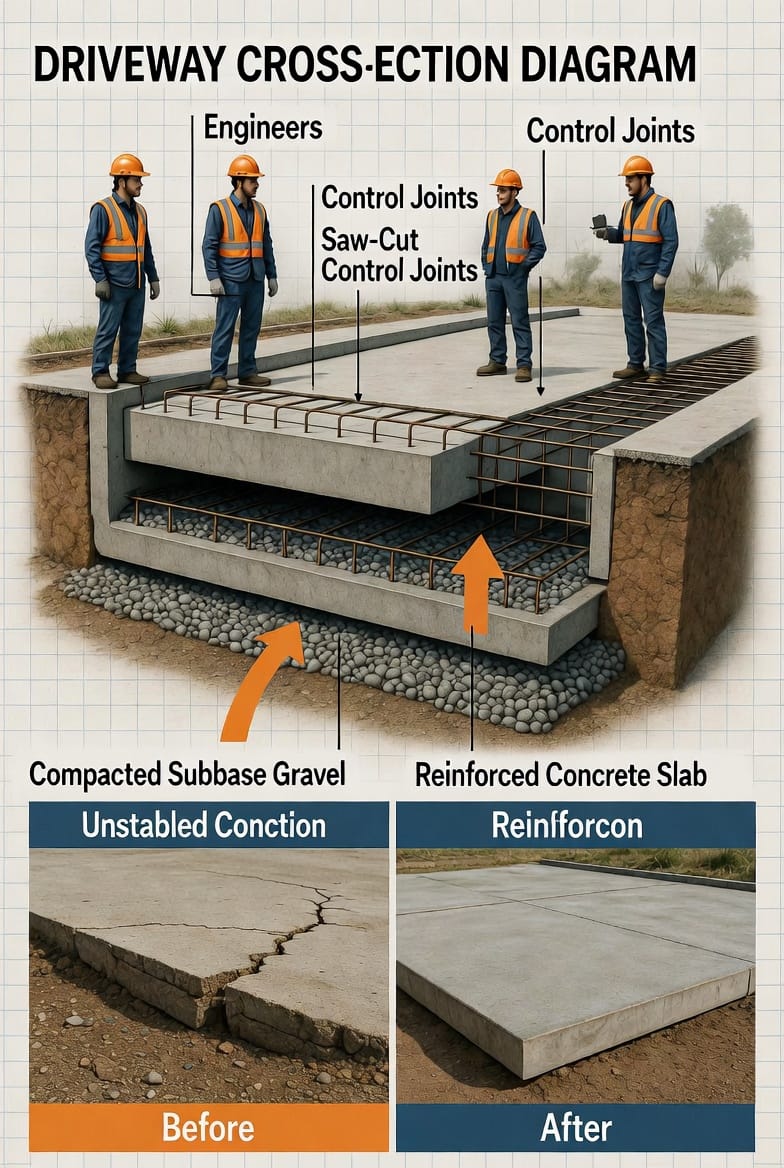
- Compacted Subbase: Layer in a granular material like crushed stone or gravel to create a stable, well-draining foundation. Compact it in lifts (layers) using heavy equipment to achieve 95-98% density. This step minimizes voids that could lead to settlement.
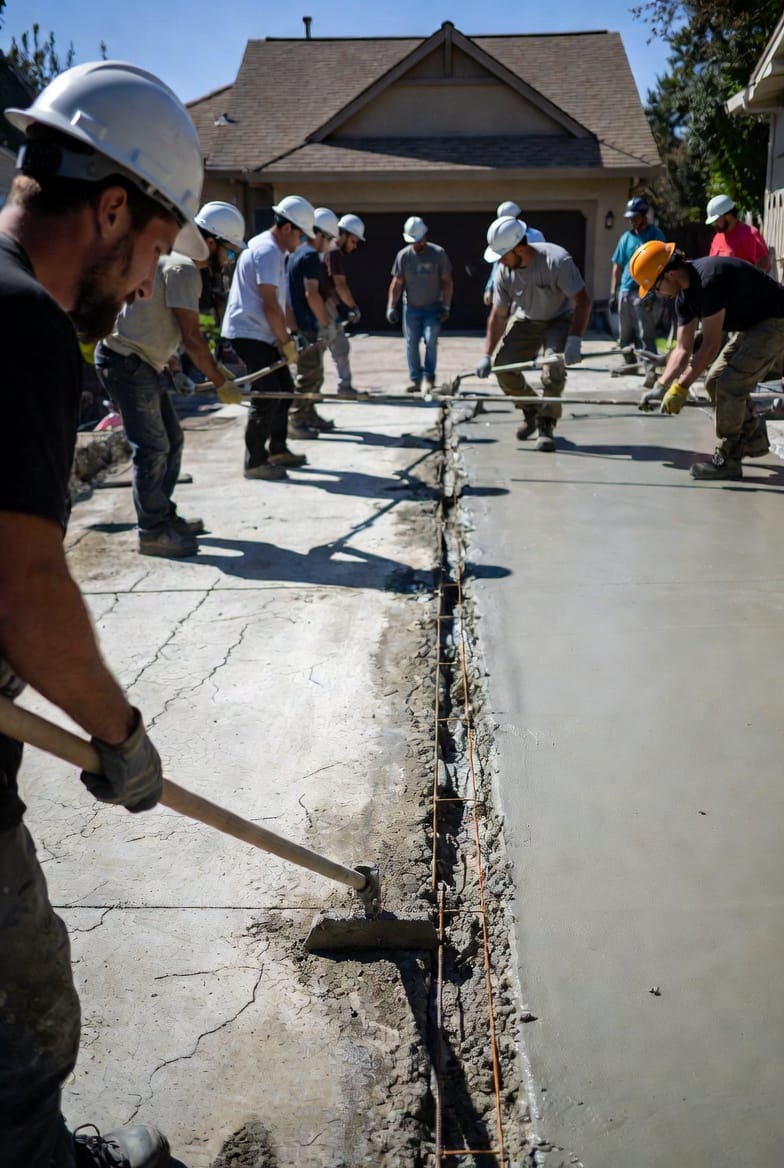
- Reinforcement Options: Incorporate rebar or wire mesh to add tensile strength. Rebar (steel rods) is ideal for high-traffic areas or regions prone to ground movement, placed in a grid pattern before pouring. Wire mesh provides uniform support and helps control minor cracks.
- Drainage Considerations: Slope the subbase slightly (about 1/4 inch per foot) away from your home to direct water runoff, preventing pooling that could erode the base or cause ice buildup.
Investing time in a solid base might add to upfront costs, but it's the bedrock—literally—of a driveway that endures heavy loads and environmental stresses for 30+ years.
Strategic Control Joint Placement for Crack Prevention
Cracks are inevitable in concrete due to shrinkage during curing and temperature fluctuations, but smart design turns them into controlled features rather than random failures. Control joints are deliberate grooves or cuts that guide where cracks occur, preserving the driveway's appearance and functionality.
Here's how to get it right:
- Timing and Spacing: Place joints every 8-12 feet for a standard 4-inch thick slab, or closer in thicker pours. They should be cut or tooled to a depth of at least 1/4 the slab's thickness—typically within 24 hours of pouring to catch early shrinkage.
- Placement Strategy: Align joints with natural breaks, like where the driveway meets the garage or sidewalk. Use a grid pattern for larger areas to distribute stress evenly.
- Joint Types: Saw-cut joints offer clean lines and are less prone to chipping, while tooled joints (created with a groover during finishing) provide a more seamless look.
Neglecting proper jointing is a common pitfall that leads to unsightly, uncontrolled cracks. With expert planning, your driveway maintains its smooth, professional finish year after year.
Curing Requirements: Ensuring Strength and Longevity
Curing isn't an afterthought—it's the process that locks in your driveway's strength. Fresh concrete needs time to hydrate fully, developing the dense matrix that resists wear, weathering, and chemicals. Rushing this phase invites weak spots and reduced lifespan.
Follow these best practices for optimal results:
- Moisture Retention: Apply a curing compound (a liquid membrane) immediately after finishing to seal in water. Alternatively, use wet burlap or plastic sheeting for 7-14 days, keeping the surface damp.
- Temperature Control: In hot weather, cure under shade to prevent rapid evaporation; in cold, use insulating blankets to avoid freezing. Ideal curing temperatures are 50-70°F.
- Duration: Full curing takes 28 days for maximum strength, but light foot traffic is possible after 24-48 hours, and vehicles after 7-10 days.
Proper curing can double your driveway's durability, making it resilient against everything from tire marks to salt exposure. Patience here pays off in decades of reliable performance.
Design Considerations: Enhancing Aesthetics and Functionality
Beyond basics, your concrete driveway replacement is an opportunity to customize for style and practicality. Modern options blend beauty with resilience, ensuring your investment complements your home.
Explore these popular choices:
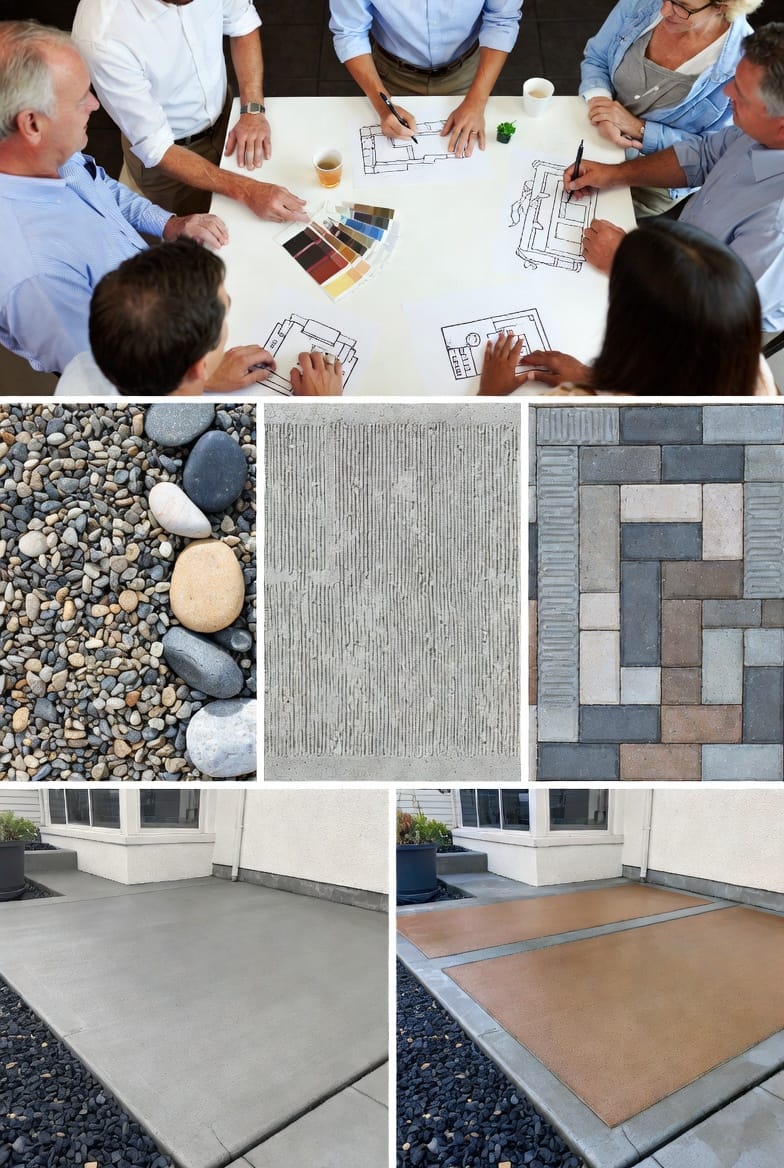
- Exposed Aggregate: Reveals embedded pebbles or stones for a textured, natural look that's slip-resistant and low-maintenance.
- Broom Finish: A simple, brushed surface provides traction without sacrificing smoothness—ideal for wet climates.
- Stamped Borders: Add decorative edges with patterns like cobblestone or slate, framing the driveway for visual interest.
- Colored Concrete: Integral pigments or stains create hues from subtle grays to bold terracottas, matching your home's exterior.
Factor in your lifestyle: Opt for thicker slabs (5-6 inches) for heavier vehicles, or add radiant heating for snow-prone areas. These designs not only elevate curb appeal but also increase property value, proving that functionality and flair go hand-in-hand.
Maintenance Tips for Decades of Service
To maximize your new driveway's life, adopt a proactive maintenance routine. Seal the surface every 2-3 years to protect against stains and moisture penetration. Promptly remove oil spills or debris, and avoid harsh de-icers—opt for sand or CMA (calcium magnesium acetate) instead.
Regular inspections catch minor issues early, and gentle pressure washing keeps it looking fresh. With these habits, your driveway will serve faithfully for 30-50 years.
In conclusion, concrete driveway replacement is a worthwhile investment when timed right, prepared meticulously, and designed thoughtfully. It transforms a potential liability into a reliable asset, enhancing your home's safety and appeal.
Get Your Durable Driveway Started – Call Today!