The Concrete Crack Injection: Using Epoxy and Polyurethane to Restore Structural Integrity from the Inside
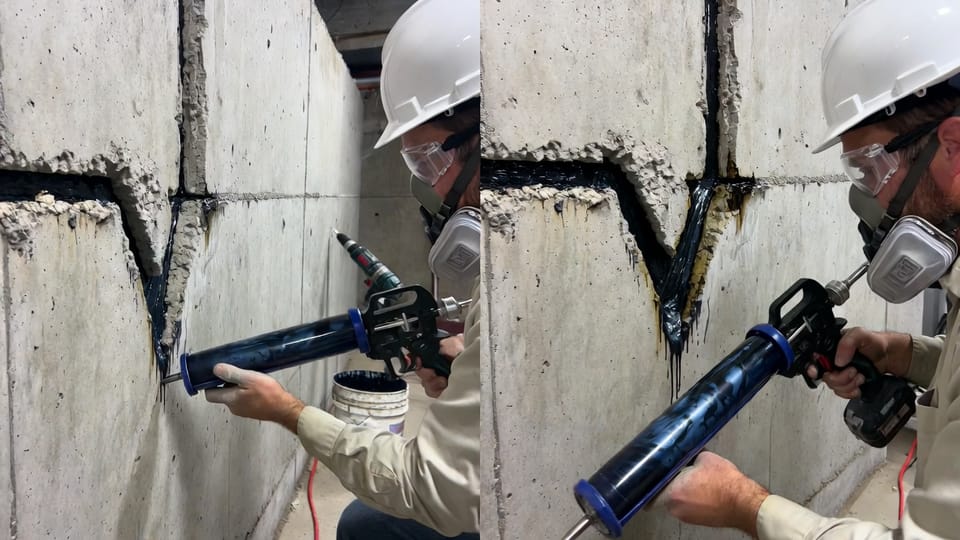
Concrete structures are the backbone of modern buildings, from residential foundations to commercial infrastructures. Yet, over time, cracks can emerge due to factors like settling soil, temperature fluctuations, or water infiltration. Ignoring these issues can lead to costly damages, but there's a high-tech solution: concrete crack injection. This method uses advanced resins like epoxy and polyurethane to repair cracks from the inside, restoring structural integrity without invasive demolition. In this guide, we'll explore how epoxy injection suits static structural cracks in foundations, while polyurethane injection excels at sealing active leaks. We'll also detail the pressure-injection process that ensures complete crack filling, empowering you to make informed decisions for your property.
Seal Cracks from the Inside – Contact Us Today
As a homeowner or property manager, discovering a crack in your concrete can be alarming. Rest assured, with professional crack injection services, these issues can be addressed efficiently and durably. This technique isn't just a patch—it's a restoration that bonds the concrete back to its original strength. Let's dive into the essentials of this innovative repair method.
Understanding Concrete Cracks: Causes and Risks
Cracks in concrete aren't always a sign of impending disaster, but they demand attention. Common causes include:
- Foundation Settlement: Soil shifts beneath the structure, creating tension cracks.
- Thermal Expansion and Contraction: Temperature changes cause the concrete to expand and shrink, leading to hairline fissures.
- Water Damage: Hydrostatic pressure from groundwater can widen cracks and cause leaks.
- Poor Construction Practices: Inadequate mixing or curing during initial pours.
The risks? Untreated cracks can compromise structural stability, allow water ingress leading to mold, or even erode the foundation over time. According to industry standards from the American Concrete Institute (ACI), early intervention with methods like crack injection prevents escalation. It's reassuring to know that modern techniques can halt these problems at their source, avoiding the need for full replacements that could cost thousands.
The Science Behind High-Tech Crack Injection
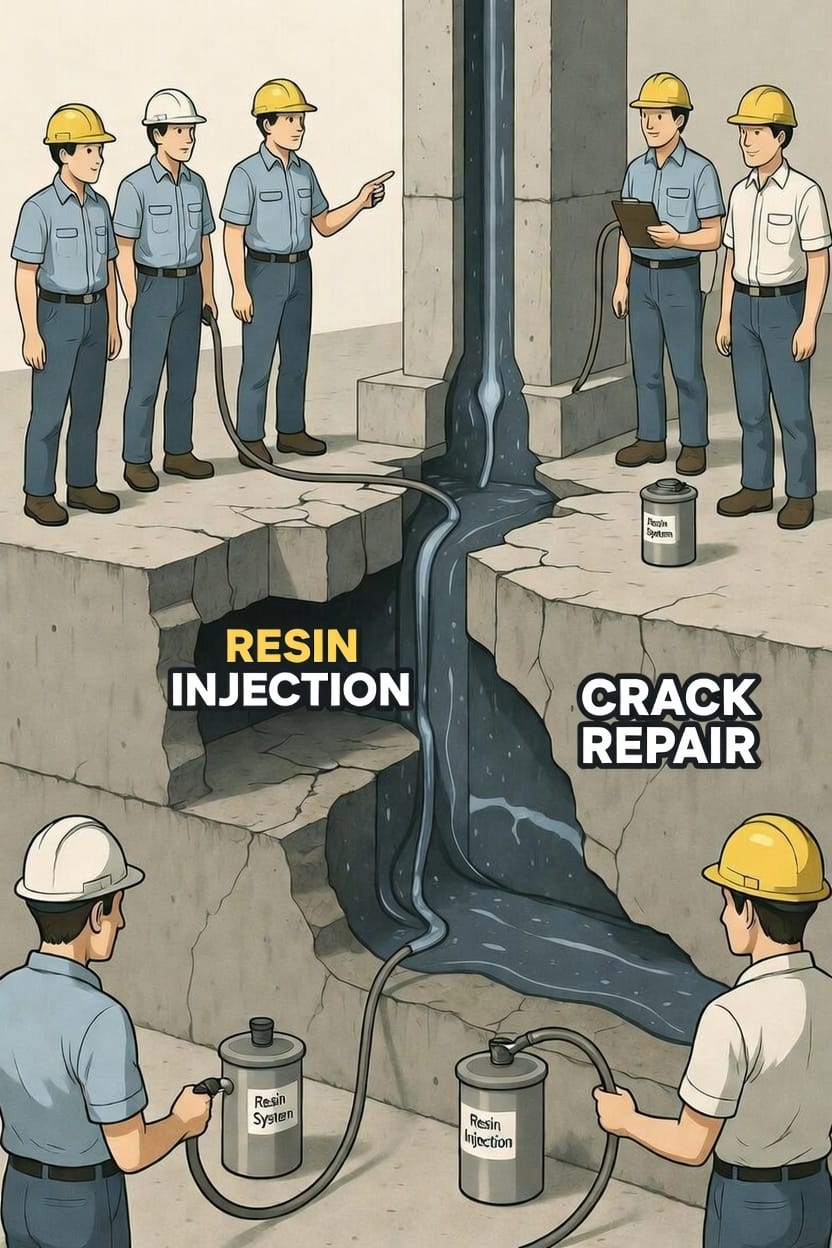
At its core, concrete crack injection involves injecting specialized resins under pressure into the crack void. This high-tech approach uses low-viscosity materials that penetrate deeply, filling the entire depth and width for a seamless bond. Unlike surface sealants, which merely cover the problem, injection restores the concrete's monolithic nature.
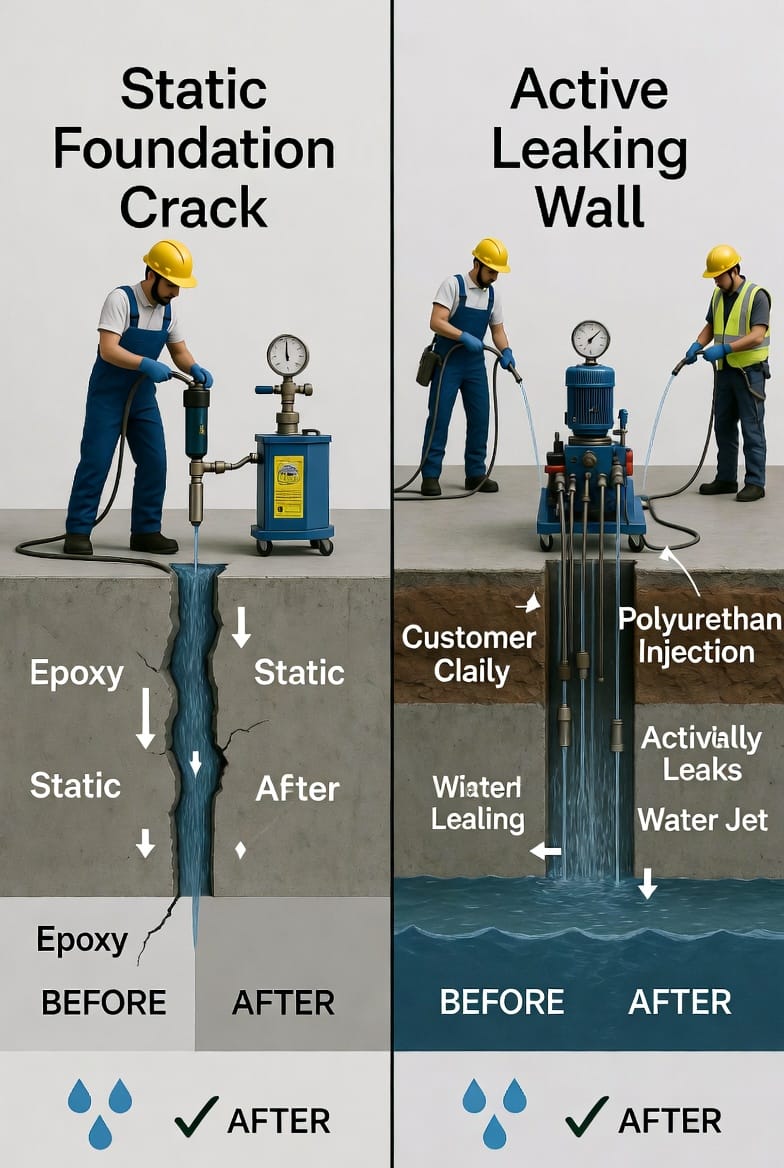
Two primary resins dominate this field: rigid epoxy and flexible polyurethane. Their differences lie in composition, application, and performance. Epoxy is a two-part thermosetting polymer that hardens into a strong, inflexible matrix—ideal for non-moving cracks. Polyurethane, often hydrophilic or hydrophobic, reacts with moisture to expand and form a flexible seal, perfect for dynamic environments.
This technology has evolved with advancements in material science, allowing for precise control over viscosity and cure times. Professionals use equipment like high-pressure pumps to ensure the resin reaches every crevice, often verified with ultrasonic testing post-injection.
Epoxy Injection: Restoring Strength to Structural Cracks
For structural cracks in foundations—those that are static and don't actively move—epoxy injection is the gold standard. This rigid resin bonds the fractured concrete faces, effectively welding them together.
Why choose epoxy? Its high compressive strength (often exceeding 10,000 psi) matches or surpasses that of the surrounding concrete. Once cured, it prevents further crack propagation, maintaining load-bearing capacity.
The process begins with surface preparation: cleaning the crack and creating a V-groove for better access. Injection ports are installed along the crack length, spaced every 6-12 inches. The epoxy is mixed on-site and pumped in at low pressure initially, increasing as needed to fill voids.
Case studies from engineering firms show that epoxy-injected foundations can last decades without recurrence. For instance, in seismic-prone areas, this method enhances shear resistance, providing peace of mind against future stresses.
Polyurethane Injection: Sealing Active Leaks with Flexibility
In contrast, when dealing with actively leaking cracks—those with ongoing water flow—flexible polyurethane shines. This resin expands upon contact with moisture, creating a watertight barrier that accommodates minor movements.
Polyurethane comes in single-component or dual-component forms. Hydrophilic versions absorb water to foam up to 20 times their volume, ideal for high-moisture scenarios. Hydrophobic types repel water, curing into a dense, rubber-like seal.
Applications include basement walls, tunnels, and reservoirs where leaks persist. The injection mimics epoxy's steps but uses faster-setting materials to combat active flow. Professionals often drill intersecting holes to intersect the crack plane, ensuring comprehensive filling.
The flexibility of polyurethane prevents re-cracking in dynamic conditions, such as those caused by seasonal soil changes. Industry reports from the International Concrete Repair Institute (ICRI) highlight its success rate in stopping leaks permanently, often in just one treatment.
The Pressure-Injection Process: Step-by-Step Guide
Executing concrete crack injection requires precision and expertise. Here's a detailed breakdown:
- Assessment: A structural engineer evaluates the crack type, width (typically 0.002-0.25 inches for injection viability), and cause. Non-destructive testing like ground-penetrating radar identifies hidden voids.
- Preparation: Clean the crack with wire brushes or high-pressure water. For wider cracks, install surface seals to contain the resin.
- Port Installation: Drill holes and insert packers (injection ports) at strategic intervals. Seal the crack surface with epoxy paste to prevent resin escape.
- Material Selection: Choose epoxy for dry, structural repairs or polyurethane for wet, flexible needs. Mix according to manufacturer specs.
- Injection: Start from the lowest port, pumping resin under controlled pressure (20-100 psi). Monitor for resin emergence at adjacent ports, indicating full penetration. For polyurethane, allow expansion time.
- Cleanup and Verification: Remove ports, grind flush, and test for leaks or strength using pull-off tests.
- Curing: Epoxy takes 24-48 hours to fully harden; polyurethane sets in minutes.
This high-tech process minimizes downtime, often completing in a single day for small jobs. Safety measures include PPE and ventilation, ensuring a secure environment.
Benefits of Choosing Crack Injection Over Traditional Repairs
Opting for epoxy or polyurethane injection offers numerous advantages:
- Cost-Effectiveness: Avoids excavation or replacement, saving 50-70% compared to traditional methods.
- Minimal Disruption: No need to remove finishes or relocate occupants.
- Long-Term Durability: Resins resist chemicals, UV, and further cracking.
- Environmental Friendliness: Low-waste process with eco-formulated materials.
- Aesthetic Preservation: Repairs are invisible after surface finishing.
Homeowners report restored property values and reduced insurance risks post-injection. In commercial settings, it ensures compliance with building codes, preventing operational halts.
When to Seek Professional Help: Signs and Solutions
Not all cracks need injection—hairline surface ones might be cosmetic. However, consult experts if you notice:
- Cracks wider than 1/8 inch.
- Horizontal or diagonal patterns indicating structural issues.
- Water seepage or efflorescence (white mineral deposits).
- Uneven floors or sticking doors.
Professional services use certified materials from brands like BASF or Sika, backed by warranties. DIY kits exist but lack the pressure equipment for deep penetration, risking incomplete repairs.
Conclusion: Secure Your Structure Today
In summary, concrete crack injection with epoxy and polyurethane represents the pinnacle of high-tech repair, addressing cracks from the inside for true restoration. Whether reinforcing static foundations or sealing active leaks, this method ensures lasting structural integrity. Remember, repair cracks—don't just cover them.
Restore & Waterproof Your Concrete – Contact Us Today