The Chestnut Flooring: Historic Beauty from a Nearly Lost Species
In the world of premium hardwood flooring, few options carry the depth of history, character, and quiet luxury that reclaimed chestnut flooring delivers. This rare wood tells a story of survival against near extinction, offering homeowners a chance to bring authentic American heritage into their living spaces. Whether you are restoring a century-old property or seeking a standout feature in a new build, chestnut flooring stands apart as both a sustainable choice and a design statement that never goes out of style.
Bring Historic Chestnut Beauty to Your Floors – Call Now!
At its core, American chestnut represents a chapter of resilience in our nation’s natural history. Once dominating eastern forests, this majestic species faced a devastating threat that nearly wiped it from the landscape. Today, the only available supply comes from carefully salvaged timbers—making every square foot of wormy chestnut a genuine piece of living history.
The Tragic Tale of the American Chestnut Tree
The American chestnut (Castanea dentata) once thrived across millions of acres, its towering presence shaping ecosystems and communities alike. By the early 20th century, however, a fungal blight introduced from overseas began its relentless spread. Within decades, the blight had killed an estimated 3 to 4 billion trees, leaving behind ghostly stands of deadwood that still dot the countryside.
This near-eradication created a unique opportunity for today’s flooring market. The fallen giants and dismantled structures from that era—old barns, factories, homes, and warehouses—now provide the raw material for salvaged chestnut flooring. Every plank carries the scars of time, yet these imperfections are precisely what make the wood so desirable.
Property owners and restoration specialists who choose reclaimed chestnut are not simply selecting a floor—they are participating in a larger story of preservation. By giving new life to these timbers, you help prevent further loss of this irreplaceable resource while adding unmatched authenticity to your home.
What Makes Wormy Chestnut So Special?
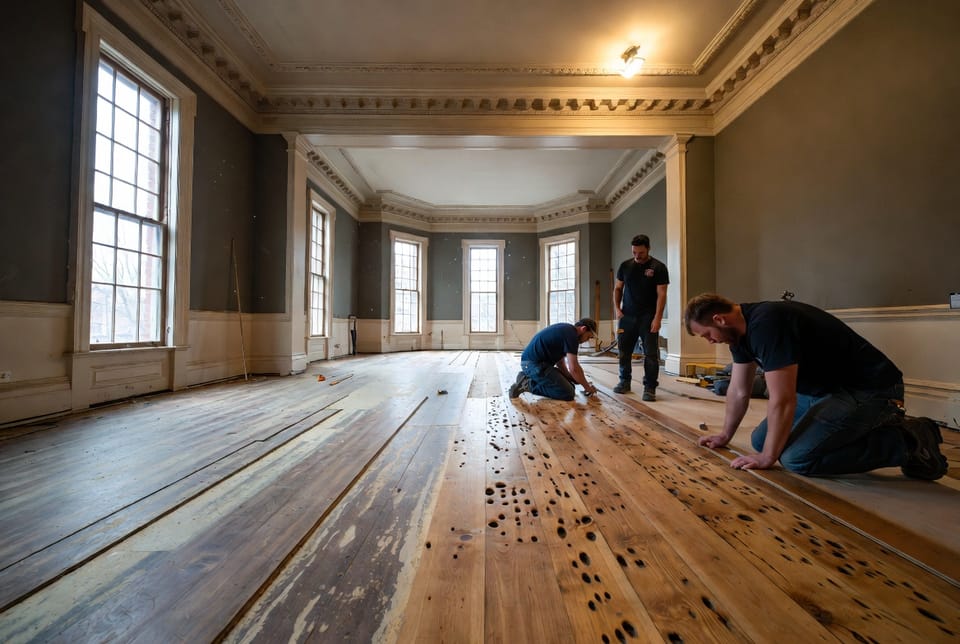
The term wormy chestnut often surprises first-time buyers, yet the characteristic “worm holes” are not defects—they are badges of honor. These small, round voids were created by native insects long before the blight arrived, and they contribute to the wood’s distinctive aesthetic. When properly milled and finished, the holes create a subtle, textured surface that catches light beautifully and adds tactile interest underfoot.
Key characteristics of reclaimed chestnut flooring include:
- Rich color palette ranging from warm honey and amber to deeper chocolate tones with natural streaking
- Dramatic grain patterns that swirl and twist, far more varied than uniform modern hardwoods
- Natural patina that deepens over time, developing a soft glow that only age can produce
- Unique worm-hole detailing that provides organic texture without compromising structural integrity when professionally installed
These traits make chestnut flooring instantly recognizable and impossible to replicate with plantation-grown or engineered alternatives. The wood’s natural oils also contribute to a subtle resistance to moisture, helping it perform reliably in both historic and contemporary environments.
Durability Meets Delicacy: Understanding Janka Hardness
One of the most frequently asked questions about American chestnut concerns its Janka hardness rating of 540. For context, this places the species on the softer side of the hardwood spectrum—noticeably gentler than red oak (1290) or maple (1450). Yet this lower rating does not diminish its suitability for flooring.
In fact, the moderate hardness of wormy chestnut is one of its quiet advantages. It offers a warmer, more forgiving feel under bare feet compared to denser woods that can feel cold or unforgiving. When properly installed over a stable subfloor and maintained with standard care routines, reclaimed chestnut flooring delivers decades of reliable service. Professional installers know exactly how to account for its properties, ensuring your investment remains beautiful for generations.
Homeowners often discover that the slight softness translates into reduced noise and a more comfortable walking experience—qualities that make chestnut especially appealing in family homes, libraries, and gathering spaces where comfort matters as much as appearance.
Historic Restoration Applications: Bringing the Past to Life
Chestnut flooring has earned its place in some of America’s most significant restoration projects. From 19th-century estates and federal-period homes to adaptive reuse of industrial buildings, this wood helps architects and designers honor original materials while meeting modern expectations for durability and beauty.
In historic districts, building codes and preservation guidelines frequently favor reclaimed materials. Using salvaged chestnut satisfies these requirements while delivering a seamless match to existing elements. The wood’s natural variations ensure that new sections blend effortlessly with any original flooring that may remain.
Beyond formal restorations, homeowners across the country are choosing wormy chestnut to create personal connections to the past. A modern farmhouse kitchen gains instant soul with chestnut floors. A contemporary loft feels grounded and timeless when anchored by these historic planks. The possibilities are as limitless as your vision.
Salvaging the Past: How Reclaimed Chestnut Flooring Is Sourced
Every plank of reclaimed chestnut flooring begins its second life through meticulous sourcing. Experienced salvagers locate and responsibly dismantle structures built before the blight’s peak impact. Timbers are then transported to specialized mills where they are de-nailed, graded, and precision-milled into flooring profiles.
This process is far more labor-intensive than harvesting new lumber, yet it yields a product that is genuinely irreplaceable. The result is flooring that is not only eco-friendly but also carries documented provenance—something modern woods simply cannot offer.
By choosing salvaged chestnut, you participate in a circular economy that reduces demand for new timber harvesting while preserving architectural heritage. It is a decision that aligns beauty, sustainability, and stewardship in one elegant package.
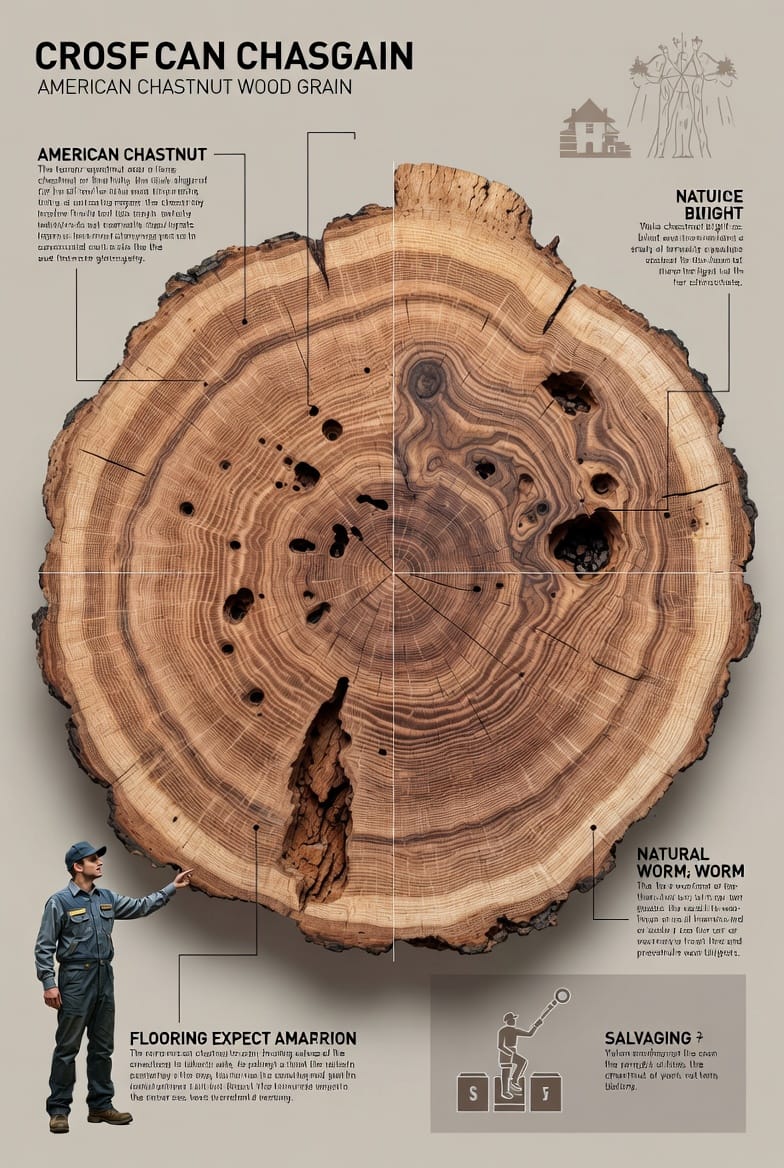
Unique Appearance and Design Versatility
The visual appeal of chestnut flooring extends far beyond its worm-hole character. Subtle medullary rays catch light at different angles, creating a shimmering effect that changes throughout the day. Knots and mineral streaks add organic movement that prevents the floor from ever looking flat or monotonous.
Designers appreciate how reclaimed chestnut complements both traditional and modern palettes:
- Pairs effortlessly with antique furnishings and period millwork
- Provides striking contrast against clean-lined contemporary cabinetry
- Enhances neutral color schemes with its warm undertones
- Accepts a wide range of finishes, from matte oils that highlight texture to satin lacquers that emphasize depth
Whether you prefer wide-plank installations or more traditional narrow boards, wormy chestnut adapts beautifully to your aesthetic goals.
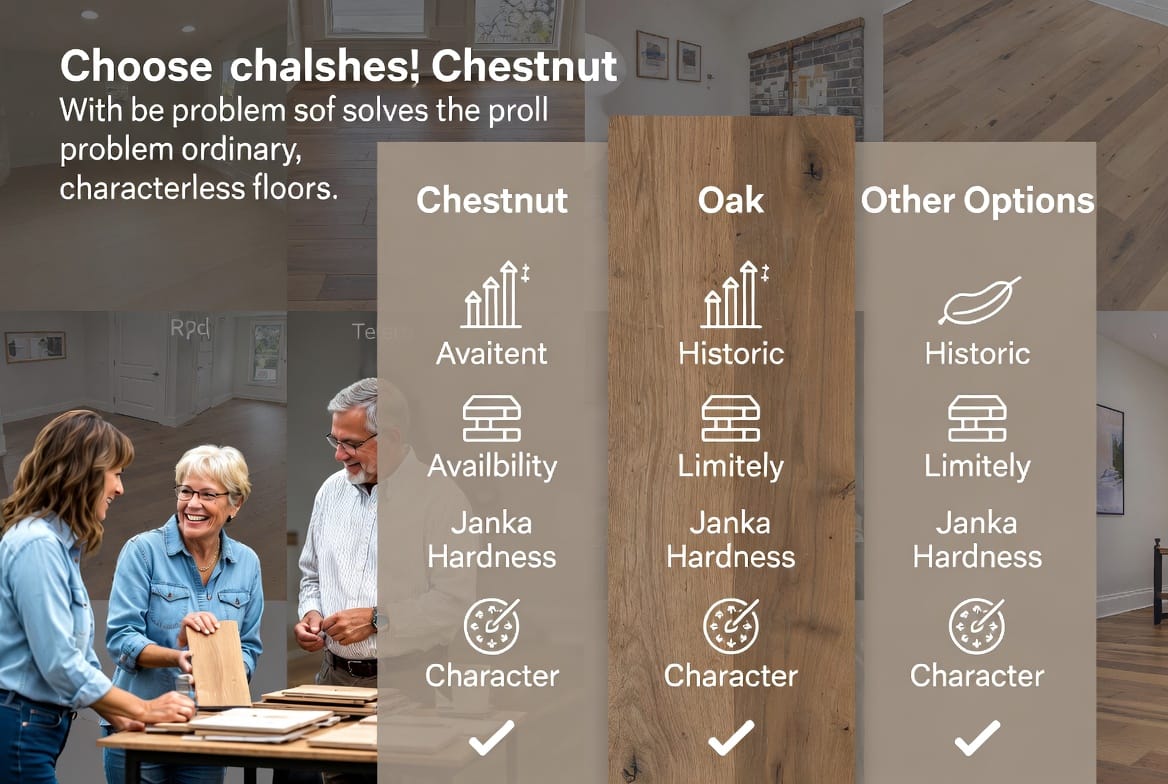
Chestnut Flooring vs. Traditional Hardwoods: Making an Informed Choice
When comparing reclaimed chestnut with more common options, the differences become clear. Oak remains a reliable workhorse, yet it lacks the storied background and distinctive character marks. Reclaimed pine offers softness and age but cannot match chestnut’s rich color or hardness balance.
Installing and Maintaining Your Chestnut Flooring
Professional installation ensures the best performance from your reclaimed chestnut flooring. Experienced crews understand the wood’s slight movement characteristics and take appropriate steps to acclimate material and secure it properly. Once installed, routine maintenance is straightforward: regular sweeping, occasional damp mopping, and periodic reapplication of recommended finishes keep the surface looking its best.
Because the wood has already aged naturally, it tends to show wear more gracefully than fresher species. Minor scratches and dings blend into the existing character rather than standing out—a reassuring quality for busy households.
Why Choose Reclaimed Chestnut for Your Home Today
Selecting chestnut flooring means investing in far more than a surface underfoot. You gain a conversation starter, a sustainable choice, and a daily reminder of American resilience. The wood’s scarcity ensures your floors will remain unique for decades to come, while its historic pedigree adds tangible value to your property.
Homeowners consistently report greater satisfaction with wormy chestnut than with any other material they considered. The combination of rarity, beauty, and authentic character creates spaces that feel genuinely personal and enduring.
Transform Your Home with Rare Wormy Chestnut – Call Now