The Cellular Backup Advantage: Why Your Security System Needs a Connection That Can't Be Cut
In today's fast-paced world, home security isn't just about alarms and cameras—it's about ensuring those systems can actually alert authorities when it matters most. Traditional setups relying on phone lines or internet connections have long been the standard, but they're increasingly vulnerable in an era of sophisticated threats. Enter cellular backup: a game-changing technology that provides a wireless lifeline for your security system. This article dives deep into why cellular monitoring outshines outdated methods, how it safeguards against common sabotage tactics, and why upgrading could be the smartest decision for your family's safety. With cellular backup, you're not just installing equipment; you're investing in unbreakable protection.
Get Cellular Protection That Can't Be Cut – Call Today!
Understanding the Risks of Traditional Monitoring
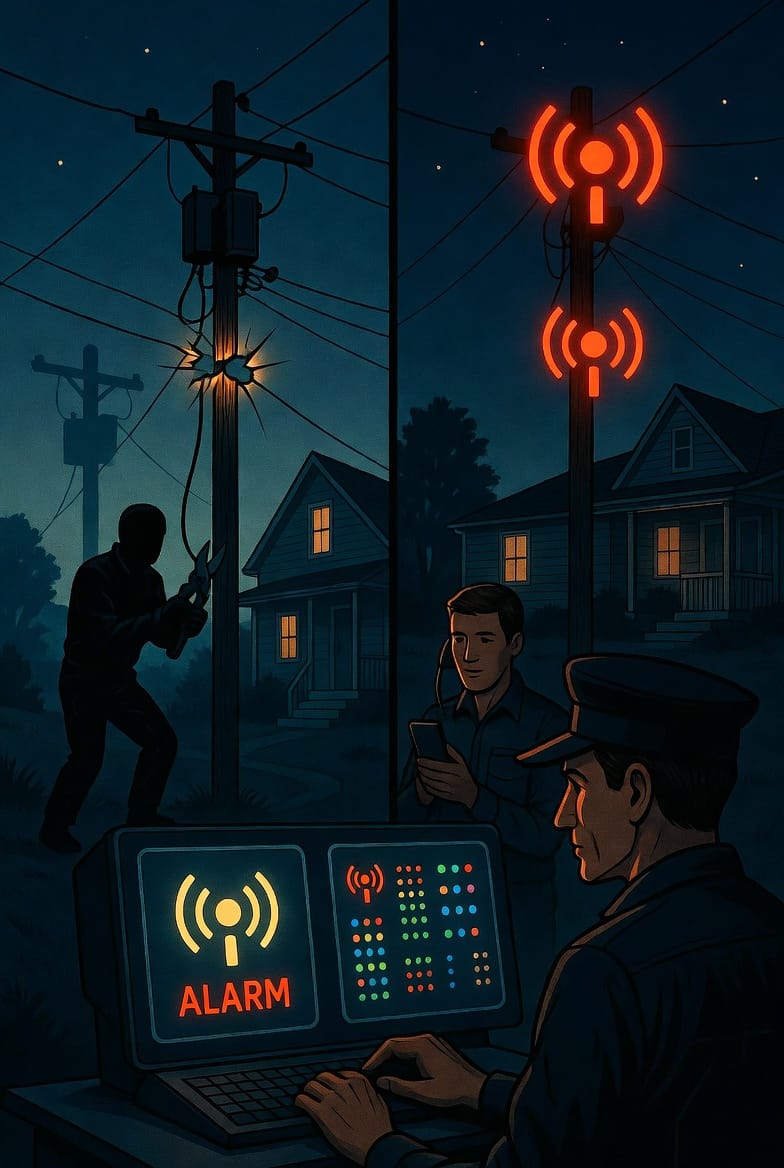
Let's start with the basics. Many older home security systems depend on landline connections to transmit alarm signals to monitoring centers. These phone lines run outside your home, often exposed and easy to access. Imagine a scenario where a determined intruder spots the telltale wires snaking along your exterior walls. With a simple pair of wire cutters—tools as common as a flashlight in a burglar's kit—they can sever the connection in seconds.
This vulnerability isn't hypothetical; it's a well-documented risk. According to industry reports, burglars often target these weak points to disable alarms before entry. Once the line is cut, your system might still beep locally, but the critical signal to emergency responders? Gone. No police dispatch, no timely intervention. It's a chilling thought, but one that highlights the fragility of relying solely on wired infrastructure.
Even broadband monitoring, which uses your home's internet connection, isn't foolproof. While faster and more modern than landlines, it shares similar flaws. Power outages, Wi-Fi disruptions, or deliberate tampering with routers can all interrupt service. Cyber threats add another layer: hackers could potentially jam or spoof your network, leaving your home exposed. In essence, any system tethered to physical or easily disruptible lines carries inherent risks that savvy criminals exploit.
- Ease of Sabotage: Exposed wires make landlines an obvious target for cuts.
- Dependency on Utilities: Outages in phone or internet service can render your alarm useless.
- Delayed Response: Without a backup, precious minutes are lost during emergencies.
These issues underscore a core problem: traditional monitoring assumes a stable, untampered connection— an assumption that doesn't hold up against real-world threats.
The Power of Cellular Backup: How It Works
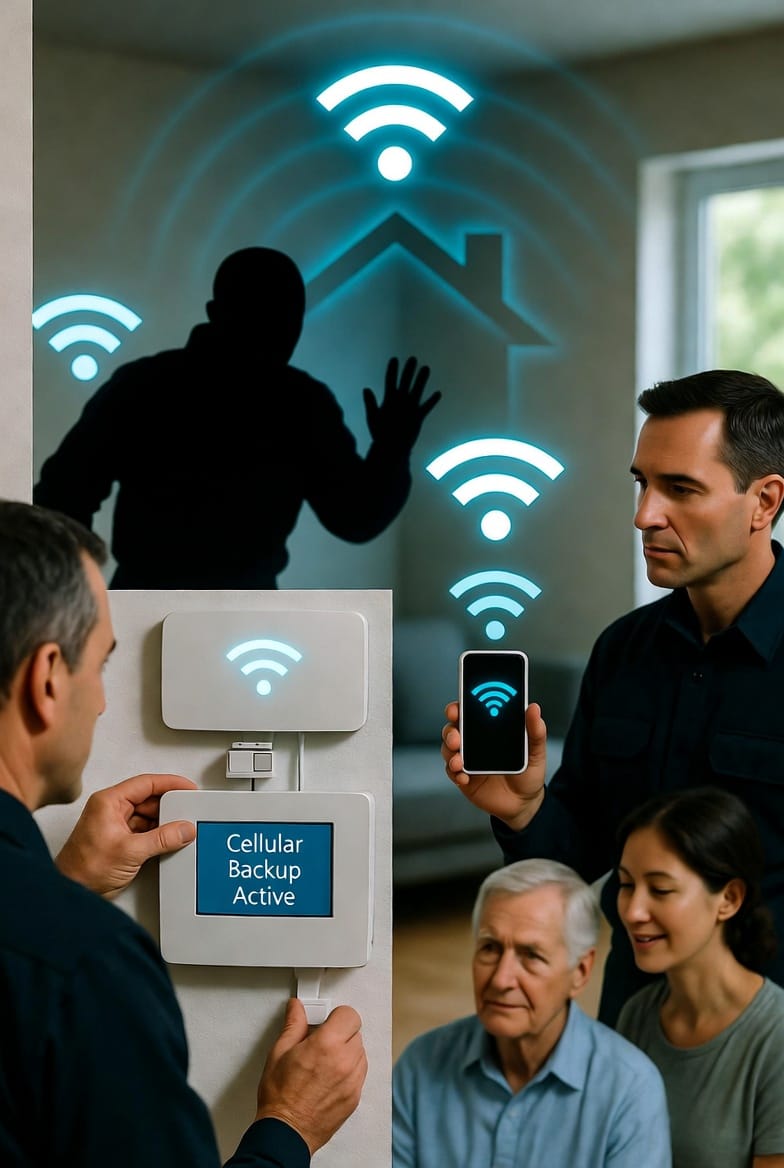
This is where cellular backup shines as a superior alternative. Unlike wired options, cellular monitoring leverages the same wireless networks that power your smartphone. It uses dedicated cellular modules integrated into your security panel to send signals directly to monitoring centers via cell towers. No phone lines, no internet required—just reliable, over-the-air transmission.
Picture this: even if a burglar cuts your phone lines or knocks out your Wi-Fi, the cellular signal persists. It's independent, drawing from a vast network of towers that cover urban, suburban, and even rural areas. These signals are encrypted and prioritized for emergency use, ensuring they get through amid network congestion.
Installation is straightforward and often seamless for existing systems. A professional technician adds a cellular communicator—a small, robust device—to your panel. Once activated, it runs on its own battery backup, so power failures don't affect it. In many cases, this upgrade can be done in under an hour, transforming a vulnerable setup into a fortified one.
What makes cellular so resilient? It's built on redundant pathways. If one tower is overloaded, the signal reroutes to another. Plus, modern systems often include dual-path monitoring, combining cellular with broadband for even greater reliability. If one path fails, the other takes over instantly.
Key Benefits of Switching to Cellular Monitoring
Adopting cellular backup isn't just about avoiding risks; it's about gaining advantages that enhance overall security. Here's a closer look at why it's becoming the gold standard for home protection:
- Uncuttable Connection: Wireless transmission means no physical lines to tamper with, thwarting common burglary tactics.
- Faster Response Times: Cellular signals are direct and swift, often alerting monitors in seconds compared to potentially delayed wired options.
- Nationwide Coverage: Leveraging major carriers like AT&T or Verizon, it works wherever cell service exists—ideal for remote properties.
- Battery Independence: Built-in backups keep the system operational during blackouts, unlike landlines that fail with power loss.
- Cost-Effective Upgrade: Many providers offer affordable add-ons, with monthly fees often under $10, delivering high ROI in peace of mind.
- Integration with Smart Homes: Easily pairs with apps for real-time notifications, allowing you to monitor and control from anywhere.
Beyond these, cellular systems reduce false alarms through advanced verification, like two-way voice communication. This means monitors can confirm threats before dispatching help, saving time and resources.
Consider real-life examples. In areas prone to storms, where lines frequently go down, homeowners with cellular backups report uninterrupted service. One study from a leading security association found that systems with wireless monitoring had a 40% higher success rate in alerting authorities during intrusions. It's not just technology; it's a layer of assurance that lets you sleep soundly.
Comparing Monitoring Options: Which Path Is Right for You?
To truly appreciate cellular backup, let's break down the main monitoring paths side by side. Understanding these differences empowers you to make an informed choice.
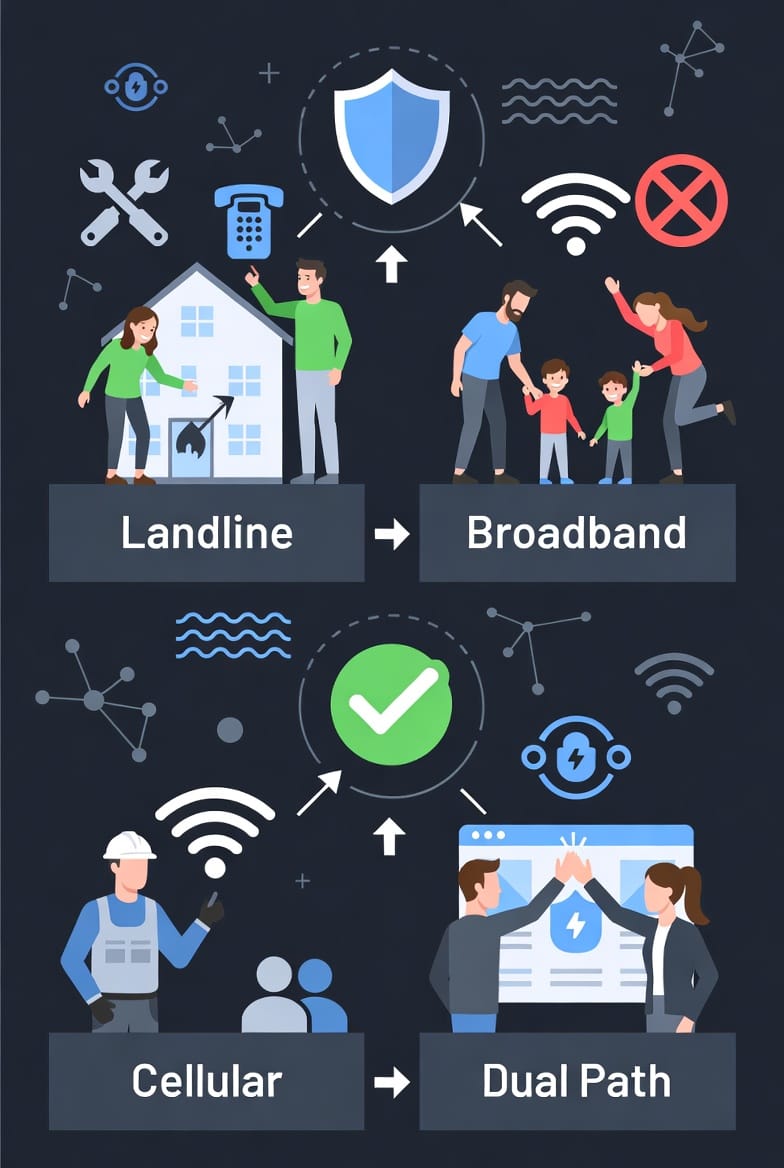
Landline Monitoring (Vulnerable): Relies on traditional phone lines. Pros: Inexpensive if you already have service. Cons: Easily cut, susceptible to outages, and phasing out as landlines become obsolete.
Broadband Monitoring (Vulnerable): Uses your home internet. Pros: Quick signals when stable. Cons: Depends on Wi-Fi reliability; vulnerable to hacks, power failures, or service interruptions.
Cellular Monitoring (Secure): Wireless via cell networks. Pros: Independent of home utilities, hard to disable, wide coverage. Cons: Requires a signal (though rare in populated areas) and a small additional fee.
Dual-Path Monitoring (Redundant): Combines broadband and cellular. Pros: Ultimate failover protection—if one fails, the other activates. Cons: Slightly higher cost, but worth it for high-risk homes.
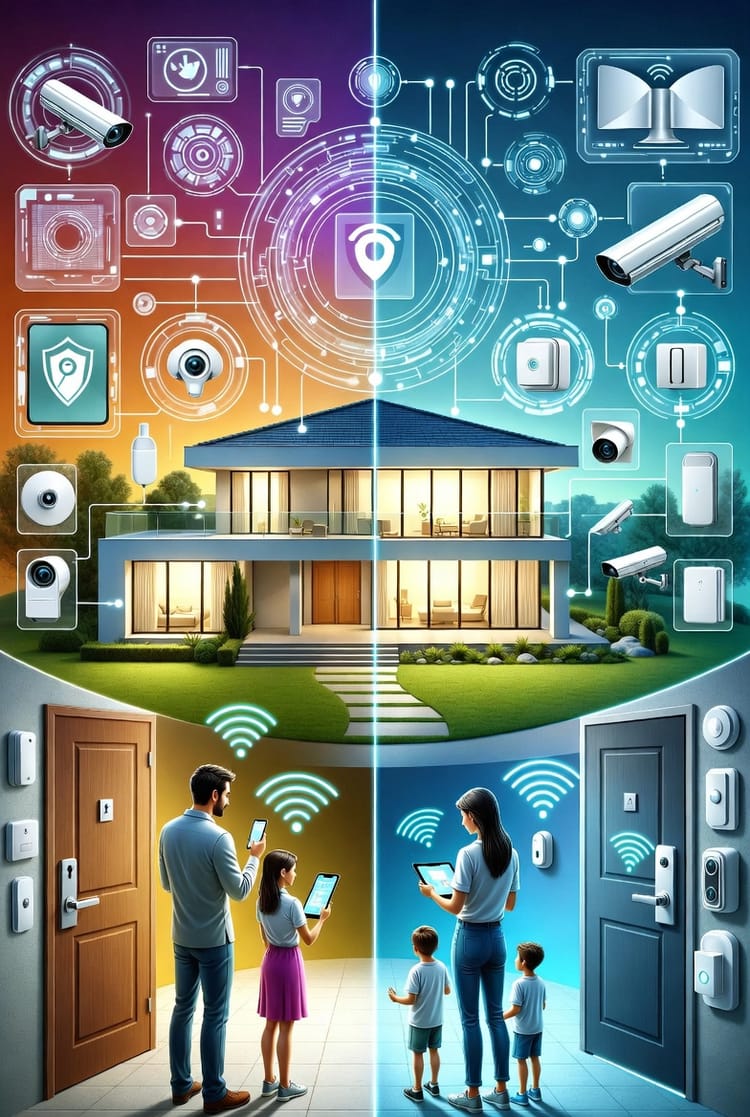
In a visual comparison, landline and broadband paths show single points of failure, like a chain with weak links. Cellular, however, forms a robust web, with dual-path adding extra strands for unbreakable strength.
When evaluating, factor in your location and lifestyle. Urban dwellers might prioritize cyber resilience, while rural folks value cellular's reach. Either way, the data is clear: wireless options drastically reduce vulnerability.
Addressing Common Concerns and Myths
Switching to cellular backup might raise questions, but rest assured, it's a proven upgrade. Myth: "Cellular is unreliable in bad weather." Reality: Cell towers are engineered for resilience, often outperforming wired lines during storms.
Another concern: signal strength. Most modern modules use 4G or 5G for robust connectivity, with options for signal boosters in weak areas. Professional installation ensures optimal placement.
Cost-wise, it's accessible. Initial setup might run $100–$300, but long-term savings come from fewer service calls and enhanced insurance discounts—many providers offer up to 20% off premiums for advanced systems.
For those with legacy equipment, compatibility is high. Brands like ADT, Vivint, and SimpliSafe support easy integration, often with DIY options for tech-savvy users.
Real-World Applications and Success Stories
In practice, cellular monitoring has transformed security for countless families. Take a suburban neighborhood hit by a string of break-ins: Homes with traditional systems were compromised, but those upgraded to cellular alerted police in time, leading to arrests.
Businesses benefit too. Retail stores use it to protect against after-hours intrusions, where cutting lines is a common ploy. One chain reported a 60% drop in losses post-upgrade.
Even in emergencies like fires or medical alerts, cellular ensures signals reach help without delay. It's not just anti-burglary; it's comprehensive life safety.
Why Now Is the Time to Upgrade
As threats evolve, so must our defenses. With rising burglary rates in many areas—up 15% in recent years per FBI data—proactive measures are essential. Cellular backup addresses modern risks head-on, providing a connection that can't be cut.
It's reassuring to know that experts design these systems with your safety in mind. Authoritative bodies like Underwriters Laboratories (UL) certify them for reliability, ensuring they meet stringent standards.
For SEO-savvy homeowners searching for "best home security with cellular backup" or "unbreakable alarm monitoring," the answer is clear: wireless is the way forward.
Lock Down Your Home with Cellular – Call for Free Consultation!