The Category 3 Warning: Why 'Black Water' Damage Requires Aggressive Remediation and Replacement
Water damage can strike unexpectedly, turning a safe home or business into a hazardous environment overnight. But not all water intrusions are created equal. When it comes to Category 3 water damage, often referred to as black water, the stakes are critically high. This type of contamination demands immediate, professional intervention to protect health and property. As experts in water damage restoration, we're here to guide you through the essentials, reassuring you that with the right approach, recovery is not only possible but straightforward.
Stop Black Water Damage – Call Emergency Experts Today
In this comprehensive guide, we'll break down the IICRC's Category 3 classification, explore the severe health risks involved, outline the strict protocols for material removal and antimicrobial treatments, and emphasize why skimping on remediation is never an option. By understanding these key aspects, you'll be empowered to act decisively in the face of such emergencies.
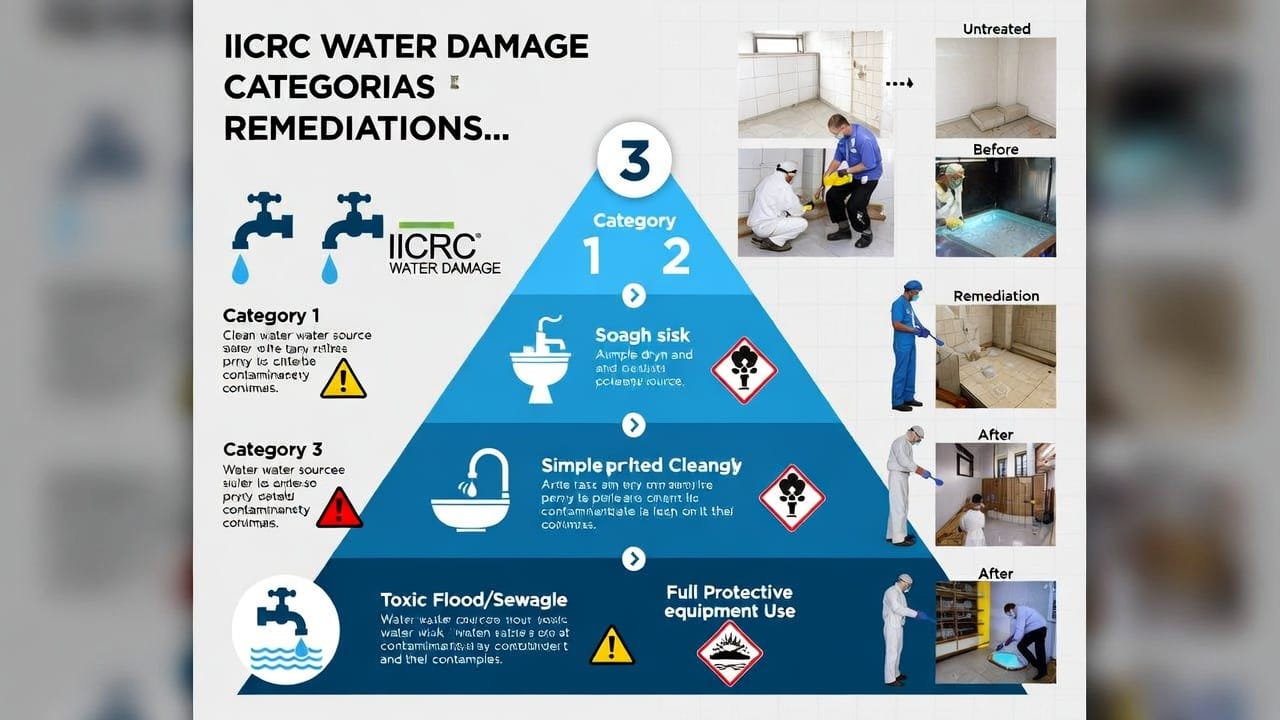
Understanding IICRC Water Damage Categories
The Institute of Inspection, Cleaning and Restoration Certification (IICRC) sets the gold standard for water damage restoration through its S500 guidelines. These categories help professionals assess the level of contamination and determine the appropriate response.
- Category 1 (Clean Water): Originates from sanitary sources like faucets or supply lines. While initially clean, it can degrade if left untreated.
- Category 2 (Gray Water): Contains significant contaminants, such as from dishwashers or washing machines, posing moderate health risks.
- Category 3 (Black Water): The most severe, involving grossly unsanitary water with high levels of pathogens, toxins, and pollutants.
Focusing on Category 3, this classification includes water from sources like sewage backups, floodwaters from rivers or storms, and ground surface water that enters structures. These waters are laden with bacteria, viruses, fungi, and potentially harmful chemicals, making them a direct threat to human health.
What sets Category 3 apart is its potential for rapid microbial growth. Within hours, standing black water can foster mold, bacteria like E. coli, and even parasites, amplifying the danger. Recognizing these distinctions early ensures a tailored, effective remediation strategy.
The Sources of Category 3 Water Damage
Category 3 incidents often arise from uncontrollable events, but knowing the common culprits can help in prevention and quick response.
- Sewage Backups: Caused by clogged drains, overwhelmed municipal systems, or tree root intrusions, releasing raw sewage into homes.
- Floodwaters: From heavy rains, river overflows, or hurricanes, carrying contaminants from streets, soil, and waste.
- Ground Surface Water: Seepage from saturated soil during storms, often mixed with pesticides, animal waste, or industrial runoff.
These sources introduce a cocktail of hazards, underscoring the need for aggressive action. Rest assured, professional teams are equipped to handle these safely, minimizing disruption to your life.
Severe Health Risks Associated with Black Water
Exposure to Category 3 water isn't just unpleasant—it's a serious biohazard. The contaminants in black water can lead to immediate and long-term health issues if not addressed promptly.
Key risks include:
- Bacterial Infections: Pathogens like Salmonella, E. coli, and Shigella can cause gastrointestinal illnesses, fever, and dehydration.
- Viral Threats: Hepatitis A or norovirus, transmitted through contact, leading to liver damage or severe vomiting.
- Parasitic Infestations: Organisms such as Giardia or Cryptosporidium, resulting in chronic digestive problems.
- Fungal Growth: Mold spores thriving in damp environments, exacerbating respiratory issues like asthma or allergies.
- Chemical Hazards: Toxins from pesticides, heavy metals, or industrial waste, potentially causing skin irritation, neurological effects, or even cancer with prolonged exposure.
Children, the elderly, and immunocompromised individuals are particularly vulnerable. Symptoms might appear as skin rashes, respiratory distress, or flu-like illnesses, but ignoring them can lead to hospitalization. The good news? With professional remediation, these risks are dramatically reduced, allowing you to reclaim a healthy space confidently.
The Remediation Protocol: Step-by-Step Aggressive Approach
Handling Category 3 water damage follows a rigorous, science-based protocol to ensure complete decontamination. Cutting corners here isn't just ineffective—it's dangerous.
Initial Assessment and Containment
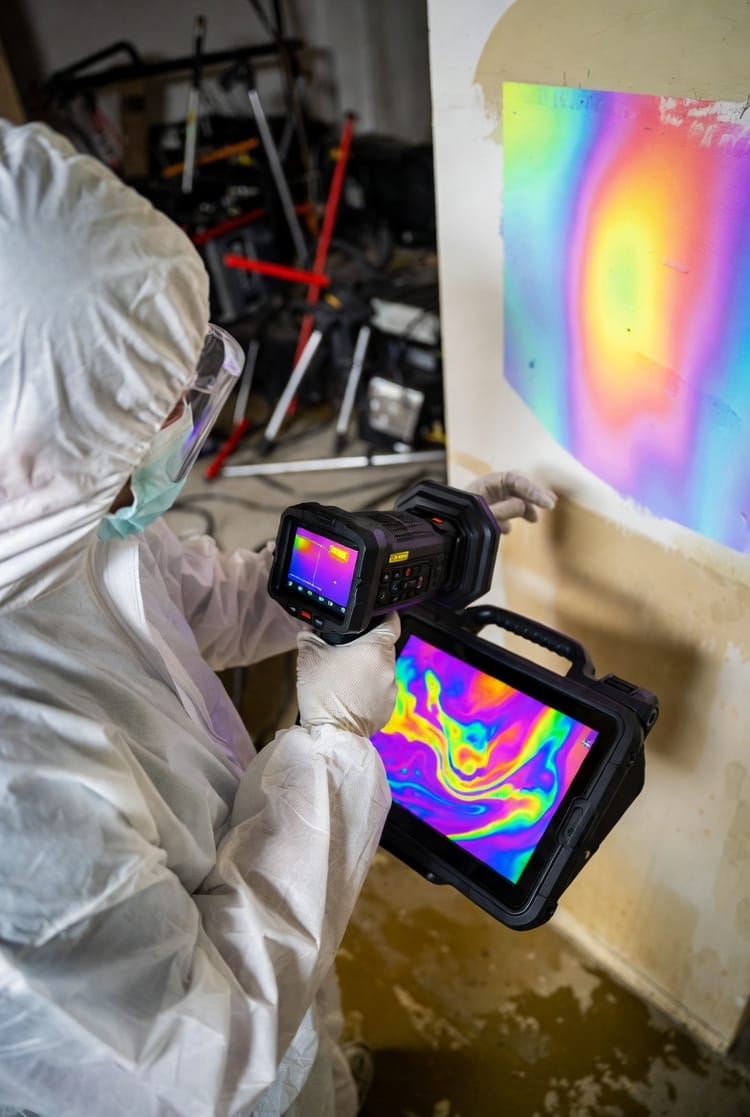
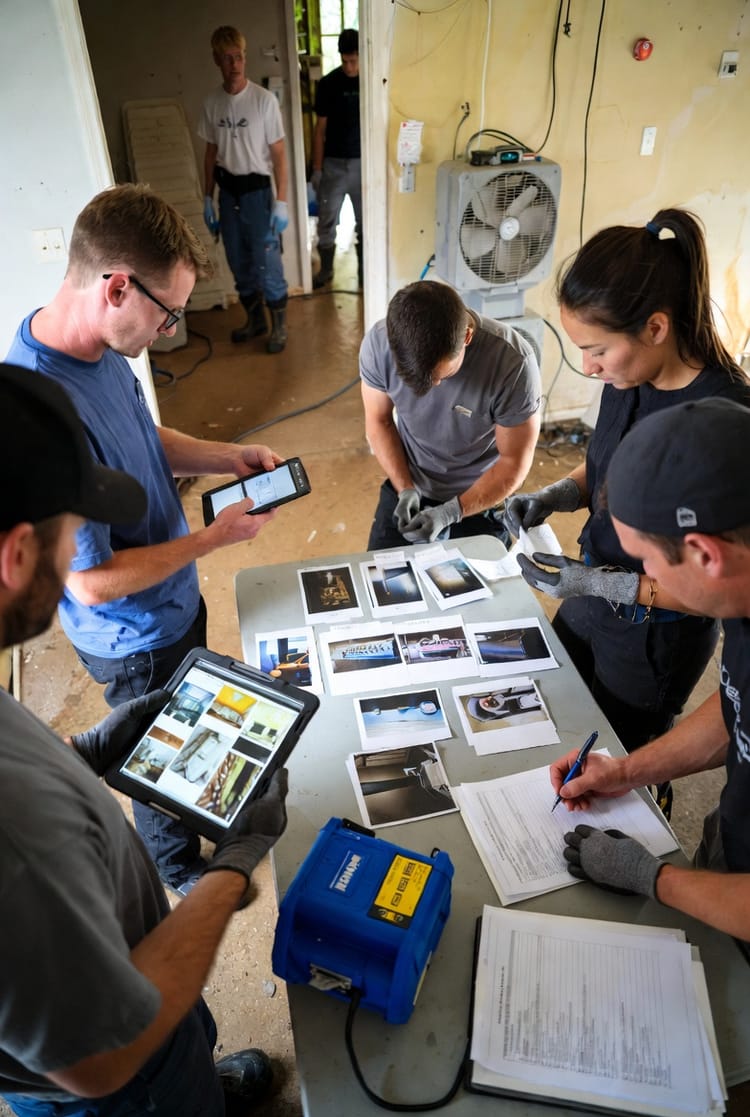
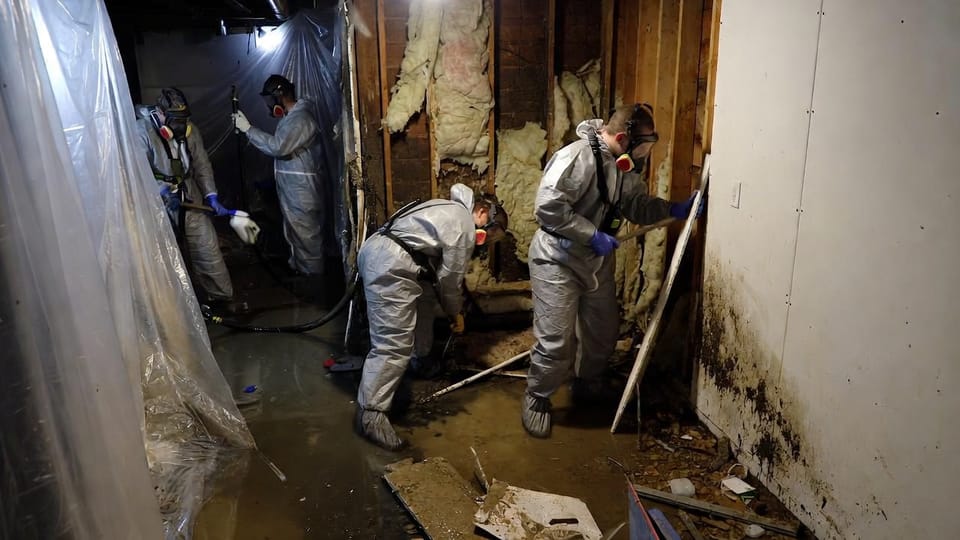
Upon arrival, technicians in full personal protective equipment (PPE)—including hazmat suits, respirators, and gloves—assess the extent of damage. Containment barriers are set up to prevent cross-contamination to unaffected areas.
Water Extraction and Disposal
All standing water is extracted using industrial pumps, with contaminated water disposed of according to local regulations. This step is crucial to halt further saturation.
Removal of Porous Materials
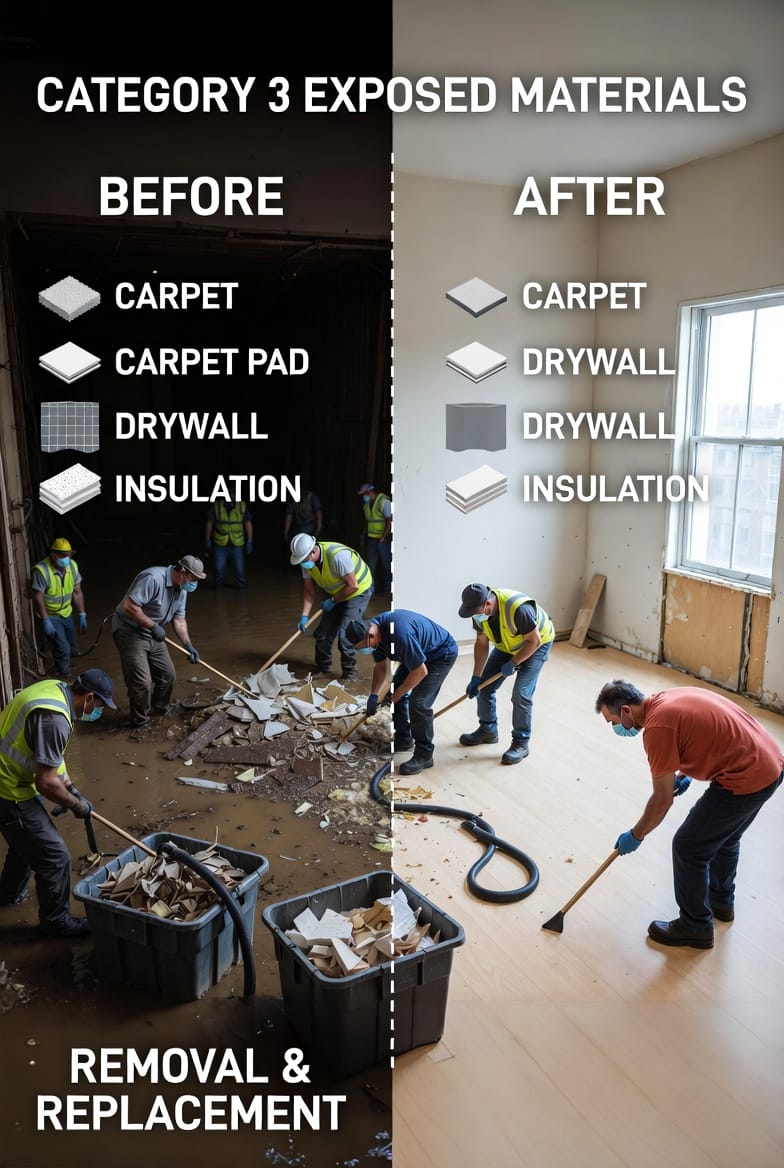
Highly porous items absorb contaminants deeply, making salvage impossible. Standard protocol mandates removal and replacement of:
- Drywall: Often cut 12-18 inches above the water line to eliminate hidden moisture.
- Insulation: Fiberglass or cellulose types trap bacteria, requiring full extraction.
- Carpet and Padding: Irretrievably soiled, posing ongoing mold risks.
- Subflooring: If affected, partial or full replacement to prevent structural compromise.
Non-porous surfaces like concrete or tile may be salvageable with intensive cleaning.
Intensive Antimicrobial Treatments
After removal, the area undergoes thorough cleaning with EPA-approved antimicrobials. This includes:
- Biocides and Disinfectants: Applied to kill bacteria, viruses, and fungi.
- HEPA Vacuuming: To capture airborne particles.
- Air Scrubbers: Filtering out contaminants for improved indoor air quality.
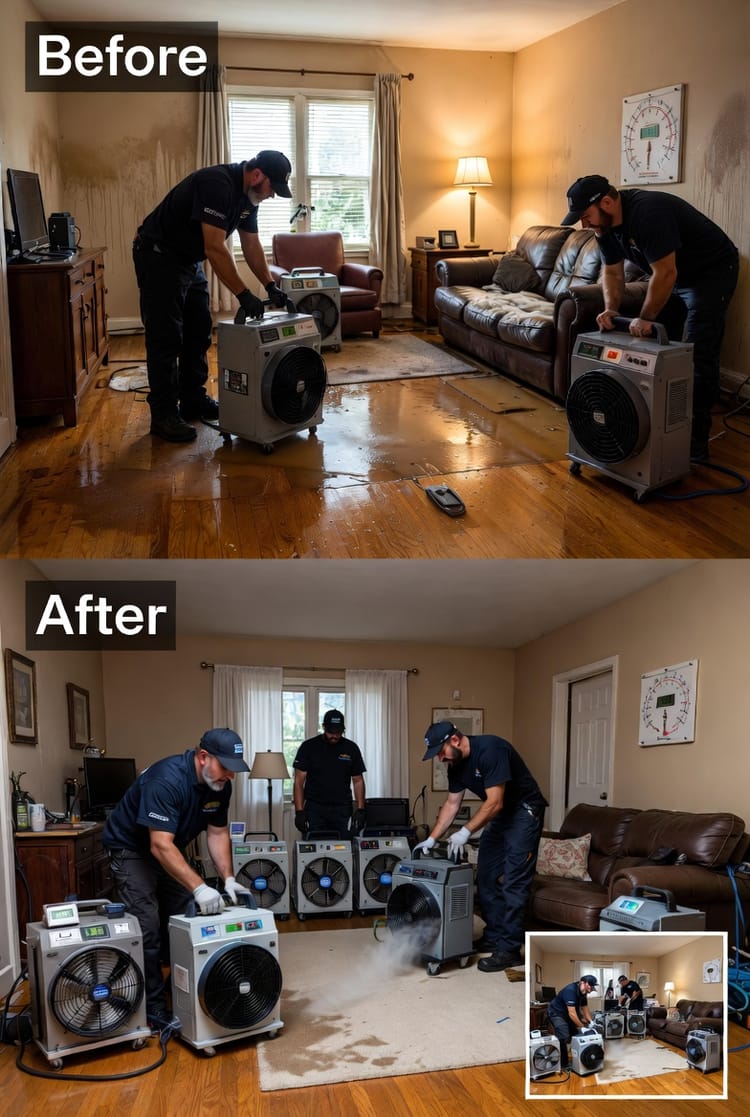
- Dehumidification: Industrial dehumidifiers and air movers dry the space to below 60% humidity, inhibiting mold.
Multiple applications and testing ensure efficacy, with moisture meters verifying dryness.
Why Never Cut Corners on Category 3 Remediation
Attempting DIY fixes or hiring unqualified help for black water damage can exacerbate problems, leading to hidden mold, structural decay, and escalated health risks. Insurance claims may even be denied if protocols aren't followed.
Professionals adhere to IICRC standards, using certified equipment and techniques for guaranteed results. This investment prevents costly future repairs—mold remediation alone can run thousands—and safeguards your family's well-being.
Consider real-world scenarios: A minor sewage backup ignored led to widespread contamination in one case, resulting in evacuation and extensive rebuilding. In contrast, prompt aggressive action restores normalcy quickly.
By choosing certified experts, you're not just fixing damage—you're investing in long-term safety and peace of mind.
Prevention Tips to Avoid Category 3 Incidents
While not all events are preventable, proactive measures reduce risks:
- Install backflow preventers on drains.
- Maintain sump pumps and gutters.
- Elevate valuables in flood-prone areas.
- Schedule regular plumbing inspections.
These steps, combined with awareness, fortify your property against black water threats.
The Path to Full Recovery
Recovering from Category 3 water damage is a structured process, but with authoritative guidance, it's manageable. From initial containment to final antimicrobial treatments, every step prioritizes safety and thoroughness.
Remember, time is critical—contamination worsens exponentially. Trust in proven protocols ensures your space is not just cleaned, but truly restored.
Don’t Risk Your Family’s Health – Call Black Water Pros Today