The Bypass Protocol: Manual Operation and Emergency Release Mechanisms for Garage Door Openers
As a homeowner, your garage door opener is a reliable convenience—until it's not. Power outages, sensor malfunctions, or mechanical hiccups can leave you locked out or in, turning a simple entry point into a frustrating barrier. But here's the reassuring truth: Every modern garage door system includes built-in fail-safes designed for exactly these moments. This guide demystifies the bypass protocol, empowering you with essential knowledge on manual operation and emergency release mechanisms. We'll walk you through step-by-step processes, highlight key risks, and troubleshoot common issues, all framed as vital emergency preparedness. By the end, you'll feel confident handling these scenarios safely, potentially saving time and avoiding costly service calls.
Master Your Garage Door Emergency Release – Get Help Today!
Understanding these mechanisms isn't just handy; it's a safety essential. Garage doors can weigh hundreds of pounds, and improper handling risks injury or damage. Rest assured, with the right approach, you can navigate these challenges like a pro. Let's dive in.
Why Every Homeowner Needs This Knowledge
In an era of smart homes, it's easy to overlook the manual basics. Yet, statistics show that garage door failures account for thousands of emergency calls annually, often due to preventable issues like dead batteries or obstructed sensors. The emergency release mechanism—that iconic red cord dangling from your opener—is your first line of defense. It's engineered for quick disengagement, allowing manual control without tools.
This protocol isn't about DIY heroics; it's about preparedness. Whether facing a blackout during a storm or a glitchy remote, knowing how to bypass the opener ensures access to your vehicle, tools, or home. Plus, regular familiarity with these features can spot early warning signs of wear, extending your system's lifespan.
Key benefits include:
- Immediate Access: No waiting for power restoration or technicians.
- Cost Savings: Avoid unnecessary repairs by troubleshooting first.
- Safety Assurance: Proper techniques prevent strains or accidents.
Armed with this info, you're not just reacting—you're proactively safeguarding your home.
Step-by-Step: Engaging the Emergency Release Mechanism
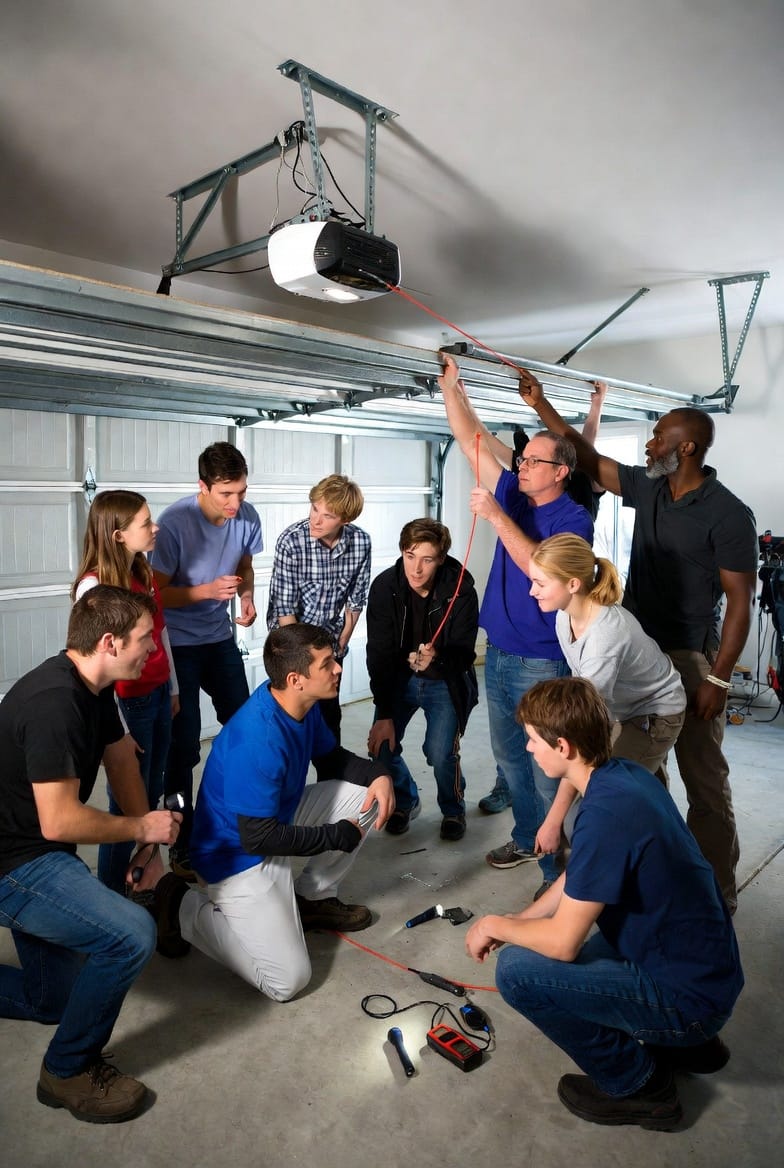
The heart of the bypass protocol is the emergency release cord, typically a bright red handle attached to the opener's carriage. This simple pull switches the system from automatic to manual mode, disconnecting the door from the motorized trolley.
Here's how to do it safely:
- Prepare Your Space: Ensure the garage is well-lit. Clear any obstacles under or around the door. If possible, have a helper for added safety.
- Locate the Cord: Look up at the opener track. The red cord hangs from the release lever on the carriage—the part that moves along the rail.
- Pull Firmly: Stand directly under the opener, grasp the handle, and pull straight down. You'll hear a click as the mechanism disengages. Note: If the door is closed, it might shift slightly—stay clear.
- Test the Disconnect: Gently try to lift the door. It should move freely without motor resistance.
Risk Alert: Never pull the cord while the door is in motion, as this could cause abrupt stops or falls. If the cord is frayed or missing, consult a professional immediately—it's a sign of potential system neglect.
Once disengaged, you're in manual mode. Re-engaging is straightforward: Lift the door fully open, then pull the cord again or manually reconnect the lever to the trolley. The next automatic cycle will often reset it.
This step empowers you during power failures or when the opener jams, turning a potential crisis into a minor detour.
Safely Lifting and Operating the Door Manually
With the opener bypassed, manual lifting requires technique to avoid injury. A well-balanced garage door should feel manageable, thanks to counterbalance springs that offset most of the weight. If it feels heavy or unbalanced, stop— it signals a deeper issue like broken springs, which demand professional intervention.
Follow this step-by-step guide for safe manual operation:
- Assess Balance First: With the door closed and disconnected, lift it halfway. It should stay put without drifting up or down. If not, do not proceed; call for a safety check.
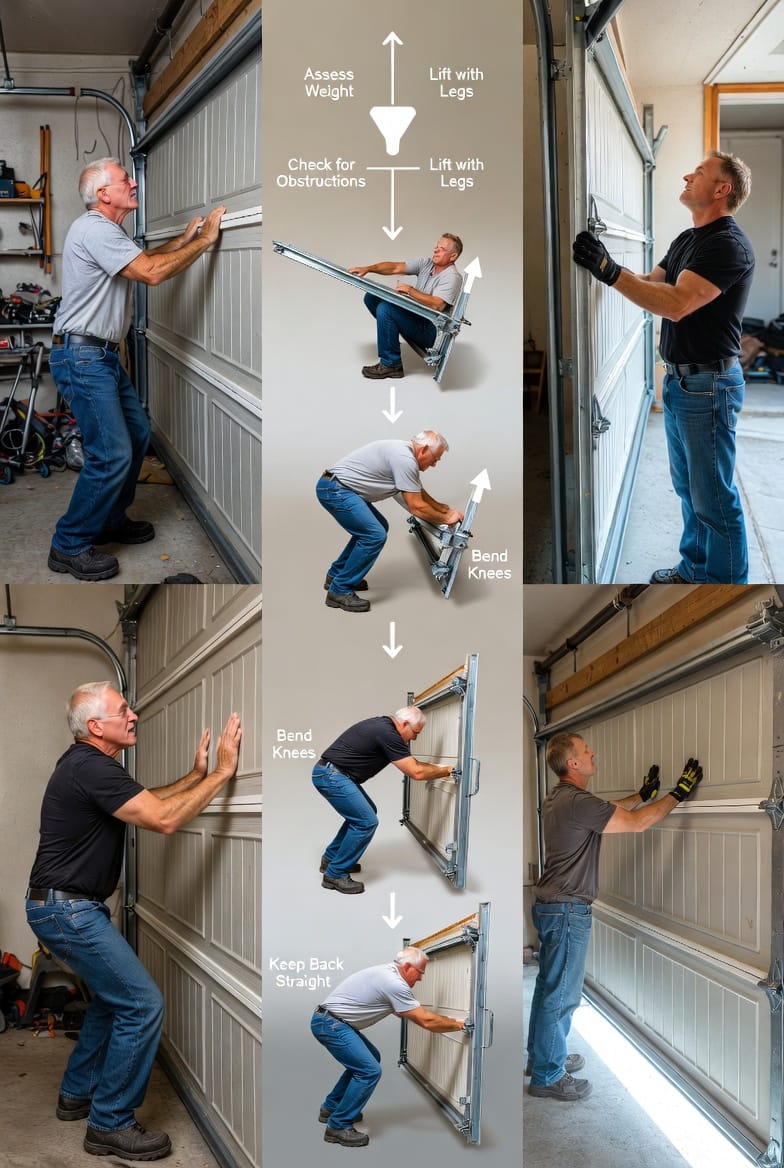
- Position Yourself Correctly: Stand facing the door, feet shoulder-width apart for stability. Bend at the knees, not the waist, to use leg strength.
- Grip Securely: Use the door's handle or bottom edge. Avoid fingers near panels or tracks to prevent pinching.
- Lift Smoothly: Push up with your legs, keeping your back straight. Guide the door along its tracks without forcing.
- Lower with Control: Reverse the motion, easing it down gently. Never let it slam shut.
For heavier doors or those with extension springs, consider using a sturdy step ladder for better leverage, but always prioritize balance.
Pro Tip: Practice this quarterly when the system is working fine. It builds muscle memory and reveals imbalances early.
Remember, manual operation is a temporary fix. Reconnect the opener once the issue is resolved to restore convenience.
Troubleshooting Common Opener Failures
Opener issues often stem from simple causes, not catastrophic failures. By methodically checking these, you can often resolve problems without bypassing entirely. Approach troubleshooting with patience—it's your roadmap to restoration.
Common culprits include:
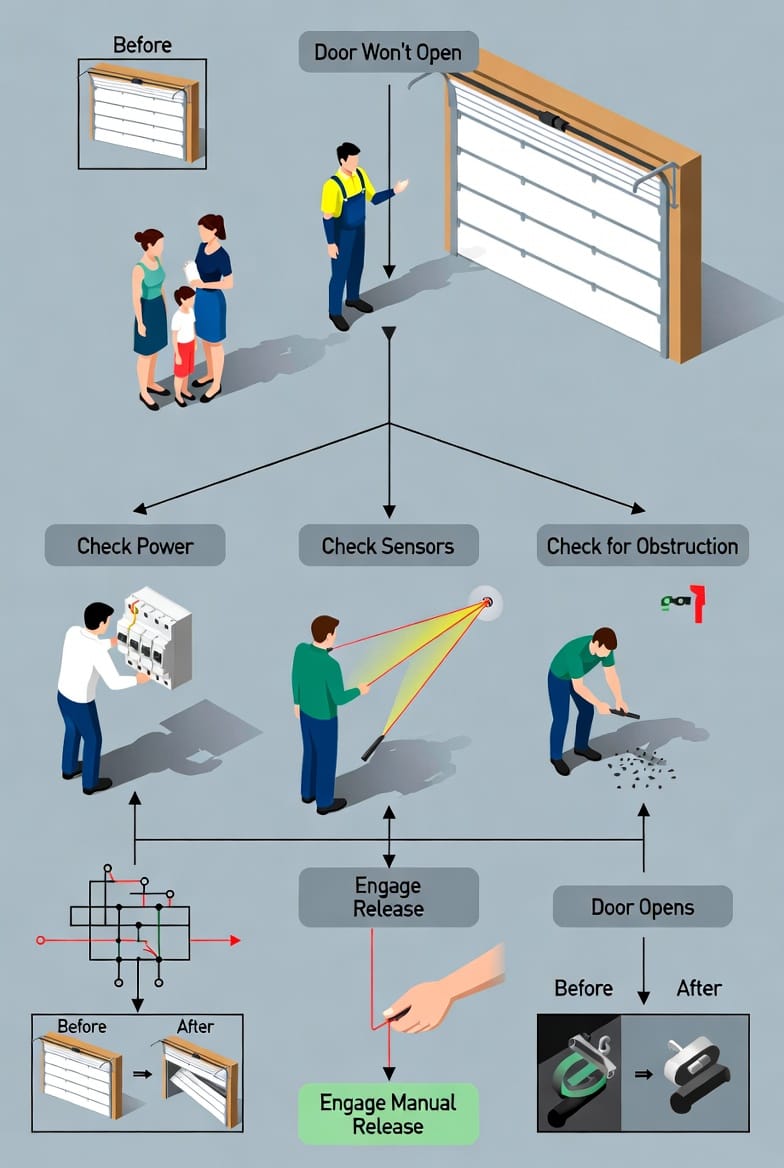
- Power Problems: Start here. Check if the opener is plugged in and the circuit breaker isn't tripped. Dead remotes? Replace batteries. During outages, the bypass is inevitable, but confirm power restoration before resetting.
- Sensor Malfunctions: Those eye-like sensors at the door's base ensure safe closure. Dirt, misalignment, or wiring issues can halt operation. Clean lenses with a soft cloth, realign so they face each other (a steady light indicates connection), and inspect for damage.
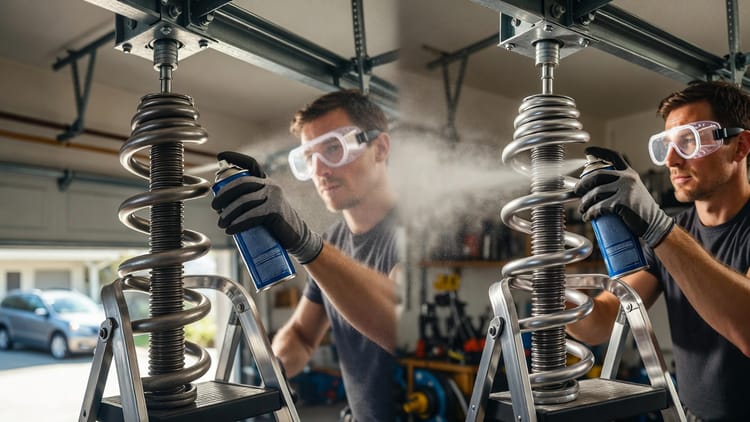
- Obstructions and Springs: Debris in tracks or worn rollers can bind the door. Clear paths and lubricate moving parts annually. Torsion springs (above the door) or extension springs (along sides) counterbalance weight—if broken, the door becomes dangerously heavy. Visual signs: Gaps in coils or unusual noises.
- Other Glitches: Limit switches out of adjustment? Remotes need reprogramming? These are rarer but check your manual for resets.
If troubleshooting doesn't help, engage the release and operate manually while seeking help.
Authority Note: Ignoring symptoms like grinding sounds or uneven movement risks escalation. Regular maintenance prevents 90% of failures.
When to Call the Pros
While this protocol equips you for emergencies, it's not a substitute for expertise. Signs warranting a call include:
- Persistent imbalances or heavy lifting.
- Visible spring damage—never attempt DIY fixes here; risks are severe.
- Electrical issues beyond basic checks.
- Opener age exceeding 10-15 years.
Professionals ensure compliance with safety standards, potentially uncovering hidden wear.
Embracing Preparedness for Peace of Mind
Mastering the bypass protocol transforms potential stressors into manageable tasks. You've now got the tools: From pulling that red cord to lifting safely and troubleshooting smartly. This knowledge isn't just practical—it's empowering, ensuring your home remains accessible and secure.
In closing, integrate these habits into your routine. A quick annual inspection could avert emergencies altogether. Stay safe, stay informed—your garage door is in good hands, starting with yours.
Troubleshoot No More – Call for Professional Garage Door Support