The Bridge to Lasting Recovery: Designing an Effective Aftercare Plan Post-Treatment

Completing an intensive treatment program for substance use disorder marks a significant milestone, but it's just the beginning of a lifelong journey. The transition back to daily life can feel daunting, filled with potential triggers and adjustments. This is where a well-designed aftercare plan becomes essential—a structured bridge that supports sustained sobriety and personal growth. In this article, we'll explore the critical components of an effective aftercare strategy, offering realistic hope and practical guidance for those navigating recovery.
Design Your Sustainable Recovery Future – Call Today
With realistic optimism, remember that setbacks are part of the process, but a strong plan equips you to overcome them. Drawing from evidence-based practices, we'll discuss how ongoing support, structured living, and healthy routines can foster lasting change. Whether you're a recovering individual, a loved one, or a professional, understanding these elements can make all the difference in building a resilient future.
Understanding the Transition: Why Aftercare Matters
The shift from a controlled treatment environment to the unpredictability of everyday life is one of the most vulnerable periods in recovery. Studies show that without proper support, relapse rates can climb as high as 40-60% in the first year post-treatment. However, an effective aftercare plan acts as a safety net, reducing these risks by providing continuity and accountability.
Think of aftercare not as an optional add-on but as the foundation for long-term success. It addresses the multifaceted nature of addiction, which affects physical, emotional, and social well-being. By focusing on gradual reintegration, aftercare helps individuals rebuild confidence and skills needed to thrive independently.
Key to this is recognizing that recovery isn't linear. There will be good days and challenging ones, but with a tailored plan, you're better prepared to handle both. Our approach emphasizes empowerment, ensuring you feel supported without feeling overwhelmed.
Core Components of a Strong Aftercare Plan
A comprehensive aftercare plan should be personalized, drawing from your unique experiences in treatment. Below, we outline the essential pillars that form this bridge to lasting recovery.
Ongoing Therapy: Building Emotional Resilience
Therapy remains a cornerstone of aftercare, offering tools to manage cravings, stress, and underlying issues. Individual therapy allows for deep, one-on-one exploration of personal triggers and coping strategies, often using modalities like cognitive-behavioral therapy (CBT) or dialectical behavior therapy (DBT).
- Benefits of individual sessions: Tailored to your pace, these help process emotions and set achievable goals.
- Group therapy options: Participating in support groups, such as 12-step programs or peer-led meetings, fosters a sense of community and shared understanding.
- Frequency recommendations: Start with weekly sessions, tapering as stability increases, but always maintain access for check-ins.
This ongoing dialogue ensures that emotional health isn't neglected, providing a space to celebrate wins and address slips early.
Sober Living Arrangements: Structured Support in Transition
For many, jumping straight back into independent living can be risky. Sober living homes offer a middle ground—structured environments where residents adhere to rules like curfews and drug testing, while gradually assuming more responsibilities.
- Key features: These residences promote accountability through house meetings and chores, helping rebuild daily routines.
- Duration and progression: Stays typically last 3-12 months, with phases that increase autonomy, preparing you for full independence.
- Choosing the right fit: Look for accredited facilities with on-site support and connections to local resources.
In sober living, you're surrounded by peers in similar stages, reducing isolation and reinforcing positive behaviors. It's a practical step that bridges the gap between treatment and home life.
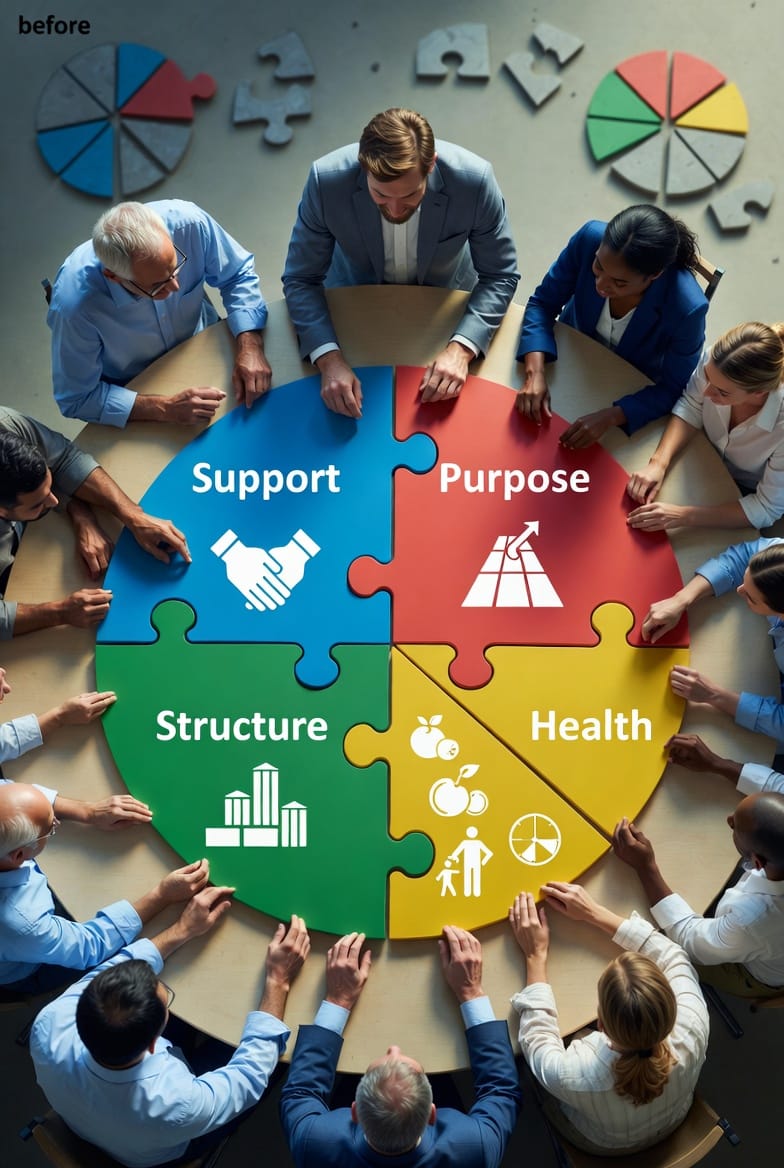
Alumni Programs: Lifelong Connections and Resources
Many treatment centers offer alumni programs, which extend the support network beyond discharge. These initiatives keep you connected to the recovery community through events, newsletters, and online forums.
- Event-based engagement: Reunions, workshops, and social gatherings provide motivation and reminders of progress.
- Resource access: Alumni often receive priority for booster sessions or referrals to specialists.
- Mentorship opportunities: Pairing with longer-term recoverees offers guidance and inspiration.
By staying involved, you tap into a reservoir of collective wisdom, turning former patients into allies for sustained sobriety.
Relapse Prevention Planning: Proactive Strategies for Challenges
No plan is complete without addressing the reality of relapse. Relapse prevention involves identifying high-risk situations and developing coping mechanisms in advance.
- Trigger identification: Map out people, places, and emotions that could lead to setbacks.
- Coping toolkit: Include techniques like mindfulness, exercise, or calling a sponsor.
- Monitoring progress: Regular self-assessments and adjustments ensure the plan evolves with you.
Approaching this with realistic hope means viewing potential slips as learning opportunities, not failures. Tools like journaling or apps can track patterns, empowering proactive responses.
Rebuilding Healthy Routines and Social Networks
Recovery thrives on structure and positive relationships. Reestablishing healthy routines—from sleep schedules to nutrition—restores physical and mental balance.
- Daily habits: Incorporate exercise, hobbies, and meal planning to fill voids left by substance use.
- Social reconstruction: Distance from enabling influences while nurturing supportive friendships and family ties.
- Community involvement: Volunteering or joining clubs builds purpose and a sense of belonging.
This rebuilding phase is about creating a life so fulfilling that old habits lose their appeal. Start small, celebrate milestones, and seek professional input when needed.
Integrating Holistic Elements for Comprehensive Wellness
Beyond the core components, a robust aftercare plan incorporates holistic practices to nurture mind, body, and spirit. Nutrition counseling can address deficiencies common in recovery, while fitness programs boost endorphins naturally. Mindfulness and meditation apps offer daily tools for stress management.
Financial planning is another often-overlooked aspect—addiction can leave debts or career gaps. Vocational training or job placement services within aftercare help restore stability.
Spiritual exploration, whether through organized religion or personal practices, can provide deeper meaning. The goal is balance: ensuring no area of life is neglected.
Overcoming Common Barriers in Aftercare
Even the best plans face hurdles. Stigma, logistical issues, or motivation dips can derail progress. Address these head-on:
- Stigma reduction: Educate loved ones and seek judgment-free environments.
- Accessibility: Telehealth options make therapy feasible regardless of location.
- Motivation maintenance: Set short-term rewards and track long-term benefits.
With persistence and support, these barriers become surmountable, reinforcing your commitment to recovery.
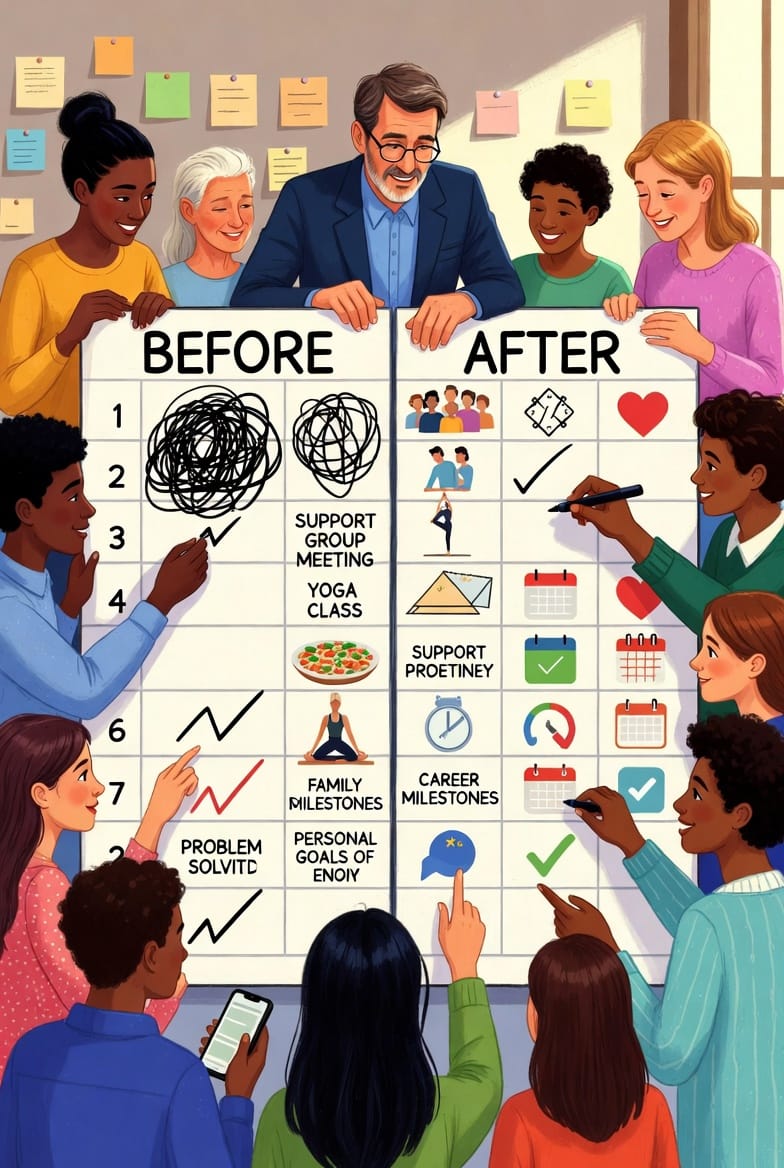
Measuring Success and Adjusting Your Plan
Success in aftercare isn't just abstinence—it's improved quality of life. Regular evaluations with a counselor can measure progress against goals.
- Metrics to track: Sobriety days, mood improvements, relationship health.
- Adjustment strategies: If something isn't working, pivot—perhaps intensifying therapy or adding new activities.
- Long-term vision: Aim for milestones like one-year sobriety, career advancements, or restored family bonds.
This iterative approach keeps the plan dynamic, adapting to life's changes.
The Role of Family and Community in Aftercare
Recovery doesn't happen in isolation. Involving family through education sessions or therapy strengthens the support system.
- Family dynamics: Address codependency and rebuild trust.
- Community resources: Local organizations offer free meetings and hotlines.
- Professional guidance: Therapists can mediate and provide tools for healthy interactions.
A united front amplifies individual efforts, creating a network of encouragement.
Embracing Realistic Hope for the Future
While challenges exist, countless individuals have crossed this bridge to fulfilling lives. Your aftercare plan is your roadmap—customizable, supportive, and effective. With commitment and the right resources, lasting recovery is achievable.
Transition Confidently to Lasting Freedom – Call Now