The Appliance Lifespan Dilemma: A Smart Guide to Repair vs. Replacement
When your trusted refrigerator starts humming louder than usual or your washer refuses to spin, you're faced with a common household puzzle: repair or replace? This decision isn't just about fixing a glitch—it's about balancing cost, convenience, and long-term value. As experts in appliance repair, we've helped countless homeowners navigate this dilemma with confidence. In this comprehensive guide, we'll equip you with a practical decision-making framework that considers key factors like appliance age, repair costs versus replacement value, energy efficiency gains from new models, and typical failure points. Rest assured, making the right choice can save you money, reduce waste, and keep your home running smoothly.
Save Money on Appliances – Call for Pro Repair vs. Replace Help
Whether you're dealing with a finicky dishwasher or a dryer that's lost its heat, understanding these elements empowers you to act wisely. We'll break it down step by step, using real-world insights to demystify the process. By the end, you'll have the tools to decide if a quick fix from a skilled technician is the way to go or if it's time to invest in a modern upgrade.
Understanding Appliance Lifespan: The Foundation of Your Decision
Every appliance has an expected lifespan, influenced by usage, maintenance, and build quality. On average, major household appliances last 8-15 years, but this varies by type and brand. Knowing these benchmarks is crucial because it sets the stage for evaluating whether a repair extends useful life or merely delays an inevitable replacement.
- Refrigerators: Typically 10-15 years. High-end models with features like smart connectivity might push closer to 20 years with proper care.
- Washers: Around 10-13 years. Front-loaders often outlast top-loaders due to gentler mechanics.
- Dryers: 10-13 years, similar to washers, as they're frequently paired.
- Dishwashers: 9-12 years, with wear from water minerals accelerating breakdowns.
Factors like frequent overloading, poor ventilation, or hard water can shorten these spans. Regular maintenance—such as cleaning filters or checking seals—can add years. If your appliance is nearing or past its average lifespan, replacement might edge out repair, especially if failures become recurrent. But don't rush; a professional diagnosis often reveals hidden value in older units.
The Age Factor: When Time Tips the Scale
Age is a pivotal element in the repair vs. replacement debate. Appliances under 5 years old are prime candidates for repair, as they're likely under warranty and built with current tech. Between 5-10 years, it depends on the issue—minor fixes can restore peak performance. Over 10 years? That's when scrutiny intensifies.
Consider this: Older appliances may lack parts availability, leading to higher repair costs or delays. For instance, a 12-year-old refrigerator with a faulty compressor might cost $400 to fix, but if the unit's overall value is diminishing due to inefficiency, replacement could be smarter. Newer models incorporate advancements like inverter technology, which reduces wear and extends life.
To assess age effectively:
- Check the manufacture date (often on a label inside the door or back panel).
- Review usage history—has it been in a high-traffic family home or a low-use vacation property?
- Factor in brand reliability; brands like Whirlpool or LG often have better longevity data available online.
Rest easy knowing that age alone isn't a death sentence. Many appliances thrive beyond expectations with expert intervention, avoiding the environmental impact of premature disposal.
Repair Cost vs. Replacement Value: The 50% Rule and Beyond
One of the most straightforward tools in your arsenal is the 50% rule: If the repair cost exceeds 50% of a new appliance's price, lean toward replacement. This isn't ironclad but provides a solid starting point. For example, if a new washer costs $800 and repairs ring up at $450, it's borderline—factor in other elements like energy savings.
Break down costs holistically:
- Direct Repair Expenses: Parts, labor, and any diagnostic fees. A simple thermostat swap in a dryer might be $150, while a full motor replacement could hit $300+.
- Hidden Costs: Downtime without the appliance, potential for repeat issues, or increased utility bills from inefficiency.
- Replacement Perks: Warranties (often 1-5 years), rebates for energy-efficient models, and resale value if upgrading.
Use online tools or consult pros for quotes. In our experience, underestimating repair complexity is common—always get a detailed estimate. If the appliance holds sentimental or custom value (like a built-in oven), tipping toward repair makes sense even if costs creep higher.
Energy efficiency ties in here too. Older units guzzle more power; replacing a 15-year-old fridge could slash your electric bill by 20-30%. Calculate potential savings using tools from the Energy Star program to quantify this.
Building Your Decision-Making Framework
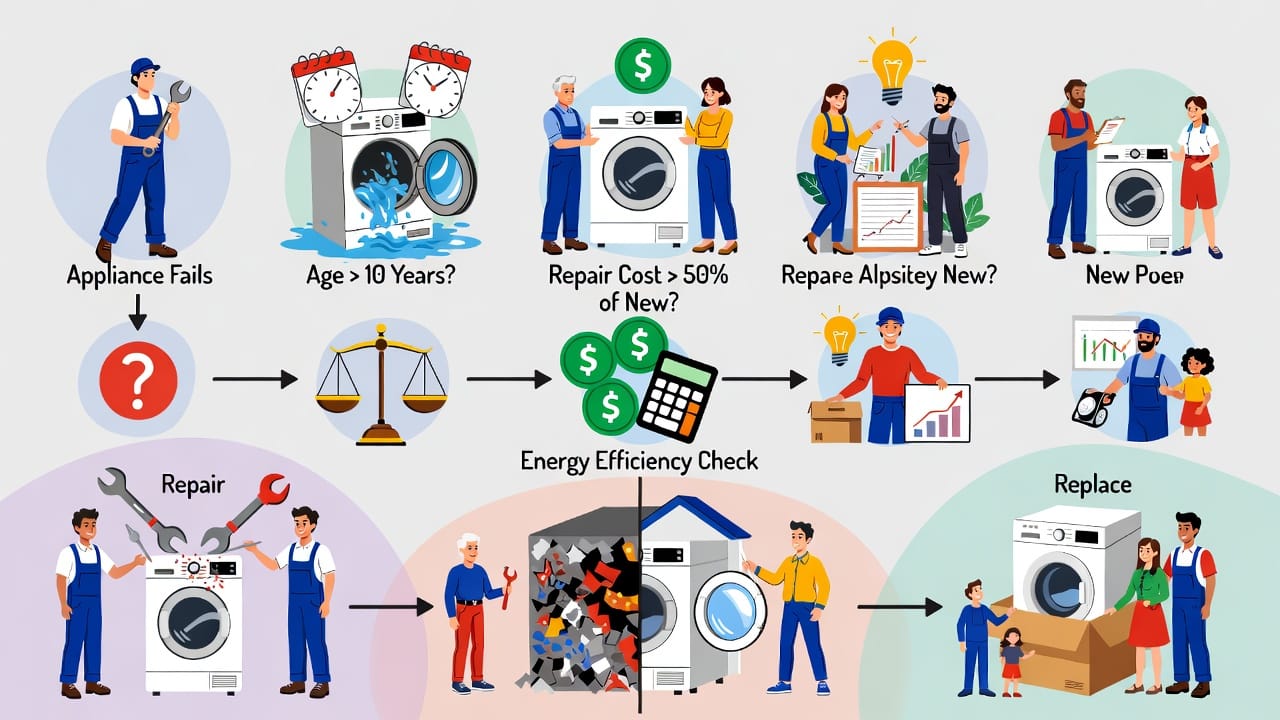
Now, let's synthesize these into a clear framework. Start with assessment: Document the problem, age, and symptoms. Then, gather quotes—both for repair and new models.
Key steps:
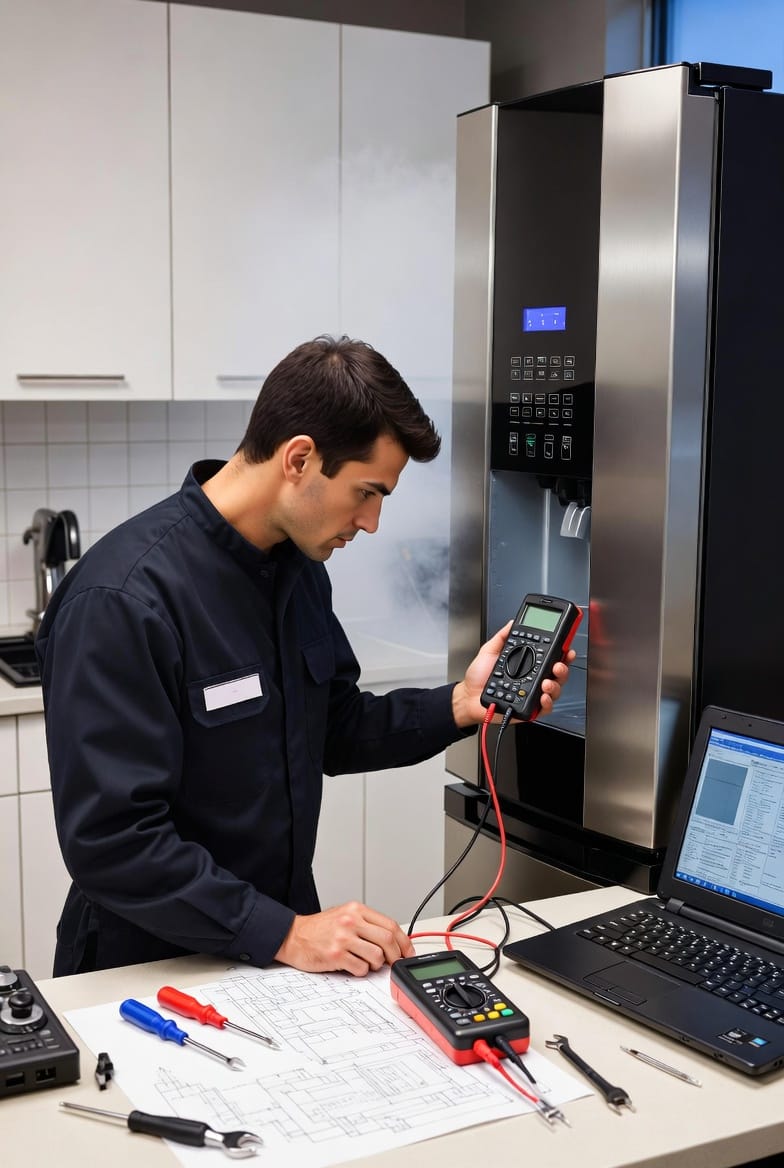
- Diagnose the Issue: Call a technician for an accurate evaluation. Self-diagnosis risks missing underlying problems.
- Apply the 50% Rule: Compare repair estimates to replacement costs from retailers like Home Depot or Best Buy.
- Weigh Energy Efficiency: Use calculators to estimate annual savings. New models often qualify for incentives.
- Consider Common Failures: Match your issue to typical ones (detailed below) to predict recurrence.
- Factor Lifestyle: High-use households benefit from durable replacements; low-use might favor repairs.
This framework isn't one-size-fits-all but adapts to your situation. For a family with kids, a reliable washer is non-negotiable—opt for whichever ensures uptime.
Energy Efficiency: The Modern Advantage in Replacement
In today's eco-conscious world, energy efficiency is a game-changer. Older appliances, pre-2010, often lack Energy Star ratings, consuming 20-50% more electricity or water. Replacing a decade-old dishwasher could save $50-100 yearly on utilities, plus reduce your carbon footprint.
New models boast features like:
- Smart Sensors: Adjust cycles for load size, saving resources.
- Inverter Motors: Quieter, more efficient operation in washers and fridges.
- LED Lighting and Insulation: In refrigerators, cutting energy use by up to 40%.
Government rebates via programs like ENERGY STAR can offset costs—check for up to $300 back on qualifying purchases. If your current unit's inefficiency is driving up bills, replacement pays off quicker. We've seen clients recoup investments in 2-3 years through savings alone.
Balance this against repair: Fixing an inefficient appliance might solve the immediate issue but perpetuates higher ongoing costs. Prioritize models with high SEER or EER ratings for long-term wins.
Common Failure Points: Spotting Red Flags Early
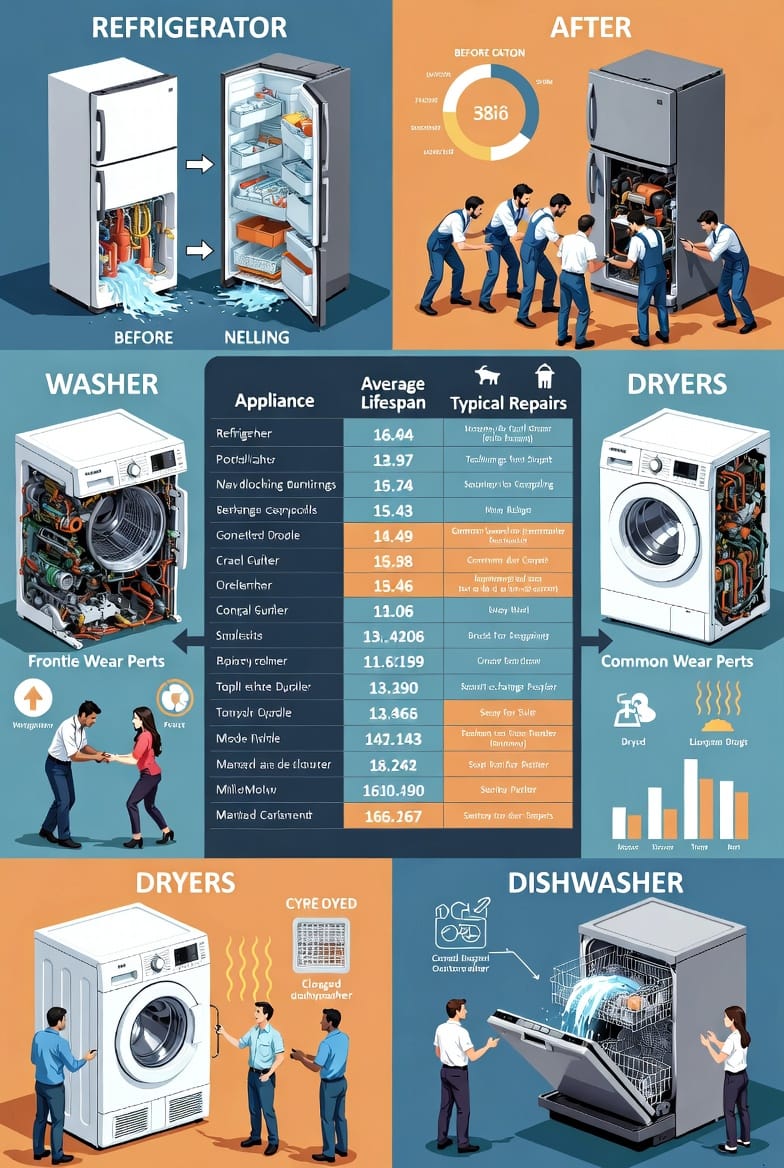
Knowing common failure points helps predict if a repair is a band-aid or a cure. Each appliance has vulnerabilities:
- Refrigerators: Compressor failures (noisy or warm inside), seal degradation (leading to frost buildup), or thermostat issues. Average repair: $200-500. If seals are the culprit, a $100 fix extends life significantly.
- Washers: Drum bearings wear out (loud spinning), pumps clog (no drainage), or control boards fail (error codes). Repairs range $150-400; bearings are labor-intensive but worthwhile for mid-life units.
- Dryers: Heating elements burn out (no heat), belts snap (drum won't turn), or vents clog (fire risk). Simple fixes like $100 elements vs. $300 full rebuilds.
- Dishwashers: Pump motors fail (poor cleaning), spray arms clog (streaks on dishes), or door latches break (leaks). Costs: $150-350; pumps are common but replaceable.
Proactive checks—cleaning vents annually or descaling with vinegar—prevent many issues. If failures align with age-related wear, replacement avoids a cycle of breakdowns.
Environmental and Economic Impacts: Broader Considerations
Beyond personal finances, think bigger. Repairing reduces landfill waste—appliances contribute to e-waste crises. However, inefficient old models increase energy consumption, indirectly harming the environment. Striking a balance: Opt for repair if viable, but choose eco-friendly replacements otherwise.
Economically, repairs support local jobs, while replacements boost manufacturing. Tax credits for energy-efficient buys sweeten the deal. In inflationary times, extending appliance life through maintenance is savvy.
Case Studies: Real-Life Repair vs. Replacement Scenarios
To illustrate, consider a 9-year-old refrigerator with a faulty ice maker. Repair cost: $250. New model: $1,200 with better efficiency saving $80/year. If you plan to stay in your home 5+ years, replace for net savings.
Conversely, a 6-year-old washer with a belt issue at $150 repair? Fix it—it's in its prime.
These examples show context matters. Always consult pros for tailored advice.
Maintenance Tips to Prolong Appliance Life
Prevent dilemmas with routine care:
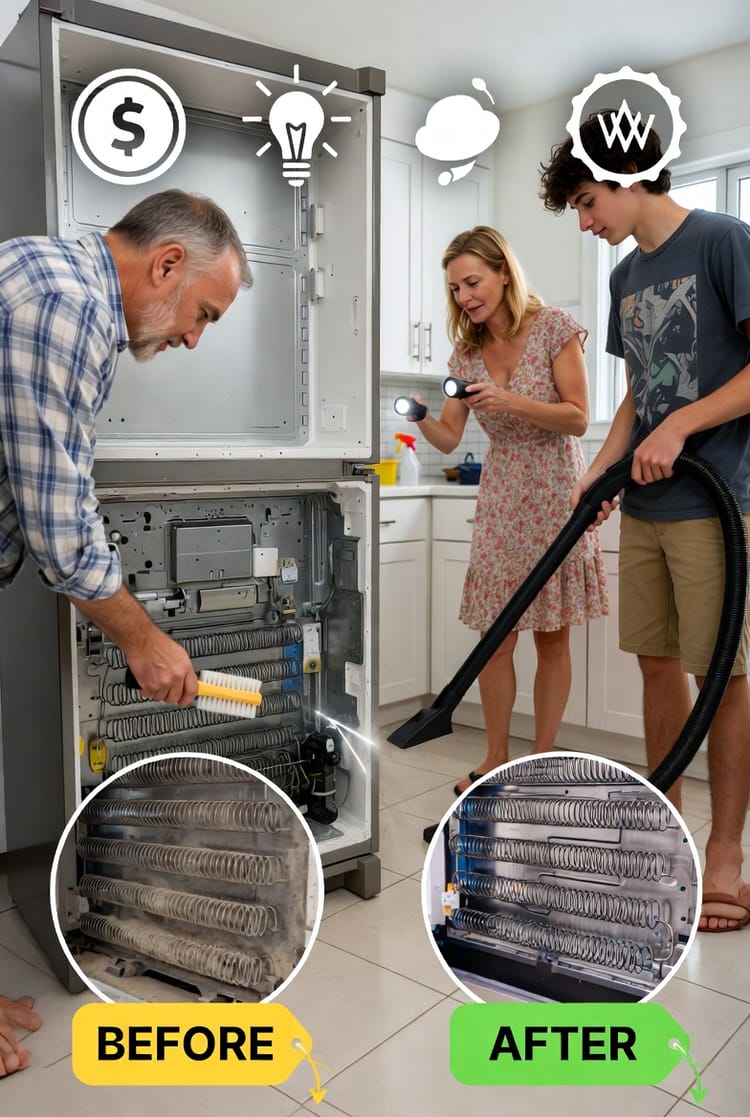
- Clean refrigerator coils biannually for efficiency.
- Level washers to reduce vibration wear.
- Vent dryers properly to prevent fires.
- Run empty dishwasher cycles with citric acid for descaling.
These habits can add 2-5 years, tilting decisions toward repair.
When to Call in the Experts
Self-repairs risk voiding warranties or causing damage. Professional technicians bring tools, experience, and guarantees. They spot issues you might miss, ensuring decisions are informed.
Final Thoughts: Empower Your Choice
Navigating the appliance lifespan dilemma boils down to informed analysis. Weigh age, costs, efficiency, and failures using our framework. Whether repairing restores reliability or replacing unlocks savings, the goal is a hassle-free home.
Broken Appliance? Call Now for Repair or Replace Expert Advice