Stamped Concrete Artistry: From Pattern Selection to Color Hardening for a Custom Outdoor Look
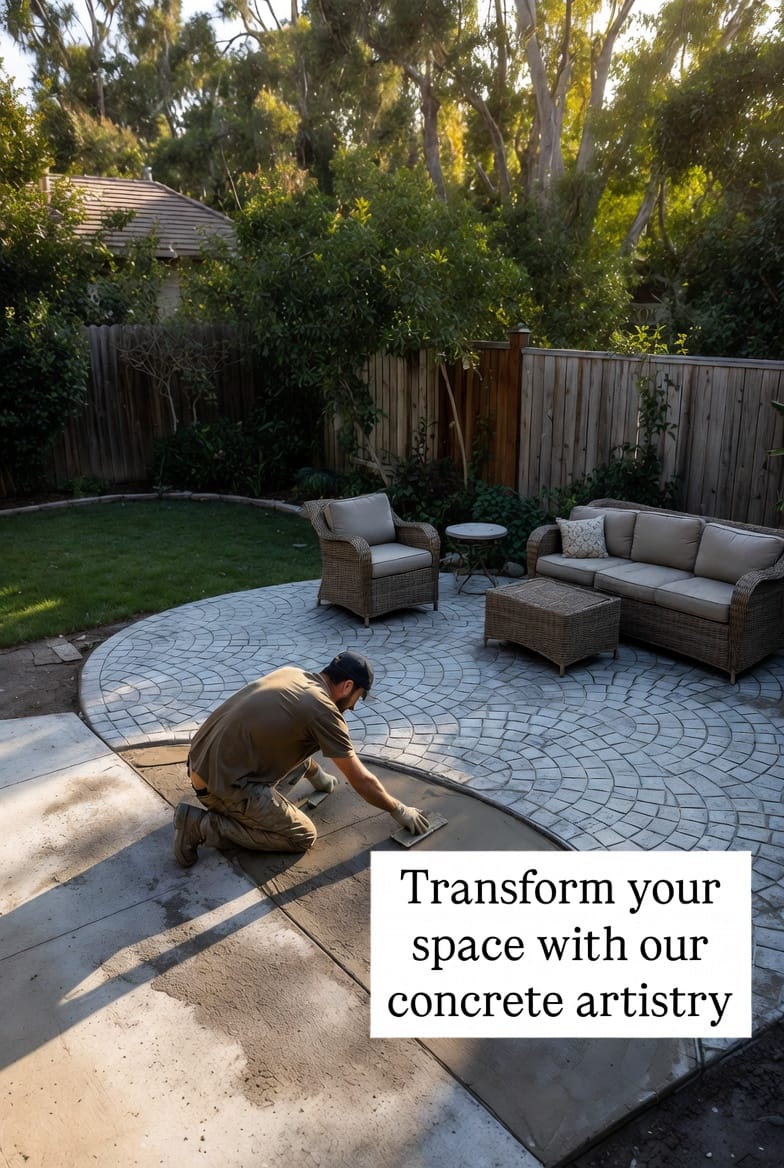
Stamped concrete has revolutionized outdoor design, turning an everyday material into a canvas for stunning, artistic expressions. What was once viewed as plain gray concrete can now mimic the elegance of natural stone, the classic charm of brick, or the warm texture of wood—all at a fraction of the cost of the real thing. This versatile technique allows homeowners and designers to create custom driveways, patios, walkways, and pool decks that blend seamlessly with any architectural style while delivering exceptional durability and low maintenance.
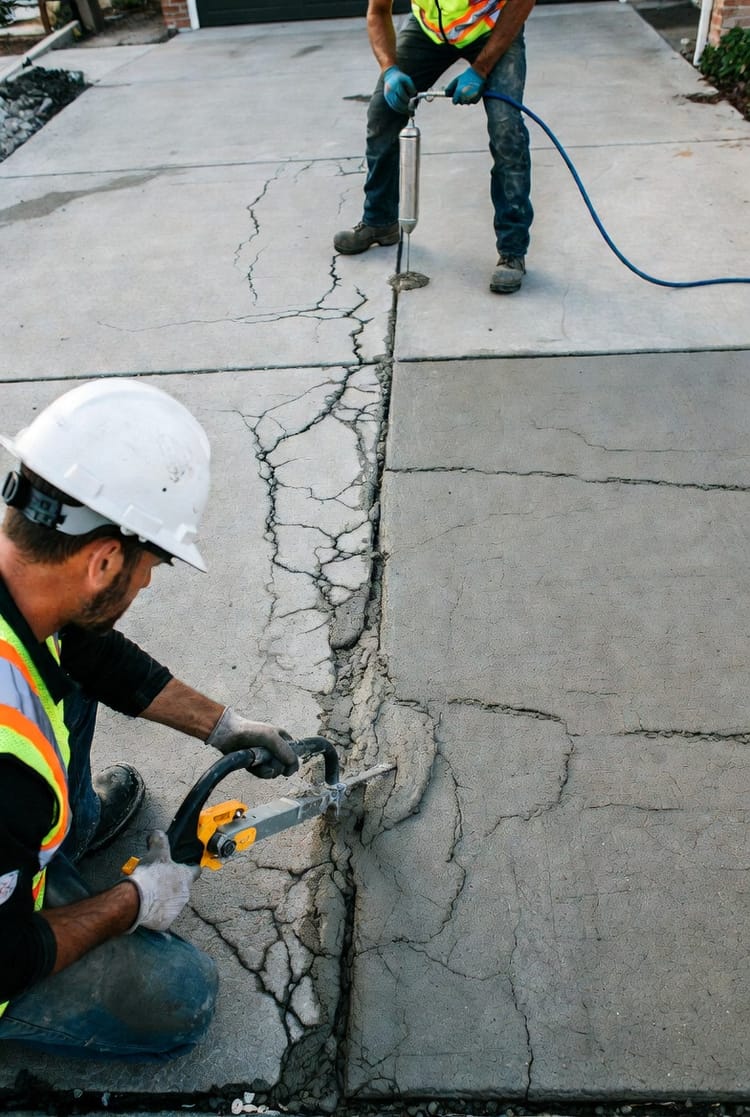
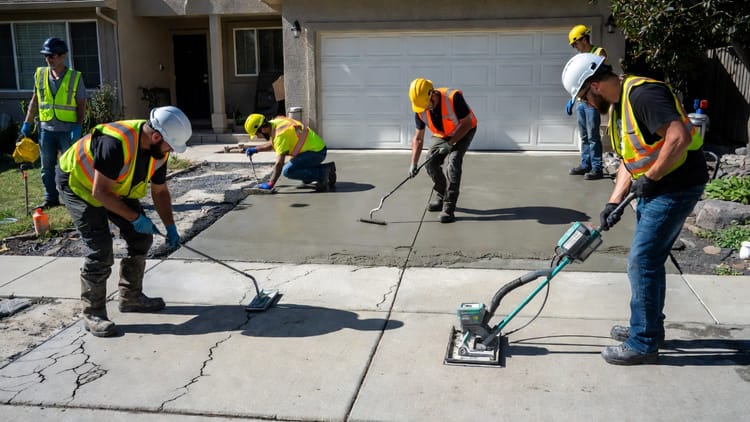
Repair Your Cracked Concrete—Call Today for a Flawless Finish!
The beauty of stamped concrete lies in its ability to combine functionality with high-end aesthetics. By carefully selecting patterns, colors, and finishes, you can achieve a truly bespoke look that elevates your outdoor living space. In this article, we walk through the complete process—from the initial base pour to the final sealing—highlighting how each step contributes to transforming ordinary concrete into an outdoor masterpiece.
Understanding the Artistic Potential of Stamped Concrete
Stamped concrete stands out because it offers endless customization. Unlike traditional poured concrete, which is flat and uniform, stamping introduces depth, texture, and visual interest. Popular patterns include:
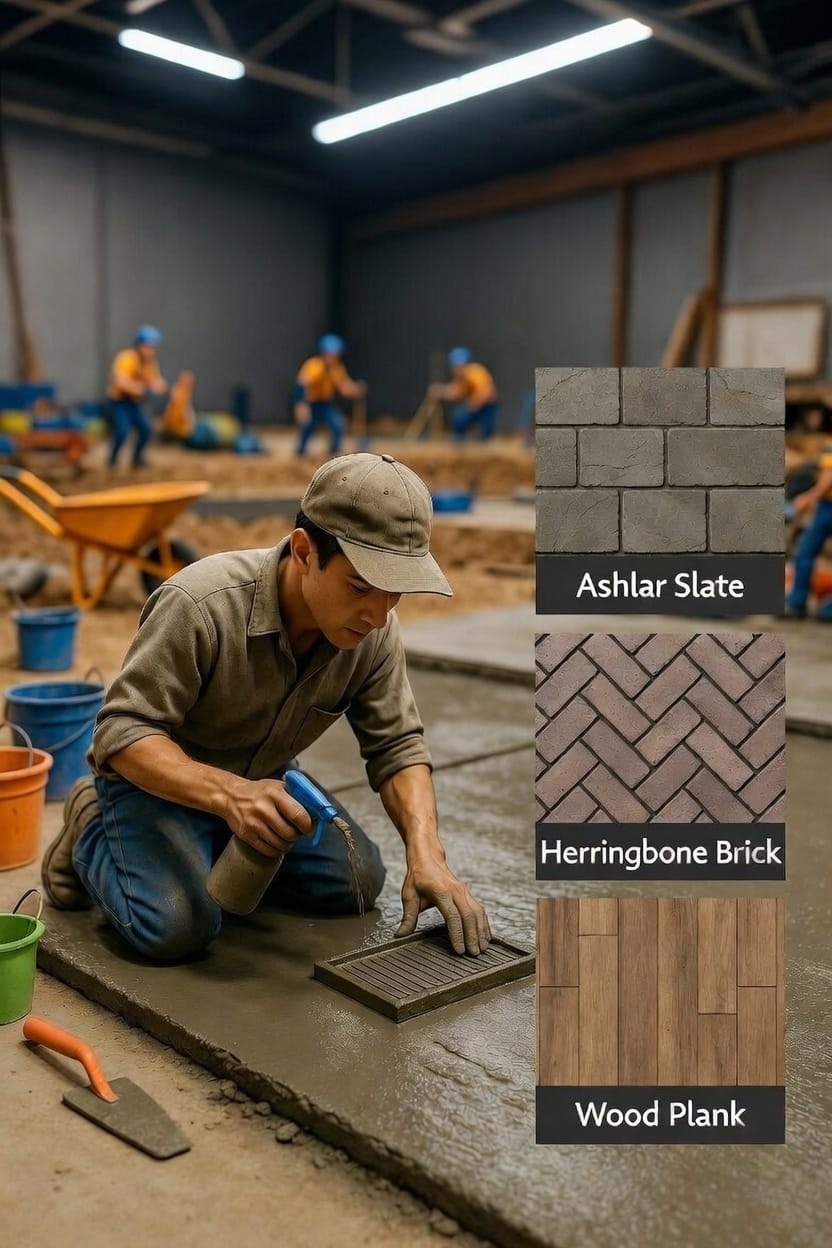
- Ashler slate for a natural, quarried-stone appearance
- Herringbone or running bond for timeless brick-like elegance
- Wood plank to replicate the look of weathered timber without the upkeep
These options allow you to match existing hardscapes, complement your home’s exterior, or create a focal point in the landscape. Beyond patterns, color plays a starring role. Modern advancements in concrete coloring techniques make it possible to achieve subtle earth tones, bold contrasts, or even multi-hued effects that closely resemble natural materials.The result? Outdoor surfaces that feel luxurious yet remain practical for everyday use—resistant to cracking, fading, and weathering when properly installed and maintained.
Step 1: Preparing and Pouring the Base
Every great stamped concrete project begins with a solid foundation. The process starts with site preparation: excavating the area, compacting the subgrade, and installing proper drainage to prevent future issues like settling or pooling water.
Next comes formwork—wooden or metal frames that define the shape and edges of the slab. Reinforcement, such as rebar or wire mesh, is added for strength, especially in high-traffic areas like driveways.
Once everything is set, fresh concrete is poured. The mix is typically a high-quality blend with the right slump (consistency) for workability during stamping. Timing is critical here—the concrete must be at the perfect plastic stage for imprinting, usually within 30–60 minutes after pouring, depending on weather conditions.
Step 2: Color Application – Integral Color vs. Color Hardener
Color is where the artistry truly begins. There are two primary methods to introduce hue:
- Integral color: Pigments are mixed into the concrete before pouring, providing uniform color throughout the slab. This approach works well for consistent, solid tones but offers less surface variation.
- Color hardener: A powdered pigment broadcast (hand-scattered) onto the surface of the wet concrete and then troweled in. This method creates richer, more natural-looking color with subtle mottling and depth—ideal for replicating stone or aged materials. The hardener also strengthens the surface, improving wear resistance.
Many professionals combine both for optimal results: integral color for the base tone and color hardener for added realism and durability. Release agents—either powder or liquid—are then applied. These prevent the stamping mats from sticking while adding secondary coloring effects, such as antiquing highlights in the joints.
Step 3: Stamping with Pattern Mats
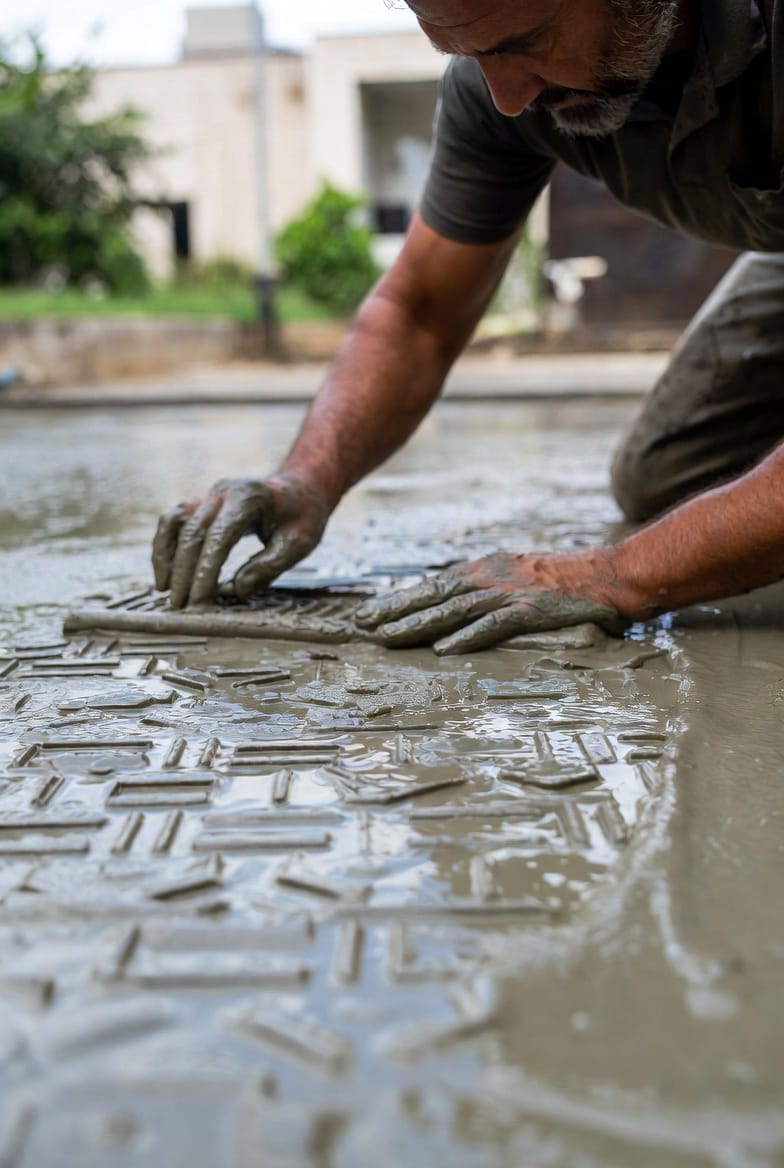
This is the transformative moment. Custom polyurethane stamping mats, textured to mimic real materials, are carefully placed onto the colored, still-pliable concrete. Workers use tools to press the mats evenly, ensuring deep, crisp impressions across the entire surface.
Large projects often require a team working in sequence to keep the concrete workable. The mats are lifted and repositioned, aligning patterns seamlessly to avoid obvious repeats. For complex designs like herringbone or curved layouts, precise planning and cutting of mats ensure a flawless finish.
After stamping, excess release agent is removed, and any minor touch-ups are made while the concrete remains workable.
Step 4: Curing, Cleaning, and Sealing
Once stamped, the concrete cures for several days. Curing compounds help retain moisture for proper strength development. After initial curing (typically 24–48 hours), the surface is pressure-washed to remove residual release agent, revealing the full color and texture.
The final—and perhaps most important—step is sealing. A high-quality acrylic or solvent-based sealer is applied, usually in two coats. This protective layer enhances color vibrancy, adds a subtle sheen (matte, satin, or gloss), and guards against stains, UV fading, freeze-thaw damage, and wear.
Regular resealing every 2–3 years keeps the surface looking fresh and extends its lifespan significantly.
Why Choose Stamped Concrete for Your Outdoor Space?
Stamped concrete delivers the aesthetic appeal of premium materials without the premium price tag. It’s highly customizable, durable enough for vehicle traffic (when reinforced properly), and far easier to maintain than natural stone or pavers—no weeds between joints, no shifting, and simple cleaning with a hose.
Whether you envision a rustic cobblestone patio for weekend barbecues, a sleek wood-look deck surrounding a pool, or an elegant brick driveway that complements your home’s curb appeal, stamped concrete makes it achievable.
Bringing Your Vision to Life
With the right expertise, stamped concrete transcends basic paving to become true outdoor artistry. Each project is an opportunity to blend creativity with engineering, resulting in spaces that are as beautiful as they are functional.
Ready to transform your plain concrete surfaces into something extraordinary?
Explore our design portfolio for inspiration and contact us today