Smart HVAC Systems: The Ultimate Guide to Year-Round Comfort and Savings
In today's fast-paced world, maintaining a comfortable home environment year-round isn't just a luxury—it's essential for health, productivity, and energy efficiency. Smart HVAC systems represent the pinnacle of modern heating, ventilation, and air conditioning technology, blending innovation with practicality to deliver unparalleled comfort and savings. Whether you're battling scorching summers or frigid winters, these intelligent systems adapt to your needs, reducing energy bills while enhancing indoor air quality. This comprehensive guide explores the core components of smart HVAC setups, including smart thermostat integration, zoning systems, heat pump technology, and indoor air quality solutions. We'll delve into how these elements synergize for maximum efficiency, empowering you to make informed decisions for your home.
Achieve Perfect Year-Round Comfort – Call Our Specialists
Understanding the Basics of Smart HVAC Systems
At its core, a smart HVAC system is an interconnected network of devices that intelligently manage your home's climate. Unlike traditional systems that operate on fixed schedules, smart versions use sensors, algorithms, and connectivity to optimize performance in real-time. This results in energy savings of up to 20-30%, according to industry benchmarks, while ensuring consistent comfort.
Key benefits include:
- Energy Efficiency: Automated adjustments prevent unnecessary heating or cooling.
- Remote Control: Manage your system via smartphone apps from anywhere.
- Predictive Maintenance: Early alerts for issues like filter changes or system malfunctions.
- Integration with Smart Homes: Seamless compatibility with devices like Amazon Alexa or Google Home.
By focusing on these fundamentals, homeowners can transition from reactive climate control to proactive, intelligent management.
The Role of Smart Thermostat Integration
Smart thermostats are the brain of any advanced HVAC system. Devices like the Nest Learning Thermostat or Ecobee learn your habits over time, adjusting temperatures automatically to match your routine. For instance, they can lower the heat when you're away and ramp it up before you return, eliminating energy waste.
How does integration work? These thermostats connect via Wi-Fi to your HVAC unit, using geofencing technology to detect your location. They also incorporate weather data to preemptively adjust settings—for example, cooling your home ahead of a heatwave.
Advantages for year-round comfort:
- Customized Schedules: Tailor temperatures to different times of day or family members' preferences.
- Energy Reports: Monthly insights into usage patterns help identify savings opportunities.
- Voice Commands: Effortlessly control with phrases like "Hey Google, set the temperature to 72 degrees."
When integrated with other smart features, thermostats amplify overall system efficiency, ensuring your home remains a sanctuary regardless of external conditions.
Exploring Zoning Systems for Personalized Comfort
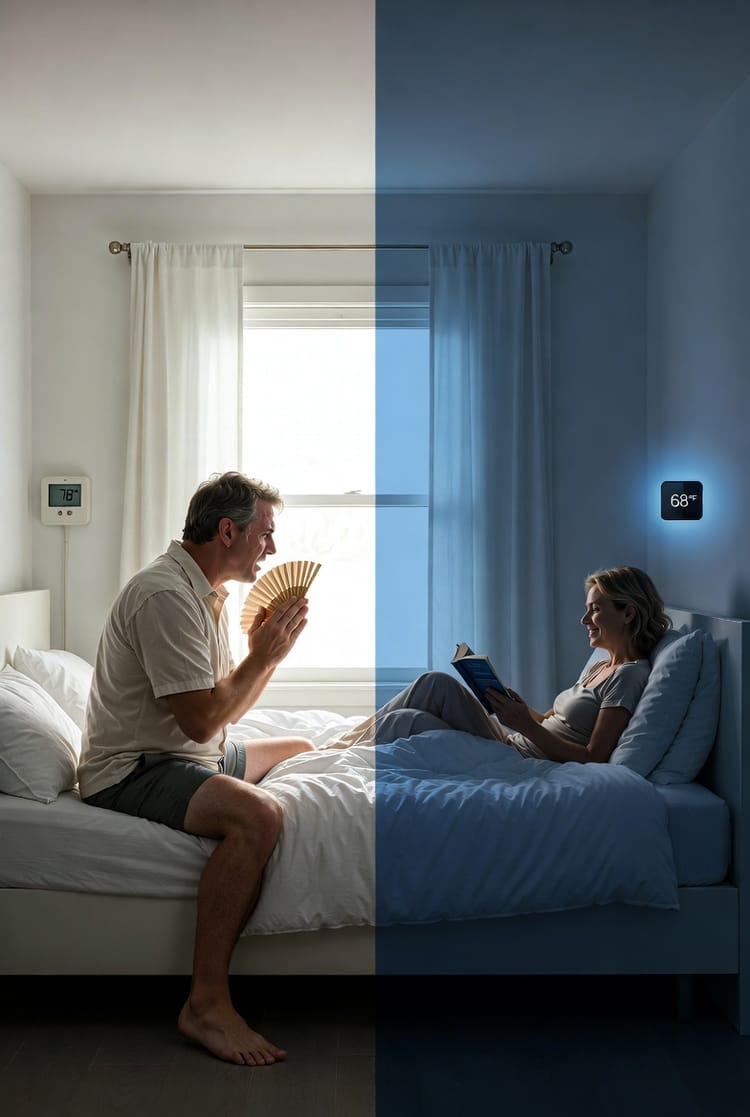
One-size-fits-all heating and cooling often leads to inefficiencies, with some rooms too hot and others too cold. Enter zoning systems, which divide your home into independent zones, each with its own temperature control. This is achieved through motorized dampers in your ductwork that open or close based on demand.
In a typical setup, sensors in each zone communicate with the central thermostat, directing airflow precisely where needed. For multi-story homes, this means the upstairs can stay cooler during summer days while the basement remains warmer in winter.
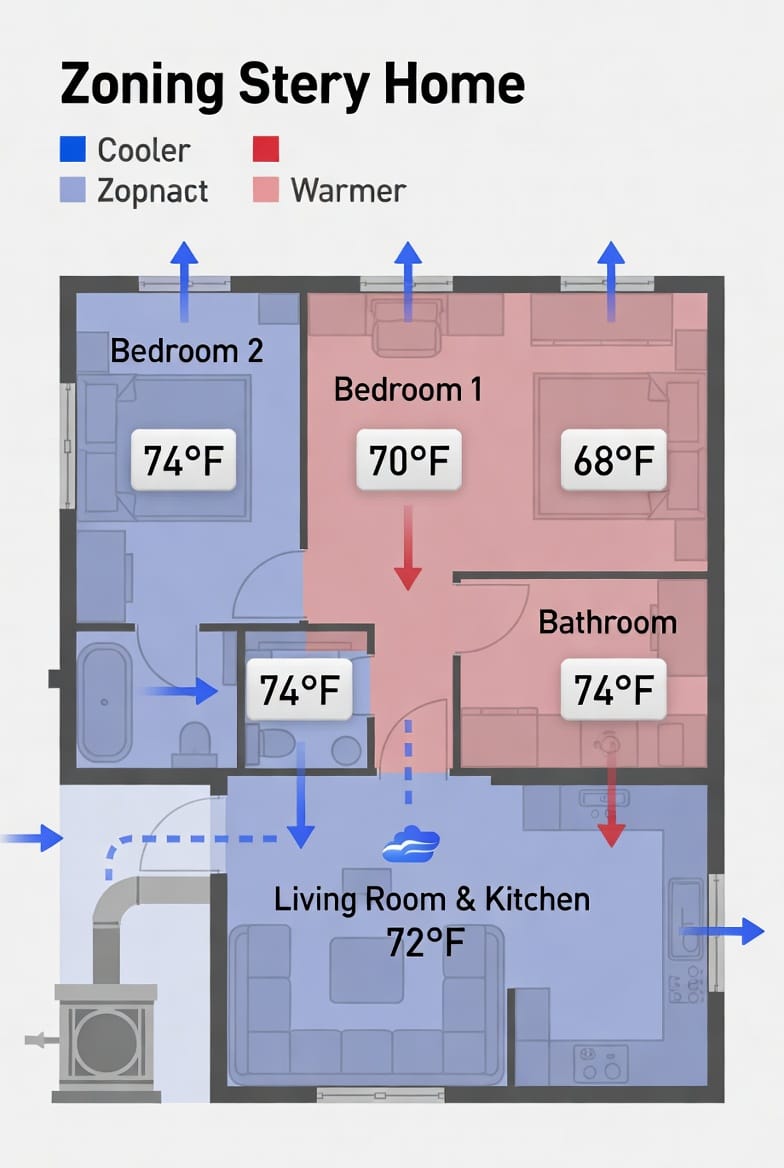
Benefits of zoning include:
- Reduced Energy Waste: Only condition occupied areas, slashing bills by 30%.
- Enhanced Comfort: Eliminate hot/cold spots for a uniform experience.
- Quiet Operation: Dampers adjust smoothly, minimizing noise disruptions.
By working in tandem with smart thermostats, zoning systems create a harmonious environment, adapting to your lifestyle without constant manual tweaks.
Heat Pump Technology: Efficient Heating and Cooling in One
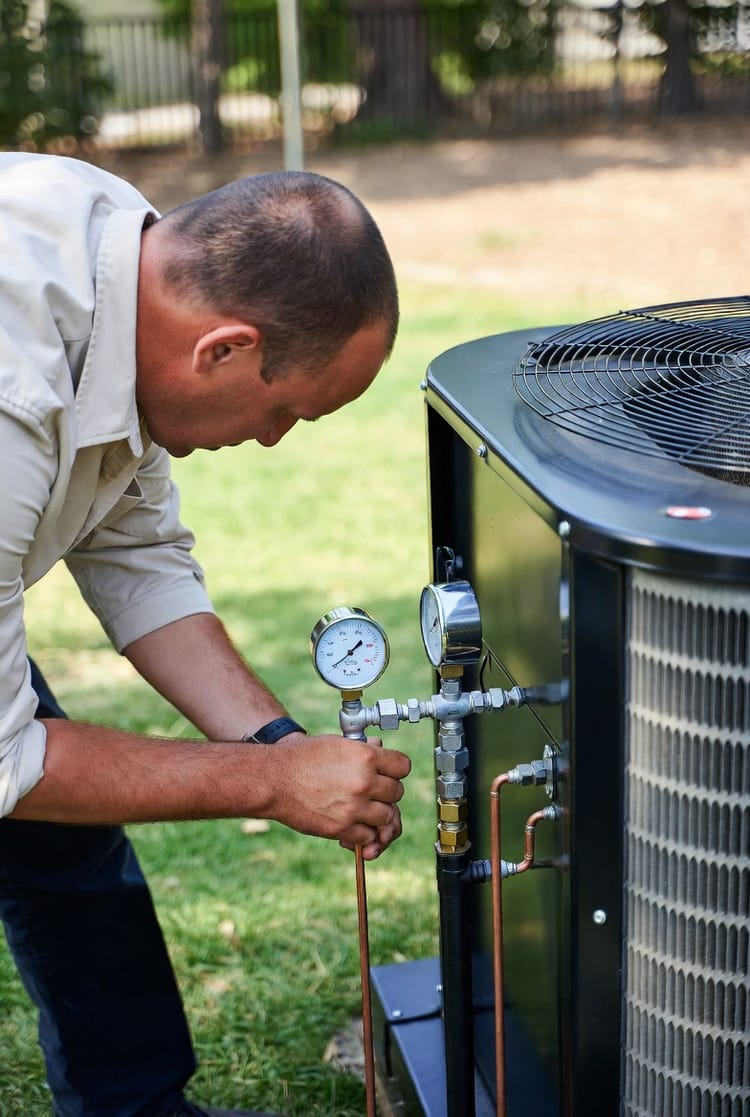
Heat pumps are revolutionizing HVAC by providing both heating and cooling from a single unit, making them ideal for year-round use. Unlike furnaces that generate heat, heat pumps transfer it—extracting warmth from outdoor air in winter and expelling it in summer. This process is far more efficient, often achieving 300% efficiency ratings compared to 80-90% for traditional systems.
Modern smart heat pumps, such as those from brands like Mitsubishi or Carrier, feature variable-speed compressors that adjust output based on need, avoiding the energy spikes of on/off cycles.
Integration highlights:
- Dual Functionality: Seamless switch between modes for all-season reliability.
- Eco-Friendly: Lower carbon footprint by using electricity over fossil fuels.
- Cost Savings: Eligible for rebates and incentives, reducing upfront costs.
When combined with zoning, heat pumps distribute conditioned air more effectively, ensuring every corner of your home benefits from this technology.
Indoor Air Quality Solutions: Breathing Easier at Home
No HVAC guide is complete without addressing indoor air quality (IAQ), as poor air can lead to health issues like allergies or respiratory problems. Smart systems incorporate advanced filtration, humidifiers, and UV lights to purify the air you breathe.
Essential components:
- Air Filters: Trap dust, pollen, and pollutants.
- Humidifiers/Dehumidifiers: Maintain optimal humidity levels (40-60%) to prevent mold and dryness.
- Ventilation Systems: Exchange stale indoor air with fresh outdoor air.
Smart IAQ monitors, like those integrated with thermostats, track pollutants in real-time and activate purifiers as needed.
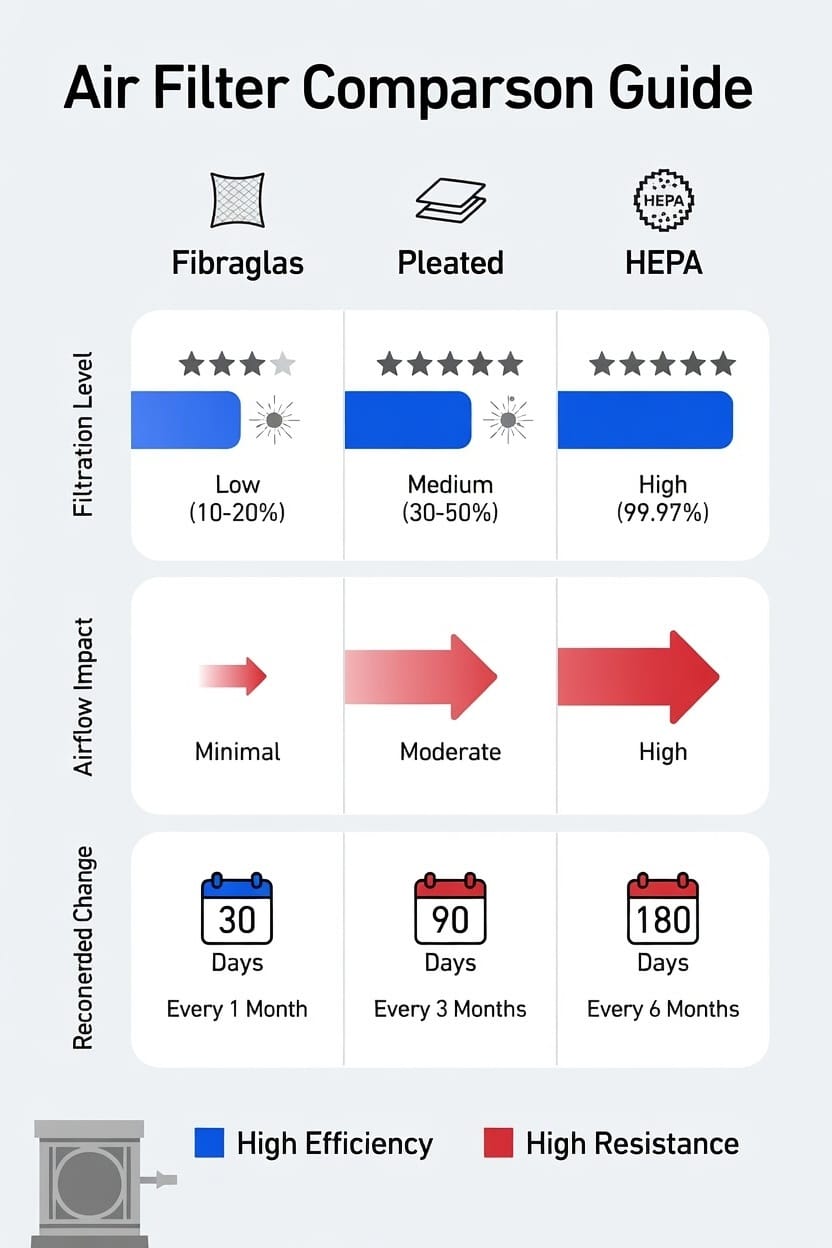
How these enhance efficiency:
- Health Benefits: Reduce allergens, improving sleep and well-being.
- System Longevity: Cleaner air means less strain on HVAC components.
- Energy Optimization: Balanced humidity allows the system to run more efficiently.
How These Systems Work Together for Maximum Efficiency
The true power of smart HVAC lies in synergy. Imagine a scenario: Your smart thermostat detects you're heading home via geofencing and signals the zoning system to precondition your living areas. The heat pump ramps up efficiently, drawing on outdoor conditions, while IAQ solutions ensure the air is fresh and filtered.
This interconnected approach minimizes energy use—thermostats optimize schedules, zoning targets specific needs, heat pumps provide versatile power, and IAQ maintains purity without overworking the system. Result? Up to 40% savings on utility bills and a home that's always comfortable.
Practical tips for implementation:
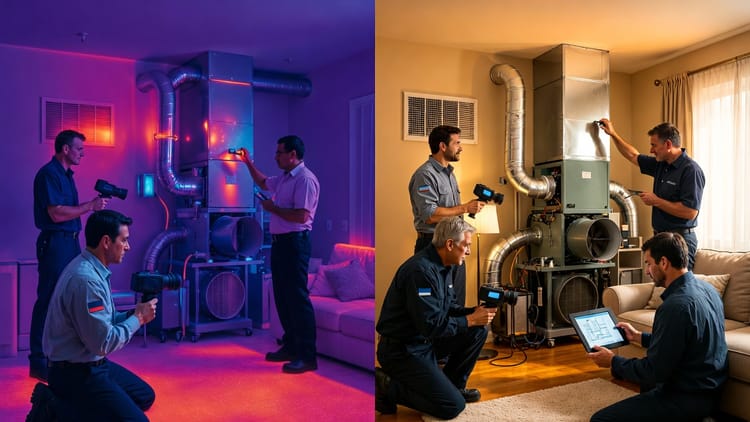
- Assess Your Home: Conduct an energy audit to identify needs.
- Professional Installation: Ensure compatibility and proper setup.
- Maintenance Routine: Schedule annual check-ups to sustain performance.
With these elements in harmony, you're not just controlling temperature—you're crafting an ideal living space.
Overcoming Common Challenges in Smart HVAC Adoption
Transitioning to smart systems can seem daunting, but rest assured, solutions exist for every hurdle.
- Initial Costs: While upfront expenses are higher, long-term savings and rebates offset them quickly.
- Compatibility Issues: Most modern homes integrate easily; retrofits are straightforward with expert help.
- Learning Curve: User-friendly apps make management intuitive for all ages.
By addressing these proactively, you can enjoy the benefits without stress.
Real-World Savings and Comfort Stories
Homeowners nationwide report transformative results. For example, families in variable climates like the Midwest praise how zoning eliminates uneven temperatures, while coastal residents appreciate heat pumps' dehumidification prowess. One study from the U.S. Department of Energy highlights average annual savings of $500-1,000 per household.
These anecdotes underscore the reliability and value of smart HVAC.
Future Trends in Smart HVAC Technology
Looking ahead, advancements like AI-driven predictive analytics and solar integration promise even greater efficiency. Expect systems that anticipate needs based on occupancy patterns or integrate with electric vehicles for energy sharing.
Staying informed positions you to upgrade wisely.
Conclusion: Your Path to Optimal Home Comfort
Embracing smart HVAC systems means investing in comfort, health, and savings that last. From intelligent thermostats to advanced air quality measures, these technologies work in concert to create a home that's efficient and inviting year-round.
Ready for Smarter Heating & Cooling? – Call No