Rapid Water Damage Response: Why Immediate Action is Critical to Save Your Property
Water damage can strike unexpectedly, turning a safe haven into a potential disaster zone. Whether from a burst pipe, heavy rainfall, or an appliance malfunction, the consequences can escalate rapidly if not addressed promptly. As experts in property restoration, we understand the urgency involved. Immediate action is not just recommended—it's essential to minimize structural harm, prevent health risks, and avoid costly repairs. In this comprehensive guide, we'll explore the categories of water damage, the timeline for mold growth, the professional mitigation process, and why attempting a DIY cleanup often leads to more problems. Rest assured, with the right response, your property can be salvaged effectively.
Stop Water Damage Before It’s Too Late – Call Immediately
Understanding Water Damage Categories
Water damage isn't one-size-fits-all; it varies based on the source and contamination level. Recognizing these categories helps in assessing the severity and planning the response. Here's a breakdown:
- Category 1: Clean WaterThis originates from sanitary sources like supply lines, faucets, or rainwater without contaminants. While initially low-risk, it can degrade if left standing, potentially leading to secondary issues like material warping or electrical hazards. Quick extraction is key to preventing escalation.
- Category 2: Gray WaterInvolving some contaminants, such as from washing machines, dishwashers, or sump pump failures, this type poses moderate health risks due to bacteria or chemicals. It requires thorough sanitization to avoid spreading pathogens.
- Category 3: Black WaterThe most severe, stemming from sewage backups, floodwaters, or standing water with heavy microbial growth. Highly contaminated, it demands immediate professional intervention to handle biohazards safely.
By identifying the category early, you can prioritize safety and efficiency. Delaying response in any category allows water to seep into porous materials like drywall, flooring, and insulation, amplifying damage.
The Alarming Timeline of Mold Growth
Mold is one of the stealthiest threats following water intrusion. It thrives in damp, dark environments, and its growth can begin astonishingly fast. Understanding this timeline underscores why hesitation is dangerous:
- Within 24 Hours: Spores activate in moist conditions, starting to colonize surfaces. Visible signs may not appear yet, but the process is underway, especially in humid areas.
- 24-48 Hours: Mold begins to spread, releasing mycotoxins that can affect indoor air quality. Early symptoms like musty odors emerge, and sensitive individuals may experience respiratory irritation.
- 72 Hours and Beyond: Rapid proliferation occurs, embedding into materials and requiring extensive remediation. Structural integrity weakens, and health risks intensify, including allergies, asthma flare-ups, or more severe conditions.
Preventing mold starts with swift drying. Our authoritative advice: Don't wait for visible growth—act preemptively to disrupt this cycle and protect your property's value and occupants' well-being.
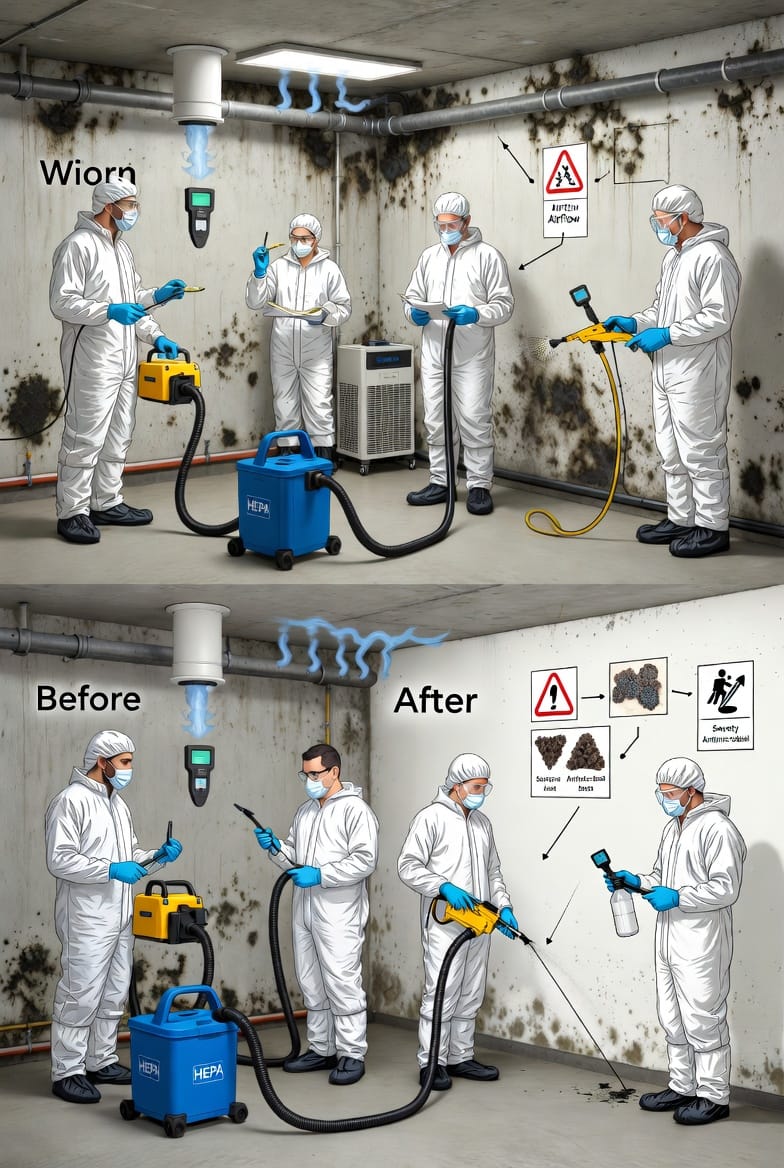
Risks of Inadequate DIY Cleanup
Many homeowners turn to DIY methods in a bid to save time or money, but this approach often backfires. While it's tempting to grab a mop or shop vac, inadequate cleanup can exacerbate issues. Here's why:
- Incomplete Water Removal: Household tools rarely extract water from deep within carpets, padding, or subfloors, leaving residual moisture that fosters bacterial growth and rot.
- Health Hazards from Contaminants: Without proper protective gear and knowledge, exposure to gray or black water can lead to infections or toxic reactions. DIY risks include mishandling chemicals, which might cause further damage or personal injury.
- Structural Compromises: Overlooking hidden damage, like weakened joists or electrical wiring, can result in long-term instability or fire risks. Professional assessments use advanced diagnostics to uncover these.
- Insurance Complications: Botched DIY efforts may void claims or increase premiums, as insurers expect documented, expert handling.
In our experience, professional intervention not only mitigates these risks but also ensures compliance with safety protocols. It's reassuring to know that experts can handle the heavy lifting, allowing you to focus on recovery.
The Professional Mitigation Process: Step-by-Step Guidance
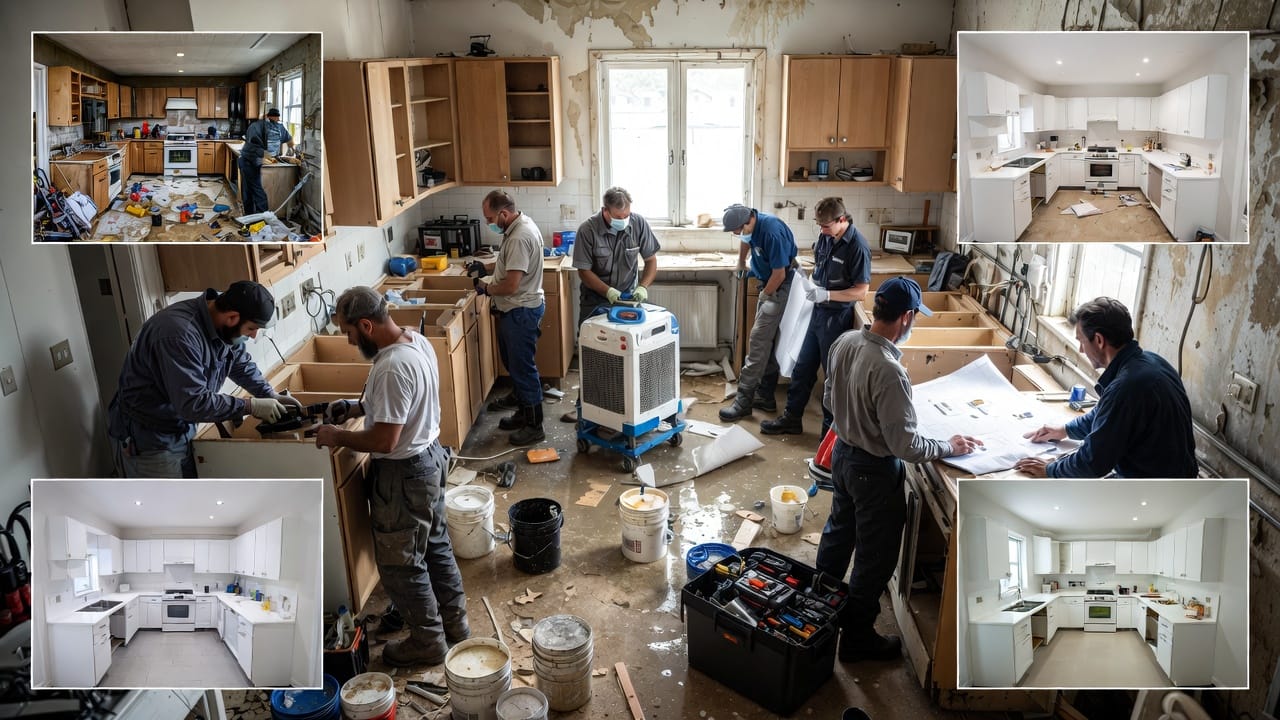
When water damage occurs, a structured professional process is vital for effective restoration. Our original guidance draws from years of hands-on expertise, emphasizing efficiency and thoroughness. Here's how it unfolds:
Initial Assessment and Safety Measures
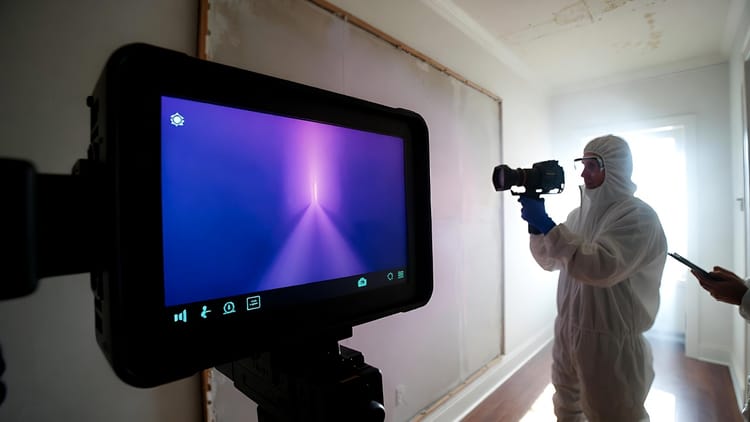
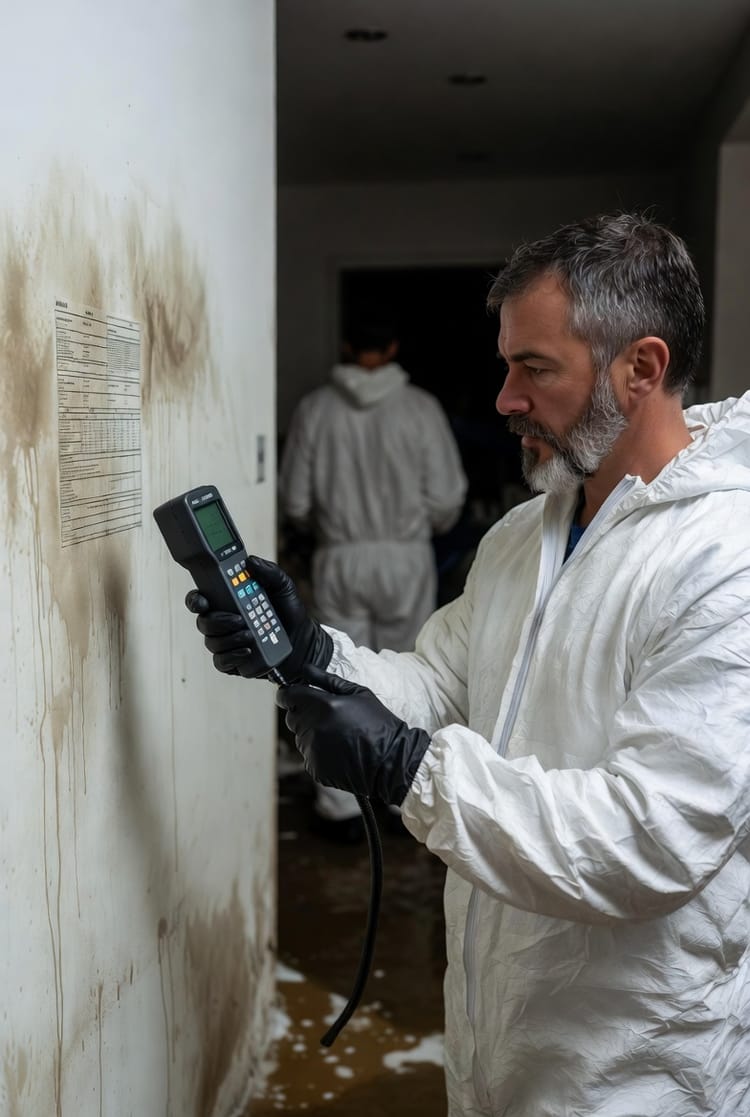
Upon arrival, technicians conduct a rapid evaluation using moisture detection tools to map the affected areas. Safety is paramount: Power is shut off if needed, and barriers are set to contain the damage.
Water Extraction and Removal
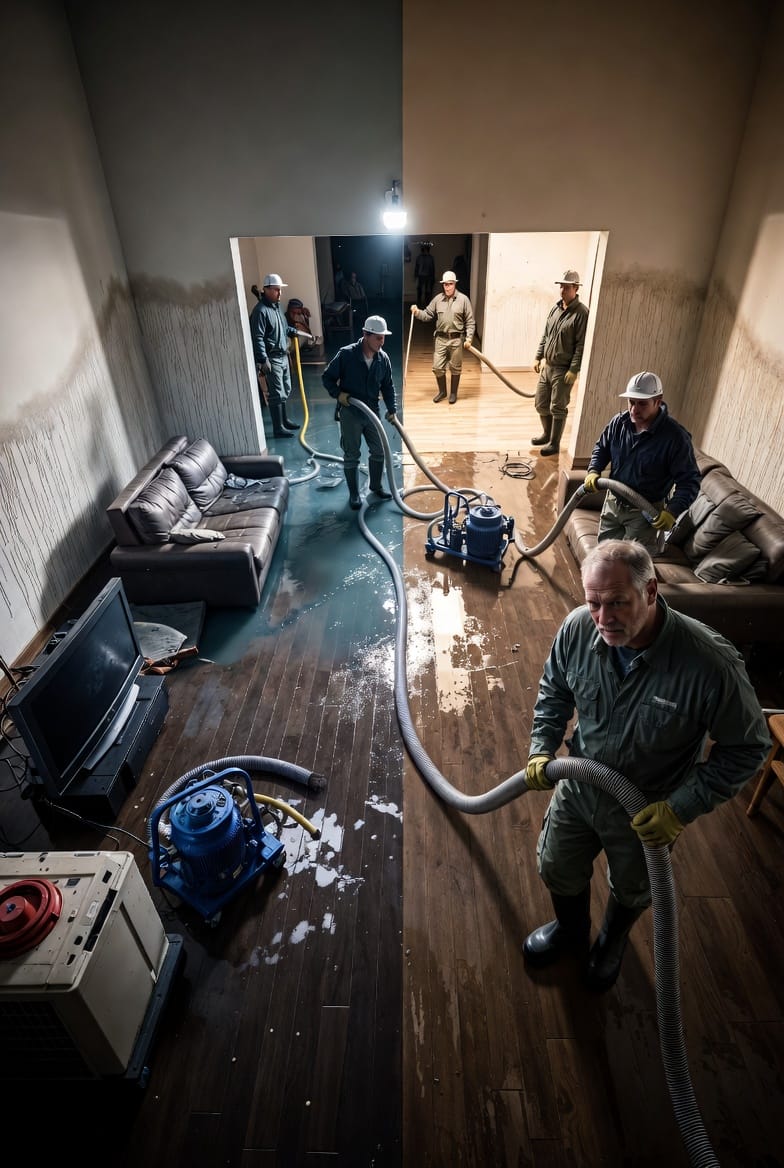
High-powered pumps and extractors remove standing water quickly. This step is crucial to halt further absorption into building materials.
Drying and Dehumidification
Industrial-grade fans, dehumidifiers, and air movers are deployed to evaporate moisture. Monitoring tools ensure humidity levels drop to safe thresholds, typically over 3-5 days.
Cleaning and Sanitization
Affected items are cleaned with antimicrobial agents. Non-salvageable materials are removed to prevent contamination spread.
Restoration and Repairs
Finally, structural repairs restore the property to pre-damage condition, including drywall replacement, flooring refinishing, and painting.
This process, when executed promptly, saves thousands in potential costs and preserves your property's integrity.
Why Choose Professional Help Over Waiting
Delaying action invites irreversible harm. Water weakens foundations, ruins belongings, and invites pests. Professionally, we mitigate these with proven techniques, offering peace of mind through warranties and follow-ups. Remember, every hour counts in preserving what matters most.
Preventive Tips for Future Protection
While emergencies happen, proactive steps can reduce risks:
- Regularly inspect plumbing and appliances for leaks.
- Install sump pumps in basements.
- Ensure proper drainage around your home.
- Maintain gutters and downspouts.
These measures, combined with annual professional check-ups, fortify your property against water threats.
In conclusion, rapid water damage response is your best defense. By understanding categories, mold timelines, and the pitfalls of DIY, you're empowered to act wisely. Trust in professional expertise for optimal outcomes.
Don’t Wait – Call for Professional Water Damage Restoratio