Preventive Dentistry: Your Gateway to Lifelong Oral and Overall Health
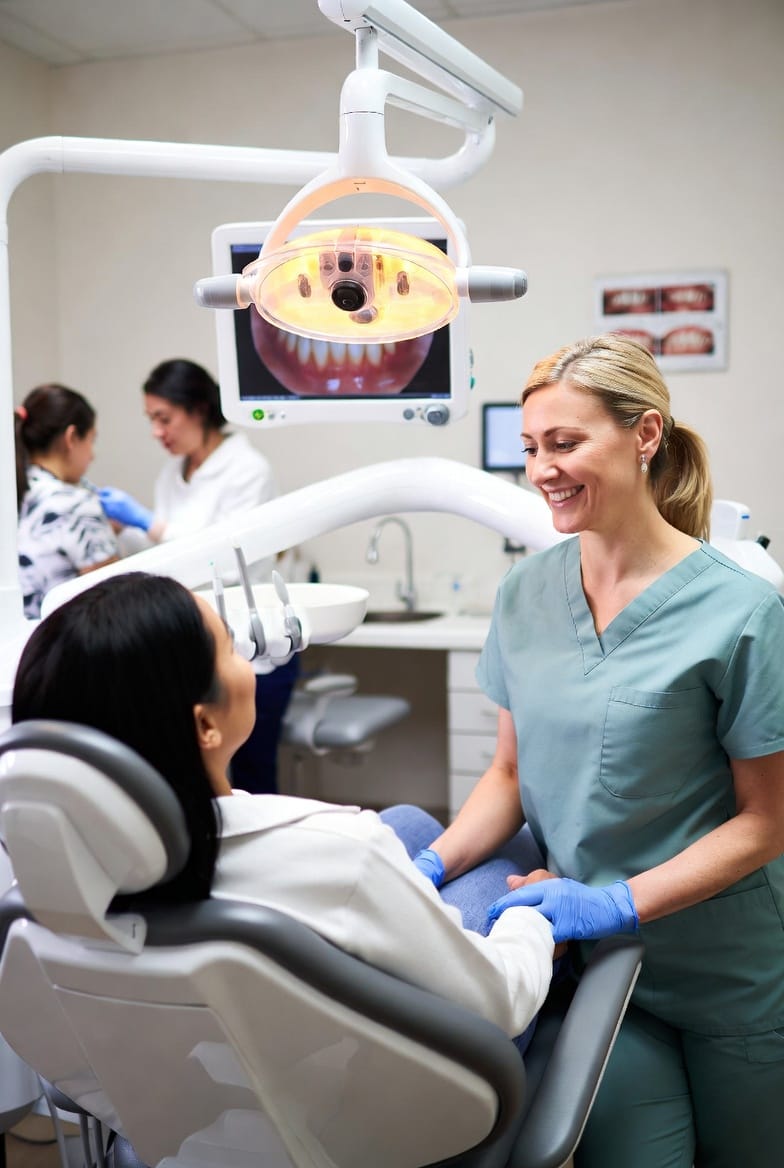
In today's fast-paced world, maintaining your oral health isn't just about a bright smile—it's a cornerstone of your overall well-being. As a compassionate dental professional, I want to assure you that embracing preventive dentistry can transform your life, warding off issues before they escalate and linking seamlessly to your systemic health. This article explores how meticulous oral care, including regular professional cleanings, periodontal maintenance, and early interventions, safeguards not only your teeth but your entire body. Whether you're a busy parent, a young professional, or enjoying your golden years, understanding these connections empowers you to take control.
Prevent Problems Before They Start – Book Your Visit
The Foundation of Preventive Dentistry
Preventive dentistry is more than routine visits; it's a proactive approach to oral hygiene that prevents decay, gum disease, and other complications. By focusing on education, early detection, and consistent care, we help patients avoid costly treatments down the line. Think of it as an investment in your future self—simple habits today yield lifelong benefits.
- Daily Oral Care Routines: Brushing twice daily with fluoride toothpaste, flossing, and using mouthwash form the bedrock. These actions remove plaque, the sticky film of bacteria that can harden into tartar.
- Professional Guidance: Your dentist provides personalized advice, tailoring recommendations to your unique needs, such as dietary tips to reduce sugar intake.
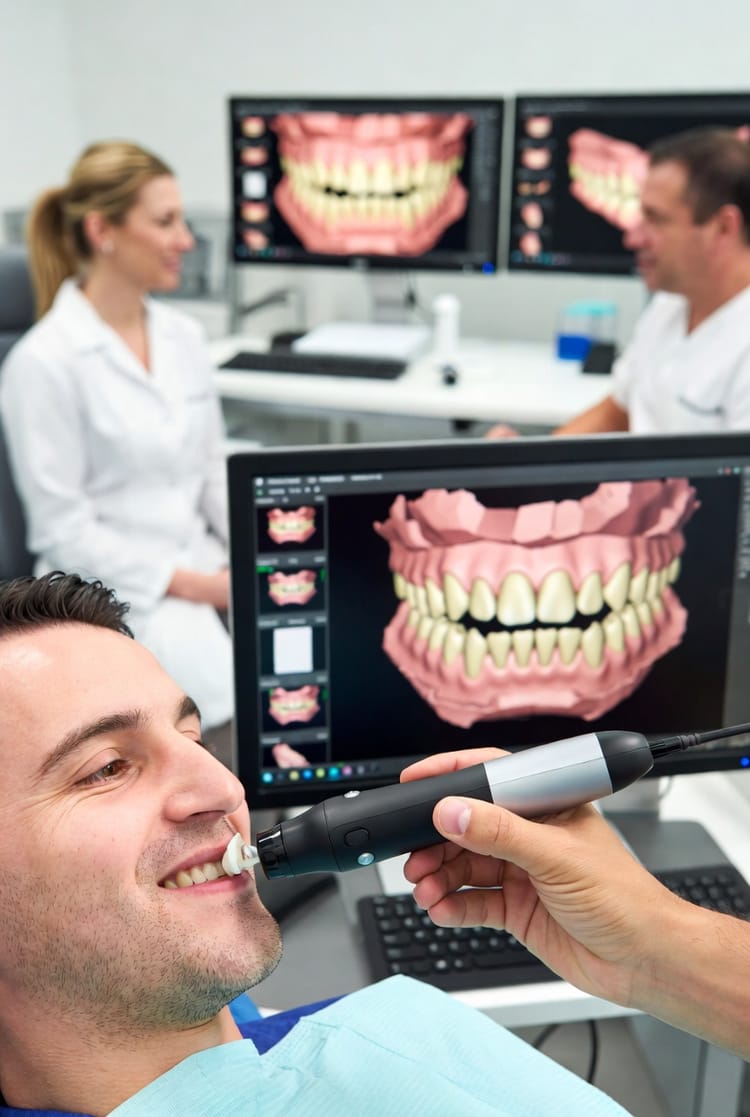
- Early Detection Tools: Technologies like digital X-rays and intraoral cameras spot issues invisible to the naked eye, ensuring problems are addressed promptly.
Rest assured, starting or refining these habits is easier than you think, and the rewards—fewer cavities, fresher breath, and a confident smile—are immediate.
Linking Oral Health to Systemic Wellness
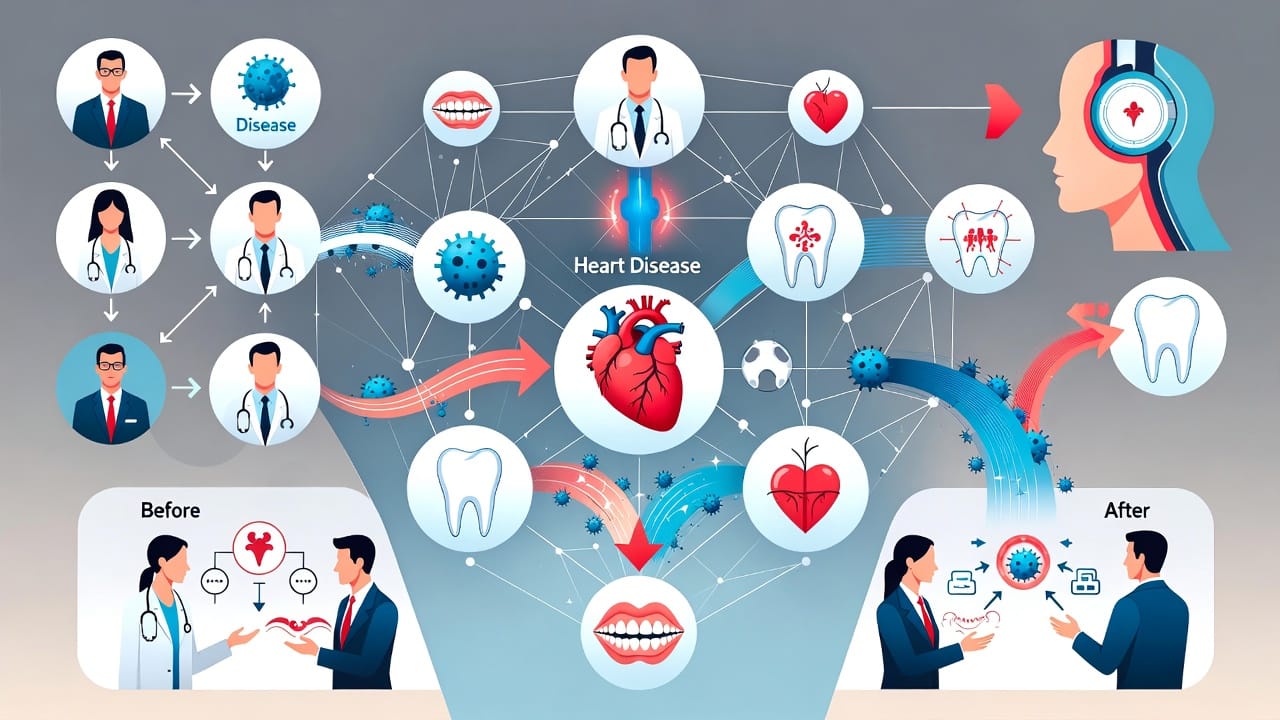
One of the most compelling reasons to prioritize preventive dentistry is its profound impact on systemic health. Research consistently shows that poor oral hygiene can contribute to conditions beyond the mouth, such as heart disease, diabetes, and even respiratory issues. The mouth is a gateway to the body, and inflammation from gum disease can enter the bloodstream, affecting distant organs.
For instance, periodontal disease—inflammation of the gums—has been linked to increased risks of cardiovascular problems. Bacteria from infected gums can travel to the heart, potentially leading to endocarditis or atherosclerosis. Similarly, for those managing diabetes, uncontrolled gum issues can worsen blood sugar levels, creating a vicious cycle. But here's the reassuring part: maintaining healthy gums through preventive measures breaks this cycle, promoting better overall control.
- Heart Health Connection: Studies indicate that regular dental cleanings reduce the risk of heart attacks and strokes by minimizing bacterial spread.
- Diabetes Management: Good oral care helps stabilize glucose levels, making diabetes easier to manage.
- Pregnancy Outcomes: Expectant mothers with healthy gums experience fewer complications, like preterm birth, emphasizing preventive care's role in family health.
By addressing oral health holistically, you're not just protecting your teeth—you're fortifying your body's defenses against chronic diseases.
The Vital Role of Professional Cleanings
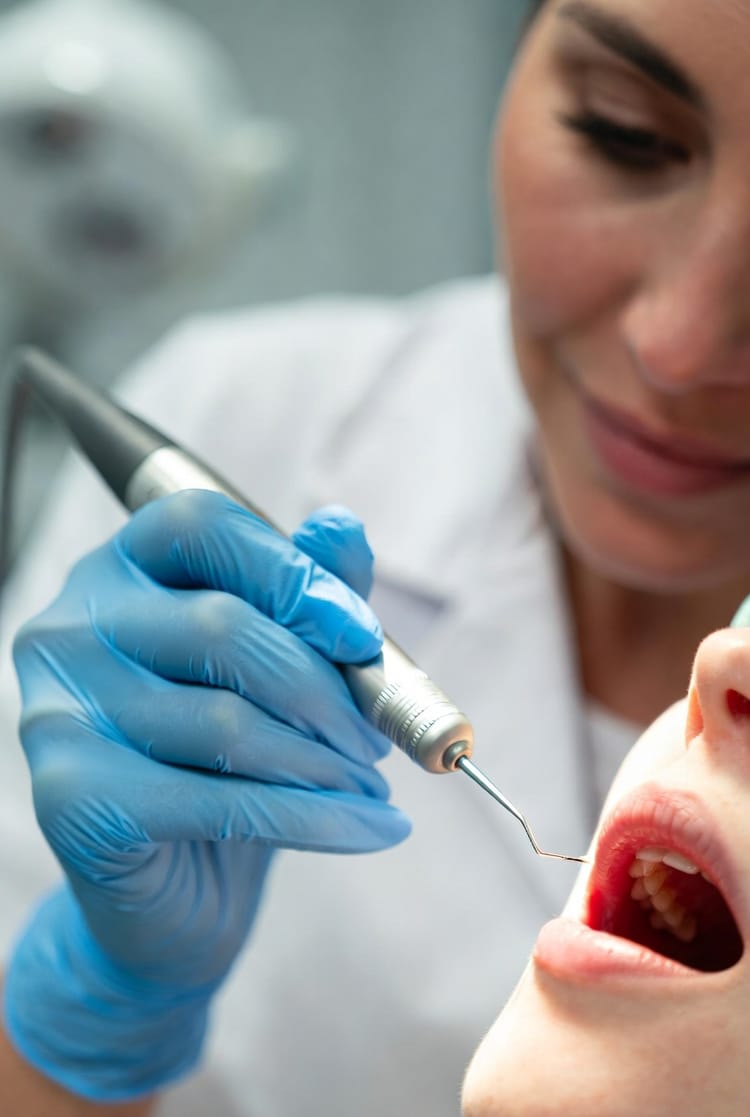
Professional cleanings, often called prophylaxes, are the heartbeat of preventive dentistry. Performed by a skilled hygienist, these sessions remove plaque and tartar that home care can't reach, polishing teeth to a smooth finish that discourages future buildup.
Why are they essential? Even with diligent brushing, microscopic deposits accumulate in hard-to-reach areas, fostering decay or gingivitis. A cleaning every six months—or more frequently if needed—keeps your mouth pristine.
- Scaling and Root Planing: For deeper cleanings, this technique smooths root surfaces to prevent bacterial adhesion.
- Fluoride Treatments: Applied post-cleaning, fluoride strengthens enamel, making teeth more resistant to acid attacks.
- Sealants for Prevention: Especially for children and teens, sealants protect molars from decay in grooves.
Patients often leave these appointments feeling refreshed and empowered, knowing they've taken a significant step toward lifelong health. If you've skipped a cleaning, don't worry—it's never too late to start.
Nurturing Periodontal Health for Long-Term Benefits
Periodontal health—the condition of your gums and supporting bone—is crucial in preventive dentistry. Healthy gums are firm, pink, and don't bleed during brushing. Neglect can lead to gingivitis, which, if untreated, progresses to periodontitis, causing tooth loss and bone deterioration.
The good news? Early intervention reverses many issues. Regular check-ups allow us to monitor gum pockets—spaces between teeth and gums—and intervene with gentle therapies.
- Gum Disease Risk Factors: Smoking, poor nutrition, and genetics increase vulnerability, but lifestyle changes mitigate them.
- Home Maintenance Tips: Use soft-bristled brushes and antimicrobial rinses to support professional efforts.
- Advanced Interventions: Laser therapy or antibiotic gels target persistent infections without invasive procedures.
With compassionate care, we guide you through these steps, ensuring your gums remain a strong foundation for your smile and health.
Early Intervention: Catching Issues Before They Escalate
Early intervention is the secret weapon of preventive dentistry. By identifying problems like small cavities or enamel wear early, we prevent them from becoming emergencies. This approach saves time, money, and discomfort.
For children, it means establishing habits that last a lifetime; for adults, it involves screenings for oral cancer or TMJ disorders. Tools like 3D imaging provide detailed views, enabling precise, minimally invasive treatments.
- Cavity Detection: Fluoride varnishes halt early decay, avoiding drills.
- Orthodontic Assessments: Early braces or aligners prevent bite issues that could lead to jaw pain.
- Oral Cancer Screenings: Quick, painless exams during visits detect abnormalities promptly.
Rest easy knowing that our team is trained to spot these subtly, turning potential risks into manageable solutions.
Preventive Dentistry Across Life Stages
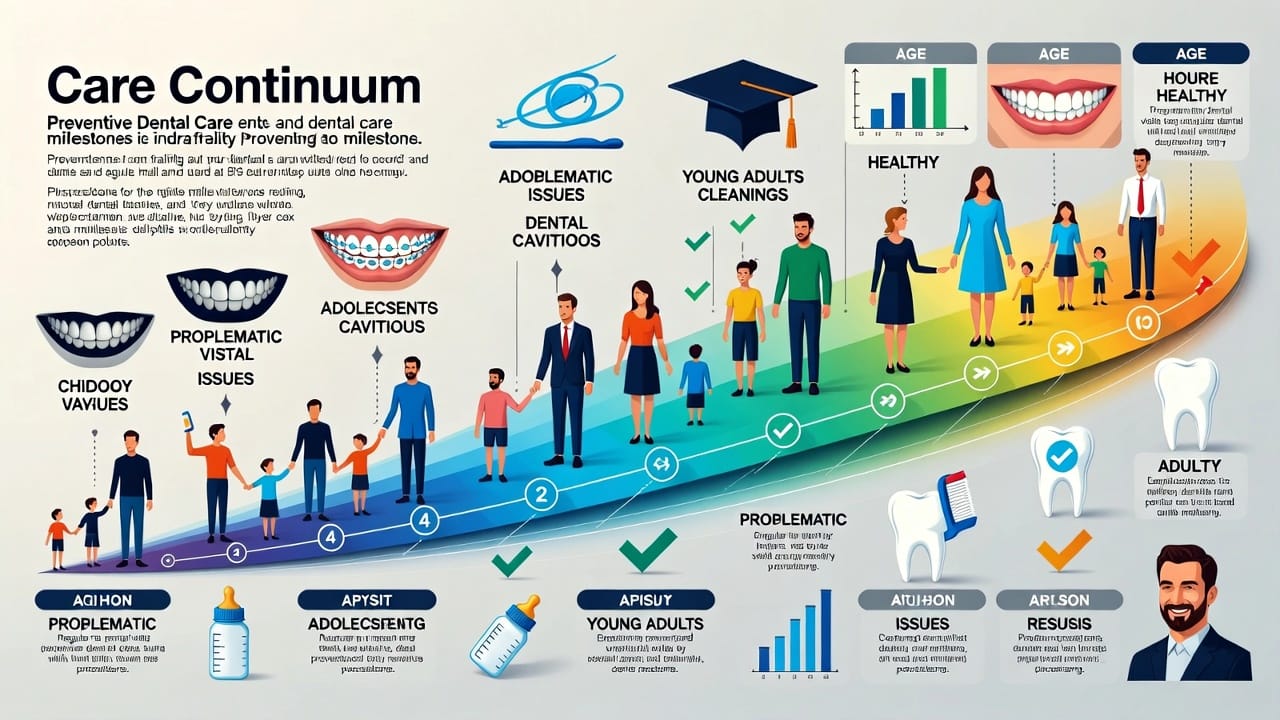
Preventive care evolves with you, from infancy to seniority. Tailoring it to each stage ensures optimal outcomes.
In childhood, focus on education and sealants to build resilience. Teens benefit from whitening discussions and sports guards. Adults prioritize stress-related grinding with night guards, while seniors address dry mouth from medications through hydration strategies.
- Childhood Milestones: First dental visit by age one, introducing fun, fear-free experiences.
- Adulthood Maintenance: Balancing career demands with biannual visits for sustained health.
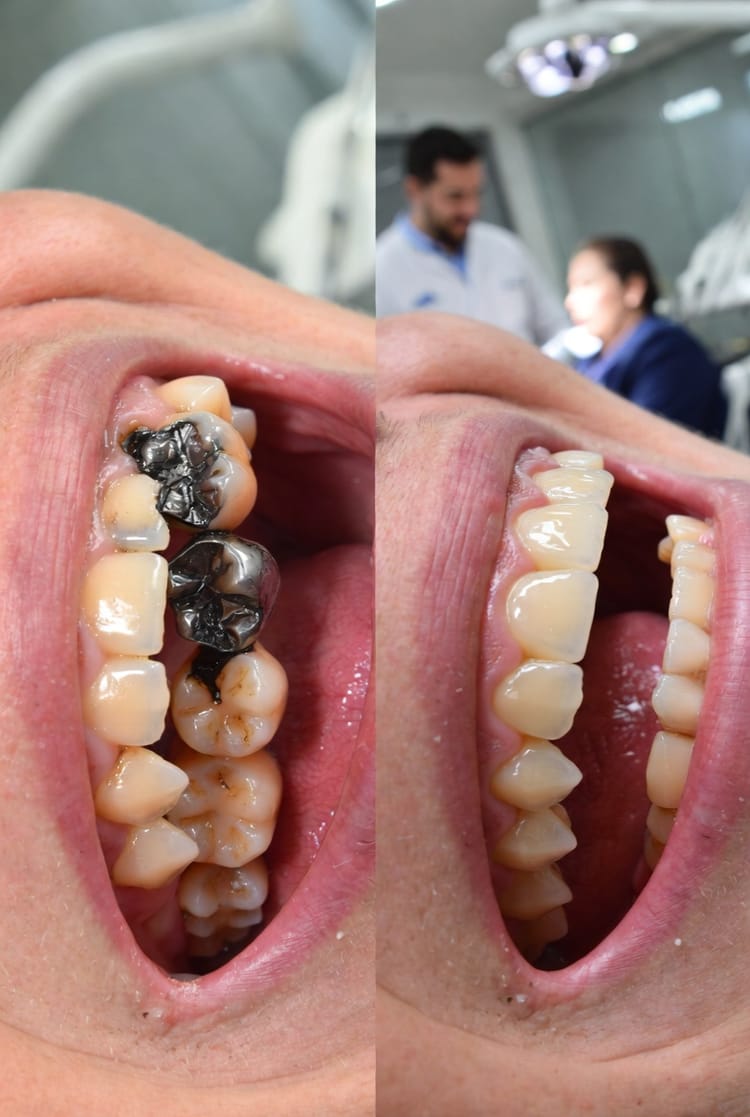
- Senior Considerations: Adapting to dentures or implants with ongoing support.
No matter your age, preventive dentistry adapts, providing compassionate, effective care.
Overcoming Common Barriers to Preventive Care
We understand that life gets busy, and fears or costs can deter visits. But preventive dentistry is accessible and worthwhile.
Address anxiety with sedation options or virtual consultations. Many insurances cover cleanings, and flexible payment plans ease financial concerns.
- Time Management: Short, efficient appointments fit into schedules.
- Fear Reduction: Gentle techniques and empathetic staff make visits comfortable.
- Cost-Effectiveness: Prevention averts expensive restorations.
You're not alone—we're here to support you every step.
Empowering You with Knowledge and Tools
Education is key in preventive dentistry. We equip you with resources like apps for tracking habits or nutritional guides linking diet to oral health.
Foods rich in calcium and vitamins bolster enamel, while avoiding tobacco preserves gum integrity. Hydration combats dry mouth, a precursor to decay.
- Nutritional Tips: Incorporate crunchy vegetables for natural cleaning.
- Habit Trackers: Use reminders for consistent flossing.
- Community Resources: Join support groups for motivation.
Knowledge empowers, turning preventive care into a seamless part of your routine.
The Broader Impact on Quality of Life
Beyond physical health, preventive dentistry enhances emotional well-being. A healthy smile boosts confidence, improving social interactions and career opportunities.
Studies link poor oral health to depression, but regular care alleviates this. It's about holistic wellness—feeling good inside and out.
- Social Benefits: Fresher breath fosters closer relationships.
- Professional Advantages: A polished smile conveys competence.
- Emotional Uplift: Reduced pain means more enjoyment in daily life.
Embrace this for a fuller, happier existence.
Your Next Steps in Preventive Dentistry
As we wrap up, remember: Preventive dentistry is your ally in achieving lifelong oral and overall health. By committing to regular cleanings, periodontal care, and early interventions, you safeguard against systemic risks and enjoy a vibrant smile.
Strong Gums, Healthy Body – Call for Your Appointment