Preemptive Strikes: Proactive Tree Removal and Pruning to Mitigate Storm Damage Risks

In an era where severe weather events are becoming more frequent and unpredictable, homeowners must adopt a proactive approach to safeguarding their properties. Storms can unleash devastating winds, heavy rains, and even tornadoes, turning seemingly sturdy trees into potential hazards. This article delves into the critical importance of preemptive tree removal and strategic pruning to reduce storm damage risks. By identifying and addressing issues like widowmaker limbs and unstable trees before disaster strikes, you can protect your home, family, and investments with confidence. As experts in arboriculture, we assure you that these measures are not just preventive—they're essential for long-term resilience.
Remove Widowmakers Today – Schedule Your Free Assessment
Understanding the Hidden Dangers in Your Yard
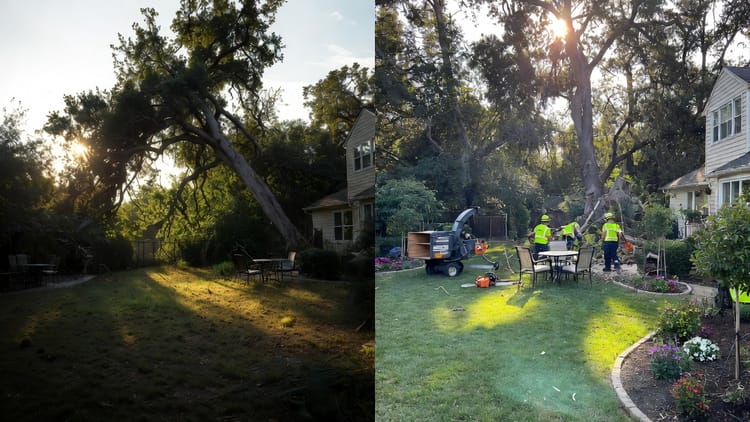
Trees enhance our landscapes with beauty and shade, but they can also pose significant threats during storms. Widowmaker limbs, those large, dead or weakly attached branches that hang precariously overhead, are aptly named for their potential to cause fatal accidents or extensive property damage. These limbs often go unnoticed until high winds snap them loose, crashing onto roofs, vehicles, or power lines.
Unstable trees, on the other hand, may suffer from root decay, poor soil conditions, or structural imbalances that make them prone to uprooting. Factors like previous storm damage, pest infestations, or improper planting can exacerbate these vulnerabilities. Recognizing these risks early is key to mitigating storm damage.
- Signs of Widowmaker Limbs: Look for dead branches larger than 4 inches in diameter, cracks at attachment points, or limbs extending far beyond the tree's natural canopy.
- Indicators of Unstable Trees: Leaning trunks, exposed roots, fungal growth at the base, or hollow sections signal potential failure.
- Environmental Clues: Trees in saturated soils or near construction sites are at higher risk during heavy rainfall.
By conducting regular inspections, you empower yourself to act before nature forces your hand. Professional arborists use advanced tools like resistographs to measure internal decay, ensuring accurate assessments without guesswork.
The Power of Preemptive Tree Removal
When a tree or limb is beyond saving, proactive removal is the safest course. Delaying this decision can lead to catastrophic consequences, such as blocked driveways, damaged structures, or even personal injury. Removing hazardous elements preemptively not only averts immediate dangers but also promotes healthier growth in surrounding vegetation.
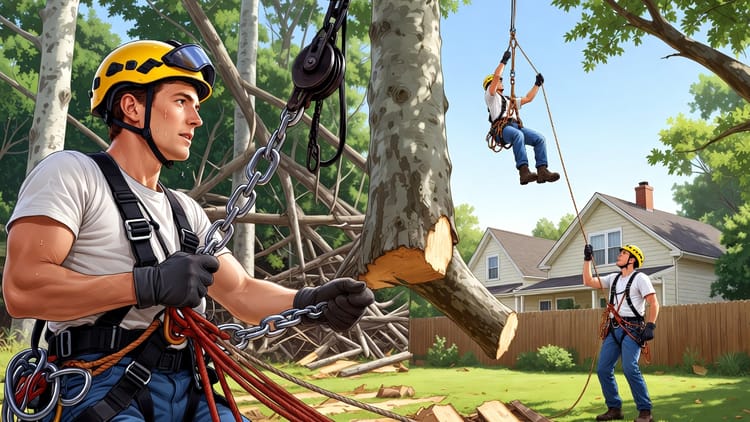
Consider the process: Certified professionals evaluate the tree's health, location, and impact on your property. They employ techniques like directional felling to control the fall path, minimizing risks to nearby assets. In urban settings, where space is limited, crane-assisted removals ensure precision and safety.
The benefits extend beyond storm preparedness. Tree removal can improve sunlight penetration for gardens, reduce allergens, and enhance curb appeal—turning a necessity into an opportunity for landscape enhancement. Rest assured, ethical arborists prioritize preservation, recommending removal only when absolutely necessary.
- Cost Savings: Preventing damage saves thousands compared to post-storm repairs.
- Insurance Considerations: Many policies favor proactive measures, potentially lowering premiums.
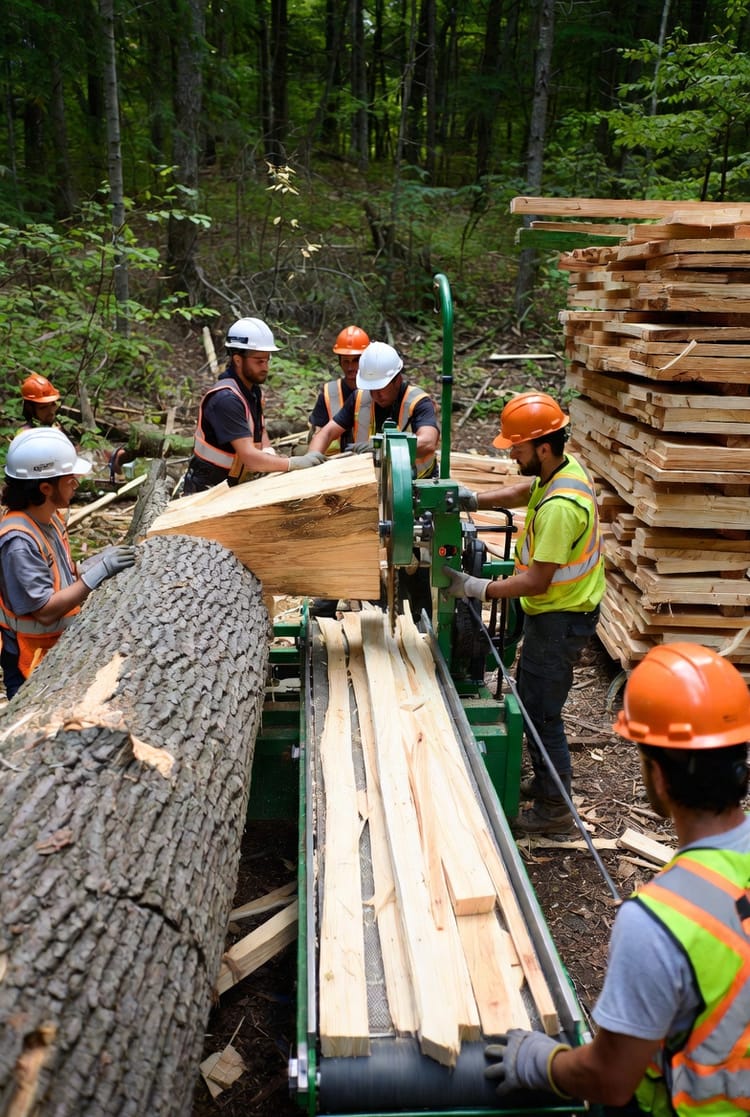
- Environmental Impact: Removed trees can be repurposed as mulch or firewood, supporting sustainability.
With climate change amplifying storm intensities, investing in preemptive strikes against unstable trees is a wise, forward-thinking strategy.
Mastering Strategic Pruning for Wind Resistance
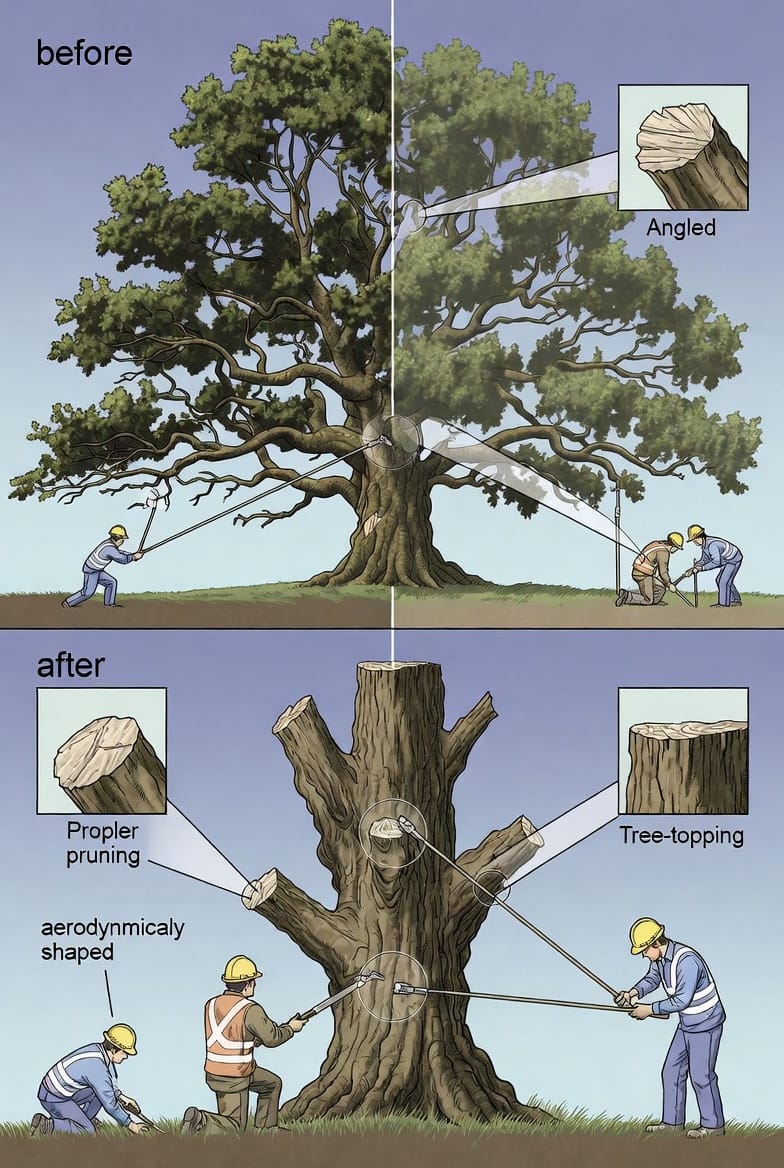
Not every issue requires full removal; often, strategic pruning can transform a vulnerable tree into a storm-resistant asset. Techniques like crown thinning and crown reduction are scientifically proven to reduce wind load, allowing air to flow through branches rather than against them.
Crown thinning involves selectively removing inner branches to decrease density without altering the tree's overall shape. This promotes better light and air circulation, strengthening the structure against gusts up to 60 mph or more. Studies from the International Society of Arboriculture show that thinned trees experience up to 30% less wind damage.
Crown reduction, meanwhile, shortens overextended limbs back to lateral branches, maintaining natural form while lowering the tree's center of gravity. This is particularly effective for species like maples or elms prone to breakage.
Avoid common pitfalls like tree topping, which creates weak regrowth and invites decay. Instead, adhere to ANSI A300 standards for pruning, ensuring cuts heal properly and minimize stress.
- Best Practices for Pruning:
- Prune during dormancy (late winter/early spring) to avoid disease.
- Use sharp, sterilized tools for clean cuts.
- Never remove more than 25% of the canopy in one session.
By integrating these methods, you create a resilient yard that withstands nature's fury, providing peace of mind year-round.
Timing Your Tree Care: Seasonal Strategies
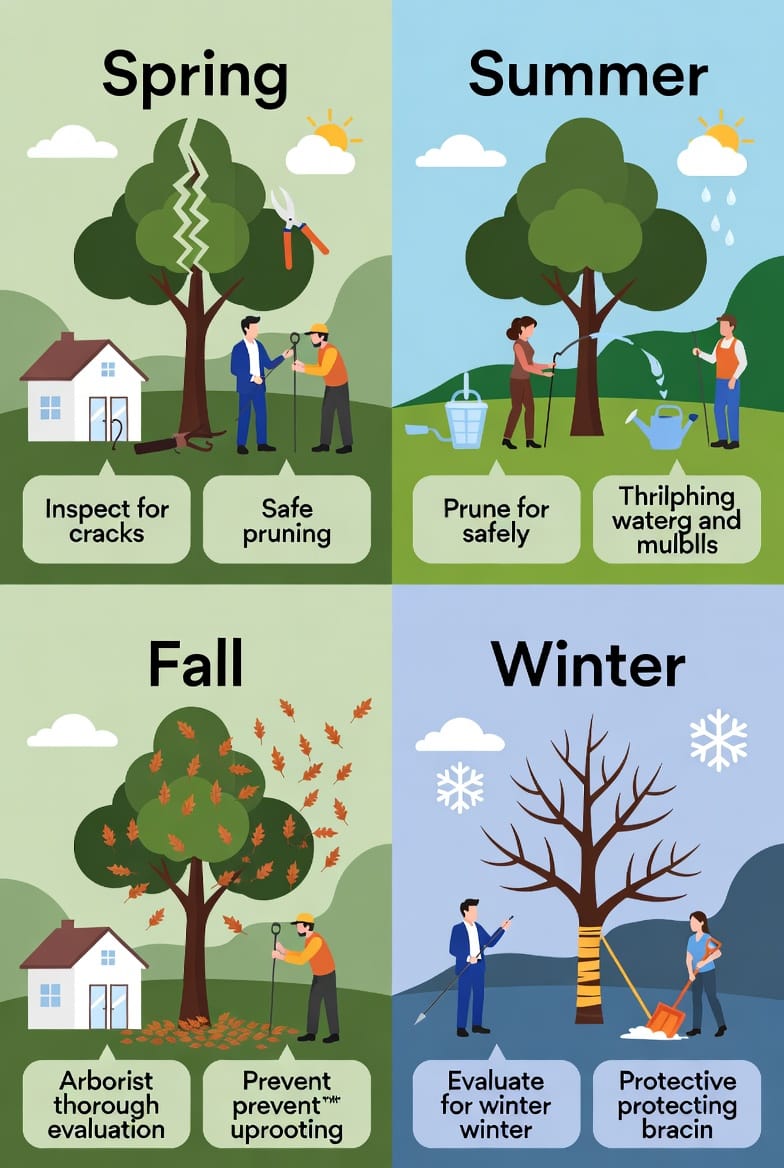
Timing is everything in storm preparedness. Spring and fall are ideal for evaluations, as trees are either budding or shedding leaves, revealing structural issues clearly. Summer inspections catch pest problems early, while winter assessments focus on dormant risks.
Develop a seasonal checklist to stay ahead:
- Spring: Inspect for winter damage, prune for growth direction.
- Summer: Monitor for insects/diseases, water deeply to strengthen roots.
- Fall: Remove deadwood, mulch bases for insulation.
- Winter: Plan major removals when ground is frozen, reducing site impact.
Professional services can tailor this to your region's climate, whether you're in hurricane-prone coastal areas or tornado alleys.
Integrating Professional Expertise
While DIY inspections are valuable, nothing replaces the trained eye of a certified arborist. They bring diagnostic expertise, from soil testing to aerial drone surveys, ensuring comprehensive risk mitigation. Look for ISA-certified professionals who offer guarantees and follow safety protocols.
Incorporate tree care into your overall home maintenance plan, much like roof inspections or gutter cleaning. This holistic approach fortifies your property against multifaceted storm threats.
- Why Hire Pros?:
- Access to specialized equipment.
- Liability coverage for accidents.
- Long-term health advice for your trees.
Empower yourself with knowledge, but trust experts for execution—it's the authoritative path to security.
Case Studies: Real-World Successes
Across the U.S., proactive measures have averted disasters. In Florida, a homeowner removed a leaning palm before Hurricane Ian, saving their pool enclosure. In the Midwest, crown thinning on oaks prevented widespread outages during a derecho.
These stories underscore that preemptive action yields tangible results, from preserved structures to uninterrupted daily life.
Long-Term Benefits and Sustainability
Beyond immediate protection, proactive tree management fosters ecosystem health. Healthier trees sequester more carbon, support wildlife, and boost property values by up to 15%, per real estate studies.
Sustainably sourced replacements, like native species, ensure your yard evolves resiliently. This forward-thinking mindset aligns with global efforts against climate impacts.
Preparing for the Unpredictable
As weather patterns shift, adaptability is crucial. Combine tree care with other preparations: secure outdoor items, reinforce structures, and have emergency kits ready. Your trees are just one piece of the puzzle, but addressing them proactively sets a strong foundation.
Be Storm-Ready: Professional Tree Risk Assessment – Call Now!