Navigating the Aftermath: A Step-by-Step Guide to the Auto Insurance Claims Process

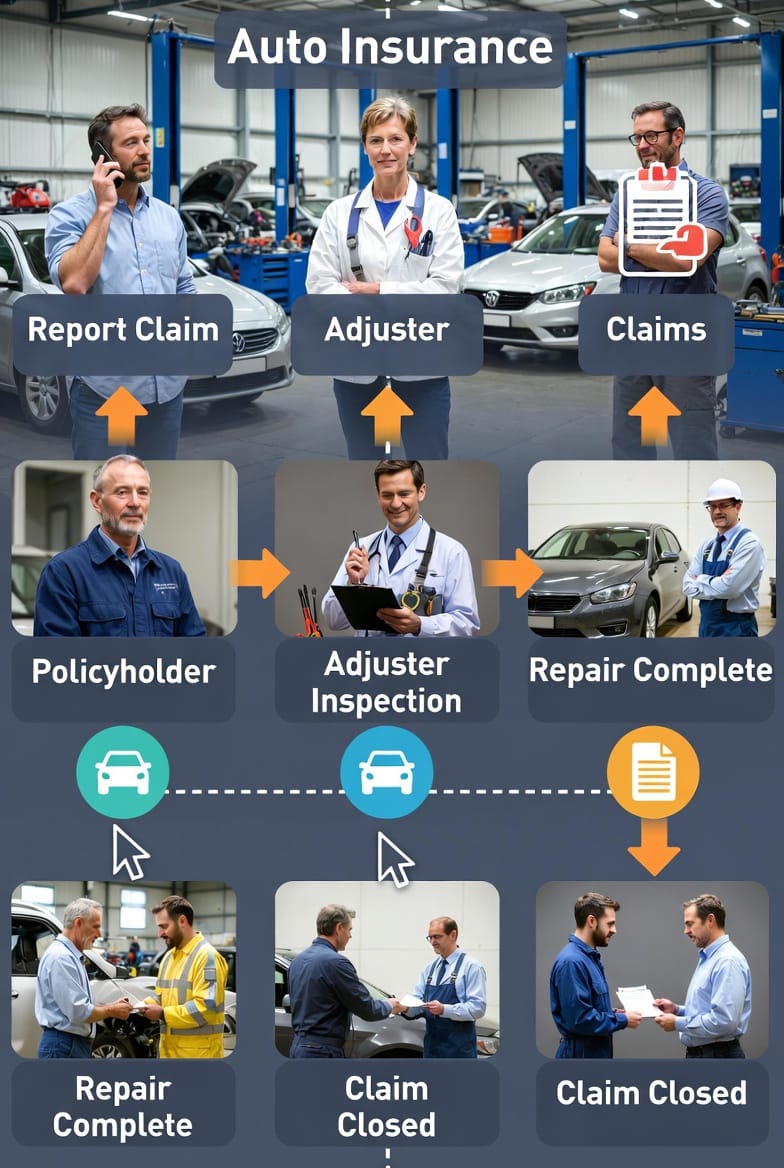
Experiencing an auto accident can be overwhelming, but understanding the auto insurance claims process empowers you to handle it with confidence. This comprehensive guide demystifies each step, from the initial report to final resolution, reducing stress and ensuring you receive the coverage you deserve. Whether it's a minor fender-bender or a more serious collision, knowing your rights and the procedures involved can make all the difference. We'll walk you through the essentials, highlighting key risks, best practices, and how to navigate common challenges like rental car coverage and diminished value claims. Remember, preparation is your best ally—let's break it down step by step.
Confused About Your Auto Claim? Call for Clear Guidance
Immediate Actions at the Accident Scene
The moments right after an accident are critical for safety and laying the groundwork for a smooth insurance claim. Stay calm, as panic can lead to oversights that complicate the process later. First, ensure everyone's safety: check for injuries and call emergency services if needed. Move vehicles out of traffic if possible, but only if it's safe to do so.
Gather essential information without delay. This includes:
- Driver and vehicle details: Names, contact info, license numbers, and insurance policy details from all parties involved.
- Witness accounts: Statements from bystanders, including their contact information.
- Scene documentation: Photos of vehicle damage, road conditions, traffic signs, and any contributing factors like weather or skid marks.
- Police report: Always involve law enforcement for an official record, especially if injuries or significant damage occur.
Failing to collect this data can weaken your claim, as insurers rely on evidence to determine fault and coverage. Pro tip: Use your phone's camera and notes app to organize everything efficiently. This proactive approach not only supports your case but also speeds up the claims adjustment phase.
Reporting the Claim: Your First Call to the Insurer
Once the scene is secure, contact your insurance provider immediately. Most companies offer 24/7 claims reporting via phone, app, or website—opt for the method that's most convenient, but a phone call often provides instant reassurance from a live representative.
During this initial report, be prepared to provide:
- Your policy number and personal details.
- Accident location, date, and time.
- Descriptions of what happened, including any police involvement.
- Details on injuries, damages, and other parties.
The insurer will assign a claims adjuster—your primary point of contact—who will guide you through the next steps. Expect them to ask for photos or additional info; responding promptly keeps things moving. A common risk here is underreporting details, which might lead to denied coverage for overlooked damages. Rest assured, reputable insurers like ours prioritize fair assessments, and our advisors at (833) 498-1406 are available to clarify any policy questions before you even file.
This step typically triggers an investigation, where the adjuster reviews evidence to confirm coverage under your policy. Policies vary, but standard auto insurance includes liability, collision, and comprehensive options—understanding yours beforehand avoids surprises.
Working with the Claims Adjuster
The claims adjuster plays a pivotal role, acting as the investigator and evaluator for your insurer. They'll contact you within a day or two to discuss the accident in detail and may inspect your vehicle in person or via photos.
Key interactions include:
- Damage assessment: The adjuster estimates repair costs based on industry standards and your policy limits.
- Fault determination: Using police reports and evidence, they assign responsibility, which affects deductibles and premiums.
- Settlement offer: They'll propose a payout for repairs, medical bills, or other covered losses.
To collaborate effectively, maintain open communication and provide all requested documents. If you disagree with their evaluation—perhaps they undervalue damages—politely request a re-assessment or seek a second opinion from an independent appraiser. Risks like lowball offers are real but mitigated by knowing your policy's fine print. Our authoritative advice: Document every conversation and don't sign anything until you're satisfied. This phase demystifies the "black box" of insurance, turning it into a transparent partnership.
Understanding Rental Car Coverage
If your vehicle is undrivable, rental car coverage—often an optional add-on—becomes invaluable. This endorsement reimburses you for a temporary vehicle while yours is repaired, typically up to a daily limit (e.g., $30–$50) and total cap (e.g., $900).
Activation steps:
- Confirm inclusion in your policy; if not, you might pay out-of-pocket initially and seek reimbursement.
- Choose a rental from approved providers to maximize coverage.
- Track mileage and return the car promptly to avoid extra fees.
A key risk is exceeding limits, leading to unexpected costs. For instance, if repairs take longer than anticipated due to parts shortages, you could face gaps. To mitigate, discuss timelines with your adjuster early. In multi-party accidents, the at-fault driver's insurance might cover your rental—your adjuster can coordinate this. This coverage reduces daily stress, allowing you to maintain normalcy during recovery. If unsure about your policy, our experts at (833) 498-1406 can review it for optimal protection.
Choosing a Repair Shop: Your Rights and Options
Selecting the right repair shop is crucial for quality work and timely completion. Contrary to myth, you're not obligated to use your insurer's recommended facility—you have the right to choose any licensed shop.
Considerations when deciding:
- Insurer-approved shops: Often offer guarantees and direct billing, streamlining the process.
- Independent options: May provide specialized services for luxury or custom vehicles.
- Certifications: Look for ASE-certified technicians and manufacturer approvals to ensure standards.
The adjuster will provide an estimate, but shops might find additional damage during teardown—leading to supplements. Approve these in writing to avoid disputes. Risks include subpar repairs if corners are cut, potentially affecting safety and resale value. Insist on OEM (original equipment manufacturer) parts if your policy allows, especially for newer cars. This step empowers you to prioritize quality, ensuring your vehicle returns to pre-accident condition.
Handling Diminished Value Claims
Even after repairs, your vehicle's market value might drop due to accident history—a phenomenon called diminished value. This is claimable in many states, particularly if you're not at fault.
Process overview:
- Assessment: Hire an appraiser or use online tools to quantify the value loss (e.g., 10–20% of pre-accident value).
- Filing: Submit evidence to the at-fault party's insurer, including repair records and valuation reports.
- Negotiation: Be prepared for pushback; documentation is key to a fair settlement.
Common pitfalls include overlooking this claim or accepting inadequate offers. For example, a $20,000 car might lose $3,000 in value post-repair—recovering that preserves your investment. Not all policies cover diminished value for your own fault accidents, so check yours. Our reassuring tip: Act within statutes of limitations (usually 2–3 years) to secure what's owed.

Common Challenges and How to Overcome Them
No claims process is without hurdles, but foreknowledge turns them into manageable steps. Delays from backlogged adjusters or parts availability are frequent—stay in touch and document follow-ups.
If a claim is denied, appeal with additional evidence; most insurers have internal review processes. Subrogation—where your insurer recovers costs from the at-fault party—might affect your payout timeline, but it's standard.
For total loss vehicles, the adjuster calculates actual cash value (ACV) based on market data. Negotiate if it seems low by providing comparables. Throughout, avoid common risks like admitting fault prematurely or skipping medical evaluations, as hidden injuries can emerge later.
Final Resolution and Claim Closure
Once repairs are complete and settlements agreed upon, the claim closes. Review the final statement for accuracy, ensuring all covered expenses are reimbursed minus your deductible.
Post-closure, monitor for premium changes—accidents can increase rates, but safe driving discounts might offset this. File any supplemental claims if new issues arise within policy limits.
Be Prepared and Know Your Rights
Navigating the auto insurance claims process doesn't have to be stressful. By staying informed, documenting thoroughly, and communicating effectively, you protect your interests and expedite recovery. Remember, you're entitled to fair treatment—don't hesitate to seek clarification or professional advice.
For personalized guidance on your policy or an ongoing claim, our dedicated advisors are here to help.
Confused About Your Auto Claim? Call for Clear Guidance